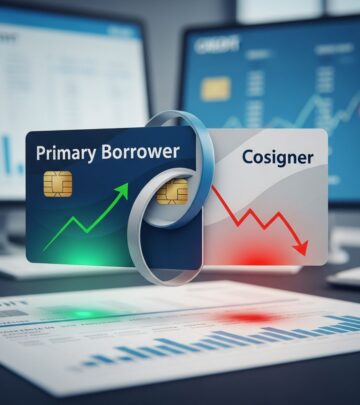
Cosigner Default: Legal and Financial Consequences
Understand your obligations and protect yourself when cosigning loans
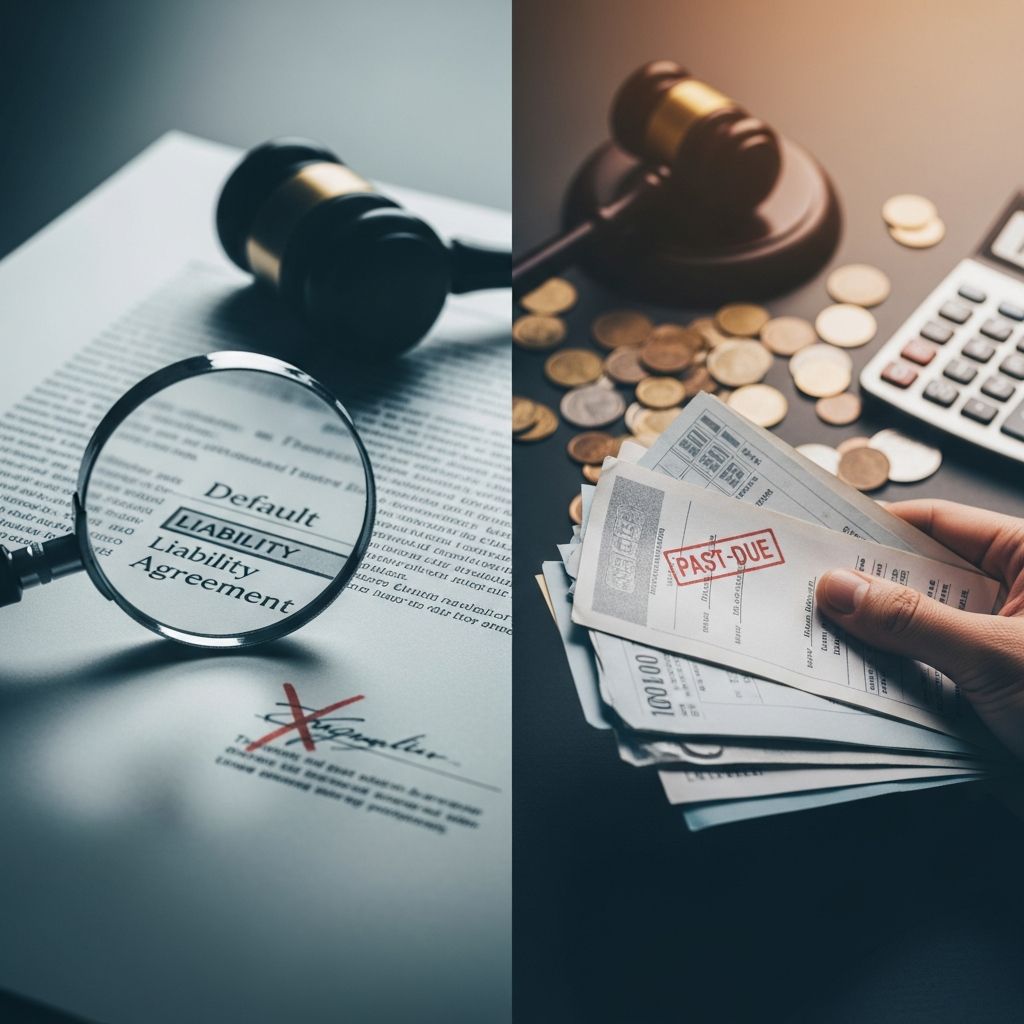
Agreeing to cosign a loan represents a significant financial commitment that many people underestimate. While the decision often stems from helping a trusted friend or family member access credit they couldn’t obtain independently, the ramifications of that signature extend far beyond a simple gesture of support. When the primary borrower fails to meet their payment obligations, the cosigner transitions from a background supporter to an active defendant in a debt collection process. Understanding these potential consequences and the legal framework surrounding cosigner liability is essential before you commit to this role.
The Fundamental Nature of Cosigner Responsibility
When you cosign a loan, you are not simply providing a character reference or moral support. You assume equal legal responsibility for the entire debt, meaning the lender can pursue you for full repayment if the primary borrower stops making payments. This obligation exists regardless of whether you receive any benefit from the loan or have access to the asset purchased with the borrowed funds. The lender views you and the primary borrower as equally liable parties, and they possess the legal right to collect from either party at any time.
The reason lenders require cosigners in the first place underscores the severity of this commitment. If the borrower had qualified for the loan independently, the lender would not have demanded a cosigner’s involvement. This means you are essentially backing a loan for someone the lender deemed too risky to lend to without additional security. By cosigning, you become that security.
Immediate Consequences When Payment Failures Begin
The moment the primary borrower misses a single payment, the contractual relationship shifts dramatically. Lenders are not required to pursue the primary borrower first before contacting you. In fact, many lenders prefer to contact the cosigner immediately, particularly if they believe the cosigner has stronger financial resources or a better credit history.
Collection actions can commence quickly and intensify rapidly:
- Lenders may contact you directly to demand immediate payment of the missed installment
- Late fees begin accumulating on the account, increasing the total amount owed
- Your credit report receives notification of the delinquency, damaging your credit score immediately
- If delinquency continues, the full outstanding balance may be declared due and payable
- Collection agencies may be hired to pursue payment through increasingly aggressive tactics
Some state laws provide minimal protections for cosigners during this initial phase. For example, Michigan requires lenders to notify cosigners in writing when a borrower becomes delinquent and provide at least 30 days to arrange payment or alternative arrangements before reporting adverse information to credit agencies. However, most states lack such protections, leaving cosigners vulnerable to immediate credit damage.
Credit Score Impact and Long-Term Financial Damage
One of the most significant consequences of cosigner default extends beyond immediate legal action—it permanently affects your creditworthiness. Both late payments and defaults on cosigned loans appear on your credit report, influencing your credit score just as if you were the primary borrower.
This damage manifests in several ways:
- Credit scores typically drop 100 to 200 points following a default
- The negative entry remains on your credit report for up to seven years
- Future lenders view you as higher-risk, resulting in higher interest rates on mortgages, auto loans, and credit cards
- Your debt-to-income ratio increases, making it harder to qualify for new credit
- Employers, landlords, and insurance companies may review your credit history before approving applications
- Even after the debt is paid, the historical record of default continues affecting your borrowing capacity
The credit damage occurs whether you ultimately pay the debt or not. If you refuse to pay and the lender pursues collection through legal action, the consequences only intensify.
Legal Action and Collection Proceedings
When a cosigned loan reaches significant delinquency—typically after 90 to 120 days of missed payments—lenders frequently escalate the situation to the legal system. Collection agencies and lenders routinely sue cosigners to recover unpaid balances, and statistics demonstrate the severity of this risk. Research indicates that approximately three out of four cosigners on defaulted loans are pursued for repayment.
The litigation process introduces substantial additional costs:
- Attorney fees charged by the lender’s legal team
- Court filing fees and processing costs
- Potential judgment interest accumulating on the debt
- Your own legal representation costs if you choose to defend yourself
If the lender prevails in court—which occurs in the vast majority of cases—the judgment grants them additional collection tools. Courts can authorize wage garnishment, where a portion of your paycheck is automatically redirected to satisfy the judgment. Property liens can be placed against your real estate holdings, and in some cases, the court may authorize seizure of personal property to satisfy the debt.
Strategic Protective Measures Before Cosigning
Understanding these risks allows you to implement protective measures before signing the promissory note. Financial and legal professionals recommend several proactive strategies:
Negotiating Specific Contractual Limitations
Request that the lender include specific language in the loan agreement limiting your liability. For instance, you might negotiate for language stating: “The cosigner will be responsible only for the principal balance on the loan at the time of default”. This prevents you from being liable for accumulated late fees, court costs, and collection expenses that may substantially exceed the original borrowed amount.
Additionally, request written notification requirements. Ask the lender to commit to notifying you immediately—in writing—whenever the primary borrower misses a payment. This early warning allows you to take corrective action before the situation escalates to default status.
Considering Indemnification Agreements
An indemnification agreement is a separate legal contract between you and the primary borrower, independent of the loan agreement itself. In this contract, the borrower agrees to reimburse you for any financial losses you incur as a result of cosigning, including missed payments, legal fees, and credit damage. While establishing such an agreement requires legal consultation and associated attorney fees, the protection it provides may justify the investment, particularly for large loan amounts.
Assessing Relationship Stability
Before committing to cosign, honestly evaluate your relationship with the borrower and your financial trust in them. Consider whether you would be comfortable having difficult conversations about money if payment problems arise. The ability to communicate openly and resolve financial disputes may determine whether the arrangement ultimately damages your relationship.
Monitoring Responsibilities After Cosigning
Cosigning does not end with your signature. You bear ongoing responsibility to monitor the account and ensure timely payments, even if the borrower doesn’t notify you of problems. Many cosigners neglect this monitoring responsibility, only discovering defaults after credit damage has already occurred.
Establish a system to track payment schedules and verify that payments post to the account on schedule. Request access to online account portals or ask the lender to send you statements. Contact the borrower if payments appear to be falling behind. This proactive approach may allow you to address problems before they escalate to default status.
Understanding State-Specific Protections
Cosigner protections vary significantly by state jurisdiction. Some states have enacted laws providing cosigners with specific rights and protections, while others offer minimal statutory safeguards. The Federal Trade Commission recommends contacting your state’s attorney general or banking agency to research what protections apply in your jurisdiction.
For example, Michigan law mandates that lenders provide cosigners with written notification of delinquency and a minimum 30-day opportunity to arrange acceptable payment plans before reporting adverse credit information. Other states may provide different protections or require different procedural steps before collection action can commence. Understanding these state-specific rules helps you know your rights and identify when a lender may be violating regulations.
Addressing the Problem When Default Occurs
If you find yourself in a situation where the primary borrower has defaulted and the lender is pursuing collection from you, several options may be available:
- Communicate with the borrower: Attempt to work with the primary borrower to resume payments before the lender initiates legal proceedings. This requires difficult conversations but may prevent greater damage to both parties.
- Contact the lender: Explain the situation and explore whether temporary payment arrangements, loan modifications, or other alternatives to default might be available.
- Consult legal counsel: Speak with an attorney about your specific situation, potential defenses, and negotiation strategies that might minimize your financial exposure.
- Document everything: Maintain detailed records of all communications with the borrower and lender, payment attempts, and correspondence. This documentation may prove valuable if disputes arise regarding your obligations.
Alternatives to Cosigning
Before agreeing to cosign, explore alternative approaches to helping someone secure financing. The borrower might improve their creditworthiness by taking time to build credit history, paying down existing debts, or addressing credit report errors. Lenders may offer credit-building products designed for consumers with limited credit histories. In some cases, a larger down payment or collateral can substitute for a cosigner’s guarantee. These alternatives eliminate the risk you assume by cosigning.
Frequently Asked Questions
Can a lender pursue me before pursuing the primary borrower?
Yes. Most states allow lenders to pursue cosigners immediately upon default, without first exhausting collection efforts against the primary borrower. The lender may determine that pursuing you first represents the most efficient collection strategy.
What happens to my credit if the borrower makes all payments on time?
The loan appears on your credit report even with perfect payment history. This affects your debt-to-income ratio and may impact your ability to qualify for new credit, though it does not directly damage your credit score. On-time payment history may actually provide modest credit-building benefits.
Can I be removed as a cosigner after the loan is established?
Removal or release from cosigner status is typically only possible if the loan agreement includes specific provisions allowing for cosigner release. Requirements often include the primary borrower having made a certain number of consecutive on-time payments and meeting minimum income or credit requirements. Check your loan documents to determine if release is possible.
What if the borrower declares bankruptcy?
Bankruptcy by the primary borrower does not automatically eliminate your cosigner obligations. Lenders may still pursue you for the debt. The specific outcome depends on the type of bankruptcy filed and various legal factors affecting your particular situation.
References
- Cosigner Rights and Responsibilities: How It Works — Bankrate. 2024. https://www.bankrate.com/loans/personal-loans/im-a-loan-co-signer-what-are-my-rights/
- How to Protect Yourself: Co-signing a Loan — State of Florida Attorney General. 2024. https://www.myfloridalegal.com/consumer-protection/how-to-protect-yourself-co-signing-a-loan
- What Is the Responsibility of a Cosigner on a Loan? — SoFi Learning. 2024. https://www.sofi.com/learn/content/responsibility-of-a-cosigner/
- Cosigning A Loan? Know the Risks! — State of Michigan Consumer Protection. 2024. https://www.michigan.gov/consumerprotection/protect-yourself/consumer-alerts/credit/cosigning-loan
- The Responsibilities and Risks of Cosigning on a Loan — APCI Federal Credit Union. 2024. https://www.apcifcu.org/blog/the-responsibilities-and-risks-of-cosigning-on-a-loan
- If I co-signed for a student loan and it has gone into default, what happens? — Consumer Financial Protection Bureau. 2024. https://www.consumerfinance.gov/ask-cfpb/if-i-co-signed-for-a-student-loan-and-it-has-gone-into-default-what-happens-en-671/
- Co-Signer Considerations — Bluestone Bank. 2024. https://bluestone.bank/home-loans/mortgage-resources/co-signer-considerations/
Similar Articles








Read full bio of Sneha Tete