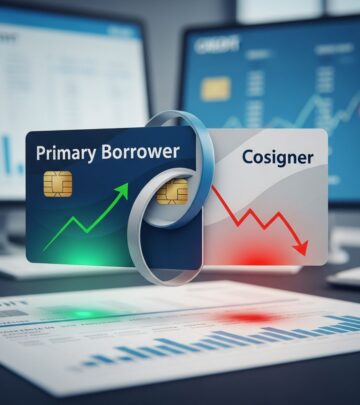
Cosigner Credit Risks from Repossession
Understand how vehicle repossession impacts cosigners' credit scores, liability, and recovery strategies for long-term financial protection.

When you agree to cosign an auto loan, you’re stepping into a shared financial commitment that carries significant risks. A repossession not only affects the primary borrower’s ability to keep their vehicle but also triggers severe consequences for the cosigner’s credit profile. Late payments, defaults, and the repossession itself can linger on credit reports for up to seven years, potentially dropping scores by 50 to over 200 points depending on the individual’s credit history.
Understanding Cosigner Liability in Auto Loans
Cosigners provide their strong credit standing to help primary borrowers secure favorable loan terms. Lenders view cosigners as equally accountable, meaning any failure to repay falls on both parties. This joint obligation extends to all loan aspects, including interest, principal, and associated fees. If payments falter, the lender pursues collection from either or both signers without distinction.
The contract typically designates the cosigner as a co-obligor on the promissory note, ensuring full legal responsibility. Unlike authorized users—who merely have access without liability—cosigners face direct repercussions. Guarantors may experience varying treatment based on lender policies, but most report similarly to cosigners.
Timeline of Credit Damage from Missed Payments to Repo
Credit deterioration begins well before physical repossession. Lenders report delinquencies starting at 30 days late, escalating through 60, 90 days, and beyond. These notations appear identically on both parties’ credit files, compounding damage as the account progresses to default.
- 30-60 Day Lates: Initial score dips, signaling early distress.
- 90+ Days: Account marked as seriously delinquent, major score impact.
- Default: Loan acceleration clause triggers full balance due.
- Repossession: Vehicle seized; remark added to tradeline.
- Charge-Off: Lender writes off debt, often followed by sale.
The Date of First Delinquency (DOFD)—the initial missed payment leading to repossession—sets the seven-year reporting clock under the Fair Credit Reporting Act (FCRA). Subsequent actions like collections or judgments do not extend this period.
Financial Fallout: Deficiency Balances and Collections
After repossession, lenders auction the vehicle, but proceeds rarely cover the full loan. The gap, known as the deficiency balance, includes repossession fees, storage, and legal costs. Cosigners remain liable for this amount, which may enter collections if unpaid, adding another derogatory mark.
Courts can issue judgments against both parties, further tarnishing records. Voluntary surrender—proactively returning the vehicle—does not mitigate credit harm significantly, as late payments and repo remarks still report.
| Event | Credit Impact Duration | Typical Score Drop |
|---|---|---|
| Late Payments | Up to 7 years from DOFD | 20-100 points |
| Repossession Remark | 7 years from DOFD | 50-200+ points |
| Collections/Charge-Off | 7 years from DOFD | 100+ points |
| Judgments | 7 years from filing | Severe |
Payment history, weighting 35% of FICO scores, bears the brunt. Pre-existing good credit may buffer some loss, but thin files amplify damage.
Distinguishing Cosigner Roles and Protections
Not all supportive roles equate to liability. Review loan documents to confirm status:
- Cosigner/Co-Borrower: Full reporting and liability.
- Guarantor: Potential reporting; verify lender policy.
- Authorized User/Reference: No liability or reporting.
Refinancing or formal cosigner release halts future reporting from the effective date, but historical negatives persist. Request written confirmation, full account history, and any goodwill adjustments post-cure.
Strategies to Minimize and Recover from Damage
Proactive steps can limit exposure:
- Monitor Accounts: Use credit monitoring to catch delinquencies early.
- Negotiate Surrender: Secure written agreements waiving deficiency for voluntary return.
- Pay Deficiency Promptly: Prevents collections; request detailed breakdown.
- Dispute Errors: Challenge incorrect DOFD or status under FCRA.
- Rebuild Credit: Secure new credit, pay on time, reduce utilization.
Goodwill letters to lenders may remove isolated lates after reinstatement. Bankruptcy options like Chapter 13 can cram down secured claims to vehicle value after 2.5 years ownership, protecting cosigners via plan payments.
Cosigner releases via refinance or substitution end ongoing risk but leave past scars. Document all communications for disputes.
Long-Term Credit Rebuilding Roadmap
Recovery demands discipline. Focus on positive tradelines: secured cards, credit-builder loans. Aim for utilization under 30%, diverse credit mix. Scores rebound gradually; significant improvement possible within 12-24 months with perfect payment history.
Time erodes impact—FICO weighs recent behavior heavily. After seven years, items drop off, fully restoring eligibility for prime rates.
Frequently Asked Questions
Does voluntary repossession protect cosigner credit?
No, it impacts scores similarly due to preceding lates and repo remark.
Can cosigners dispute repossession reporting?
Yes, if DOFD is inaccurate or status misreported; provide contract proof.
How long until cosigner credit recovers?
Full removal in seven years; practical recovery in 1-2 years with rebuilding.
Is a cosigner liable after loan payoff?
No new liability, but prior marks remain unless removed.
What if the vehicle is inoperable?
Cosigner still owes full loan; lender seeks deficiency post-sale.
Preventing Cosigner Nightmares: Best Practices
Before cosigning, assess borrower’s reliability via joint financial review. Set clear payment protocols, like autopay from shared account. Include exit clauses in agreements. Regularly check credit reports from Equifax, Experian, TransUnion.
Financial counseling from NFCC-certified experts aids high-risk situations. Ultimately, cosigning demands trust balanced with self-protection—treat it as your own debt.
References
- Does Repossession Affect a Cosigner’s Credit? — Experian. 2023-10-15. https://www.experian.com/blogs/ask-experian/does-repossession-affect-a-cosigners-credit/
- Does Repossession Hurt A Cosigner’s Credit Report? — The Credit People. 2024-05-22. https://www.thecreditpeople.com/credit/does-repossession-hurt-a-cosigners-credit-report
- Voluntary Repo: Will it Save Your Credit Score? — Lift and Tow. 2023-08-10. https://liftandtow.com/blog/will-a-voluntary-car-repossession-save-my-credit-score/
- What Happens to the Cosigner if a Car is Repossessed? — Experian. 2023-11-05. https://www.experian.com/blogs/ask-experian/what-happens-to-the-cosigner-if-a-car-is-repossessed/
- Inoperable and Repossessed Car Loan? Ask an Expert — National Foundation for Credit Counseling (NFCC). 2024-02-14. https://www.nfcc.org/blog/ask-expert-can-cosigned-car-loan-vehicle-inoperable-repossessed/
- What Happens to a Cosigner if a Car is Repossessed? — Acclaim Legal Services. 2023-12-01. https://acclaimlegalservices.com/debt-solutions/vehicle-repossession/what-happens-to-my-co-signor-if-i-default-on-my-car-loan.html
Similar Articles








Read full bio of Sneha Tete