Correcting Credit Report Inaccuracies: Complete Dispute Guide
Learn how to identify, report, and resolve errors on your credit report effectively.

Your credit report is one of the most important financial documents in your life, influencing everything from loan approvals to interest rates. However, errors can and do occur. Whether it’s an account you never opened, a payment marked as late when you paid on time, or a balance that doesn’t match your records, inaccuracies can significantly damage your creditworthiness. Understanding how to challenge these mistakes is essential for protecting your financial future.
Understanding Credit Report Mistakes and Their Impact
Credit reporting errors can take many forms. Some errors are minor discrepancies in account details, while others are serious issues like fraudulent accounts opened in your name or accounts belonging to someone else appearing on your report. These mistakes can lower your credit score, making it harder to qualify for credit, resulting in higher interest rates, or even causing loan rejections altogether.
The good news is that federal law provides consumers with clear mechanisms to challenge inaccuracies. The Fair Credit Reporting Act and related regulations give you the right to dispute any information you believe is incomplete or inaccurate on your credit report. Understanding this process and your rights is the first step toward correcting these errors.
Preparing Your Dispute: Documentation and Evidence Gathering
Before you submit any dispute, thorough preparation is crucial. The strength of your challenge depends largely on the supporting documentation you provide. Begin by reviewing your credit report carefully to identify exactly which items are problematic.
Once you’ve identified the errors, gather relevant documentation that supports your position. This might include:
- Account statements showing payment history
- Billing statements with dates and amounts
- Correspondence with the creditor or lender
- Bank or credit card records proving payment
- Identity documents if disputing accounts opened fraudulently
- Account numbers and specific transaction details
- Any written communication between you and the reporting company
Organization is key. Create a folder containing copies of all supporting materials, clearly labeled and cross-referenced to the specific errors you’re disputing. Remember to keep copies for your records—never send original documents to credit bureaus or furnishers.
Routes to Filing Your Dispute: Three Primary Methods
The credit dispute process offers flexibility in how you initiate your challenge. You can pursue multiple avenues simultaneously, though each has particular advantages.
Disputing Directly with Credit Bureaus
The three major credit reporting agencies—Equifax, Experian, and TransUnion—each maintain their own dispute procedures. You can file disputes through multiple channels depending on your preference and the bureau’s offerings.
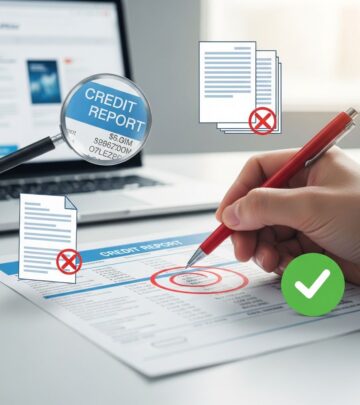
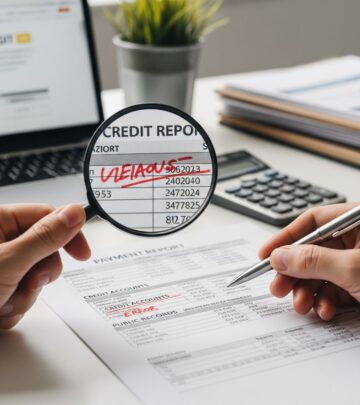
Written Mail Disputes: Send a detailed dispute letter to the credit bureau’s dispute department. Your letter should clearly identify each erroneous item, explain specifically why you believe it’s wrong, and request removal or correction. Include a copy of your credit report with the disputed items circled or highlighted, along with copies of supporting documentation. Send materials via certified mail so you have proof of delivery.
Online Dispute Filing: Most major credit bureaus now allow online dispute submission through their websites. This method offers convenience and immediate confirmation of receipt. The process typically involves selecting the specific item to dispute from your report, choosing a reason from provided categories, and uploading supporting documentation.
Telephone Disputes: Some bureaus accept disputes over the phone, though this method provides less documentation of your submission. If you choose this route, keep detailed notes of the date, time, representative name, and information discussed.
Contacting the Data Furnisher Directly
The company that originally reported the information—called the data furnisher—is your creditor, lender, or service provider. Disputing directly with them can be highly effective because they have direct access to their own records.
Prepare a formal dispute letter addressed to the furnisher’s dispute department. This letter should include your complete name and address, the specific account number, each piece of inaccurate information, a clear explanation of why it’s wrong, and your request for correction or removal. Attach copies of documents proving your position. Send this via certified mail to ensure delivery confirmation.
When the furnisher receives your dispute, they must conduct a reasonable investigation into the accuracy of the reported information. If they find the information is indeed incorrect, they’re obligated to notify all credit bureaus to which they reported the error, requesting corrections.
What Happens During the Investigation Period
Once you’ve filed your dispute—whether with a credit bureau or directly with the furnisher—a formal investigation process begins. Understanding this timeline helps you know what to expect and when.
Investigation Timeline: Credit bureaus and furnishers typically have 30 days from receipt of your dispute to investigate and respond to you. If you submit additional documentation or information after the investigation begins, the timeline may extend to 45 days. This allows the companies sufficient time to examine their records, communicate with other parties if needed, and thoroughly evaluate your claim.
The Investigation Process: When a credit bureau receives your dispute, they don’t simply accept your word. Instead, they contact the furnisher who reported the information and share all documentation you provided. The furnisher must then verify the accuracy of the information in their own systems and records. They review account history, payment records, dates, and amounts to determine whether the reported information is correct.
Frivolous Dispute Determination: Credit bureaus can decline to investigate disputes they determine are frivolous or irrelevant. However, they must notify you of this decision within five business days and explain their reasoning. A dispute might be considered frivolous if it lacks sufficient information for investigation or doesn’t clearly specify what information is being disputed.
Possible Outcomes and What They Mean
After the investigation concludes, one of three outcomes will occur. Understanding these possibilities helps you know what to expect and how to respond.
The Information Is Corrected or Updated
If the investigation confirms that the information is inaccurate or incomplete, the furnisher must contact all credit bureaus where they reported the error and request correction or removal. The bureaus must then update your credit report accordingly. This outcome is ideal, as your report will now accurately reflect the true status of the account.
The Information Is Deleted
In some cases, rather than correcting information, it may be deleted entirely from your report. This often occurs when the furnisher cannot verify that the account or debt belongs to you or when the record cannot be substantiated. Complete removal is the best-case scenario for disputed accounts.
The Information Remains Unchanged
If the investigation concludes that the reported information is accurate, it will remain on your credit report. This doesn’t mean you’re without recourse. You have the right to request that a brief statement be added to your credit file explaining your dispute and why you believe the information is inaccurate. This consumer statement appears when potential creditors review your report, providing context for the disputed item.
After the Investigation: Your Response Options
When the credit bureau completes their investigation, they must provide written results and include the name, address, and phone number of the furnisher who supplied the information. Review this response carefully.
If the outcome is favorable and your report has been corrected, verify that the changes appear on your credit report within a reasonable timeframe. Monitor your report over the following billing cycles to ensure updates were properly applied by all three bureaus.
If the outcome is unfavorable and the information remains unchanged, you still have options. You can request that the credit bureau include a consumer statement in your file explaining the dispute. Additionally, you can gather additional evidence and file another dispute, ensuring you provide new or supplemental information that strengthens your case. Simply resubmitting the same information will likely yield the same result, so focus on finding additional documentation or evidence that wasn’t included in your first dispute attempt.
Essential Documentation to Include With Your Dispute
The quality and completeness of your supporting materials significantly influence the investigation outcome. Here’s what you should include:
| Documentation Type | Why It Matters |
|---|---|
| Copy of your credit report with disputed items highlighted | Shows exactly what item you’re disputing and confirms it appears on your report |
| Payment statements or bank records | Proves when and how much you paid, establishing accurate payment history |
| Correspondence with creditor or lender | Demonstrates you’ve attempted to resolve the issue directly |
| Account statements showing balances | Verifies the correct account balance or status |
| Identity documents for fraud claims | Establishes that accounts don’t belong to you |
| Dispute letter clearly explaining your position | Provides context and reasoning for the challenge |
Tracking Your Dispute Progress
Don’t simply submit your dispute and wait passively. Active tracking helps you stay informed and follow up if needed.
When you submit a dispute by mail, send it via certified mail with return receipt requested. This provides proof of delivery and a date you can reference. Keep the tracking number and receipt. If you file online, save confirmation pages or emails showing your submission was received. For telephone disputes, document the date, time, person’s name, and key discussion points.
Create a simple tracking document noting: the dispute date, method of submission, items disputed, documentation submitted, expected response date, and actual response received. This organized approach helps you remember important details and demonstrates diligence if issues arise.
When Disputes Don’t Resolve as Expected
If your first dispute doesn’t yield the desired outcome, don’t lose hope. Federal law provides additional protections and options.
Before filing another dispute, analyze why the first one wasn’t successful. Was your documentation incomplete? Did you clearly explain why the information was wrong? Was there additional evidence you could have provided? Use these insights to strengthen your second attempt. Add supplemental information that provides new perspective or additional proof to support your position.
You can also request that a consumer statement be added to your credit file. This statement, typically limited to 100 words, allows you to explain the dispute from your perspective. While this won’t remove the negative information, it provides context when potential creditors review your report and may influence their lending decision.
Frequently Asked Questions About Credit Disputes
How long does the dispute process take?
Credit bureaus and furnishers typically have 30 days to investigate and respond. If you submit additional documentation during the investigation, the timeline may extend to 45 days. You should receive written results within this period.
Do I need to dispute with the credit bureau or the furnisher?
You can dispute with either or both. Disputing with the credit bureau requires them to contact the furnisher and verify the information. Disputing directly with the furnisher can sometimes be faster. For maximum impact, consider disputing with both simultaneously.
What if the furnisher disagrees with my dispute?
If the furnisher investigates and concludes the information is accurate, they won’t update their report. However, you can request that a consumer statement be added to your credit file, and you can file another dispute with additional supporting evidence.
Will disputing an error hurt my credit score?
No. The dispute process itself doesn’t harm your credit score. However, the disputed item remains on your report until it’s actually corrected or removed, which may continue to affect your score.
Should I use a credit repair service to dispute errors?
No. You can dispute errors yourself at no cost. Credit repair companies cannot do anything you cannot do yourself, and some engage in deceptive practices. Save your money and handle disputes directly.
Protecting Your Credit Going Forward
While disputing errors is important, prevention and monitoring are equally valuable. Check your credit report at least annually from all three bureaus through AnnualCreditReport.com, where you can access free reports. Many credit monitoring services also provide alerts when new accounts are opened or significant changes occur on your report.
Maintain organized financial records, keep payment confirmations, and review account statements regularly. The sooner you identify errors, the sooner you can address them through the dispute process.
References
- Dispute Errors on Your Credit Reports — Federal Trade Commission Consumer Advice. https://consumer.ftc.gov/articles/disputing-errors-your-credit-reports
- How do I dispute an error on my credit report? — Consumer Financial Protection Bureau. https://www.consumerfinance.gov/ask-cfpb/how-do-i-dispute-an-error-on-my-credit-report-en-314/
- How to Dispute an Error on Your Credit Report — Intuit Credit Karma. https://www.creditkarma.com/credit/i/dispute-error-credit-report
- Filing a Dispute — Annual Credit Report.com. https://www.annualcreditreport.com/filingADispute.action
- How to Dispute a Credit Report — Numerica Credit Union. https://www.numericacu.com/articles/dispute-credit-report
Similar Articles








Read full bio of medha deb