Correcting Credit Report Errors: A Complete Guide
Learn how to challenge inaccuracies on your credit report and restore your financial standing.
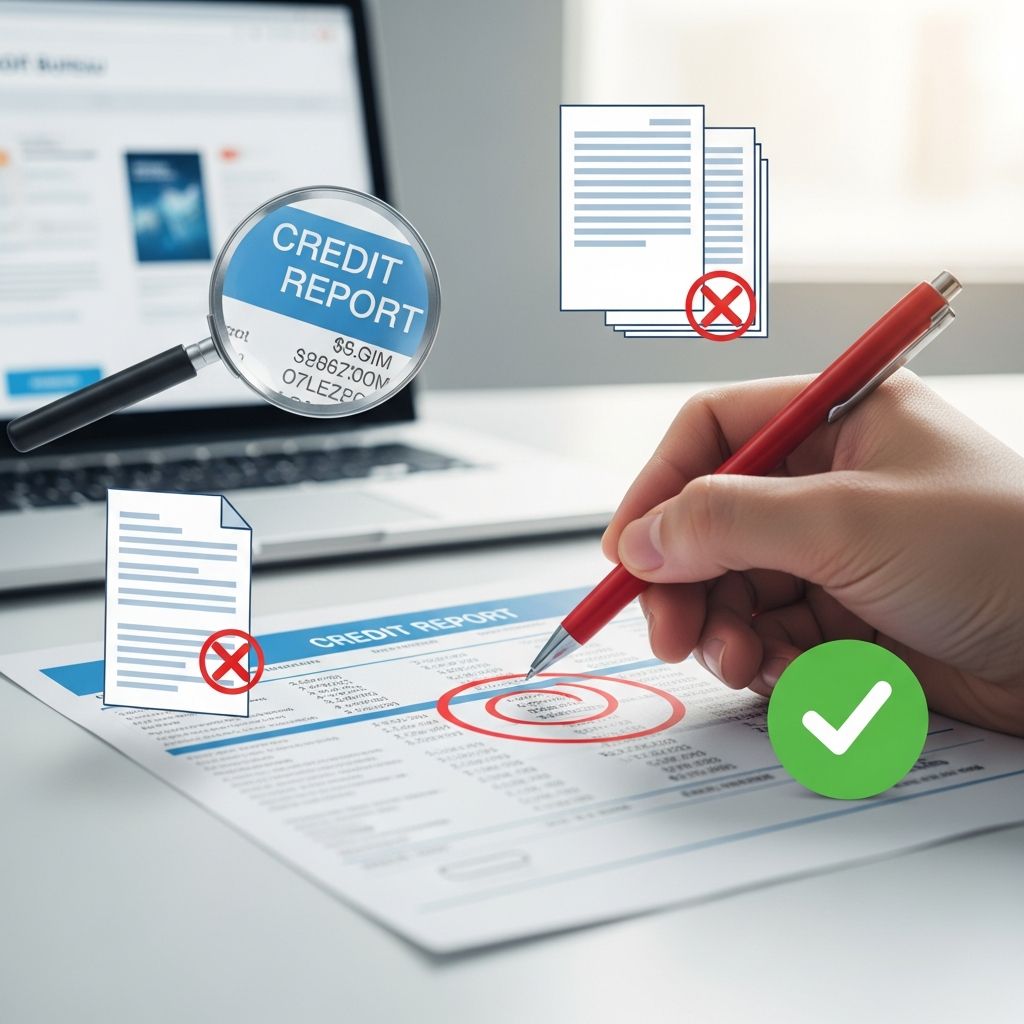
Your credit report is a critical financial document that lenders, employers, and creditors use to evaluate your reliability and trustworthiness. However, these reports are not always perfect. Errors and inaccuracies can appear on your credit file for various reasons—whether due to identity theft, clerical mistakes, or data entry errors. When you discover incorrect information affecting your creditworthiness, taking action becomes essential. Understanding how to properly challenge these errors through a formal dispute process can help you restore accuracy to your financial record and potentially improve your credit standing.
Understanding Common Credit Report Mistakes
Credit reports maintained by the three major bureaus—Equifax, Experian, and TransUnion—can contain various types of errors that warrant investigation. These mistakes range from minor identification details to significant account inaccuracies that directly impact your credit score.
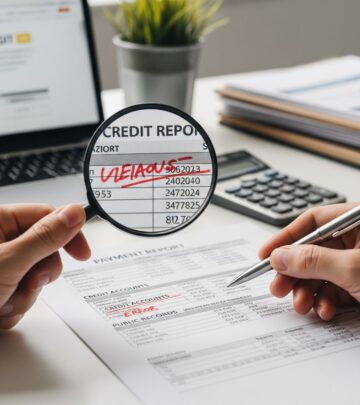
One prevalent issue involves accounts that do not belong to you. Identity theft can result in fraudulent accounts being opened in your name, appearing on your credit report and damaging your credit profile. Similarly, you might notice that personal information such as your address contains errors, with incorrect house numbers or outdated locations appearing on your file. Some consumers discover that payment history has been reported incorrectly—for instance, a payment marked as late when it was actually submitted on time. In other cases, accounts that you have closed or paid off continue to show as active with remaining balances. Additionally, some individuals find that serious negative items like bankruptcy filings appear on their reports despite never having filed for bankruptcy.
Each of these errors can negatively affect your credit score and your ability to obtain favorable interest rates on loans and credit products. Recognizing these mistakes is the first step toward correction.
Preparing Your Case: Documentation and Evidence
Before submitting any dispute, gather comprehensive documentation that supports your position. Strong evidence strengthens your case and increases the likelihood that the credit bureau will investigate thoroughly and find in your favor.
Essential documents to collect include:
- Original billing statements showing correct payment history or zero balances
- Canceled checks or bank statements proving on-time payments
- Payoff statements from lenders confirming account closure
- Correspondence from your creditor regarding disputed transactions
- Police reports in cases of identity theft or fraud
- Court documents if applicable to your dispute
- Communication records between you and the credit bureau or creditor
- Account statements showing current status or correction of the disputed item
Having copies of these documents readily available allows you to include them with your formal dispute letter. The credit bureau’s investigation team will use this documentation to verify your claims and determine whether the reported information is accurate. Remember to send only copies, never original documents, as you may need to retain originals for your records or future reference.
Structuring Your Formal Dispute Communication
The format and content of your dispute communication play a significant role in how seriously the credit bureau treats your claim. A well-organized letter that clearly presents your case demonstrates professionalism and makes it easier for the investigation team to process your request.
Begin with essential identifying information:
- Your complete full name
- Your date of birth
- Your Social Security number
- Your current mailing address
- Any previous addresses where you have resided during the past two years
- Your telephone number
- The current date of the letter
Following your personal information, you should clearly identify the credit bureau you are addressing. Include their complete mailing address to ensure your letter reaches the appropriate department. Use the formal name of the bureau (such as Experian, Equifax, or TransUnion) along with their dispute processing address.
The body of your letter should transition into a clear, factual description of the error you are disputing. Specificity matters—rather than vague accusations, provide exact account numbers, transaction dates, and detailed explanations of why the reported information is inaccurate. If you are disputing multiple items, number each one and address them individually.
Crafting a Compelling Dispute Narrative
The explanation section of your letter is where you make your case. This is not the place for emotional appeals or lengthy narratives, but rather for clear, factual statements backed by evidence.
For each disputed item, follow this structure:
- State the account number as it appears on your credit report
- Identify the specific dates associated with the disputed information
- Explain precisely what information is inaccurate
- Provide concrete reasons why the information is incorrect
- Reference the supporting documentation you are enclosing
For example, if you are disputing a late payment, you might write: “My credit report indicates that account number [XXXX] had a late payment in March 2024. However, I have enclosed a bank statement and canceled check proving that payment was submitted on March 15, 2024, which is within the billing cycle deadline. This payment should not be reported as late.”
When addressing identity theft or fraudulent accounts, be equally direct: “Account number [XXXX] appears on my credit report as an open credit card account. I have never applied for or authorized this account. I am enclosing a police report documenting identity theft filed on [date].”
Required Attachments and Supporting Materials
Your dispute letter should include copies of specific documents that help the credit bureau verify your identity and investigate your claim effectively.
Critical attachments include:
- A copy of your government-issued identification (driver’s license or state ID)
- A utility bill, bank statement, or insurance statement confirming your current address
- A copy of your complete credit report with the disputed item clearly marked, highlighted, or circled
- Copies of any documents referenced in your dispute letter (billing statements, payoff letters, police reports, court documents)
- A list of all enclosures included with your letter
Include a final section in your letter that lists every document you are enclosing. This inventory helps the credit bureau track the materials and ensures nothing is lost during processing. Format this section clearly:
Enclosures:
- Copy of credit report with disputed account highlighted
- Bank statement dated [date] showing payment
- Payoff statement from [creditor name]
- Police report filed [date]
- Copy of driver’s license
- Copy of utility bill
Choosing Your Submission Method
Credit bureaus offer multiple pathways for submitting disputes, and the method you choose can affect how quickly your case is processed and your ability to track progress.
Mailing your dispute: Sending your letter by certified mail with return receipt requested provides documented proof that the credit bureau received your correspondence. This creates a paper trail that protects you and allows you to reference specific dates if disputes arise. Keep all receipts and confirmation documents. The standard mailing addresses for the major bureaus are publicly available through their official websites.
Online dispute submission: Many credit bureaus now offer online dispute portals on their websites, which can accelerate processing times. Online submission often provides immediate confirmation and allows you to track your dispute’s status in real time. However, some consumers prefer the documentation certainty of mailed letters.
Downloadable dispute forms: Each major credit bureau provides official dispute forms designed to capture all necessary information in a standardized format. Completing these forms and mailing them along with your letter can streamline the investigation process.
Understanding the Investigation Process
After you submit your dispute, the credit bureau must investigate your claim within a specific timeframe. During this period, they contact the creditor or data furnisher who provided the disputed information and request verification of the accuracy of the reported data. The creditor must either verify that the information is accurate or correct their report.
If the creditor cannot verify the information within the investigation period, the credit bureau is obligated to remove it from your report. Some disputes result in partial corrections, where only certain aspects of the account information are modified rather than the entire account being removed.
Keep copies of all correspondence you send and receive throughout this process. These records serve as documentation of your efforts and can be valuable if you need to escalate your dispute or take further action.
Taking Action on Your Own Terms
You have the right to dispute any information on your credit report that you believe is inaccurate. You do not need to hire an attorney or use a credit repair service to exercise this right, though some individuals choose to do so if disputes become complex. The process outlined above is available to all consumers at no cost.
Correcting errors on your credit report requires patience and attention to detail, but the potential benefits to your creditworthiness and financial future make it worthwhile. By gathering strong supporting documentation, submitting a clear and organized dispute letter, and tracking your case throughout the investigation, you give yourself the best chance of success.
References
- How to Write a Credit Dispute Letter — Experian. 2024. https://www.experian.com/blogs/ask-experian/how-to-write-a-credit-dispute-letter/
- Sample Letter: Credit Report Dispute — Consumer Financial Protection Bureau. 2016. https://files.consumerfinance.gov/f/documents/092016_cfpb__CreditReportingSampleLetter.pdf
- Sample Letter to Credit Bureaus Disputing Errors on Credit Reports — Federal Trade Commission. https://consumer.ftc.gov/sample-letter-credit-bureaus-disputing-errors-credit-reports
- How to Write a Credit Dispute Letter to Fix Credit Report Errors — NerdWallet. 2024. https://www.nerdwallet.com/finance/learn/how-to-write-a-credit-dispute-letter-to-fix-credit-report-errors
- A Guide to Credit Dispute Letters — Credit Karma (Intuit). 2024. https://www.creditkarma.com/credit/i/credit-dispute-letters
Similar Articles








Read full bio of Sneha Tete