Corporate Social Responsibility: Definition and Examples
Understanding CSR: How businesses create positive social and environmental impact while building sustainable growth.

What Is Corporate Social Responsibility?
Corporate social responsibility (CSR) is a business model in which companies intentionally create social and environmental benefits alongside their profit-driven operations. Rather than viewing business success solely through financial metrics, CSR represents a fundamental shift in how organizations understand their role in society. Companies practicing CSR recognize that they have responsibilities extending beyond shareholders to include employees, customers, communities, and the environment. This comprehensive approach to business reflects the understanding that long-term corporate success is intrinsically linked to positive societal impact and sustainable practices.
The concept of CSR has evolved significantly over recent decades as business leaders have acknowledged that maximizing profits alone is insufficient for sustainable organizational success. Modern corporations increasingly recognize that stakeholder relationships, environmental stewardship, and ethical operations create competitive advantages while contributing to societal wellbeing. By integrating social responsibility into their core business strategy, companies can enhance their reputation, attract talent, build customer loyalty, and create lasting positive change in the communities they serve.
Understanding the Core Components of CSR
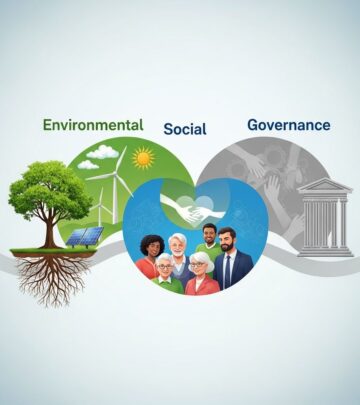
Effective CSR programs typically integrate three essential dimensions: environmental sustainability, social impact, and governance practices. These components work together to create comprehensive strategies that address pressing global challenges while strengthening organizational resilience. Companies that successfully balance these elements demonstrate commitment to ethical operations, transparent decision-making, and measurable positive outcomes.
The environmental dimension focuses on reducing carbon footprints, conserving resources, and promoting sustainable business practices. The social dimension addresses community needs, employee welfare, and equity initiatives. The governance aspect ensures ethical leadership, accountability, and compliance with standards that benefit all stakeholders. Together, these components create a holistic approach to responsible business operation.
Types of Corporate Social Responsibility Initiatives
Organizations implement CSR through diverse strategies tailored to their industry, size, and stakeholder needs. Understanding these different types helps companies select initiatives that align with their core values and create meaningful impact.
Environmental Efforts
Environmental CSR initiatives have become increasingly important as companies recognize their role in addressing climate change and resource depletion. These programs include reducing carbon emissions, implementing recycling programs, minimizing waste, using renewable energy, and developing sustainable products. Companies in industries with significant environmental footprints—such as agriculture, transportation, and energy production—particularly emphasize environmental responsibility to improve their public image and operational efficiency. Many organizations now set ambitious targets like achieving carbon neutrality or net-zero emissions within specific timeframes.
Community Engagement and Philanthropy
Successful CSR programs strengthen connections with local communities through various charitable initiatives. Companies donate cash and in-kind goods to nonprofits, establish community grant programs, and fund local development projects. These efforts demonstrate corporate commitment to addressing community challenges while building positive relationships with residents and local organizations. Annual contributions to charitable causes, company-run charitable groups, and sustainable giving programs—where companies donate a percentage of profits to designated charities—exemplify this commitment.
Employee Volunteering and Engagement
Employee volunteer programs represent a powerful way for companies to create social impact while enhancing workplace culture. Organizations establish structures through which employees can donate their time to community causes, participate in corporate volunteer days, and engage in service activities. Some companies even provide grants for employee volunteer hours, recognizing that time donation is as valuable as financial contributions. These programs foster employee satisfaction, strengthen team bonds, and demonstrate corporate values in action.
Matching Gift Programs
Matching gift programs showcase corporate commitment to employee-directed philanthropy by doubling the amount employees donate to charitable causes. This strategy empowers employees to support causes they personally care about while leveraging corporate resources to amplify impact. Such programs give employees a heightened sense of personal social responsibility while significantly increasing charitable contributions to nonprofits and community organizations.
Sustainable Sourcing and Supply Chain Ethics
Responsible companies extend their CSR commitments throughout their supply chains, ensuring ethical practices from production to delivery. This includes fair labor practices, environmental protection measures, human rights compliance, and transparency in sourcing. By holding suppliers accountable to social and environmental standards, companies ensure that their entire value chain reflects corporate values and contributes to positive impact beyond their direct operations.
Diversity, Equity, and Inclusion
Modern CSR programs increasingly emphasize creating diverse, equitable, and inclusive workplaces. Companies implement inclusive hiring practices, support employees from underrepresented backgrounds, establish employee resource groups, and work to eliminate systemic barriers to advancement. These initiatives recognize that inclusive organizations are more innovative, resilient, and better positioned to serve diverse customer bases and communities.
Social Media and Marketing-Based Initiatives
Companies operating online leverage digital platforms for social good through cause marketing campaigns. Organizations may donate portions of profits to designated charities, allow consumers to direct charitable giving at checkout, and use social media to raise awareness and support humanitarian causes. These efforts demonstrate how modern businesses can harness technology and consumer engagement to amplify social impact.
Real-World Corporate Social Responsibility Examples
Tech Industry Leaders
Microsoft demonstrates comprehensive CSR commitment through employee volunteering initiatives, humanitarian aid programs, digital literacy projects, and ambitious environmental goals including carbon-negative operations and zero-waste targets. Google stands out as an industry leader by maintaining carbon neutrality since 2007 and working toward net-zero emissions across all operations by 2030 powered entirely by renewable energy. The company prioritizes wildlife preservation, racial justice, and economic empowerment alongside environmental sustainability.
Salesforce pioneered the 1-1-1 philanthropic model, committing one percent of product, one percent of equity, and one percent of employee time to communities and nonprofits. This structured approach demonstrates how companies can systematically integrate giving throughout their business model. Amazon pursues energy conservation and carbon neutrality goals, establishing a $2 billion Climate Pledge Fund to accelerate low-carbon innovation while maintaining 13 employee affinity groups that foster inclusion and community impact.
Consumer Goods Companies
Starbucks exemplifies responsible sourcing through its Coffee and Farmer Equity (C.A.F.E.) program, which establishes rigorous standards for transparent, profitable, and sustainable farming while protecting farmer health and wellbeing. The company empowers suppliers to collaborate with farmer support centers, strengthening resilience across the coffee supply chain while prioritizing workers’ rights, water conservation, and biodiversity protection.
Ben & Jerry’s demonstrates that social mission and premium product quality can coexist harmoniously. The company became a certified B Corporation in 2012, achieving recognition for meeting the highest standards of social and environmental performance, public transparency, and legal accountability. TOMS Shoes pioneered the one-for-one business model, donating one pair of shoes for every purchase while committing one-third of profits to grassroots initiatives addressing gun violence, mental health, and sustainability.
Retail and Apparel
Nike focuses CSR efforts on women’s empowerment, disaster relief, supply-chain sustainability, and waste reduction. Walmart and its foundation donated $1.5 billion in philanthropic efforts while collaborating with suppliers to reduce emissions by one gigaton by 2030. The company emphasizes equitable opportunities, food safety, sustainable chemistry, and animal welfare practices. Patagonia channels corporate profits into environmental advocacy while working toward carbon neutrality by 2025 and encouraging customers to repair or upcycle gear through its Worn Wear initiative.
Specialized CSR Innovators
The LEGO Group combines environmental and youth development commitments through initiatives like phasing out single-use plastic in product packaging by 2025 and operating volunteer programs in over two dozen countries. The company became the first—and only—toy company named a World Wildlife Fund Climate Savers Partner, demonstrating industry leadership in sustainability. Chipotle ties executive incentive bonuses to sustainability goals, including increased use of organic, local, and regeneratively grown foods while diverting waste from landfills.
Unilever pursues systematic social and environmental change through its Compass strategy, addressing climate change and inequality by promoting sustainable farming and ensuring all employees earn at least living wages. Cisco surpassed its goal of impacting one billion lives globally through community solutions and partnerships, supporting 140+ climate startups while backing 25+ organizations using artificial intelligence for social good.
Citrix’s Approach
Citrix demonstrates how companies can institutionalize volunteering through its annual global month of service, which has catalyzed charitable endeavors for 12 years. In 2022 alone, the company mobilized over 1,500 employee volunteers across 44 countries partnering with 300+ global nonprofits to create hyperlocal community impact. Citrix combines employee engagement with environmental responsibility, striving to follow the highest environmental standards while promoting carbon neutrality and energy conservation.
Key Benefits of Corporate Social Responsibility
Organizations implementing comprehensive CSR strategies experience multiple advantages extending beyond social impact. Enhanced corporate reputation attracts customers who prefer supporting socially responsible companies, leading to increased brand loyalty and market share. Talented employees increasingly seek employers demonstrating commitment to meaningful work and social impact, making CSR a valuable recruitment and retention tool. Environmental efficiency measures reduce operational costs through waste reduction and energy conservation. Strong community relationships create valuable partnerships that support long-term business resilience and market access.
CSR initiatives also demonstrate leadership in addressing global challenges like climate change, inequality, and social justice, positioning companies as industry leaders and thought innovators. When companies successfully balance growth with social impact, they foster organizational cultures benefiting all stakeholders—employees, shareholders, customers, and communities. This stakeholder-centric approach creates sustainable competitive advantages while contributing meaningfully to societal wellbeing.
Frequently Asked Questions
Q: What is the difference between CSR and corporate philanthropy?
A: While corporate philanthropy involves charitable giving and donations, CSR encompasses a broader business model integrating social and environmental responsibility into core operations, strategy, and decision-making processes. CSR is systemic and strategic, whereas philanthropy is often more project-specific.
Q: How do companies measure CSR impact?
A: Companies measure CSR through various metrics including environmental impact reduction (carbon emissions, waste diversion), social outcomes (lives impacted, communities served), employee engagement (volunteer hours, participation rates), and stakeholder feedback. Many organizations use standardized frameworks and third-party certifications to validate results.
Q: Why is CSR important for business success?
A: CSR enhances corporate reputation, attracts talented employees, builds customer loyalty, improves operational efficiency through sustainable practices, strengthens community relationships, and creates long-term business resilience. Companies balancing profit with purpose demonstrate stronger performance across financial, social, and environmental metrics.
Q: How can small companies implement effective CSR programs?
A: Small companies can start with focused initiatives aligned with their values and capabilities, such as supporting local nonprofits, implementing sustainable practices, establishing volunteer programs, or adopting diverse hiring practices. Even limited resources can create meaningful impact through strategic partnerships and employee engagement.
Q: What role do employees play in CSR initiatives?
A: Employees are essential CSR stakeholders and implementers. Companies engage employees through volunteer opportunities, matching gift programs, employee resource groups, and inclusive workplace policies. When employees feel aligned with corporate social values, they become powerful advocates amplifying CSR impact within and beyond organizations.
References
- 12 Corporate Social Responsibility Examples by Top Brands — Goodera. 2025. https://www.goodera.com/blog/corporate-social-responsibility-examples
- Corporate Social Responsibility (CSR): Types and Examples — Indeed. 2025. https://www.indeed.com/career-advice/career-development/corporate-social-responsibility
- 6 Examples of Corporate Social Responsibility — Harvard Business School Online. 2025. https://online.hbs.edu/blog/post/corporate-social-responsibility-examples
- 5 Examples of Corporate Social Responsibility (CSR) — Oyster HR. 2025. https://www.oysterhr.com/library/corporate-social-responsibility-examples
- What is Corporate Social Responsibility (CSR)? Guide & Examples — Double the Donation. 2025. https://doublethedonation.com/corporate-social-responsibility/
- What is Corporate Social Responsibility (CSR)? — IBM. 2025. https://www.ibm.com/think/topics/corporate-social-responsibility
Similar Articles








Read full bio of Sneha Tete