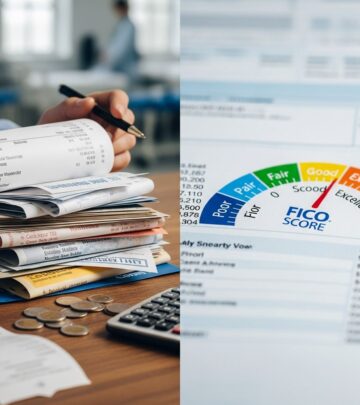
Coronavirus And Personal Credit: 6 Tips To Protect Your Score
Understand how COVID-19 affects your credit report, score, and financial options during economic uncertainty.

The COVID-19 pandemic disrupted economies worldwide, creating unprecedented financial challenges for millions. Job losses, reduced income, and business closures strained household budgets, raising concerns about personal credit health. This article explores how coronavirus affects credit reports and scores, lender relief options, and strategies to safeguard your financial future. Drawing from credit bureau data and economic analyses, we cover key impacts, reporting practices, and actionable advice.
How COVID-19 Affects Your Credit Report and Score
Credit reports and scores reflect repayment history, debt levels, and credit utilization, all of which were tested during the pandemic. Lenders report data to bureaus like Equifax, influencing scores. Missed payments typically harm scores, but pandemic-specific measures mitigated some damage.
Early in the crisis, U.S. households with low credit ratings surprisingly saw score increases. Federal Reserve Bank of Boston analysis of Equifax data from March to September 2020 showed average rises of 16 points for the lowest scores, driven by reduced credit card utilization as spending dropped. Consumers used less of their available credit limits, improving this key score factor.
- Repayment History Information (RHI): On-time payments boost scores; delinquencies lower them. Pandemic deferrals often preserved positive RHI.
- Credit Utilization: Lower usage during lockdowns improved scores, especially for subprime borrowers.
- New Credit and Inquiries: Reduced applications minimized hard inquiries, stabilizing scores.
Philadelphia Fed research tracked Equifax Risk Scores through the pandemic and recovery, noting initial stability followed by fluctuations as stimulus faded. By 2021, scores rebounded for many, but persistent hardship led to variances.
What Happens with Payment Deferrals and Hardship Arrangements?
Lenders offered deferrals, forbearance, and modifications to support borrowers. Reporting practices varied, affecting credit files differently.
| Scenario | Reporting Method | Score Impact |
|---|---|---|
| Up-to-date payments entering deferral | RHI as ‘0’ or up-to-date | No impact; appears current |
| Behind payments entering deferral | Blank or not reported | Neutral or improves over time |
| Up-to-date but blank reporting | Blank RHI | Slight reduction over time |
CARES Act provisions protected mortgage and student loan forbearance from negative reporting, contributing to score stability. Equifax emphasized fair treatment, ensuring COVID-related arrangements didn’t unfairly penalize consumers.
Contacting Lenders: Your First Step in Financial Hardship
If struggling with mortgage, auto loans, credit cards, or personal loans, contact your lender immediately. Most have COVID-19 support pages detailing hardship programs, payment holidays up to six months, and reduced rates.
- Check lender websites first to avoid call center overloads.
- Discuss options like deferrals, lower payments, or interest-only periods.
- Document agreements in writing.
Major banks rolled out packages: repayment pauses, fee waivers, and small business aid. Proactively engaging preserved credit standing.
Tips to Manage and Protect Your Credit During COVID-19
Equifax provided resources like weekly free credit reports (extended through 2021), webinars, and a Consumer Credit Confidence Survey tracking financial sentiment.
- Contact Providers Early: Explore all assistance before missing payments.
- Pay What You Can: Minimum payments prevent late marks; negotiate partial amounts.
- Monitor Your Credit: Access free weekly reports from AnnualCreditReport.com or Equifax.
- Reduce Utilization: Pay down balances to boost scores, as seen in pandemic data.
- Avoid New Debt: Limit applications to preserve inquiries.
- Build Emergency Savings: Prioritize essentials post-stimulus.
Surveys showed cautious optimism by late 2020, with two-thirds initially fearing finance hits, but stimulus and low utilization aided recovery.
Prioritizing Bills When Money is Tight
With income disrupted, triage essentials:
- Secured Debt First: Mortgage/rent, utilities, auto loans—risk asset loss.
- Unsecured Next: Credit cards, personal loans.
- Government Payments: Apply for unemployment, stimulus, rental aid.
Equifax articles advised bill hierarchies, noting utilities often offer extensions.
COVID-19 Financial Assistance and Resources
U.S. programs included CARES Act checks, enhanced unemployment (up to $600 weekly extra), PPP loans, and eviction moratoriums. Equifax’s Resource Center aggregated guides on taxes, scams, and unemployment impacts.
- Stimulus payments: No repayment if ineligible later.
- Tax implications: Home office deductions for remote workers.
- Rental aid: Automated verifications sped eligibility.
Protecting Against Scams and Cyber Threats
Scammers exploited pandemic fears with fake relief offers. Tips:
- Verify contacts via official sites.
- Avoid sharing SSN or bank details unsolicited.
- Watch for phishing emails promising aid.
Equifax warned of rising cyber scams, urging credit freezes.
Credit Score Trends and Recovery Post-Pandemic
Post-2020, credit card balances surged $45 billion to over $1 trillion by 2023, normalizing markets. Low-score households benefited most from utilization drops, but recovery varied.
Equifax’s 2021 Financial Inclusion Survey (1,000+ consumers) revealed shifting views on credit reporting amid pandemic lessons.
Frequently Asked Questions (FAQs)
What if I’m struggling with loan repayments during COVID-19?
Contact your lender ASAP. Check their COVID-19 page for deferrals up to six months. Major banks offer support packages.
How does a payment deferral affect my credit score?
If up-to-date, often no impact (reported as current). Behind payments may see neutral or improved scores if blank-reported.
Why did some credit scores rise during the pandemic?
Lower credit card utilization, especially for low-score households, drove increases (e.g., +16 points).
Can I get free credit reports during COVID-19?
Yes, Equifax offered weekly free reports through 2021; check AnnualCreditReport.com.
How do I prioritize bills if money is tight?
Secured debts (housing, utilities) first, then unsecured. Seek government aid.
Long-Term Financial Resilience
Pandemic insights underscore budgeting, emergency funds (3-6 months expenses), and credit building via secured cards or timely payments. As economies stabilized, proactive monitoring ensured sustained health. Equifax’s tools, like score simulators, aid planning.
(Word count: 1678)
References
- How will COVID-19 impact your credit report and score? — Equifax Australia. 2020. https://www.equifax.com.au/equifax-covid-19-coronavirus-update
- Why did credit scores rise for households with low credit ratings when COVID-19 hit? — Federal Reserve Bank of Boston. 2021-12. https://www.bostonfed.org/news-and-events/news/2021/12/credit-scores-during-coronavirus-pandemic.aspx
- Four Ways That Equifax is Supporting Consumers During COVID — Equifax. 2020. https://www.equifax.com/newsroom/all-news/-/story/four-ways-that-equifax-is-helping-consumers-navigate-covid/
- Consumer Credit Score Dynamics During the COVID-19 Pandemic — Federal Reserve Bank of Philadelphia. 2024-04. https://www.philadelphiafed.org/-/media/frbp/assets/community-development/reports/credit-dynamics-brief-april-2024.pdf
- Equifax Delivers Solutions to Help Customers and Consumers — Equifax Investor Relations. 2020. https://investor.equifax.com/news-events/press-releases/detail/59/equifax-delivers-solutions-to-help-customers-and-consumers
Similar Articles








Read full bio of medha deb