Cornell University: Profile, Rankings & Data
Discover Cornell University's rankings, costs, financial aid, and career outcomes for prospective students.
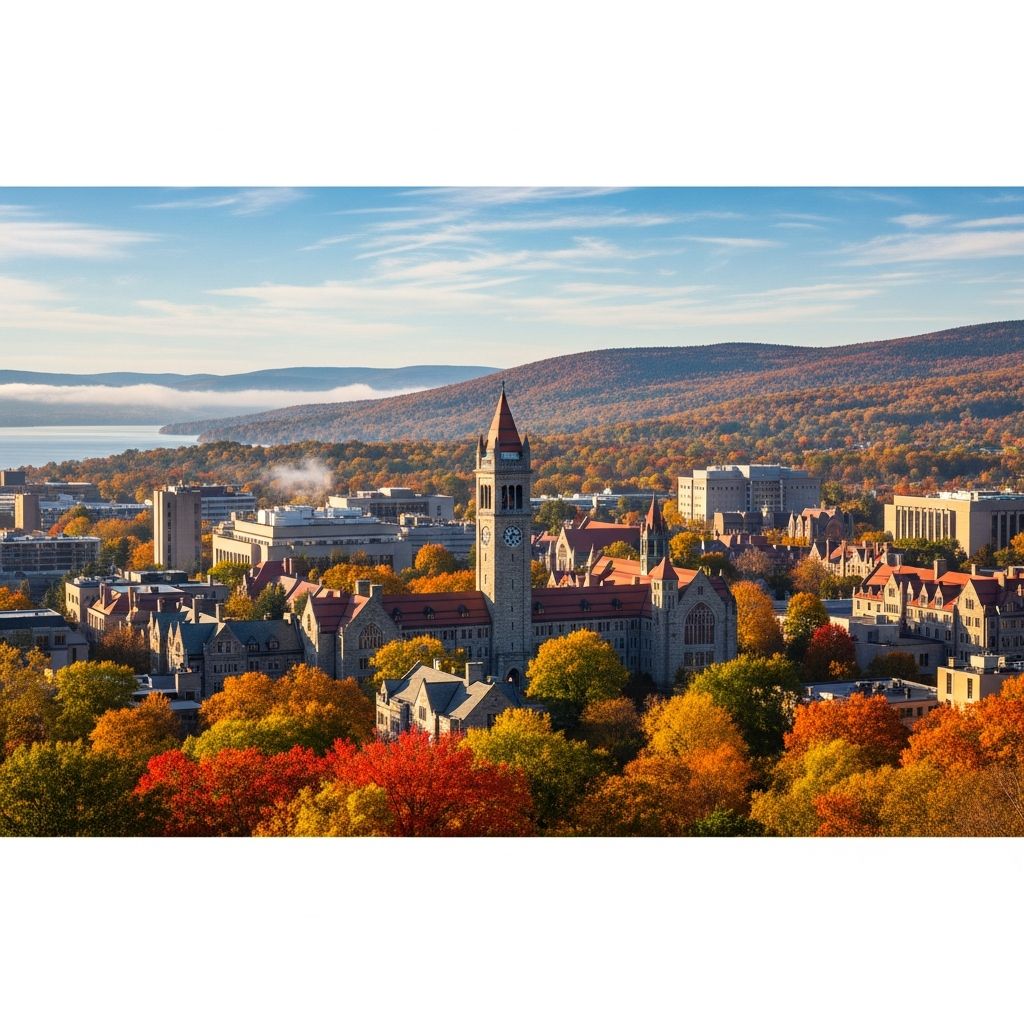
Cornell University stands as a distinctive institution within the Ivy League, known for its unique public-private hybrid structure and exceptional educational opportunities. Located in Ithaca, New York, Cornell offers a comprehensive higher education experience that combines rigorous academics with practical career preparation, making it one of the most sought-after universities in America.
Overview and Institutional Character
Cornell maintains a reputation as the largest and typically the least selective of the Ivy League institutions, reflecting its commitment to accessibility while maintaining rigorous academic standards. The university accepts approximately 7.5% of applicants into its 15,000-person undergraduate population, demonstrating its competitive admissions process despite being more accessible than some peer institutions. This selective yet relatively open approach allows Cornell to attract talented students from diverse backgrounds while maintaining the academic excellence expected of an Ivy League education.
What sets Cornell apart is its unique position as a public-private hybrid institution. New York State residents enjoy significant tuition advantages when enrolling in certain Cornell colleges, paying approximately $20,000 annually less than out-of-state and international students. This distinctive structure allows the university to serve both state residents and students from across the nation and world, creating a diverse and vibrant campus community.
Academic Excellence and Program Strengths
Cornell’s academic reputation extends across multiple disciplines, with particularly strong programs in specific areas that have earned national recognition and acclaim.
College of Arts and Sciences
The College of Arts and Sciences represents one of Cornell’s most highly respected divisions, offering comprehensive liberal arts education combined with rigorous research opportunities. This college provides students with a strong foundation in humanities, social sciences, natural sciences, and mathematics, preparing them for diverse career paths in academia, research, business, and public service.
Architecture and Hotel Administration
Beyond the traditional liberal arts, Cornell houses specialized programs considered leaders in their respective fields. The architecture program provides cutting-edge design education with emphasis on sustainable practice and innovative thinking. The School of Hotel Administration stands as one of the premier hospitality management programs globally, consistently producing industry leaders in hotel management, restaurant operations, and hospitality entrepreneurship.
Admissions and Enrollment Data
Understanding Cornell’s admissions landscape helps prospective students gauge their competitiveness and prepare appropriately for the application process.
Acceptance Rates
Cornell’s acceptance rate of 7.5% reflects its highly selective nature, though this remains higher than several peer institutions within the Ivy League. This relatively accessible acceptance rate, compared to other elite universities, demonstrates Cornell’s commitment to recruiting talent from various backgrounds and socioeconomic circumstances.
Undergraduate Population
With approximately 15,000 undergraduates, Cornell maintains one of the largest undergraduate populations among Ivy League schools. This larger student body fosters a dynamic community with diverse perspectives, research opportunities, and networking connections that benefit students throughout their academic careers and beyond.
Cost of Attendance and Tuition
Understanding the financial investment required for a Cornell education is essential for prospective students and families planning their higher education budget.
Estimated Cost of Attendance 2025-26 Academic Year
| Expense Category | Annual Amount |
|---|---|
| Tuition | $71,266 |
| Mandatory Fees | $1,004 |
| Housing | $13,246 |
| Food | $7,328 |
| Total Billed by Cornell | $92,844 |
The sticker price of approximately $92,844 annually represents the total estimated cost of attendance before financial aid. However, it is important to note that most students receive some form of financial assistance that reduces this amount significantly.
Regional Tuition Advantages
New York State residents attending designated Cornell colleges benefit from substantially reduced tuition, paying approximately $20,000 less annually than their out-of-state counterparts. This public component of Cornell’s mission ensures that talented New York residents can access an Ivy League education at a more affordable price point.
Financial Aid and Affordability
Cornell prioritizes making education accessible through comprehensive financial aid programs that support students across all income levels.
Institutional Grant and Scholarship Support
For the 2025-2026 academic year, Cornell allocated a record $463 million in institutional grants and scholarship aid that does not require repayment. This substantial commitment to financial aid demonstrates the university’s dedication to affordability and demonstrates that Cornell is more accessible for aided students than it was two decades ago. The endowment’s contribution to financial aid, research, academic programs, and faculty salaries underscores the institution’s commitment to educational excellence and accessibility.
Endowment Performance and Financial Stability
Cornell reported a 12.3 percent return on its endowment for the 2025 fiscal year, with the endowment’s total value rising from $10.7 billion in fiscal year 2024 to approximately $11.8 billion. This strong investment performance provides the university with resources to maintain financial aid commitments and support academic operations. In fiscal year 2025, the endowment contributed $439 million toward Cornell’s financial aid, research, academic programs, faculty salaries and facilities expenses.
Career Outcomes and Alumni Success
One of Cornell’s most compelling value propositions is the strong career prospects for its graduates, who consistently secure high-paying positions in their fields.
Median Alumni Salary
Recent Cornell graduates demonstrate exceptional career success, with a median annual salary of approximately $104,000 ten years after enrolling at the university. This salary level significantly exceeds the national average for bachelor’s degree holders and reflects the quality of Cornell’s education and the market value of a Cornell degree in competitive job markets.
Employment and Career Support
The strong salary outcomes reflect not only Cornell’s rigorous academic preparation but also the university’s robust career services, alumni networks, and reputation among employers. Cornell graduates work across diverse industries including finance, technology, engineering, consulting, hospitality management, and public service, leveraging their education for career advancement and professional success.
Academic Quality and Graduation Rates
Cornell maintains high academic standards reflected in strong graduation rates and completion metrics that indicate student success and institutional effectiveness.
Graduation Rate Performance
Cornell’s graduation rate reflects the quality of both the student body and the academic support systems available to students. The university’s commitment to undergraduate success includes academic advising, tutoring services, research opportunities, and mentoring relationships with faculty that support student achievement and timely degree completion.
Academic Rigor and Peer Quality
The university attracts intellectually gifted students who contribute to a rigorous academic environment. Class discussions, group projects, and collaborative learning experiences benefit from the high caliber of the student body, creating an intellectually stimulating community where students challenge and learn from one another.
Recognition and Rankings
Cornell’s institutional quality receives recognition from major ranking organizations that evaluate universities on multiple dimensions of excellence.
Money Magazine Rankings
Cornell earned a five-star rating from Money Magazine’s Best Colleges rankings, placing it among the elite institutions in America. Out of 732 schools evaluated, only 40 earned five-star ratings, with Cornell being one of only two New York schools achieving this distinction alongside Columbia University. The evaluation considered three primary categories: Quality of Education (30%), Affordability (40%), and Outcomes (30%), using 25 specific factors including graduation rates, peer quality, instructor access, net price, debt levels, earnings potential, and economic mobility.
The Cornell Experience
Campus and Community
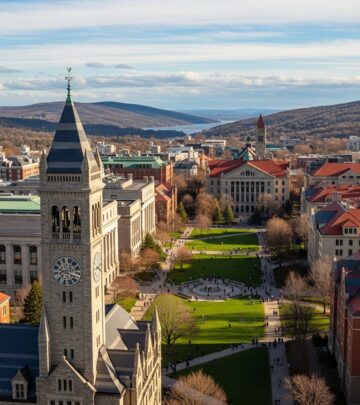
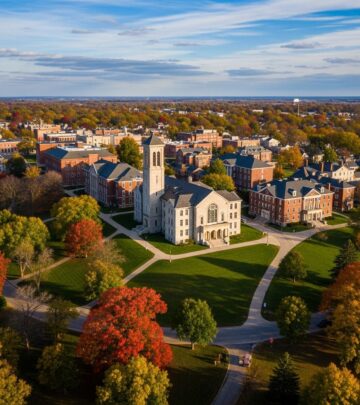
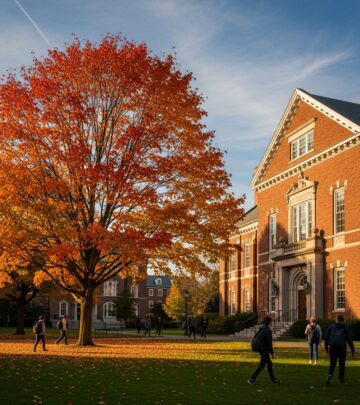
Located in Ithaca, New York, Cornell’s beautiful campus sits on 745 acres featuring gorges, waterfalls, and natural beauty that enhance the college experience. The campus environment promotes both academic engagement and personal growth, with numerous student organizations, cultural events, and recreational opportunities available to the undergraduate community.
Residential Life
Cornell provides on-campus housing for undergraduates, with annual housing costs of $13,246. The residential experience facilitates community building, peer mentoring, and the development of lasting friendships that enhance the overall educational experience.
Diversity and Inclusion
Cornell’s commitment to diversity is reflected in its recruitment and enrollment practices, which seek to build a student body representing various racial, ethnic, socioeconomic, and geographic backgrounds. This diversity enriches the academic and social environment, exposing students to different perspectives and preparing them for participation in an increasingly pluralistic society.
Research Opportunities
As a research university, Cornell provides exceptional opportunities for undergraduate students to engage in faculty-led research across disciplines. These experiences develop critical thinking skills, scientific methodology, and independent thinking that prepare students for graduate education or professional careers requiring research expertise.
Frequently Asked Questions
Q: What makes Cornell different from other Ivy League universities?
A: Cornell’s unique public-private hybrid structure distinguishes it within the Ivy League. New York State residents can attend certain colleges at reduced tuition, and Cornell maintains one of the largest undergraduate populations among Ivies while remaining highly selective. Its specialized programs in architecture and hotel administration are considered leaders in their fields.
Q: How selective is Cornell’s admissions process?
A: Cornell accepts approximately 7.5% of applicants, making it highly selective. However, this acceptance rate is typically higher than several peer Ivy League institutions, reflecting Cornell’s commitment to accessibility while maintaining rigorous academic standards.
Q: What is the total cost to attend Cornell?
A: The estimated total cost of attendance for 2025-26 is approximately $92,844 annually, including tuition ($71,266), mandatory fees ($1,004), housing ($13,246), and food ($7,328). However, most students receive financial aid that significantly reduces this amount. New York State residents pay approximately $20,000 less annually in certain colleges.
Q: How much financial aid does Cornell provide?
A: For 2025-2026, Cornell allocated a record $463 million in institutional grants and scholarship aid that does not require repayment. The university is committed to making education affordable, with most aided students paying less than they did two decades ago.
Q: What are Cornell graduates’ career prospects?
A: Cornell graduates enjoy strong career outcomes, with a median annual salary of approximately $104,000 ten years after enrollment. Graduates work across diverse industries and the university’s reputation among employers supports successful job placement and career advancement.
Q: What is the median salary 10 years after graduating from Cornell?
A: The median annual salary for Cornell graduates ten years after enrollment is approximately $104,000, reflecting the strong return on investment and market value of a Cornell degree in competitive professional fields.
Q: Does Cornell offer merit scholarships?
A: Cornell’s financial aid packages combine institutional grants, scholarships, and need-based aid to make education affordable. The university does not offer merit-only scholarships but provides comprehensive need-based financial assistance based on family financial circumstances.
References
- Cornell Endowment Sees 12.3 Percent Return, Boosting University Support for Students and Research — Cornell Sun. 2025-10-08. https://www.cornellsun.com/article/2025/10/cornell-endowment-sees-12-3-percent-return-boosting-university-support-for-students-and-research
- Cost to Attend — Cornell University Financial Aid Office. 2025. https://finaid.cornell.edu/cost-to-attend
- 2025 Best Colleges in U.S. — Money Magazine. 2025. https://money.com/best-colleges/
- Money just ranked the best colleges in America: See which NY schools made the cut — Democrat and Chronicle. 2025-07-11. https://www.democratandchronicle.com/story/news/2025/07/11/money-just-ranked-the-best-colleges-in-america-see-which-ny-schools-made-the-cut/84502260007/
- Common Data Set 2024-2025 — Cornell University Institutional Research & Planning. 2025-04. https://irp.dpb.cornell.edu/wp-content/uploads/2025/04/CDS-2024-2025-v2.pdf
Similar Articles








Read full bio of medha deb