Cornell College, IA: Profile, Rankings & Admissions
Complete guide to Cornell College: admissions, costs, financial aid, and career outcomes.
Cornell College, IA: Complete Profile, Rankings and Data
Cornell College, located in Mount Vernon, Iowa, is a private liberal arts institution recognized among America’s best colleges. As a selective liberal arts college, Cornell College offers a distinctive educational experience through its innovative One Course At A Time curricular model, setting it apart from traditional college structures. This comprehensive profile covers everything prospective students need to know about admissions, costs, financial aid, academic performance, and career outcomes.
About Cornell College
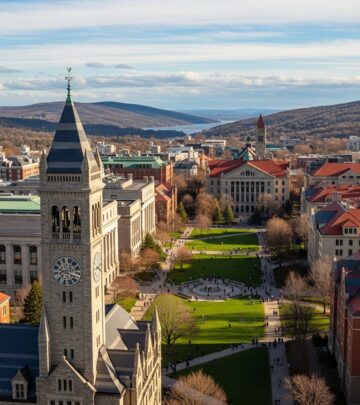
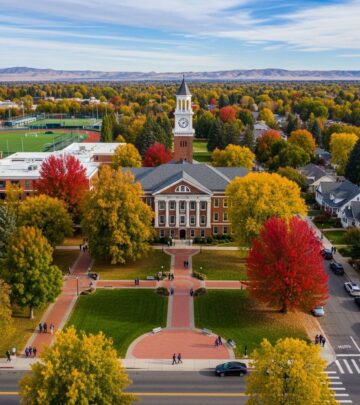
Cornell College is a private liberal arts college situated in the vibrant college town of Mount Vernon, Iowa. The institution distinguishes itself through its unique block schedule system, where students focus on one course at a time rather than juggling multiple classes simultaneously. This pedagogical approach allows for deeper engagement with course material and fosters meaningful interactions between faculty and students. The college has established itself as a leader in liberal arts education, consistently ranked among the best small colleges in the United States.
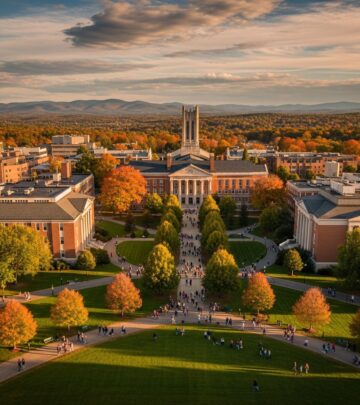
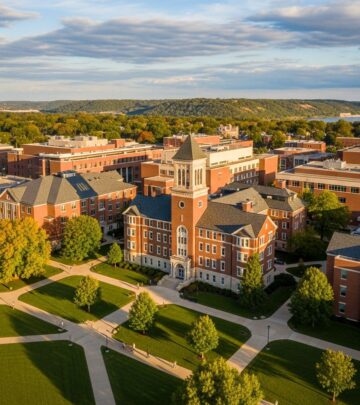
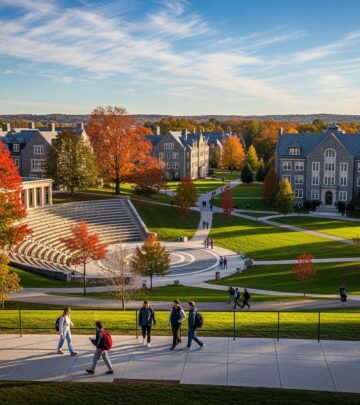
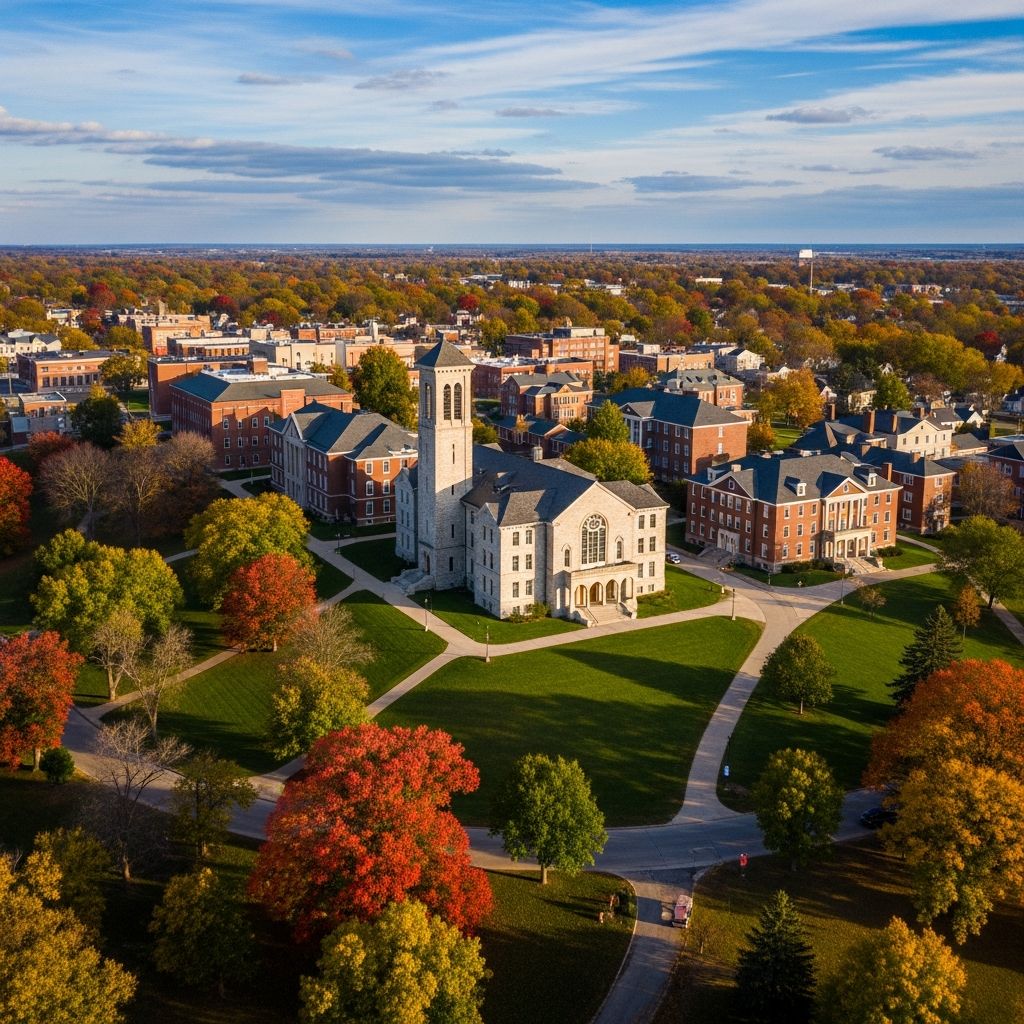
The campus serves as a colorful neighborhood hub for intellectual and social engagement. With its emphasis on personalized education and innovative teaching methods, Cornell College attracts students seeking a distinctive college experience that prioritizes quality instruction and close faculty-student relationships.
Admissions and Acceptance Rates
Cornell College maintains an 81% acceptance rate, making it accessible to a broader range of students while still maintaining academic standards. This acceptance rate reflects the college’s commitment to enrolling qualified students who demonstrate potential for success in its rigorous academic environment. The relatively straightforward admissions process does not diminish the college’s academic rigor or the quality of education provided to enrolled students.
Prospective students should note that while the acceptance rate is moderately high, admitted students typically demonstrate strong academic preparation and engagement in their high school coursework. The college welcomes applications from high school seniors, transfer students with various levels of completed coursework, and international students seeking an American liberal arts education.
Undergraduate Population and Campus Life
Cornell College enrolls a diverse student body of engaged learners committed to intellectual growth and personal development. The college’s location in Mount Vernon positions it within one of the nation’s notable college towns, creating a vibrant atmosphere for undergraduate life. The presence of nearby Ithaca College contributes to a robust college-age population in the region, resulting in numerous cultural, dining, and recreational opportunities for students.
Campus traditions play an important role in student life at Cornell College. Students participate in various celebrations and events throughout the academic year that foster community bonds and create lasting memories. The college encourages students to explore campus life beyond the classroom, including participation in clubs, organizations, and outdoor recreation activities available in the Iowa community.
Academic Programs and Majors
Cornell College offers a comprehensive array of academic programs across multiple disciplines within its liberal arts framework. The college encourages students to pursue ambitious educational goals, including double majoring when students demonstrate exceptional motivation and capability. Many Cornell College students structure their academic careers to combine multiple fields of study, integrating knowledge across disciplines and developing versatile skill sets valued in the modern workforce.
The One Course At A Time model enables students to immerse themselves fully in each subject matter. This concentrated study approach allows for intensive projects, field experiences, and deep intellectual engagement that might be difficult to achieve in traditional multi-course semester structures. Faculty members design courses to maximize student learning and critical thinking skills.
Tuition and Cost of Attendance
For the 2025-2026 academic year, Cornell College’s tuition and fees reflect current pricing as reported to the Integrated Postsecondary Education Data System (IPEDS), with inflation adjustments applied to estimate costs for the upcoming academic year. The college provides transparent pricing information to help families understand the full cost of attendance.
The sticker price of attendance represents only the starting point for most families. Cornell College emphasizes that actual out-of-pocket costs for many students are substantially lower once merit scholarships and need-based grants are factored into the equation. This distinction between listed price and actual affordability is crucial for families evaluating college options.
Financial Aid and Scholarships
Cornell College demonstrates a strong commitment to financial accessibility through comprehensive aid packages. Notably, 100% of students who demonstrate financial need receive need-based grants, ensuring that financial constraints do not prevent qualified students from attending. This universal need-based grant distribution represents a significant institutional commitment to affordability.
Beyond need-based aid, Cornell College awards merit scholarships to recognize academic achievement and talent. Students who receive merit grants are full-time undergraduates who demonstrated exceptional qualifications but had no demonstrated financial need according to the college’s financial aid evaluation process. The combination of need-based grants and merit scholarships creates a comprehensive financial aid ecosystem designed to make Cornell College affordable for qualified students.
Families are encouraged to complete the Free Application for Federal Student Aid (FAFSA) and contact the financial aid office to discuss personalized financial packages. The college’s financial aid professionals work collaboratively with families to identify all available funding sources and develop realistic payment plans.
Graduation Rates and Student Success
Cornell College reports a 65% graduation rate, measuring degree completion within six years for both transfer students and first-time students. This metric provides an important indicator of student persistence and academic success at the institution. The graduation rate reflects the college’s support systems, academic advising, and student engagement initiatives designed to foster persistence toward degree completion.
The college recognizes that student success encompasses more than graduation rates alone. Support services, academic advising, career counseling, and peer mentoring all contribute to student retention and successful degree completion. Cornell College continues to refine these support systems to enhance student outcomes and ensure that students achieve their educational and career goals.
Career Outcomes and Alumni Earnings
Cornell College graduates demonstrate strong career outcomes following their undergraduate education. According to comprehensive earnings data, 68% of graduates earn more than a high school graduate ten years after first enrolling at the college. This statistic underscores the economic value of a Cornell College degree and the institution’s success in preparing students for financially rewarding careers.
Early career earnings data captures both graduates who successfully completed their degrees and non-completers ten years after initial enrollment, providing a realistic picture of outcomes across the student population. This comprehensive approach to measuring success acknowledges that educational value extends beyond those who finish their degrees, recognizing the career benefits gained through partial college completion.
Cornell College alumni pursue diverse career paths across multiple industries and sectors. The liberal arts education emphasizes critical thinking, communication, and adaptability—skills that employers across industries value highly. Career services at Cornell College help students develop professional networks and connect with alumni working in fields of student interest.
Academic Excellence and Distinctive Features
The One Course At A Time model represents Cornell College’s most distinctive academic feature. Unlike traditional colleges where students manage four to five courses simultaneously, Cornell College students dedicate their full attention to one subject at a time. This concentrated approach allows for:
– Enhanced classroom engagement and meaningful discussions
– Opportunity for intensive research projects and field experiences
– Reduced student stress through focused academic work
– Improved student-faculty interaction and mentorship
– Better integration of learning across disciplines
This pedagogical innovation has garnered attention from education researchers and has been recognized as an effective approach to undergraduate liberal arts education. Students report that the block schedule enables deeper learning and stronger connections with peers in each course community.
Admissions Process and Application Requirements
Cornell College welcomes applications from multiple student populations. High school seniors can begin their application process through the standard admission pathway, which evaluates academic preparation, test scores, essays, and extracurricular involvement. Transfer students who have completed college coursework—from a handful of credits to completed Associate degrees—are actively encouraged to apply. The college recognizes that transfer students bring valuable perspectives and experiences to campus.
International students represent an important part of the Cornell College community. The college provides support and guidance for international applicants navigating visa requirements, financial aid opportunities specific to international students, and transition services. The presence of international students enriches campus diversity and creates global learning opportunities for all students.
Campus Visits and Engagement Opportunities
Prospective students are encouraged to visit Cornell College to experience campus life firsthand. The college offers multiple visit options including in-person campus tours, virtual individual visits, and scheduled virtual events that accommodate different scheduling needs and geographic locations. Campus visits provide valuable opportunities to meet current students and faculty, tour facilities, and ask questions about academic programs and campus life.
Visiting campus allows prospective students to experience Mount Vernon and understand the college’s location within the broader community context. Many students report that visiting campus significantly influences their college decision, as it provides an authentic sense of the institution’s culture and community.
Financial Planning and Affordability
Cornell College emphasizes that sticker price should not discourage interested students from applying. The actual cost of attendance for many families is substantially lower than the published tuition rate. Financial aid packages, scholarships, and grants significantly reduce out-of-pocket costs for most enrolled students.
Financial aid professionals recommend that families use college cost calculators, complete the FAFSA, and initiate conversations with Cornell College’s financial aid office early in the college search process. Understanding true out-of-pocket costs helps families make informed decisions about college affordability and evaluate Cornell College within the context of other educational options.
Frequently Asked Questions
Q: What is the One Course At A Time curriculum model?
A: Cornell College’s signature academic structure allows students to focus on a single course for an intensive period rather than managing multiple courses simultaneously. This approach enables deeper engagement with material, enhanced student-faculty interaction, and opportunities for immersive learning experiences.
Q: What is Cornell College’s acceptance rate?
A: Cornell College maintains an 81% acceptance rate, making it accessible to qualified students while maintaining academic standards for admitted students.
Q: Do all students receive financial aid at Cornell College?
A: Cornell College guarantees that 100% of students with demonstrated financial need receive need-based grants. Additionally, merit scholarships are available for academically qualified students.
Q: What is the graduation rate at Cornell College?
A: Cornell College reports a 65% graduation rate, measuring degree completion within six years for both first-time and transfer students.
Q: How much do Cornell College graduates earn after college?
A: Approximately 68% of Cornell College students earn more than a high school graduate ten years after initially enrolling, demonstrating strong return on educational investment.
Q: Does Cornell College accept transfer students?
A: Yes, Cornell College actively welcomes transfer students with various amounts of completed college coursework, from a few credits through completed Associate degrees.
Q: Are international students accepted at Cornell College?
A: Cornell College welcomes international students and provides support throughout the application and enrollment process, including visa guidance and financial aid opportunities.
Data Sources and Methodology
The information provided in this profile comes from multiple authoritative sources including the U.S. Department of Education, Peterson’s college database, and Money/Witlytic calculations. Acceptance rates, graduation rates, and earnings data follow standardized definitions to ensure comparability across institutions. Financial data for 2025-2026 represents the most recently available information reported to IPEDS with inflation adjustments applied to estimate upcoming year prices.
References
- Cornell College – This. Is our block – Study One Course At A Time — Cornell College. 2025. https://www.cornellcollege.edu
- Cornell College, IA – Complete Profile, Rankings and Data — Money Magazine. 2025. https://money.com/best-colleges/profile/cornell-college/
- Integrated Postsecondary Education Data System (IPEDS) — U.S. Department of Education, National Center for Education Statistics. 2025. https://nces.ed.gov/ipeds/
- Peterson’s College Database — Peterson’s Educational Services. 2025. https://www.petersons.com/
Similar Articles








Read full bio of medha deb