Credit Card Design: 6 Trends From Metal Cards To LED Lights
Metal cards with LED lights and custom artwork are becoming the ultimate statement pieces for modern consumers.
Your Next Credit Card Might Be Metal With Flashing LED Lights
When evaluating credit cards, consumers traditionally focus on interest rates, annual fees, and attractive perks like cash back rewards. However, a significant shift in consumer priorities is occurring. Today’s cardholders increasingly care about aesthetics and design elements that make their payment methods stand out. According to research from IDEMIA, a leading biometrics and payments firm, the physical appearance of a credit card—including material composition and custom features—has become increasingly important to U.S. consumers. This emerging trend reflects a broader cultural shift where financial tools are no longer purely functional; they are becoming fashion statements and status symbols that consumers proudly display.
The Rising Importance of Credit Card Aesthetics
The significance of credit card design in consumer decision-making cannot be overstated. IDEMIA’s exclusive study with Money reveals a compelling trend: Americans are no longer satisfied with ordinary credit cards. They want their payment methods to be conversation starters—pieces that reflect their personal style and identity. This desire for distinctive cards has translated into concrete consumer behavior, with many willing to pay premium prices for cards that offer unique design elements.
James Sufrin, senior vice president of IDEMIA’s North American payments division, provides valuable insight into this psychological shift. He notes that while most Americans (60%) have adopted digital payment methods like Apple Pay, Google Pay, and banking apps, people still expect and want physical cards. The adoption of digital payments initially created a “wow factor” that attracted attention at checkout counters. However, as mobile payments have become commonplace and lost their novelty appeal, consumers are redirecting their desire for distinctive payment experiences toward physically impressive credit cards with innovative designs.
Metal Credit Cards: The Trend Leading the Pack
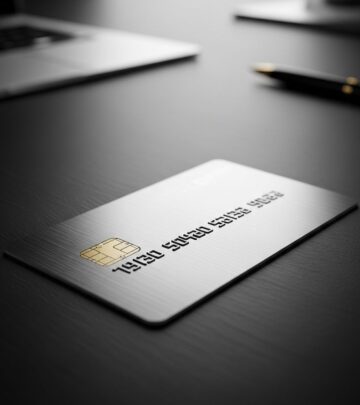
Among all emerging design trends, metal credit cards have captured consumer imagination most dramatically. IDEMIA’s research findings indicate that 8 in 10 respondents express interest in obtaining a metal credit card. This overwhelming enthusiasm spans multiple demographic groups, though one finding particularly stands out: younger consumers, specifically Gen Zers and millennials, are driving the metallic credit card movement. Even more notably, these younger consumers frequently demonstrate willingness to pay premium annual fees to access metal card options.
Several major card providers have recognized this trend and are capitalizing on consumer demand. Capital One SavorOne and Chase Sapphire Preferred both offer metal versions of their popular rewards cards, each carrying a $95 annual fee. The supply of annual-fee-free metal cards remains relatively limited, with the titanium Apple Card standing out as a notable exception that successfully combines premium materials with no associated annual cost.
The appeal of metal credit cards extends beyond mere novelty. Consumers cite the primary motivation as wanting to “feel special,” according to Sufrin. The weight, durability, and premium feel of metal cards create a tangible sense of exclusivity and status that plastic cards cannot replicate. This psychological appeal explains why consumers are willing to invest additional money for this material upgrade.
Beyond Metal: Popular Credit Card Design Features
While metal materials dominate consumer interest, several other design features are generating significant demand among cardholders seeking distinctive payment methods. Understanding these features provides insight into what consumers value in modern credit cards:
Colored Edges
One of the most popular design features is colored edges that make cards stand out when stacked in a wallet. This simple yet effective design element provides visual distinction without fundamentally altering the card’s functionality. Discover It offers an accessible no-annual-fee option featuring this design element, demonstrating that premium aesthetics need not accompany high fees.
Numberless Card Designs
Numberless cards, which hide the card number within a mobile app for enhanced security and privacy, are generating substantial consumer interest. This design approach appeals to security-conscious cardholders while creating a sleek, minimalist aesthetic that differs dramatically from traditional card layouts.
Custom Artwork and Personalization
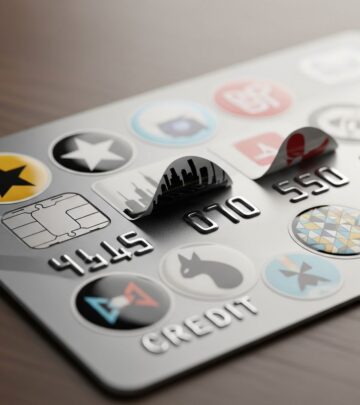
The ability to customize a card’s artwork represents another highly sought feature. Personalization enables cardholders to express individual identity and preferences through their payment methods, transforming functional financial tools into extensions of personal brand and style.
Vertical Card Orientation
Vertical orientation represents an unconventional design choice that distinguishes cards from standard horizontal layouts. This departure from industry norms creates distinctive visual appeal and generates interest among consumers seeking truly unique payment experiences.
LED Light Technology
Perhaps the most futuristic design feature is an LED light that flashes when paying at a terminal. This technology-forward element combines functionality with aesthetic appeal, creating an interactive payment experience that captures attention and generates conversation.
Design Features Summary Table
| Design Feature | Consumer Appeal | Availability |
|---|---|---|
| Metal Material | Premium feel, status symbol, durability | Capital One SavorOne, Chase Sapphire, Apple Card |
| Colored Edges | Visual distinction in wallet | Discover It (no annual fee) |
| Numberless Design | Security, privacy, minimalist aesthetic | Growing availability |
| Custom Artwork | Personal expression, brand alignment | Multiple card issuers |
| Vertical Orientation | Unconventional, distinctive appearance | Limited availability |
| LED Lights | Interactive, futuristic, conversation starter | Emerging options |
The Future of Payments in the Palm of Your Hand
While decorative credit cards currently represent the cutting edge of consumer payment preferences, the evolution of payment technology continues advancing. Industry experts envision an even more radical transformation in how consumers make transactions in coming years. According to Sufrin, biometric payments represent the next frontier in payment innovation.
Biometric payment methods—enabling transactions through fingerprint, facial recognition, iris scanning, or palm recognition—offer unprecedented convenience and security. Currently, Americans display more reluctance toward adopting biometric payment technology compared to consumers in other global markets. However, international developments suggest this technology is advancing rapidly regardless of current American adoption rates.
In Europe, Mastercard is partnering with Polish fintech companies to deploy iris-scanning payment technology. Meanwhile, AliPay, the Chinese payment platform, continues expanding facial recognition payment capabilities throughout Asia. These developments demonstrate that biometric payment infrastructure is being actively built and deployed globally, even as North American adoption lags behind.
Sufrin acknowledges that complete transition to biometric payments may require “years, if not decades.” However, he expresses confidence in the eventual adoption of these technologies, noting that “customer convenience at the end of the day is going to win out. And I can’t think of a more convenient way to pay than with my fingerprint, my palm or perhaps my retina.”
What This Means for Consumers and Financial Institutions
The emergence of credit card design as a significant consumer consideration creates both opportunities and challenges for financial institutions. For consumers, it means access to increasingly personalized and aesthetically appealing payment options that align with individual preferences and identity. For card issuers, it necessitates investment in design innovation and customization capabilities to remain competitive in an increasingly crowded market.
The trend also reflects broader consumer desires for self-expression and personalization across all product categories. In an era where consumers customize everything from smartphones to sneakers, demanding customizable credit cards represents a natural extension of this cultural phenomenon. Financial institutions that successfully deliver distinctive, personalized payment experiences will likely capture disproportionate market share among younger, design-conscious consumers.
The Psychology Behind the Premium Card Movement
Understanding why consumers willingly pay premiums for metal and decorative credit cards requires examining deeper psychological motivations. Beyond the surface-level desire to “feel special,” several psychological factors drive this trend. Status signaling represents one powerful motivator—displaying a premium metal card communicates wealth, taste, and sophistication to observers. Additionally, the tactile experience of handling a substantial metal card creates psychological satisfaction that thin plastic cards cannot match. Finally, the personalization aspect taps into fundamental human desires for autonomy and self-expression.
Frequently Asked Questions
Q: Are metal credit cards actually more durable than plastic cards?
A: Yes, metal credit cards are generally more durable than plastic cards. Metal materials resist bending, cracking, and wear better than traditional plastic, potentially extending the card’s functional lifespan. However, this durability advantage must be weighed against the higher replacement costs if a metal card is lost or damaged.
Q: Do LED lights on credit cards drain the battery quickly?
A: LED credit cards are designed with sophisticated power management systems to minimize battery drain. The LED lights typically activate only during payment transactions, limiting energy consumption. Battery longevity depends on payment frequency and specific card technology, but modern LED cards are engineered for extended use before requiring replacement.
Q: Can I customize the artwork on any credit card?
A: Customization availability varies by card issuer. While some major credit card companies now offer customization options, not all cards support this feature. Consumers interested in customizable designs should check with their specific card issuer or explore premium rewards cards that typically offer this service.
Q: Are numberless credit cards less secure than traditional cards?
A: Numberless credit cards are actually designed to enhance security by eliminating visible card numbers that could be compromised through photography or physical inspection. The card number is accessible only through the corresponding mobile app, reducing fraud risk from physical card viewing. This design represents a security improvement over traditional card layouts.
Q: When will biometric payment methods become widely available?
A: Industry experts estimate the widespread adoption of biometric payments in the United States could take years or even decades. However, the infrastructure is already being deployed in international markets. American consumers may see increasing biometric payment options within the next 3-5 years, with broader adoption likely by the early 2030s.
References
- Your Next Credit Card Might Be Metal With Flashing LED Lights — Money. 2024. https://money.com/cool-credit-card-design-trends/
Similar Articles








Read full bio of medha deb