Convert Traditional 401(k) to Roth: Smart Move?
Explore the tax implications, benefits, and risks of rolling over your traditional 401(k) to a Roth 401(k) for long-term retirement gains.

Converting a traditional 401(k) to a Roth 401(k) means paying taxes now on the transferred amount for tax-free qualified withdrawals later. This strategy suits those expecting higher future tax rates or wanting flexibility in retirement.
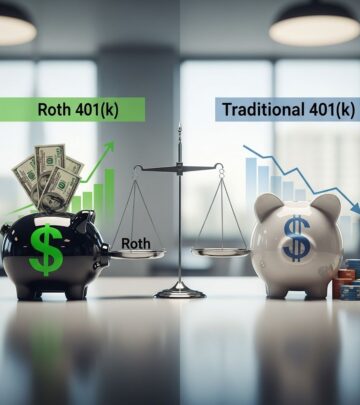
Understanding the Core Differences Between Traditional and Roth 401(k)s
Traditional 401(k) plans allow pre-tax contributions that lower your current taxable income, with growth deferred from taxes until withdrawal, when funds are taxed as ordinary income. Roth 401(k)s use after-tax dollars, so no immediate deduction, but qualified distributions—including earnings—are entirely tax-free after age 59½ and a five-year holding period.
Both plans share identical contribution limits: $24,500 in 2026 for those under 50, plus $8,000 catch-up for age 50+, and a super catch-up of $11,250 for ages 60-63 under the Secure 2.0 Act. Employer matches always go into the traditional pre-tax side, taxed later.
| Feature | Roth 401(k) | Traditional 401(k) |
|---|---|---|
| Contributions | After-tax | Pre-tax |
| Tax on Growth | Tax-free if qualified | Taxed on withdrawal |
| 2026 Limit (under 50) | $24,500 combined | $24,500 combined |
| RMDs | None during lifetime (post-2024) | Required at age 73 |
| Early Withdrawal | Contributions anytime; earnings penalized pre-59½ | Taxed + 10% penalty pre-59½ |
Why Consider a Conversion from Traditional to Roth?
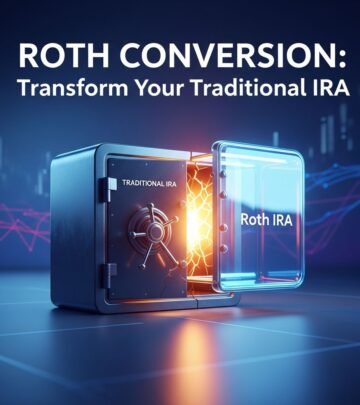
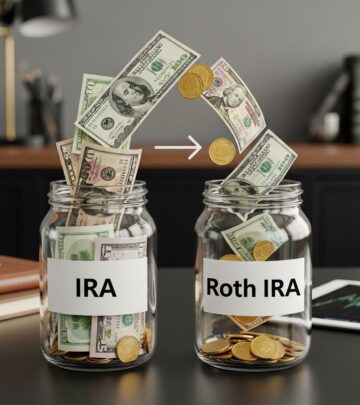
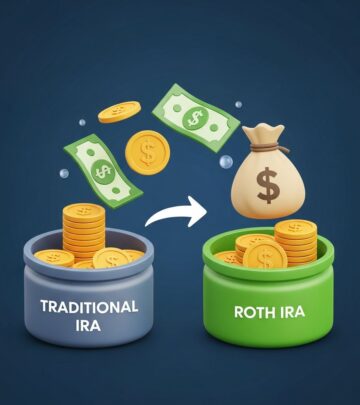
A conversion, often called an in-plan Roth rollover, shifts pre-tax funds to Roth status by paying income taxes on the amount moved. This locks in current tax rates for future tax-free access, ideal if you anticipate higher brackets in retirement due to rising income, policy changes, or low deductions.
- Hedge Against Tax Increases: Pay today’s potentially lower rates instead of tomorrow’s higher ones.
- Tax-Free Inheritance: Heirs receive distributions tax-free, unlike traditional accounts.
- No Lifetime RMDs: Roth 401(k)s exempt owners from required minimum distributions starting 2024, allowing prolonged tax-free growth.
- Diversification: Mix tax treatments reduces reliance on one system.
However, the immediate tax bill can push you into a higher bracket, reducing take-home pay that year.
Tax Consequences of Converting Your 401(k)
The converted amount counts as taxable income in the conversion year, potentially triggering higher brackets, Medicare surcharges, or reduced subsidies. For example, converting $50,000 might add $10,000+ in taxes at 22-24% rates.
Spread conversions over years to manage brackets—partial conversions keep you under thresholds. Post-conversion, Roth funds grow tax-free, and qualified withdrawals skip taxes.
Ideal Candidates for a Roth Conversion
Not everyone benefits equally. Conversions shine for:
- Younger workers in low brackets expecting career growth.
- Those with temporary low-income years (e.g., sabbaticals).
- High earners predicting flat or rising taxes in retirement.
- Individuals valuing estate planning, as Roth passes tax-free.
Skip if you’re in a peak earning year or expect much lower retirement taxes from reduced income.
Step-by-Step Guide to Executing a Conversion
- Verify Plan Rules: Confirm your 401(k) allows in-plan Roth conversions—many do post-Secure 2.0.
- Assess Tax Impact: Model with calculators, factoring brackets and state taxes.
- Choose Amount: Partial to stay in optimal bracket.
- Initiate Rollover: Contact plan administrator; funds move internally, reported on Form 1099-R.
- Pay Taxes: Withhold or pay estimated quarterly; avoid underpayment penalties.
- Track Five-Year Clock: Starts per conversion for earnings tax-free status.
Pros and Cons in a Side-by-Side Analysis
| Pros of Conversion | Cons of Conversion |
|---|---|
| Tax-free growth and withdrawals | Large upfront tax payment |
| No RMDs for owner | May bump tax bracket |
| Flexible for heirs | Irreversible decision |
| Hedges future tax hikes | Opportunity cost of tax money |
Weigh these based on your timeline: shorter horizons favor traditional deferral; longer ones favor Roth.
Strategic Timing for Maximum Benefits
Target years with deductions like job loss or pre-retirement. Market dips allow converting at lower values for growth recovery tax-free. Coordinate with Roth IRA conversions if eligible, though 401(k)s lack income limits.
For 2026, higher limits enable bigger moves, but monitor legislative shifts like TCJA expiration.
Common Pitfalls to Avoid During Conversion
- Over-Converting: Exceeding bracket limits spikes taxes unnecessarily.
- Ignoring State Taxes: Some states tax conversions differently.
- Missing Withholding: Plan providers withhold 20%, often insufficient—pay extra to avoid penalties.
- Forgetting Five-Year Rule: Earnings taxable early if not met.
Alternatives to Full In-Plan Conversion
Consider Roth IRA rollovers post-separation (no income limits), or hybrid contributions splitting new funds. Mega backdoor Roth via after-tax 401(k) contributions converts without full tax hit if plan permits.
Long-Term Projections: Roth vs. Traditional
Assume 7% annual growth: $10,000 converted at 22% tax ($2,200 cost) grows to $100,000 tax-free in 30 years. Traditional grows similarly but nets ~$78,000 after 22% withdrawal tax. Breakeven often 10-15 years.
Frequently Asked Questions
Can I undo a Roth conversion?
No, recharacterizations ended in 2018; conversions are permanent.
Does my employer match apply to Roth conversions?
Matches stay pre-tax; only employee contributions convert.
Are there income limits for Roth 401(k) contributions or conversions?
No limits, unlike Roth IRAs.
What if I need the money before 59½?
Contributions withdraw tax/penalty-free; earnings face taxes + 10% if not qualified.
Should I convert everything at once?
Rarely—partial annual conversions optimize taxes.
Tools and Calculators for Decision-Making
Use IRS-approved calculators to project scenarios. Input age, income, rates, and growth for personalized insights.
References
- Roth 401(k) vs. Traditional 401(k): Understanding the Key Differences — Johnson Financial Group. 2025. https://www.johnsonfinancialgroup.com/resources/blogs/young-professionals/roth-401k-vs-traditional-401k-understanding-the-key-differences/
- Roth 401(k) vs. 401(k): Comparison and 2025-2026 Limits — NerdWallet. 2026. https://www.nerdwallet.com/retirement/learn/roth-401k-vs-401k
- Roth IRA vs. 401(k): What’s the difference? — Fidelity Investments. 2025. https://www.fidelity.com/learning-center/smart-money/roth-ira-vs-401k
- Traditional 401k vs Roth 401k Calculator — UMCU. 2025. https://www.umcu.org/learn/resources/calculators/traditional-401-k-vs-roth-401-k-calculator
- Roth comparison chart — Internal Revenue Service. 2024. https://www.irs.gov/retirement-plans/roth-comparison-chart
- Should you choose Roth or traditional 401(k) contributions? — Empower. 2025. https://www.empower.com/the-currency/work/should-you-choose-roth-or-traditional-401k-contributions
- Roth 401(k) vs. Traditional 401(k) Calculator — Citizens Bank. 2025. https://www.citizensbank.com/investing-and-wealth-management/products-services-and-calculators/financial-calculators/roth-401k-vs-traditional-401k-calculator.aspx
Similar Articles








Read full bio of medha deb