Convenience Fee: Definition, Purpose, and How to Avoid
Understanding convenience fees: What they are, why businesses charge them, and strategies to minimize costs.
What Is a Convenience Fee?
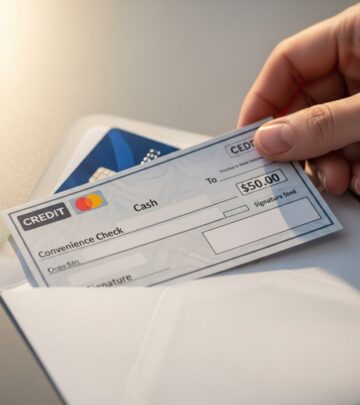
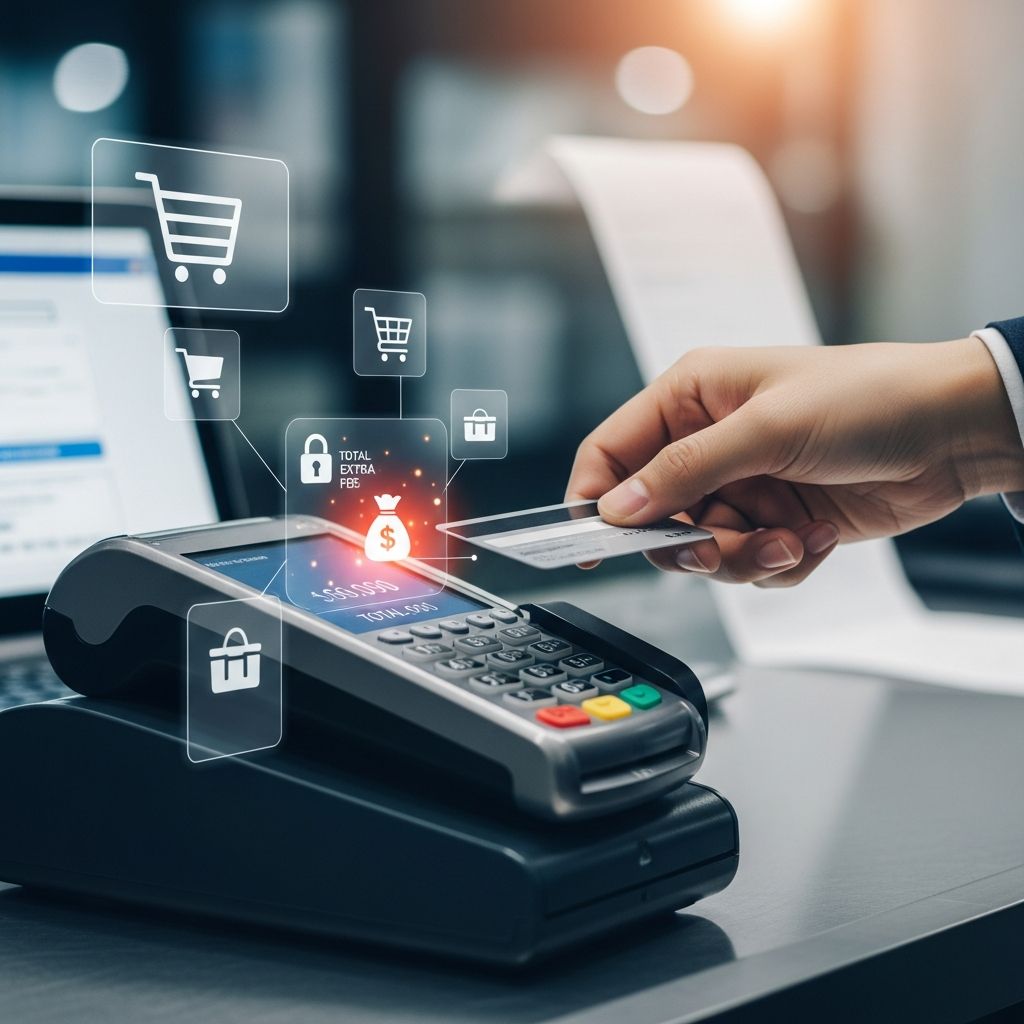
A convenience fee is an additional charge that businesses impose when customers choose to pay through alternative or non-standard payment methods. Unlike standard transaction fees, convenience fees are specifically designed to offset the extra costs associated with providing payment options that fall outside a company’s typical or preferred payment channels. For example, if a business normally accepts checks or automatic clearing house (ACH) transfers but offers credit card payments as an alternative option, the company may charge customers an extra fee for using the credit card.
These fees serve a critical business purpose by allowing companies to maintain payment flexibility without eroding their profit margins. They help recover the expenses involved in processing alternative payment methods and maintaining multiple payment channels simultaneously. Convenience fees are fundamentally different from general price increases or surcharges—they must meet specific criteria and follow particular regulations to be implemented correctly.
The amounts charged typically range from a couple of dollars to $15 or more, depending on the transaction size and the payment method used. Many businesses implement flat fee structures rather than percentage-based models, ensuring consistent revenue regardless of transaction value.
Understanding the Definition and Purpose
The primary purpose of a convenience fee is to compensate businesses for the additional expenses incurred when processing non-standard payment methods. When a customer chooses to pay through a more convenient channel—such as online payments, phone payments, or credit card transactions—the business faces higher processing costs compared to traditional methods like cash or checks.
Convenience fees serve several strategic business objectives:
- Offsetting the direct processing costs associated with alternative payment methods
- Recovering expenses for maintaining and operating additional payment channels
- Providing customers with payment flexibility without reducing profit margins
- Encouraging customers to use the company’s preferred, less expensive payment methods
For businesses to charge a convenience fee legitimately, several conditions must be met. The fee must apply to a genuine alternative payment channel that operates outside the company’s standard business operations. It cannot be charged simply because a customer is using a credit card—there must be a legitimate convenience channel involved. Additionally, the charge must be clearly disclosed to customers before the payment is completed, allowing them the opportunity to choose an alternative payment method if they prefer.
How Convenience Fees Differ From Other Charges
Distinguishing convenience fees from other types of charges is essential for both businesses and consumers. Convenience fees operate under different rules and serve different purposes than similar-sounding charges like surcharges or service fees.
| Aspect | Convenience Fee | Surcharge Fee |
|---|---|---|
| Definition | Charged for using a convenient payment method outside standard business operations | Specifically covers the cost of credit card processing fees |
| Payment Methods | Applies to various non-standard payment methods, not limited to credit cards | Applied exclusively to credit card payments |
| Purpose | Offset costs of providing alternative payment channels | Cover credit card transaction fees |
| Fee Structure | Usually a flat amount regardless of transaction size | Typically a percentage of the transaction |
| Disclosure | Must be clearly disclosed before payment completion | Often included in final transaction total |
Convenience fees must comply with specific card network rules that differ from surcharge regulations. For most card networks, the convenience fee must be a flat rate rather than a percentage of the transaction amount. This ensures that customers pay the same fixed fee regardless of whether they’re making a small or large purchase. The fee should be applied consistently across all forms of payment within that particular channel.
Another critical distinction is that convenience fees are specifically tied to the payment method and the channel through which payment is made, rather than to the product or service itself. This means the fee relates to how the customer is paying, not what they are purchasing.
Key Regulations and Rules for Convenience Fees
Businesses must adhere to strict regulations when implementing convenience fees. These rules are designed to protect consumers and ensure transparent, fair practices across the payment industry.
The fundamental regulations include:
- Clear disclosure requirements: The convenience fee must be disclosed clearly before the transaction is completed, giving cardholders the opportunity to cancel
- Flat fee structure: For most merchants, the fee must be a fixed amount regardless of transaction value
- Universal application: The fee must apply to all forms of payment accepted within that particular payment channel
- Optional nature: Customers must have alternative payment methods available to avoid the fee
- Separate authorization: The convenience fee must appear as two separate charges on the cardholder’s statement with separate authorization and approval codes
Additionally, convenience fees must be combined into the total transaction amount on the customer’s receipt and invoice. This ensures proper accounting and prevents confusion about the actual amount being charged. For recurring or installment payments, convenience fees can be applied to each transaction, making them suitable for subscription services, insurance premiums, utility payments, and membership dues.
Common Industries That Implement Convenience Fees
Several B2B and B2C sectors have successfully integrated convenience fees into their business models. Educational institutions represent one prominent example, charging fees for tuition payments made through alternative channels like online credit card processing. Government agencies also frequently apply convenience fees to license, permit, and tax payments made through non-standard channels.
Other industries commonly using convenience fees include:
- Ticket sales and entertainment venues (movie theaters, concert halls, sporting events)
- Utility companies and telecommunications providers
- Insurance companies for premium payments
- Healthcare providers and medical billing services
- Property management and rental payment platforms
- Court and legal payment systems
One important distinction for B2B services involves recurring payments. One-time payments can incur convenience fees, but automatic recurring payments typically cannot, with some exceptions for registered government and education payment programs. This distinction matters significantly for subscription-based B2B services when designing their fee structures.
When and How Convenience Fees Apply
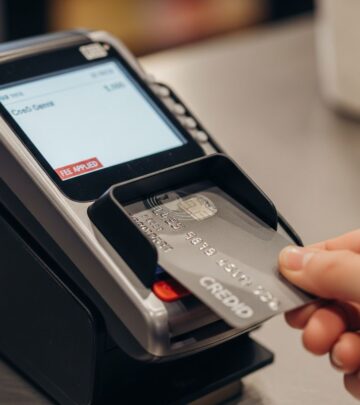
Understanding when convenience fees can be charged requires attention to specific payment scenarios and channel types. Convenience fees can be applied to in-person payments, mail order/telephone order transactions, internet payments, and kiosk payments. However, the specific application rules may vary depending on the payment method and the customer’s situation.
A practical example illustrates how convenience fees work in action: imagine a business typically accepts checks and ACH transfers for B2B invoices. If a customer wants to pay a $1,000 invoice using a credit card, the business might charge a $2.50 convenience fee. Since the fee is taken out of the total payment, the amount needs to be grossed up slightly to ensure the business still nets the full $1,000. This approach protects profit margins while reducing compliance risk by ensuring fees are applied correctly and consistently.
For large invoices with thin margins—common in B2B operations—this fee structure can significantly impact profitability. The ability to recoup processing costs through convenience fees allows businesses to maintain competitive pricing while accommodating diverse payment preferences.
Transparency and Disclosure Requirements
Federal regulations and card network rules mandate that convenience fees must be disclosed transparently to customers. The disclosure must occur before the payment is completed, allowing customers to make informed decisions about whether to proceed or select an alternative payment method. This requirement protects consumers from unexpected charges and ensures they understand the full cost of their transaction.
The disclosure should clearly indicate that the fee is specifically for using an alternative payment channel, not for the product or service being purchased. Many businesses now integrate this disclosure directly into their payment processing screens or include it prominently on invoices sent to customers.
How to Avoid Paying Convenience Fees
Consumers have several practical strategies to minimize or eliminate convenience fees when making payments. The most straightforward approach is to use the business’s standard or preferred payment method, which typically does not incur a convenience fee. For many businesses, this includes options like cash, checks, or direct bank transfers through ACH.
Additional strategies include:
- Asking businesses if they offer discounts for using lower-cost payment methods
- Paying in person when possible, as this often avoids online payment processing fees
- Using bank transfers or ACH payments instead of credit cards
- Inquiring about alternative payment arrangements or payment plans
- Timing payments to take advantage of fee-free payment windows if available
By understanding which payment methods a business prefers and why convenience fees are charged, consumers can make strategic payment decisions that reduce their total costs. Some businesses may even negotiate fee structures for large or recurring transactions.
Frequently Asked Questions
Q: What exactly is a convenience fee?
A: A convenience fee is an additional charge applied by businesses when customers choose to pay through alternative payment methods that aren’t typically offered or aren’t the company’s standard practice. It’s designed to offset the costs associated with providing these non-standard payment options.
Q: How can I avoid paying convenience fees?
A: To avoid convenience fees, use the business’s standard or preferred payment method, which is usually free. This often includes options like cash, checks, or direct bank transfers (ACH). Some businesses may also offer discounts for using lower-cost payment methods.
Q: Is a convenience fee the same as a surcharge?
A: No. Convenience fees and surcharges are different types of charges with different purposes and regulations. Surcharges are specifically tied to credit card transaction costs, while convenience fees apply to various non-standard payment methods and cover broader processing costs.
Q: Can businesses charge a percentage-based convenience fee?
A: For most merchants, no. The convenience fee must be a flat or fixed amount regardless of the transaction value. Only registered government and education payment program participants can set convenience fees as a percentage or tiered based on transaction amount.
Q: What’s the typical range for convenience fees?
A: Convenience fees generally range from a couple of dollars to $15 or more, depending on the business and the payment method used.
Q: Can convenience fees be charged on recurring payments?
A: It depends on the payment type. Convenience fees can be charged on recurring or installment payments for things like insurance premiums, subscriptions, and utility payments, though regulations may apply differently to government and education payments.
References
- What Is a Convenience Fee and How to Avoid It — Upflow. 2025. https://upflow.io/blog/business-to-business-payments/convenience-fee
- Understanding and Managing Convenience Fees in B2B Transactions — Paystand. 2025. https://www.paystand.com/blog/convenience-fees
- A Guide to Understanding Convenience Fee & How to Avoid It — HighRadius. 2025. https://www.highradius.com/resources/Blog/guide-to-credit-card-convenience-fee/
- A Comprehensive Guide to Understanding Convenience Fees — Fiserv. https://merchants.fiserv.com/content/dam/firstdata/us/en/documents/pdf/Understanding_Surcharging_Convenience_Service_Fees_Whitepaper.pdf
- What is a Convenience Fee or Pay-to-Pay Fee? — Consumer Finance Protection Bureau (CFPB). https://www.consumerfinance.gov/ask-cfpb/what-is-a-convenience-fee-or-pay-to-pay-fee-en-2126/
Similar Articles








Read full bio of medha deb