Contingent vs Pending: Home Sale Status Guide
Discover the key differences between contingent and pending home listings to make informed decisions in today's competitive real estate market.
Understanding the distinction between
contingent
andpending
statuses is essential for homebuyers navigating the real estate market. A contingent offer includes protective clauses allowing buyers to exit if conditions fail, while pending means all conditions are satisfied and the sale advances to closing.Decoding Property Listing Statuses
Real estate listings use specific terms to signal their progress.
Contingent
indicates an accepted offer under conditions like inspections or financing approval. If unmet, the buyer can withdraw without penalty.Pending
, however, signals that contingencies are resolved, and the transaction moves toward finalization, typically within 30-60 days.These statuses guide buyer actions. For contingent properties, shoppers might inquire about backup offers. Pending listings rarely allow interference unless complications arise.
Core Elements of Contingent Offers
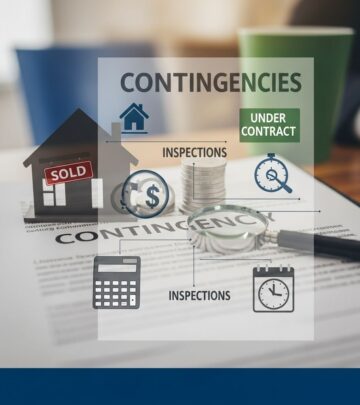
Contingent offers hinge on clauses safeguarding buyer interests. These provisions create checkpoints before commitment.
- Buyer Flexibility: Allows renegotiation or exit if issues surface.
- Seller Benefits: Secures a buyer while permitting backups.
- Market Signal: Shows serious interest but not finality.
In competitive markets, sellers may favor fewer contingencies for quicker closes.
Transition from Contingent to Pending
The shift occurs when all contingencies clear. Buyers fulfill inspections, secure loans, and resolve appraisals. Documents then proceed to title review and escrow.
| Status | Key Features | Buyer Options | Seller Actions |
|---|---|---|---|
| Contingent | Conditions active | Can cancel penalty-free | Accept backups |
| Pending | Conditions met | Limited exit options | Prepare for closing |
This table highlights decision points for stakeholders.
Primary Contingencies Protecting Buyers
Several standard contingencies form the backbone of contingent offers.
Inspection Contingency Essentials
This clause permits professional evaluation of the property’s condition. Issues like roof damage or plumbing faults trigger negotiations for repairs or price cuts. Timelines are short, often 3-7 days, to maintain momentum. Buyers avoid unforeseen costs, ensuring habitability.
Appraisal Contingency Breakdown
Lenders mandate appraisals to verify value. If below purchase price, options include seller price reduction, buyer covering the gap via larger down payment, or splitting differences. This prevents overpayment. Windows span 7-14 days.
Financing Contingency Details
Secures exit if mortgage approval fails or terms exceed budgets, such as high interest rates or fees. Pre-approvals help but underwriting can surprise. Include caps on rates and origination costs.
Home Sale Contingency Considerations
For buyers selling concurrently, this ties purchases to current home sales. Sellers counter with kick-out clauses, allowing better offers and 72-hour match periods. Viable in slower markets.
Strategic Waiving of Contingencies
In seller-favored markets, waiving boosts offer appeal but heightens risk. Experts advise minimal waivers, retaining at least one for due diligence. Weigh personal finances and market heat.
- Pros: Stands out among bids; faster closing.
- Cons: Earnest money forfeiture; surprise repair bills.
Consult agents and lenders for tailored advice.
Negotiation Tactics Post-Contingency Discovery
Inspection or appraisal shortfalls prompt talks. Buyers request credits, repairs, or reductions. Sellers might concede in balanced markets or stand firm in hot ones. Document via addendums.
For low appraisals:
- Propose price adjustment.
- Increase down payment.
- Compromise midway.
Real-World Market Influences
Seller’s markets pressure contingency reductions; buyer’s markets allow more. High competition means non-contingent bids win, but at risk. Track local inventory and rates.
Role of Professionals in the Process
Agents negotiate statuses; inspectors uncover flaws; lenders verify financing; attorneys review contracts. Their input minimizes pitfalls.
Frequently Asked Questions
What does contingent mean for a house listing?
It signifies an accepted offer pending condition fulfillment, like inspections.
Can you make an offer on a contingent home?
Yes, as a backup if the primary fails.
How long does contingent status last?
Typically 10-30 days, varying by contingencies.
What’s the difference if a house is pending?
All conditions cleared; closing imminent, few disruptions.
Should I waive contingencies?
Only if risks align with your tolerance; retain key ones.
Impact of kick-out clauses?
Allows sellers to pursue better offers on contingent sales.
Advanced Strategies for Competitive Edges
Bridge loans aid sale contingencies by funding new buys pre-sale. Escalation clauses beat bids automatically. Larger earnest deposits signal commitment. In 2026’s dynamic market, hybrid approaches blend protections with aggressiveness.
Monitor status changes via MLS alerts. Backup contracts protect interests without overcommitting.
Legal and Financial Safeguards
State laws govern contingencies; review disclosures for liens or defects. Escrow holds deposits until clearances. Title insurance ensures clean transfers.
Budget for potential gaps: appraisals 20-30% low trigger adjustments. Factor closing costs averaging 2-5% of price.
Future-Proofing Your Purchase Decision
Align contingencies with goals—first-timers prioritize inspections; investors appraise heavily. Seasonal trends: spring rushes favor lean offers; winter eases terms.
Technology aids: virtual inspections, digital appraisals speed processes. Stay informed via NAR resources.
References
- The Home Purchase Process Part 2: Contingency clauses and reports — Fremont Bank. 2024-01-01. https://www.fremontbank.com/resource-center/insights-and-learnings/2024/the-home-purchase-process-part-2-contingency-claus
- Homebuying contingencies explained — First Citizens Bank. 2023-05-15. https://www.firstcitizens.com/personal/insights/home/homebuying-contingencies-explained
- Buy a House Contingent on Selling Yours: How It Works — Own Up. 2024-03-20. https://www.ownup.com/learn/mortgage-advisors/home-sale-contingency/
- How does a mortgage contingency work? — Rocket Mortgage. 2024-07-10. https://www.rocketmortgage.com/learn/mortgage-contingency
- Understanding Contingency Clauses in Homebuying — Freddie Mac. 2023-11-01. https://myhome.freddiemac.com/blog/homebuying/understanding-contingencies
- Understanding Contingencies in Residential Real Estate Transactions — Kwik Mortgage. 2024-02-14. https://kwikmtg.com/understanding-contingencies-in-residential-real-estate-transactions/
- Consumer Guide: Real Estate Sales Contract Contingencies — National Association of Realtors. 2024-09-01. https://www.nar.realtor/the-facts/consumer-guide-real-estate-contract-contingencies
Similar Articles








Read full bio of medha deb