Contingent Offers: 5 Key Contingencies For Buying A Home
Navigate the complexities of contingent offers to protect your finances while securing your dream home in today's market.

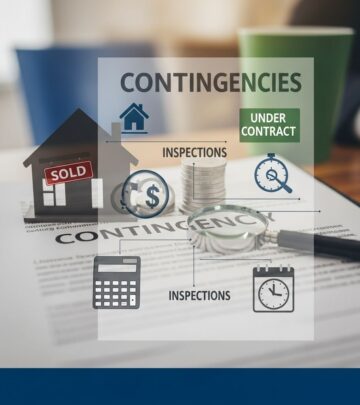
Contingent offers represent a critical strategy in real estate transactions, allowing buyers to condition their purchase on specific outcomes to minimize financial risks. These clauses enable buyers to withdraw from a deal without penalty if predefined conditions fail, such as selling an existing property or securing financing.
Understanding the Fundamentals of Contingent Offers
A contingent offer hinges on the fulfillment of one or more conditions outlined in the purchase agreement. Unlike a firm offer, it does not bind the buyer irrevocably until those conditions are satisfied. This mechanism protects buyers from unforeseen issues, like inability to sell their current home or discovering major property defects during inspection.
Common triggers for contingencies include market dynamics where sellers prefer non-contingent bids in hot markets, yet buyers need safeguards. For instance, in seller-favored environments, contingent offers may face rejection unless sweetened with higher earnest money or price concessions.
Primary Types of Contingencies in Real Estate
Real estate contingencies vary by buyer needs and transaction stage. Each type addresses distinct risks, ensuring comprehensive protection.
- Home Sale Contingency: This clause makes the purchase dependent on selling the buyer’s current residence. It prevents dual mortgage obligations, a key concern for homeowners upgrading properties.
- Settlement or Closing Contingency: Activated when the buyer’s home is under contract, this ensures the prior sale closes before the new one proceeds.
- Financing Contingency: Protects against loan denial, allowing exit if mortgage approval fails despite pre-approval.
- Inspection Contingency: Permits professional home assessments; buyers can renegotiate or withdraw if issues arise.
- Appraisal Contingency: Ensures the property appraises at or above offer price; low appraisals trigger renegotiation or cancellation.
Buyers often combine these for layered protection, though sellers scrutinize combinations for added risk.
Advantages for Buyers Using Contingencies
Contingencies empower buyers with flexibility and security. A home sale contingency avoids the burden of two mortgages, smoothing transitions between homes. It refunds earnest money if the condition fails, preserving capital.
In new construction scenarios, contingencies safeguard against builder delays during customization, providing time to sell existing properties. Overall, they reduce emotional stress by preventing rushed sales or overleveraging.
| Contingency Type | Key Buyer Benefit | Potential Timeline Impact |
|---|---|---|
| Home Sale | Avoids dual mortgages | 30-60 extra days |
| Financing | Loan failure protection | Minimal if pre-approved |
| Inspection | Defect discovery | 7-14 days |
| Appraisal | Value mismatch safeguard | Appraisal period only |
Drawbacks and Challenges for Buyers
While protective, contingencies weaken offers in competitive markets. Sellers view them as risky, potentially favoring non-contingent bids. Extended timelines from home sale contingencies—often 30-60 days—can deter sellers needing quick closes.
Builders of new homes may reject heavy customization if paired with sale contingencies, prioritizing spec homes for faster turnover. Waiving contingencies to compete risks financial loss, like forfeiting earnest money on low appraisals.
Seller Perspectives: Risks and Mitigation Strategies
Sellers face heightened uncertainty with contingent offers, as buyer home sales introduce “double risk”—financing plus sale failure. Properties under contingent contract remain “active contingent,” allowing showings but tying up the deal.
To counter, sellers deploy protective measures:
- Kick-Out Clause: Permits accepting backup offers; primary buyer must remove contingency or lose the deal upon better bid notification.
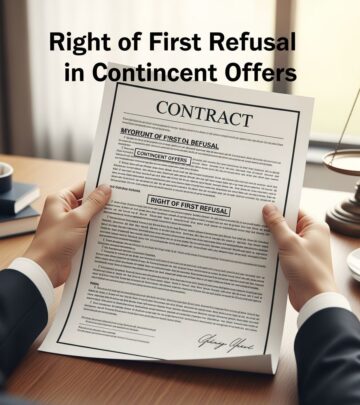
- Right of First Refusal: Gives primary buyer 24-72 hours to match or drop competing offers.
These clauses maintain seller leverage, especially if the listing lingers. In slow markets, contingent offers appeal more, providing any committed buyer.
Negotiation Tactics to Strengthen Contingent Offers
Buyers can enhance appeal despite contingencies. Increase earnest money or offer above asking price to signal commitment. Pre-listing the current home boosts credibility, as sellers prefer near-certain sales.
Agents recommend unconventional incentives: larger option fees, no home warranty requests, or flexible closing dates aligning with the buyer’s sale. For new builds, limit customizations to encourage builder acceptance.
Sellers negotiate strict timelines, ensuring buyer sales occur promptly to avoid prolonged market exposure.
Special Considerations for New Construction Purchases
New construction amplifies contingency challenges. Builders resist sale contingencies on custom homes due to production timelines and material commitments. Spec homes, however, tolerate them more readily.
Inspections gain importance; builder repair delays extend buyer sale windows, potentially pressuring timelines. Contracts often include earnest money forfeiture for unmet deadlines, urging buyers to list homes aggressively or waive contingencies post-offer acceptance.
Market Conditions Influencing Contingency Acceptance
Contingent offers thrive in buyer markets with abundant inventory, where sellers prioritize any deal. Seller markets demand contingency waivers or robust protections like kick-outs.
Agents advise timing: secure a buyer on the current home before pursuing new purchases, minimizing seller reluctance. Bridge loans offer alternatives, funding new buys pre-sale but incurring interest costs.
Frequently Asked Questions (FAQs)
What happens if a contingency isn’t met?
Buyers can cancel without losing earnest money, provided notice deadlines are followed.
Can sellers force contingency removal?
Via kick-out or right of first refusal clauses, yes, by presenting superior offers.
Are contingent offers common in hot markets?
Less so; they require strong compensating factors like higher prices.
How long do contingencies typically last?
7-21 days for inspections/appraisals; 30-90 days for sales.
Should I waive contingencies to win a bid?
Consult agents/lenders; risks earnest money loss on failures.
Final Steps After Contingencies Clear
Once satisfied, parties proceed to closing: final documents, payments, and title transfer mirror standard sales. Buyers coordinate move-ins seamlessly, avoiding gaps.
Professional guidance from real estate agents and lenders ensures smooth navigation, maximizing success in contingent transactions.
References
- Buying a new construction home with a contingent offer: what to know — Orchard. 2023. https://orchard.com/blog/posts/buying-a-new-construction-home-with-a-contingent-offer
- Making an Offer Contingent Upon Selling a House: How to Do It — HomeLight. 2024. https://www.homelight.com/blog/buyer-contingent-upon-selling-house/
- Smart or Risky Move When Buying or Selling a Home? — YouTube (BiggerPockets). 2023-10-15. https://www.youtube.com/watch?v=1blZwTLMyNg
- Homebuying contingencies explained — First Citizens Bank. 2025. https://www.firstcitizens.com/personal/insights/home/homebuying-contingencies-explained
- How to Buy a House Contingent on Selling Yours — Zillow. 2024. https://www.zillow.com/learn/buy-a-house-contingent-on-selling-yours/
- Contingent offer: how it works when buying a house — Chase. 2025. https://www.chase.com/personal/mortgage/education/buying-a-home/contingent-offer
- Common Real Estate Contingencies And What They Mean — Bankrate. 2025-01-20. https://www.bankrate.com/real-estate/contingency-clause/
Similar Articles








Read full bio of Sneha Tete