Contactless Credit Cards: 5 Tips To Use Tap-To-Pay Safely
Discover how tap-to-pay technology revolutionizes secure, speedy transactions with contactless credit cards and their key advantages.
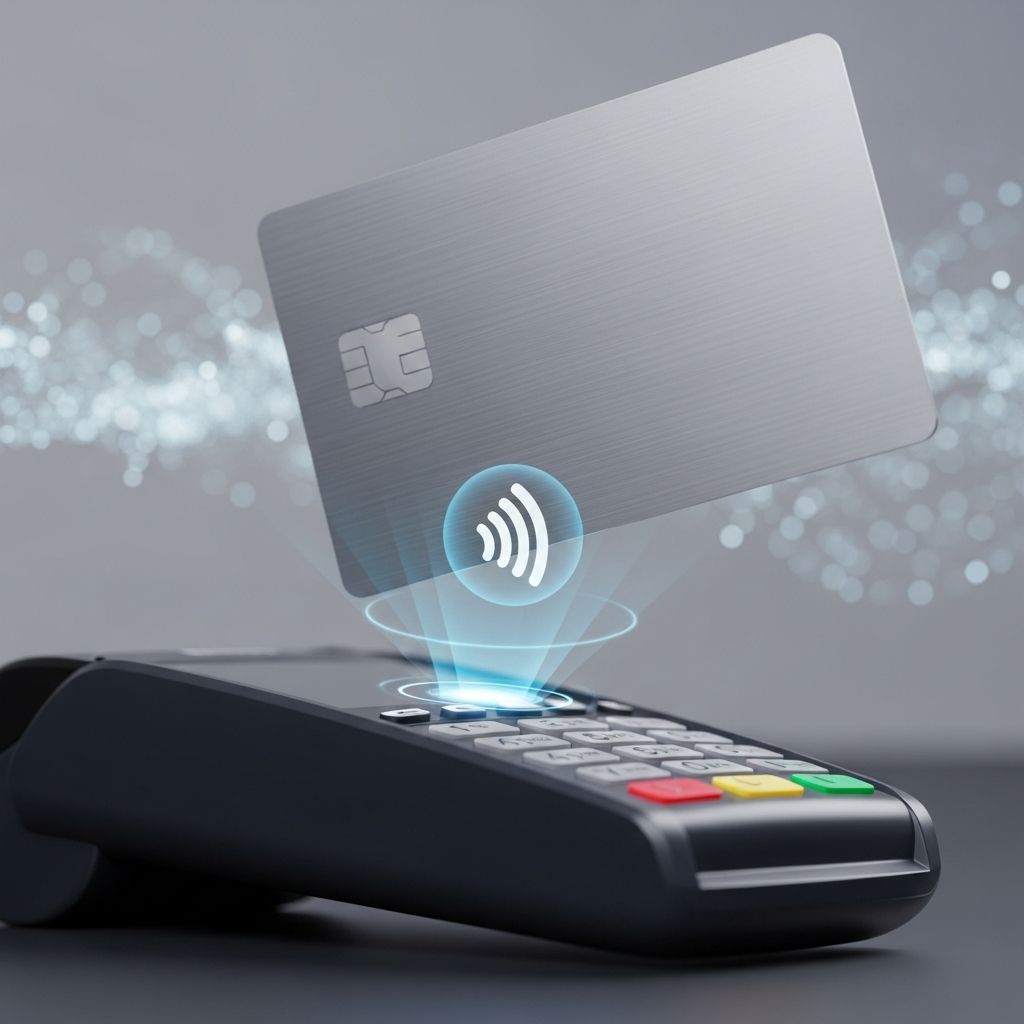
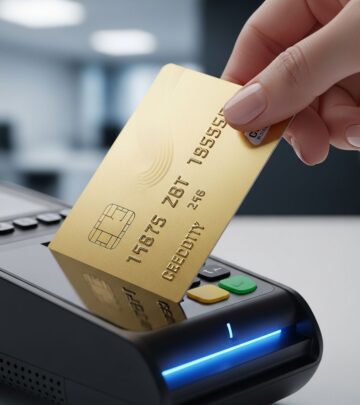
Contactless credit cards enable users to complete purchases by simply tapping their card on a payment terminal, leveraging near-field communication (NFC) or radio frequency identification (RFID) technology for quick, secure transactions without physical insertion or swiping.
The Core Technology Powering Tap-to-Pay
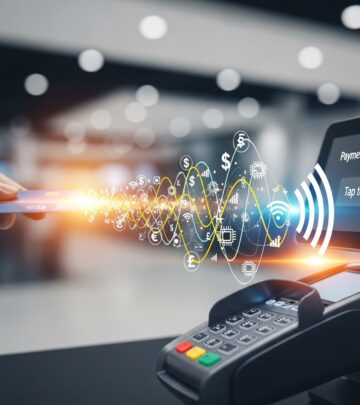
At the heart of every contactless credit card lies an embedded chip and antenna that facilitate wireless data exchange. When a card approaches a compatible reader—typically within 1-2 inches—the antenna activates, transmitting encrypted payment details including a unique transaction code. This process, rooted in RFID standards refined over decades, ensures data travels only over short distances, minimizing interception risks.
NFC, a short-range wireless standard operating at 13.56 MHz, powers most modern implementations. Unlike broader wireless networks, it restricts communication to proximity, enhancing security. The chip generates a dynamic cryptographic code for each tap, which the terminal relays to processing networks like Visa or Mastercard for issuer verification.
- Chip Activation: Proximity triggers the antenna to send account data and a one-time code.
- Network Routing: Terminal forwards info to the acquirer, then issuer for approval.
- Approval Loop: Issuer checks balance, fraud flags, and responds in seconds.
Step-by-Step Transaction Process
A typical tap-to-pay flow unfolds rapidly. First, the merchant’s terminal detects the card’s signal upon tap. It captures essential details without exposing the full card number, thanks to tokenization where a device account number (DAN) replaces the primary account number (PAN). The network authenticates via EMV standards, involving cryptograms unique to each transaction.
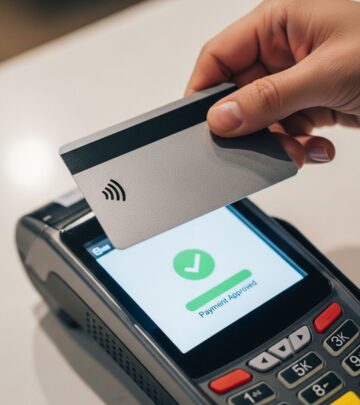
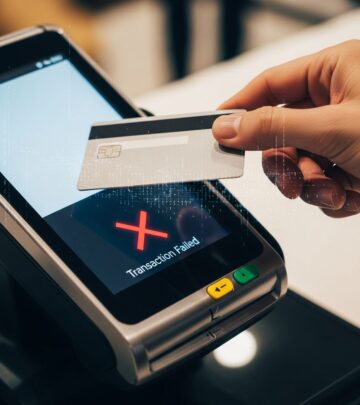
- Tap card near the contactless symbol (four curved lines).
- Reader communicates with chip, generating encrypted token.
- Data routes to card network for fraud checks and issuer validation.
- Approval or decline returns; receipt prints if approved.
For low-value transactions, no PIN is needed, speeding checkout. Higher amounts may prompt additional verification.
Security Features That Set Contactless Apart
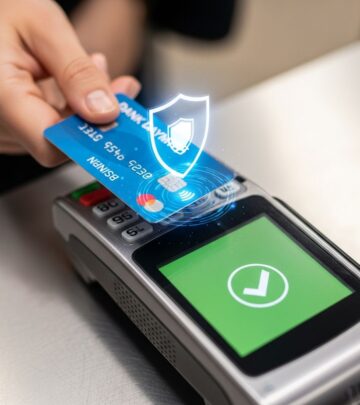
Contactless cards prioritize protection through multiple layers. Each transaction uses a one-time cryptogram, preventing replay attacks where stolen data is reused. Tokenization ensures merchants never handle actual card numbers, reducing breach impacts.
Compared to magnetic stripes, which broadcast static data, contactless EMV chips encrypt everything. Proximity limits (under 2 inches) further thwart skimming. Mobile integrations add biometrics like fingerprints for wallet apps.
| Feature | Contactless | Magnetic Stripe | Chip-and-PIN |
|---|---|---|---|
| Encryption | Dynamic per transaction | Static data | Static chip data |
| Proximity Risk | Low (NFC range) | High (swipe readers) | Medium (insertion) |
| Fraud Detection | Tokenized + cryptograms | Basic | Improved |
Studies show contactless fraud rates remain low; for instance, EMVCo standards mandate robust protocols.
Key Advantages for Everyday Users
**Rapid Checkouts:** Transactions complete in under 2 seconds, ideal for busy retail or transit.
**Hygiene Boost:** No handing cards reduces germ transfer, a boon post-pandemic.
**Durability:** Less physical wear on chips and stripes extends card life.
**Versatility:** Works alongside swipe/insert options; pairs seamlessly with digital wallets.
Merchants benefit from higher throughput, cutting queues by up to 30% in high-volume settings.
Global Adoption and Growth Trends
Contactless payments surged worldwide, with over 80% of U.S. terminals now compatible as of 2025. Europe leads, where regulations mandate acceptance for small payments. In Asia, adoption nears 90% in urban areas.
Visa reports billions of annual taps, driven by mobile wallet integration. Projections indicate 70% of transactions will be contactless by 2030.
- U.S.: Rapid growth post-2020.
- UK: Standard for under £100.
- Australia: Near-universal in transit.
Integrating with Mobile Wallets and Wearables
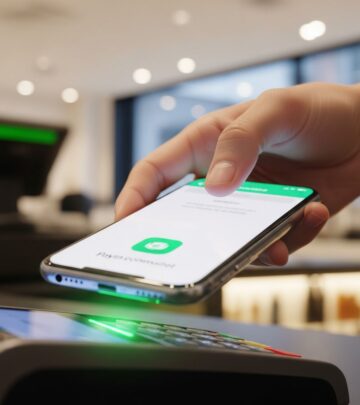
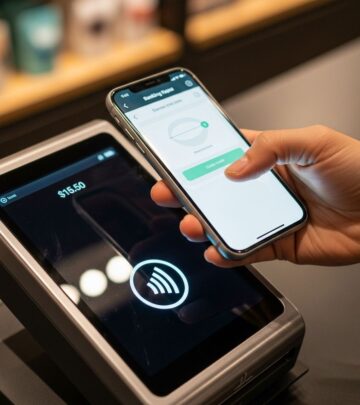
Smartphones extend contactless via apps like Apple Pay or Google Wallet. Users add cards digitally; taps use phone NFC with biometric locks. Wearables like smartwatches offer hands-free options.
Setup: Unlock device, hold near reader—no PIN for small amounts. Tokenization applies here too, generating virtual numbers.
Common Myths and Realities
Myth: Contactless is less secure than chips. Reality: Both use EMV; taps add one-time codes.
Myth: Unlimited taps without limits. Reality: Issuers cap cumulative low-value taps before PIN.
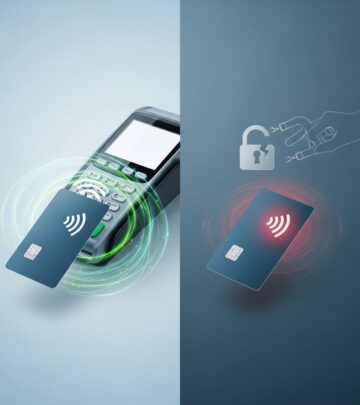
Myth: Hackable from afar. Reality: NFC range prevents this; shielding wallets optional but unnecessary for most.
Tips for Maximizing Contactless Cards
- Look for the contactless symbol before tapping.
- Monitor statements monthly for anomalies.
- Use RFID blockers if paranoid, though risks are minimal.
- Enable notifications for instant alerts.
- Combine with rewards cards for bonuses on taps.
Limitations and Fallback Options
Not all terminals support it; fall back to chip/swipe. High-value purchases often require PIN. Internationally, acceptance varies—check networks like Visa/Mastercard.
Future Innovations in Tap Technology
Expect biometrics on cards, broader IoT integration, and Tap-to-Everything for vending/vehicles. Standards evolve via EMVCo for quantum-resistant crypto.
Frequently Asked Questions
What is the contactless symbol?
Four curved lines indicating NFC compatibility on cards and readers.
Is a PIN ever required?
Usually not for small amounts; yes for larger or after multiple taps.
Are contactless cards safe from skimming?
Yes, due to short range, encryption, and tokens.
Can I use them abroad?
Widely, where Visa/Mastercard/Amex networks operate.
How do I know if my card supports it?
Check for the symbol or issuer app.
References
- What Is a Contactless Credit Card? Tap-to-Pay Explained — Citi. 2025. https://www.citi.com/credit-cards/understanding-credit-cards/what-is-a-contactless-credit-card
- How Contactless Payments Work – and Work Securely — NMI. 2024-10-15. https://www.nmi.com/blog/how-contactless-payments-work-and-work-securely/
- How Do Contactless Cards Work? — American Express. 2025. https://www.americanexpress.com/in/articles/life-with-amex/benefits/what-is-contactless-payment.html
- Learn How to Use Your Contactless Debit and Credit Cards — Needham Bank. 2024. https://www.needhambank.com/resources/learn-how-to-use-your-contactless-debit-and-credit-cards
- What is a Contactless Credit Card — Chase. 2025-01-20. https://www.chase.com/personal/credit-cards/education/basics/what-is-a-contactless-credit-card
Similar Articles








Read full bio of Sneha Tete