Should You Contact a Hiring Manager on LinkedIn?
Learn when and how to reach out to hiring managers on LinkedIn for career success.
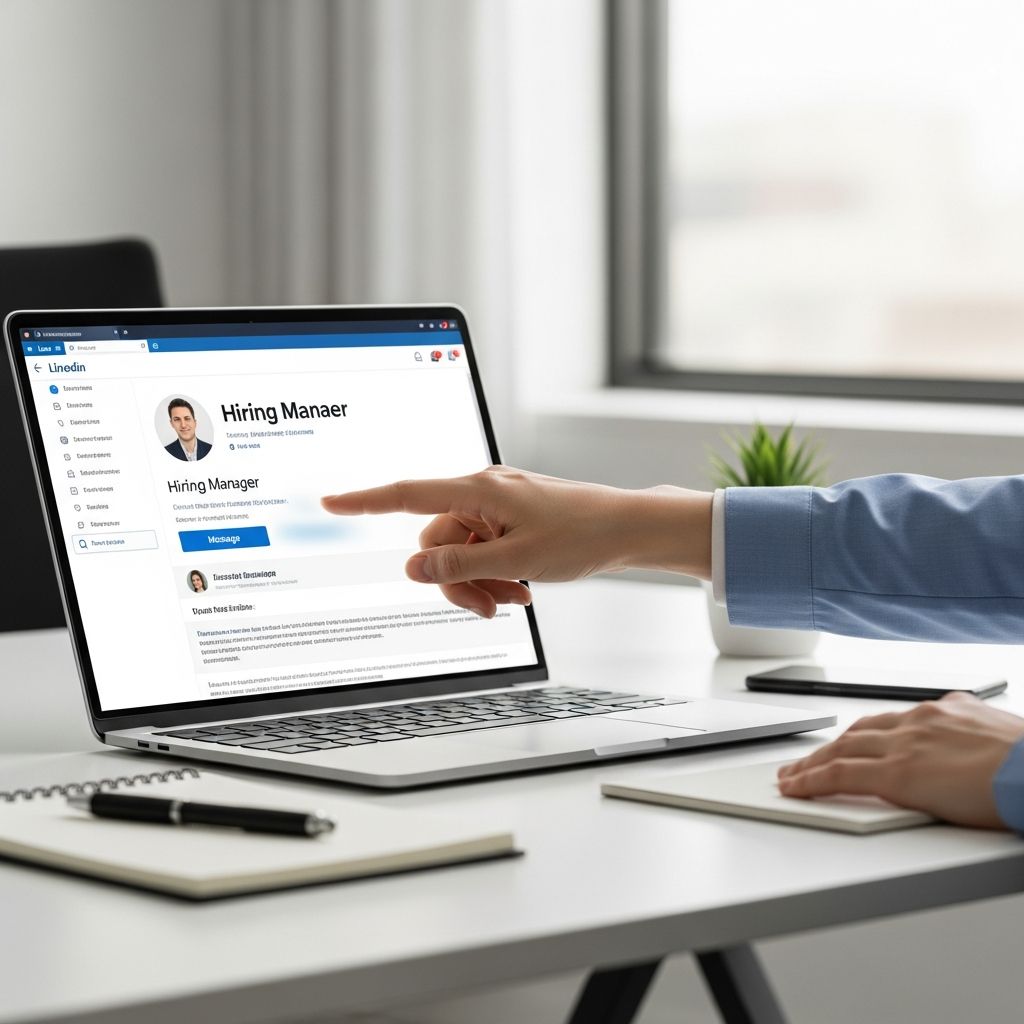
In today’s competitive job market, reaching out directly to hiring managers on LinkedIn has become a strategic career move that can significantly enhance your job search efforts. However, the question remains: should you do it, and if so, how should you approach it? The answer is nuanced and depends on several factors including your industry, the specific role you’re targeting, and how well you craft your outreach. When executed thoughtfully, contacting a hiring manager on LinkedIn can open doors that traditional applications cannot.
The Benefits of Reaching Out to Hiring Managers
Contacting a hiring manager directly on LinkedIn offers several compelling advantages that can accelerate your job search and increase your visibility. Research shows that respectful, personalized outreach significantly improves your chances of being noticed among hundreds of applicants. When you take the time to craft a genuine, targeted message, you demonstrate professionalism and genuine interest in the opportunity.
One of the most significant benefits is the increased response rate. Polite, personalized messages generate substantially higher engagement compared to generic connection requests. By showing respect for the hiring manager’s time and demonstrating knowledge of their company and role, you differentiate yourself from candidates who rely solely on impersonal job applications. Additionally, direct outreach can help you establish a professional relationship that extends beyond a single job opportunity, potentially leading to future career possibilities within the organization or through referrals.
When Should You Contact a Hiring Manager?
Timing is crucial when deciding whether to reach out to a hiring manager on LinkedIn. The most opportune moments include:
- When a position has been recently posted and competition is still relatively low
- When you notice the hiring manager has been actively engaged with recent company posts
- After you’ve applied through official channels to complement your formal application
- When you have a mutual connection who can introduce you
- During times when hiring activity is typically high in your industry
Avoid reaching out during obvious off-hours or holiday periods when your message is likely to be buried in their inbox. Early mornings on weekdays or early afternoons tend to be optimal times for professional outreach, as hiring managers are typically more attentive to their messages during these periods.
Preparing Your LinkedIn Profile for Outreach
Before you contact any hiring manager, ensure your LinkedIn profile is polished and professional. Your profile serves as the first impression and often the first place a hiring manager will visit after receiving your message. A well-optimized profile significantly increases the likelihood of a positive response.
Key elements to optimize include:
- Professional Photo: Use a clear, high-quality headshot with a neutral background
- Compelling Headline: Move beyond just your job title to include relevant keywords and value proposition
- Detailed Summary: Write a personable yet professional summary that highlights your unique value
- Complete Work History: Include descriptions of your achievements with quantifiable results
- Skills and Endorsements: Ensure your skills section reflects the keywords from your target roles
- Recommendations: Gather recommendations from former colleagues and managers
Research: The Foundation of Effective Outreach
Successful contact with hiring managers begins with thorough research. Before sending any message, invest time in understanding the hiring manager, their role, and their company. This preparation demonstrates genuine interest and allows you to craft a message that resonates.
What you should research:
- The hiring manager’s specific role and responsibilities within the organization
- Recent posts or articles they’ve shared to understand their professional interests
- Common ground such as shared alumni, professional groups, or mutual connections
- The company’s recent news, initiatives, and strategic direction
- Industry trends relevant to the role you’re pursuing
- The hiring manager’s LinkedIn activity to gauge how responsive they typically are
This research phase is invaluable because it provides the foundation for personalization. A hiring manager can immediately tell the difference between a generic message and one that reflects genuine knowledge of their work and company.
Crafting Your Outreach Message
The message you send is critical to whether you’ll receive a response. Your outreach should be concise, professional, and focused on demonstrating mutual value. Here are the key components of an effective message:
Step 1: Personalize Your Opening
Start with a reference to something specific about the hiring manager or their company. This could be a recent post they shared, an achievement they mentioned, or a company initiative that interests you. For example: “I noticed your recent article on data-driven innovation—it resonated with my experience developing predictive analytics solutions at my current company.”
Step 2: Establish Your Purpose
Clearly state why you’re reaching out, but keep it concise. Limit this section to two or three sentences. Specify the role you’re interested in and briefly explain why you’re passionate about it. This clarity helps the hiring manager quickly understand your intent.
Step 3: Demonstrate Your Value
Highlight one or two relevant achievements that directly align with the position. Use quantifiable results whenever possible. For instance: “In my current role, I improved operational efficiency by 35% through process automation, which resulted in significant cost savings.” This approach shows you’re not just interested in the job—you have tangible skills that benefit the organization.
Step 4: Include a Clear Call to Action
End with a specific, low-commitment request. Rather than asking for a job, ask for a brief conversation: “Would you be available for a 15-minute call next week to discuss how my background could contribute to your team’s goals?” This approach is less intimidating and more likely to receive a positive response.
Do’s and Don’ts of LinkedIn Messaging
| Do | Don’t |
|---|---|
| Personalize each message with specific references | Use copy-pasted templates for every message |
| Keep your message under 150 words | Write lengthy messages that hiring managers must skim |
| Focus on how you can help the company | Ask for a job without demonstrating relevance |
| Follow up professionally after 5-7 business days | Send multiple messages in a short timeframe |
| Use proper salutations and professional sign-offs | Forget to include your name and contact information |
| Maintain formal yet friendly language | Use emojis or overly casual language |
| Customize templates for specific industries | Apply the same template across different sectors |
| Proofread for spelling and grammar errors | Send messages without careful review |
Message Templates for Different Scenarios
While every message should be personalized, having a structured template can help you maintain consistency and professionalism. Here are adaptable frameworks for common outreach scenarios:
Template for Cold Outreach
Hi [First Name],
I came across your recent post about [specific company initiative or industry trend], and it genuinely resonated with my background in [your field]. I’ve seen firsthand how [relevant achievement/experience] can drive meaningful results in this space.
I’m particularly interested in the [specific role] position at [company name], and I believe my experience with [specific skill/achievement] could contribute to your team’s success. Would you be open to a brief 15-minute conversation next week to explore how I might add value?
Thank you for considering my outreach.
Best regards,[Your Full Name][LinkedIn URL][Phone Number]
Template for Mutual Connection Introduction
Hi [First Name],
[Mutual connection name] recently mentioned your work on [specific project/initiative], and I was impressed by [specific detail]. As someone who has worked extensively in [your field], I found your approach particularly innovative.
I’m exploring opportunities with [company name] and would love to discuss the [specific role] opening. Would you have time for a brief call to learn more about the role and your team?
Thanks for your time![Your Full Name][Contact Information]
Following Up Strategically
If you don’t receive a response to your initial message, a strategic follow-up is appropriate. Wait five to seven business days before sending a polite reminder. Keep your follow-up message brief and reference your previous message: “Hi [First Name], I wanted to follow up on my previous message about the [role] position at [company]. I remain very interested in connecting. Would you have time for a quick call?”
However, limit yourself to one follow-up message. Sending multiple messages can appear desperate and may damage your professional reputation. If you don’t hear back after a second attempt, it’s time to move on and focus your energy elsewhere.
Avoiding Common Mistakes
Many job seekers undermine their outreach efforts by making preventable mistakes. Being aware of these pitfalls can significantly improve your success rate. Avoid sending generic messages that could apply to any company or role—personalization is non-negotiable. Don’t ask for a job directly; instead, focus on building a conversation. Never include unprofessional language, slang, or emojis in your outreach. Additionally, ensure your LinkedIn profile is complete and professional before reaching out, as hiring managers will inevitably check your profile after receiving your message.
Another common mistake is reaching out to the wrong person. Verify that the person you’re contacting is actually involved in hiring for the role you’re interested in. Sometimes a company’s recruiter or talent acquisition lead may be a better contact than the direct hiring manager, depending on the company’s structure.
Building Long-Term Professional Relationships
Approach your LinkedIn outreach not as a one-time transaction but as an opportunity to build a long-term professional relationship. Even if a specific position doesn’t work out, maintaining a genuine connection with a hiring manager can lead to future opportunities. Engage with their content occasionally, share relevant industry insights, and continue the conversation beyond the initial exchange. This approach demonstrates your genuine interest in the field and the company, not just in getting a job.
Frequently Asked Questions
Q: Is it appropriate to contact a hiring manager before applying through official channels?
A: Yes, reaching out directly can actually complement your formal application. It increases your visibility and demonstrates initiative. However, ensure you still submit an application through the official channels as well.
Q: How soon should I expect a response from a hiring manager?
A: Response times vary depending on the individual and their workload. Most responses come within 3-7 days, but hiring managers may take up to two weeks to reply. Some may not respond at all, which is not uncommon given their busy schedules.
Q: Should I include my resume in my initial message?
A: No, don’t attach your resume to your first message. If the hiring manager expresses interest in learning more about your qualifications, they will ask for it. Including it upfront can seem presumptuous and overeager.
Q: Can I contact multiple hiring managers at the same company?
A: Approach this carefully. If you’re interested in multiple positions, you can contact different people, but avoid contacting several people for the same role, as this can create confusion and appear disorganized.
Q: What should I do if a hiring manager declines to connect or doesn’t respond?
A: Accept the outcome gracefully and move forward. Not every outreach will be successful, and that’s normal. Focus your energy on other leads and continue building your professional network.
Q: How can I stand out if the hiring manager receives dozens of messages?
A: Personalization is your key differentiator. Reference specific details about their recent posts, the company’s initiatives, or shared experiences. Demonstrate specific knowledge about the company’s challenges and how your background addresses them.
Q: Is it acceptable to use the same message template for different industries?
A: Templates should be customized for each industry and company. Update the jargon, metrics, and examples to reflect the specific industry and role you’re targeting. Generic messages across industries reduce your credibility.
Q: What’s the ideal length for a LinkedIn outreach message?
A: Keep your message between 75-150 words. This length is long enough to demonstrate genuine interest and personalization but short enough that busy hiring managers will read it completely.
Conclusion
Contacting hiring managers on LinkedIn is a legitimate and often effective strategy for advancing your career. When approached thoughtfully with genuine research, personalization, and professionalism, it can differentiate you from other candidates and open doors to opportunities. Remember that the goal is not to demand a job but to initiate a meaningful professional conversation. By following the strategies outlined above, maintaining professionalism, and respecting the hiring manager’s time, you significantly increase your chances of success in your job search endeavors.
References
- How to Message Hiring Managers Respectfully on LinkedIn — Resumly. 2025. https://www.resumly.ai/blog/how-to-message-hiring-managers-respectfully-on-linkedin
- LinkedIn Official Blog — LinkedIn. https://blog.linkedin.com
- The Society for Human Resource Management (SHRM) Career Guidance — SHRM. https://www.shrm.org
- Professional Networking Best Practices — U.S. Bureau of Labor Statistics. https://www.bls.gov
Similar Articles








Read full bio of Sneha Tete