Consumer Packaged Goods (CPG): Definition & Examples
Master CPG essentials: definition, examples, industry dynamics, and market strategies.
What Are Consumer Packaged Goods (CPG)?
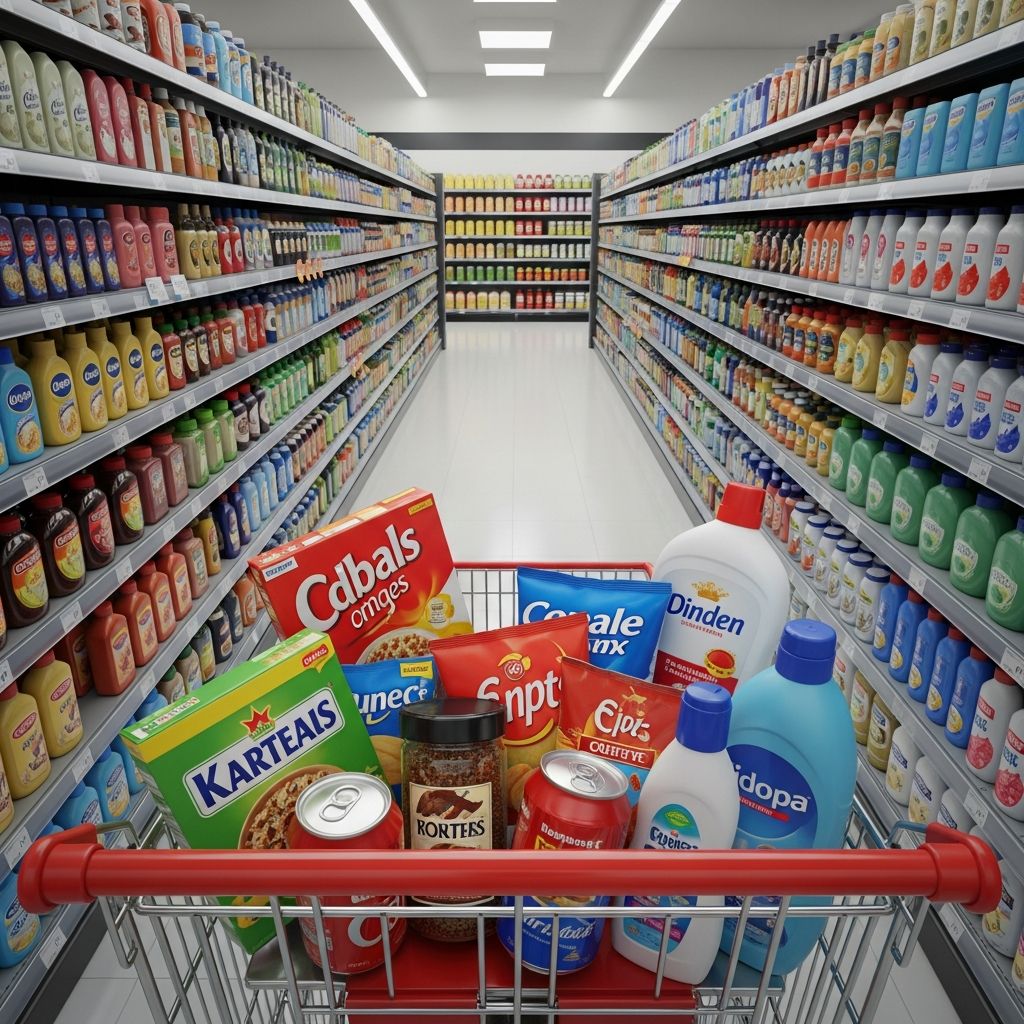
Consumer Packaged Goods, commonly abbreviated as CPG, represent products that are manufactured and sold to consumers for daily personal or household use. These items are designed for rapid consumption and frequent repurchasing, creating a predictable cycle of customer demand that forms the backbone of the retail industry. Unlike durable goods that last for years, CPG products are typically used up quickly, requiring consumers to make repeat purchases regularly. This characteristic has made the CPG sector one of the most dynamic and competitive markets in the global economy.
The CPG industry encompasses a vast range of products manufactured in large quantities to be sold at competitive prices. This mass production approach enables companies to achieve economies of scale, reducing per-unit costs and making these products accessible to consumers across all income levels. The sector has proven remarkably resilient during economic downturns, as consumers continue purchasing essential CPG items even when discretionary spending declines.
Examples of Consumer Packaged Goods
CPG products span multiple categories, each serving different consumer needs and preferences. Understanding these categories helps businesses develop targeted strategies for market positioning and customer engagement.
Food and Beverages
The food and beverage category represents one of the largest segments within the CPG industry. This includes everyday staples such as cereal, snacks, soda, bottled water, canned goods, dairy products, and packaged meals. These products form the cornerstone of household pantries worldwide and represent consistent revenue streams for manufacturers and retailers alike.
Personal Care Products
Personal care items encompass shampoo, conditioner, soap, toothpaste, deodorant, cosmetics, and skincare products. This category has experienced significant growth as consumers increasingly prioritize personal hygiene and wellness. The personal care segment also accommodates both budget-conscious and premium product lines, allowing brands to capture various market segments.
Household Items
Household CPG products include cleaning supplies, paper products, laundry detergent, pet food, and other essential items used regularly in homes. These necessity products demonstrate stable demand patterns, as consumers require consistent replenishment regardless of economic conditions.
Understanding CPG Product Categories
Within the broader CPG market, products can be further segmented into three distinct categories based on consumer behavior and purchasing patterns:
Necessity Products
Necessity CPG products, primarily consisting of food items and household essentials, are fundamental to daily life. Consumers view these products through the lens of value, seeking the best quality at reasonable prices. Marketing for necessity products should emphasize how the brand delivers tangible value to consumers. These products perform particularly well when sold in bulk formats and when packaging highlights incomparable quality and utility advantages. During economic downturns, necessity products maintain stable sales volumes as consumers cannot eliminate these purchases.
Comfort Products
Comfort CPG products include items that enhance daily life and provide modest indulgences, such as premium snacks, specialty beverages, or mid-range personal care items. While these products may experience some sales decline during recessions, strategic adaptations can minimize negative impacts. Companies can develop smaller package sizes or create less-expensive product variants. Packaging redesigns that emphasize affordable indulgence or stress-relief benefits help position comfort products as accessible escapes during economic uncertainty.
Luxury Products
Luxury CPG products target affluent consumers and typically demonstrate resilience during economic downturns, as their target demographic remains less affected by inflation and economic pressures. These high-end personal care, cosmetics, and specialty food items can be marketed by emphasizing qualities of timelessness, quality craftsmanship, and long-term value. Many consumers view luxury CPG purchases as investments in themselves, maintaining spending on premium brands even during economic challenges.
The CPG Industry and Economic Resilience
The Consumer Packaged Goods sector has historically demonstrated remarkable resilience during economic recessions. The Great Recession from 2007 to 2009 illustrated how CPG companies that maintained investment in growth and marketing emerged stronger when the economy recovered. This counterintuitive strategy challenges the common impulse to reduce spending during downturns. CPG companies that cut marketing budgets and growth investments during recessions often face brand erosion and market share losses that prove difficult to recover.
Modern economic uncertainties require CPG companies to adopt sophisticated strategies encompassing consumer behavior analysis, continuous growth investments, and supply chain optimization. The approaching economic challenges differ from previous recessions, building gradually through inflation and employment pressures rather than sudden shocks, requiring adaptive and forward-thinking management approaches.
Consumer Behavior and Purchasing Patterns in CPG
Shifting Consumer Preferences
Economic pressures fundamentally reshape consumer purchasing behaviors in the CPG sector. Inflation prompts consumers to shift toward value-tier brands and discount retailers, reducing impulse purchases while increasing focus on promotional offers and discounts. Understanding these behavioral changes enables CPG companies to adjust marketing messages, pricing strategies, and product positioning accordingly.
The pandemic accelerated the expectation for digital purchasing channels, creating a consumer base accustomed to online shopping convenience and safety. CPG companies that deliver satisfying digital experiences gain competitive advantages, as consumer expectations now encompass seamless online transactions alongside traditional retail availability.
Brand Loyalty and Customer Retention
In the CPG sector, customer retention proves critical to long-term success. A single negative experience can trigger brand switching, as consumers actively compare value propositions with each purchase decision. CPG brands that consistently deliver high-quality products, maintain competitive pricing, and provide excellent customer experiences build customer loyalty that generates sustained revenue growth. Many consumers demonstrate willingness to pay premiums for products that exceed expectations or offer sustainable attributes.
CPG Order Fulfillment and Logistics
Successful CPG operations require sophisticated fulfillment strategies that balance quality, sustainability, pricing, and customer experience. The fulfillment landscape presents unique challenges distinct from other retail sectors.
Key CPG Fulfillment Challenges
CPG fulfillment operations must navigate six significant challenges that directly impact profitability and customer satisfaction:
Tight Profit Margins: CPG products inherently operate on thin profit margins due to competitive pricing. Shipping costs represent substantial profit margin threats, requiring fulfillment operations to maintain cost efficiency without compromising product quality.
Quality Maintenance: CPG brands leverage packaging to reinforce brand identity and increase perceived product quality. Fulfillment operations must handle custom packaging meticulously while minimizing shipping damage and maintaining quality control standards.
Sustainability Requirements: Over half of Millennials and Generation Z consumers will pay up to 10% more for sustainable products, making eco-friendly fulfillment processes essential for brand competitiveness. CPG companies must demonstrate genuine commitment through sustainable packaging materials, reduced carbon emissions, and environmentally responsible logistics practices.
Multi-Channel Distribution: CPG brands often manage complex retail relationships alongside direct-to-consumer channels, requiring fulfillment partners comfortable with B2B, B2C, and retail distribution models.
Inventory Management: Coordinating inventory across multiple sales channels prevents stockouts and overstocking, requiring sophisticated tracking and forecasting systems.
Cost Optimization: Maintaining competitive pricing while covering fulfillment expenses requires strategic logistics partner selection, with emphasis on warehouse proximity to customers and reasonable service rates.
Strategic Approaches to CPG Success
Revenue Growth Management (RGM)
Modern CPG companies increasingly view Revenue Growth Management as a proactive strategic tool rather than merely reactive pricing adjustment. AI and analytics-powered RGM systems generate crucial industry insights, enabling data-driven decisions regarding pricing, promotions, forecasting, assortment optimization, and distribution channel strategy. This forward-looking approach allows companies to anticipate market disruptions and adapt strategies in advance rather than responding retroactively.
Omnichannel Strategy Development
Successful CPG companies adopt omnichannel approaches that maintain balance between established retail channels and emerging digital platforms. This flexibility enables brands to serve customers wherever they prefer to shop, whether through traditional supermarkets, discount retailers, online marketplaces, or direct-to-consumer platforms. The pandemic accelerated online retail adoption, making omnichannel capability essential for competitive advantage.
Supply Chain Resilience
CPG companies must develop resilient supply chain systems by identifying and quantifying risks, introducing automation, and creating redundancy in critical processes. Supply chain risk management has evolved into a key success driver, with industry predictions indicating that by 2025, over 50% of organizations will prioritize supply chain resilience as fundamental to operational success.
The Future of CPG: Digital Transformation and Adaptation
The CPG industry continues evolving as consumer expectations shift toward digital convenience, sustainability, and value optimization. Companies that successfully integrate technological innovation, maintain brand authenticity, and respond to changing consumer preferences will thrive in increasingly competitive markets. Digital transformation extends beyond e-commerce platforms to encompass supply chain visibility, customer data analytics, and personalized marketing approaches.
As economic conditions fluctuate, CPG companies must balance operational efficiency with strategic growth investments. Historical evidence demonstrates that brands maintaining investment during challenging periods emerge with strengthened market positions when conditions improve, making continued innovation and customer focus essential priorities.
Frequently Asked Questions (FAQs)
Q: What distinguishes CPG products from other retail goods?
A: CPG products are specifically designed for daily or frequent use with rapid consumption cycles, requiring regular repurchasing. Unlike durable goods lasting years, CPG items are consumed quickly, creating predictable repeat purchase patterns that characterize the sector.
Q: Why do CPG companies maintain marketing investments during economic downturns?
A: Historical analysis from the 2008 recession demonstrates that CPG companies continuing growth and marketing investments emerged stronger when economies recovered. Cutting marketing budgets during downturns typically results in brand erosion and market share losses that prove difficult to regain.
Q: How do consumer purchasing patterns change during recessions?
A: During economic downturns, consumers shift toward value-tier brands and discount retailers, reducing impulse purchases while seeking promotional offers. However, necessity products maintain relatively stable demand, as consumers cannot eliminate essential purchases regardless of economic conditions.
Q: What role does sustainability play in CPG competitiveness?
A: Sustainability has become increasingly critical, with over half of younger consumers willing to pay premiums for sustainable products. CPG companies demonstrating genuine environmental commitment through eco-friendly packaging, reduced carbon emissions, and sustainable practices gain competitive advantages with environmentally conscious consumers.
Q: How should CPG companies approach digital transformation?
A: CPG companies should develop omnichannel strategies balancing traditional retail with digital platforms, invest in data analytics for informed decision-making, and create seamless digital customer experiences. Digital transformation extends from e-commerce platforms to supply chain visibility and personalized marketing approaches.
References
- How Can CPG Companies Weather the Economic Storm? — MathCo. 2023. https://mathco.com/article/how-can-cpg-companies-weather-the-economic-storm/
- CPG Order Fulfillment 101: Everything You Need To Know — Umai Marketing. 2024. https://umaimarketing.com/blog/cpg-order-fulfillment-101-everything-you-need-to-know/
Similar Articles








Read full bio of Sneha Tete