Construction Loans Guide: 6-Step Approval Process, Costs, Types
Unlock the essentials of construction loans: types, benefits, risks, and steps to secure financing for your dream home build.
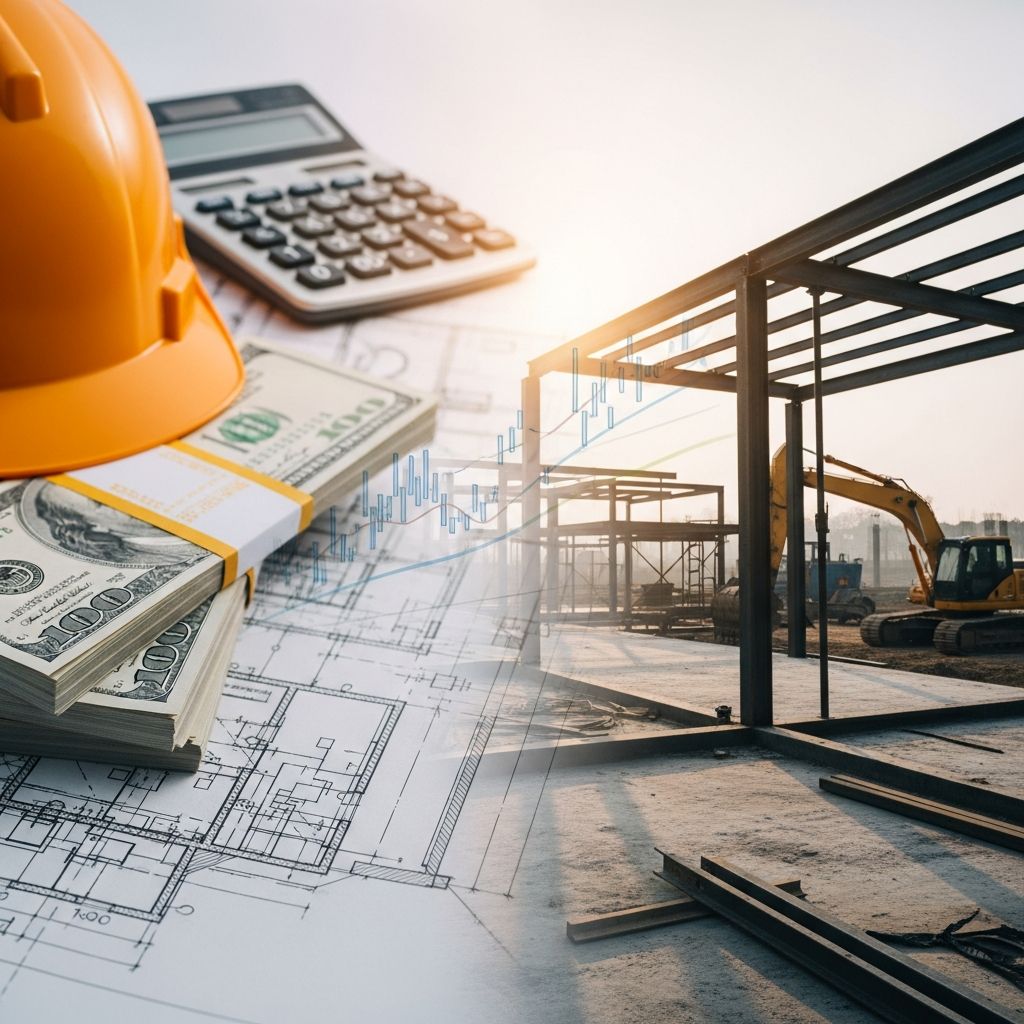
Construction loans provide short-term financing specifically designed for building a new home or major renovations, differing from traditional mortgages by disbursing funds in phases as work progresses.
Understanding the Fundamentals of Construction Financing
These loans typically last 12 months or less, covering costs from land purchase to final completion. Lenders release money, known as ‘draws,’ only after verifying milestones like foundation pouring or framing, minimizing risk for both parties. Borrowers pay interest solely on disbursed amounts, often resulting in lower initial payments compared to full-loan mortgages.
Unlike standard home loans, construction financing demands detailed project plans, budgets, and timelines upfront. Lenders scrutinize credit, income stability, and down payments—often 20% or more—due to the absence of an existing property for collateral appraisal.
Primary Types of Construction Loans
Two main categories dominate: construction-to-permanent and construction-only options, each suiting different borrower needs.
Construction-to-Permanent Loans
This hybrid converts seamlessly into a long-term mortgage upon completion, featuring a single closing to save on fees. Interest rates lock at the start, protecting against market fluctuations. Ideal for those seeking simplicity, these loans demand fewer cash reserves post-build.
Construction-Only Loans
These end with construction, requiring full repayment via cash, refinancing, or a new mortgage. Borrowers gain flexibility to shop rates later but face dual closings and higher upfront reserves. Suited for those anticipating better permanent loan terms.
| Type | Key Features | Best For |
|---|---|---|
| Construction-to-Permanent | Single closing, auto-converts to mortgage, rate lock | Streamlined process seekers |
| Construction-Only | Two closings, flexible end financing | Rate shoppers with reserves |
What Expenses Do Construction Loans Typically Cover?
Lenders customize coverage, but common inclusions span the full project lifecycle:
- Land acquisition costs if not already owned.
- Permits, fees, and architectural plans.
- Materials, labor, and contractor payments.
- Contingency funds for overruns (often 10-20% of budget).
- Closing costs and interest reserves during builds.
Funds go directly to vendors, ensuring proper use. For renovations, loans base amounts on post-project appraisals, enabling equity financing for major upgrades like kitchen overhauls or additions.
Step-by-Step Process of Securing and Using a Construction Loan
- Pre-Approval: Submit financials, credit report, and project details for initial approval.
- Detailed Planning: Provide blueprints, contractor bids, timeline (e.g., 9-12 months), and budget.
- Appraisal and Inspection: Lender assesses land value and projected home worth.
- Closing: Sign documents, pay down payment (20-25% typical).
- Draw Schedule: Funds release post-inspections at stages: site prep, foundation, framing, roofing, interiors.
- Completion: Final inspection triggers conversion or payoff.
Monthly interest-only payments adjust with draws, averaging higher rates (1-2% above mortgages) due to risk.
Advantages That Make Construction Loans Appealing
- Efficient Interest Calculation: Pay only on drawn funds, saving if projects finish under budget.
- Land Inclusion: Finance raw land purchases, unlike many mortgages.
- No Prepayment Penalties: Repay early without fees.
- Flexibility: Tailored terms for unique builds, including jumbo amounts or ARMs.
- Renovation Potential: Lower rates than personal loans for big fixes.
Community developers praise phased funding for maintaining quality and timelines in public projects.
Potential Drawbacks and Risks to Consider
Higher interest rates reflect lender exposure during builds. Larger down payments strain budgets, and staged disbursements demand disciplined contractors. Delays from weather or supply issues can extend terms, accruing extra interest. Two-closing loans double costs, and qualification is stricter without existing collateral.
| Pros | Cons |
|---|---|
| Interest-only on draws | Higher rates/down payments |
| Flexible terms | Staged funding risks delays |
| Land purchase option | Possible dual closings |
Qualification Criteria and Lender Expectations
Expect credit scores above 680, debt-to-income ratios under 45%, and substantial reserves (6-12 months of payments). Self-builds face extra scrutiny; approved builders streamline approval. Government-backed options like FHA or VA ease access for eligible buyers with lower down payments.
Credit unions offer competitive rates tied to community benefits, emphasizing member wellness over profits.
Comparing Construction Loans to Traditional Mortgages
Standard mortgages fund existing homes with immediate principal/interest payments and lower rates. Construction loans prioritize build-phase liquidity but transition to mortgages post-completion. For custom homes on owned land, they outperform home equity lines by covering full scopes without liens on unfinished structures.
Specialized Options: Government and Community Programs
FHA construction-to-permanent loans suit first-timers with modest credit. VA versions aid veterans. Community lenders fund development projects, covering expansions with mission-driven terms.
Frequently Asked Questions (FAQs)
Can construction loans fund renovations?
Yes, for substantial projects; lenders appraise future value to determine limits.
How much down payment is required?
Typically 20-25%, higher for construction-only.
What if construction overruns the timeline?
Extensions possible but add interest; build in buffers.
Are rates fixed or variable?
Both available; construction-to-permanent often locks rates early.
Can I build my own home?
Some lenders allow owner-builders with proven experience.
Navigating Costs: Budgeting for Success
Factor in 10-15% contingencies, architect fees (5-10% of build cost), and soft costs like permits. Total expenses: land (20-30%), materials/labor (50-60%), finishes (20%). Track via apps or lender portals to avoid overruns.
Tips for a Smooth Construction Loan Experience
- Choose experienced, vetted contractors.
- Secure multiple bids for accuracy.
- Monitor draws closely with site visits.
- Shop lenders: banks, credit unions, specialists.
- Consult advisors for tax implications (interest deductibility varies).
Preparation transforms challenges into triumphs, yielding equity-rich custom homes.
References
- Is a Construction Loan Right for You? — Spero Financial. 2023. https://spero.financial/is-a-construction-loan-right-for-you/
- What Are Construction Loans And How Do They Work? — Bankrate. 2025-01-15. https://www.bankrate.com/mortgages/construction-loans-explained/
- Community Development Lending, Explained: Construction Loans — Capital Impact Partners. 2024. https://www.capitalimpact.org/blog/community-development-lending-explained-construction-loans/
- Construction Loans — Fifth Third Bank. 2025. https://www.53.com/content/fifth-third/en/personal-banking/borrowing-basics/mortgage/construction-loan.html
- How Do Construction Loans Work in Florida — Space Coast Credit Union. 2024-06-10. https://www.sccu.com/articles/home-mortgage/florida-construction-loans-guide
Similar Articles








Read full bio of Sneha Tete