Construction Loans Explained: Guide to Building Your Home
Complete guide to construction loans: Learn how they work, requirements, rates, and pros and cons.
What Are Construction Loans and How Do They Work?
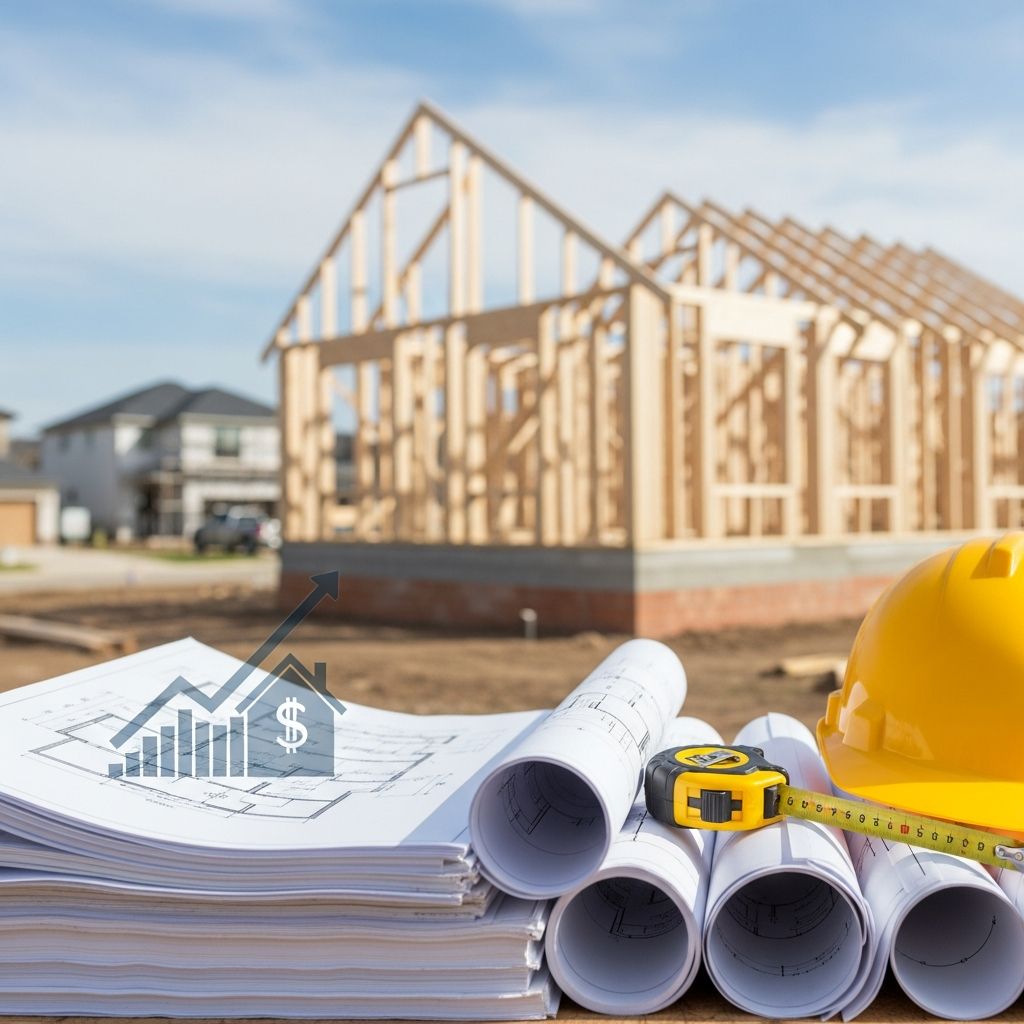
Construction loans are short-term financing options designed specifically for homeowners who want to build a new home rather than purchase an existing one. Unlike traditional mortgages that provide funds upfront for purchasing a completed property, construction loans disburse money in stages as your home is being built. This staged approach helps ensure that funds are used appropriately and that the construction project stays on track. Some construction loans can be converted to permanent mortgages once your home is finished, providing a seamless transition from construction to homeownership.
The fundamental appeal of construction loans lies in their flexibility and purpose-driven structure. They enable borrowers to finance both the land purchase and the actual construction costs, including materials, labor, permits, and other expenses associated with building a new home. However, these loans come with distinct characteristics that set them apart from conventional mortgages in terms of rates, terms, and requirements.
How Construction Loans Work: The Process
The construction loan process follows a unique timeline that differs significantly from traditional mortgage lending. Understanding the mechanics of how these loans function is essential for anyone considering this financing option.
Initial Setup and Approval
When applying for a construction loan, you and your general contractor must provide the lender with comprehensive documentation. This includes a detailed construction timeline, architectural plans, and a realistic budget breakdown. The lender reviews this information to determine the loan amount they’re willing to provide. This initial phase is crucial because lenders need confidence that the project will be completed on schedule and within budget.
Loan Term Duration
The initial term on a construction loan generally lasts a year or less, during which time you must finish the project. This relatively short timeframe keeps the lender’s risk exposure limited and encourages timely project completion. Once the home is finished, borrowers typically must either pay off the construction loan or convert it to a permanent mortgage.
Fund Disbursement: The Draw Process
One of the most important aspects of construction loans is how funds are released. Rather than receiving the entire loan amount upfront, lenders release funds in stages directly to your contractor as major construction milestones are completed. Common trigger points for fund releases include:
- Land acquisition and preparation
- Foundation completion
- Framing installation
- Roofing completion
- Electrical and plumbing work
- Interior finishing
- Final inspection and occupancy
This draw-based system protects both the lender and the borrower by ensuring that construction progress matches funding disbursement.
Interest Payments During Construction
Construction loans feature a different payment structure than traditional mortgages. With a conventional mortgage, you begin repaying both principal and interest immediately. With construction loans, your lender typically requires interest-only payments on the funds drawn to date during the construction stage. This means your monthly payments are lower while construction is ongoing, since you’re only paying interest on the amount that has actually been disbursed, not the full loan amount. Once construction is complete and the loan converts to a mortgage, you’ll begin making principal and interest payments on the full loan amount.
Construction Loan Rates and Interest Considerations
Construction loan interest rates represent one of the most significant differences between these loans and traditional mortgages. Understanding how these rates work is critical for budgeting purposes.
Variable Rate Structure
Unlike traditional mortgage rates, which are often fixed, construction loans typically have variable rates that fluctuate with the prime rate. This means your monthly payment can increase or decrease based on broader market conditions. If interest rates rise during your construction period, your interest-only payments will also rise. Conversely, if rates fall, your payments may decrease. This variability adds an element of uncertainty to your construction budget that borrowers should carefully consider.
Higher Rates Than Traditional Mortgages
Construction loan rates are typically higher than traditional 30-year mortgage rates by approximately one percentage point or more. This difference exists because construction loans carry significantly more risk for lenders. With a traditional mortgage, your completed home acts as collateral, and if you default on your payments, the lender can seize and sell the property to recoup losses. With a construction loan, the lender doesn’t have this option since the home isn’t built yet. The property under construction cannot be easily sold if the borrower defaults, making lenders view these loans as bigger risks and justifying the higher rates.
Construction Loan Requirements
Obtaining a construction loan requires meeting stricter qualification criteria than purchasing an existing home with a conventional mortgage. Lenders need assurance that borrowers are financially capable and that the construction project is viable.
Financial Stability and Credit Score
To get a construction loan, you’ll generally need a credit score of at least 680, though some lenders may require higher scores. Beyond the credit score, lenders evaluate your overall financial stability by examining:
- A low debt-to-income ratio (ideally 45 percent or below)
- Proof of sufficient income to repay the loan
- Stable employment history
- Savings and liquid assets to cover down payments and contingencies
Larger Down Payment
While you may be able to put just 3 percent down on a traditional conventional mortgage, a construction loan lender typically requires a much larger down payment—often closer to 20 percent of the total project cost. The exact amount varies by lender and loan amount, but this substantial upfront investment demonstrates your financial commitment to the project and reduces the lender’s exposure to risk.
Detailed Construction Plan
Lenders require a comprehensive construction plan and schedule from a reputable, licensed construction company. This documentation should include detailed blueprints, a timeline for each construction phase, and a complete budget breakdown. The contractor and any subcontractors must be professionally licensed, and you’ll need to provide copies of their licenses, certificates, and resumes to your lender for approval.
Home Appraisal
Whether you’re getting a construction-only loan or a construction-to-permanent loan, your lender will require a professional appraisal. The appraiser will assess the blueprints, evaluate the value of the lot, examine local market conditions, and consider other relevant details to determine the estimated completed value of the home. This ensures the lender that the home will be worth the money they’re lending you. For construction-to-permanent loans, the home will serve as collateral for the mortgage once construction is complete.
Advantages of Construction Loans
Despite their stricter requirements and higher costs, construction loans offer several meaningful benefits for homeowners who want to build:
Interest-Only Payments During Construction
One significant advantage is that you make interest-only payments during the construction phase on the funds you’ve drawn. This keeps your monthly payment obligations lower while the home is being built, making it easier to budget, especially if you’re maintaining rent payments or another mortgage on your current residence.
Flexible Loan Terms
Construction loans may offer more flexible terms than traditional loans, allowing for adjustments based on construction progress and unforeseen circumstances. This flexibility can be valuable when managing the complexities and potential delays inherent in construction projects.
Customization and Control
By building your own home, you have complete control over design, materials, and finishes, creating a custom property tailored to your specific needs and preferences.
Disadvantages of Construction Loans
Construction loans also come with notable drawbacks that borrowers should carefully consider before committing to this financing option:
Higher Interest Rates and Larger Down Payments
Construction loans carry interest rates approximately one percentage point higher than traditional mortgages, and they require substantially larger down payments (typically 20 percent versus 3-5 percent for conventional loans). These factors increase your overall borrowing costs and require more capital upfront.
Staged Fund Releases
Funds are released in stages rather than all at once, which can complicate cash flow management if construction encounters delays or if you need to make adjustments to the project. You cannot access the full loan amount immediately to address unexpected expenses.
Double Closing Costs
If you take out a construction-only loan and then refinance into a permanent mortgage, you may have to pay two sets of closing costs—one for the construction loan and another for the mortgage. This can add thousands of dollars to your total borrowing expenses. However, construction-to-permanent loans address this issue by combining both stages into a single closing.
Construction and Market Risks
Construction projects carry inherent risks including delays, cost overruns, contractor issues, and quality concerns. Additionally, if property values decline during the construction period, you could end up owing more than the home is worth.
Construction-to-Permanent Loans: A Hybrid Solution
Construction-to-permanent loans offer an alternative that addresses some disadvantages of traditional construction loans. These loans finance both the construction phase and convert automatically to a permanent mortgage upon completion, eliminating the need for a separate refinancing transaction and reducing your total closing costs from two rounds to just one.
Frequently Asked Questions About Construction Loans
Q: What is the typical term length for a construction loan?
A: Construction loans typically have an initial term of one year or less, during which you must complete the project. Once construction is finished, you must pay off the loan or convert it to a permanent mortgage.
Q: Can I lock in a fixed interest rate for a construction loan?
A: Most construction loans have variable rates tied to the prime rate, meaning rates can fluctuate. Some lenders may offer fixed-rate options, but these are less common and may carry higher rates. It’s important to discuss rate options with your specific lender.
Q: What happens if construction takes longer than anticipated?
A: If your project extends beyond the initial loan term, you may need to request a loan extension or refinance into a longer-term construction loan. Many lenders allow for extensions, though this may involve additional fees and extended interest payments.
Q: Do I need to have my lot purchased before applying for a construction loan?
A: Not necessarily. Many construction loans can finance both the land purchase and the building costs. However, you’ll need to have the land under contract or identified for the lender’s appraisal and evaluation.
Q: What’s the minimum credit score needed for a construction loan?
A: Most lenders require a minimum credit score of 680 for construction loans, which is higher than the typical 620 required for conventional mortgages. Some specialized construction lenders may have different requirements.
Q: Can I get a construction loan if I’m self-employed?
A: Yes, but self-employed borrowers may face additional documentation requirements. Lenders typically want to see 2-3 years of tax returns and business financial statements to verify income stability.
References
- Construction Loans Explained — Bankrate, Inc. 2024. https://www.bankrate.com/mortgages/construction-loans-explained/
- Construction-to-Permanent Loans: What They Are and How They Work — Bankrate, Inc. 2024. https://www.bankrate.com/mortgages/construction-to-permanent-loans/
- What Is An FHA Construction Loan? — Bankrate, Inc. 2024. https://www.bankrate.com/mortgages/fha-construction-loans/
- Using A VA Construction Loan To Build A Home — Bankrate, Inc. 2024. https://www.bankrate.com/mortgages/va-construction-loan-process/
- Best Construction Loan Lenders In 2025 — Bankrate, Inc. 2024. https://www.bankrate.com/mortgages/best-lenders/construction-loan-lenders/
Similar Articles








Read full bio of medha deb