Conspicuous Consumption: Why It’s Fading In 2025
Why flashy spending is losing its appeal and how smart consumers are embracing financial prudence over ostentatious displays.
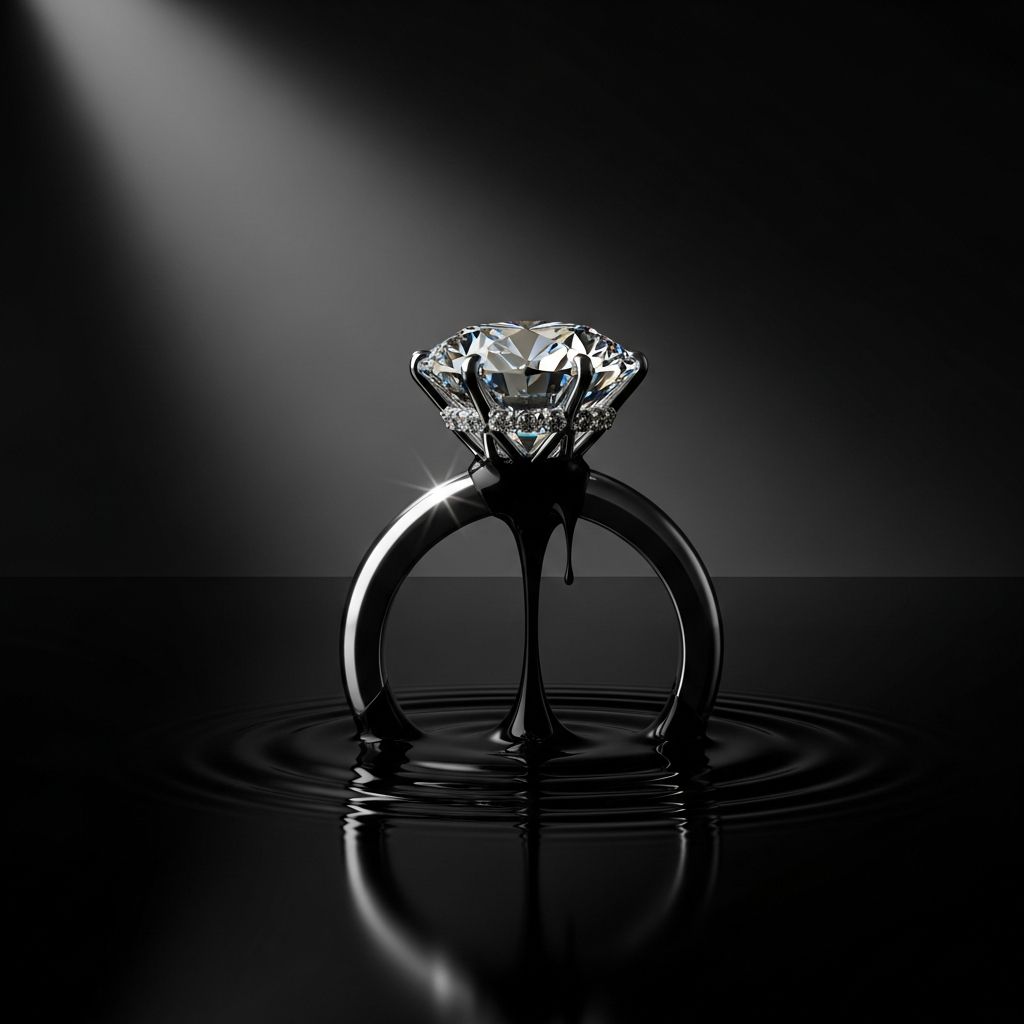
In an era of economic uncertainty and shifting social values, the once-glamorous practice of conspicuous consumption—lavish spending to flaunt wealth—is quietly fading into obscurity. Coined by economist Thorstein Veblen in 1899, this phenomenon involved purchasing luxury goods far beyond functional needs to signal status, such as designer watches or sports cars that scream affluence. Today, a new ethos of stealth wealth and intentional spending is taking center stage, prioritizing financial security over public displays.
What Is Conspicuous Consumption?
Conspicuous consumption refers to the acquisition and display of luxury goods and services primarily to broadcast social status and wealth, rather than for practical utility. As defined by Veblen in The Theory of the Leisure Class, it encompasses buying items like exorbitantly priced brand-name clothing, jewelry, or vehicles that serve as visible symbols of economic power. For instance, opting for a $50,000 Rolex over a $50 functional watch isn’t about timekeeping—it’s about the logo drawing eyes and envy.
Examples abound: luxury cars like Ferraris parked conspicuously at high-end venues, designer handbags with prominent logos, or even expensive pet accessories that signal the owner’s disposable income. Businesses have capitalized on this too, directing sports car owners to visible parking spots to enhance their own prestige through association. The core driver? Social signaling—using expenditure to climb or maintain status hierarchies.
The Rise and Peak of Flashy Spending
Historically, conspicuous consumption peaked in the 1980s and 1990s amid booming economies and consumer credit expansion. Icons like Wall Street yuppies embodied it with power suits, gold watches, and lavish lifestyles. Reality TV shows such as Lifestyles of the Rich and Famous glamorized excess, while social media in the 2000s amplified it further—Instagram feeds overflowed with #RichKidsofInstagram boasting private jets and Birkin bags.
Yet, this era masked vulnerabilities. Many flaunting wealth were leveraged to the hilt with debt, creating a facade of prosperity. The 2008 financial crisis exposed this fragility, as subprime mortgages and overextended credit lines led to widespread bankruptcies among apparent high-rollers.
Why Conspicuous Spending Is Fading
Several forces are dimming the allure of ostentatious displays:
- Economic Pressures: Inflation, stagnant wages, and recessions have made extravagance risky. With U.S. household debt hitting $17.5 trillion in 2023 (Federal Reserve data), consumers prioritize debt reduction over diamonds.
- Social Media Backlash: Platforms now reward authenticity over aspiration. “Flex culture” faces ridicule, with memes mocking debt-fueled luxury.
- Generational Shifts: Millennials and Gen Z, scarred by recessions, favor experiences and sustainability over status symbols. A 2023 Deloitte survey found 70% of young adults prioritize financial wellness over luxury goods.
- Wealth Inequality Awareness: Public scrutiny of billionaires’ yachts amid poverty has made overt displays tone-deaf.
High-profile downfalls, like lottery winners blowing fortunes on bling only to end up broke, underscore the pitfalls.
The Rise of Stealth Wealth
Enter stealth wealth: amassing riches without fanfare. Quiet millionaires drive Toyotas, wear Uniqlo, and live modestly while investing aggressively. Books like The Millionaire Next Door popularized this, revealing that true wealth-builders avoid flashy traps.
Examples include tech moguls in hoodies or finance pros in off-the-rack suits. Rob Lowe’s podcast anecdotes highlight celebrities blending in to preserve privacy and security. This approach yields compounding returns—money not spent on logos builds equity.
Minimalism: Less Is the New Luxury
Minimalism flips the script, equating worth with intentionality, not accumulation. Pioneered by figures like Joshua Fields Millburn, it advocates owning fewer, higher-quality items that spark joy.
- Wardrobe Capsule: A 30-piece outfit rotation from brands like Everlane emphasizes timeless pieces over seasonal trends.
- Home Decluttering: Marie Kondo’s KonMari method has sold millions, promoting spaces that serve rather than showcase.
- Digital Minimalism: Cal Newport’s strategies curb social media scrolling, freeing time for wealth-building pursuits.
Benefits? Reduced stress, lower costs (average minimalist saves 20-30% on lifestyle expenses), and environmental gains—less consumption means smaller carbon footprints.
Sustainable and Ethical Spending
Today’s savvy spenders demand purpose. Buycott apps scan products for ethical sourcing, shunning fast fashion for brands like Patagonia that prioritize durability and planet-friendly materials.
Thrift culture thrives via Depop and Poshmark, where pre-loved luxury fetches value without new production waste. A 2024 Ellen MacArthur Foundation report notes resale markets will hit $350 billion by 2027, outpacing traditional retail growth.
Financial Independence and Early Retirement (FIRE)
The FIRE movement embodies anti-conspicuous ethos. Followers slash spending to save 50-70% of income, aiming for retirement in their 30s or 40s. Key tenets:
| Strategy | Description | Projected Savings Boost |
|---|---|---|
| Index Fund Investing | Low-fee Vanguard or Fidelity funds tracking S&P 500. | 7-10% annual returns historically. |
| Side Hustles | Gig economy roles like Uber or freelancing. | Adds 20-50% to income. |
| Geo-Arbitrage | Low-cost living in places like Thailand while earning U.S. salary. | Cuts expenses 40-60%. |
Communities like r/financialindependence on Reddit boast 1M+ members sharing no-logo lifestyles.
Value Investing Over Brand Names
Smart buyers seek utility: a $30,000 Tesla for efficiency vs. a gas-guzzling Lamborghini, or Allbirds sneakers outperforming hyped Nikes in comfort tests. Consumer Reports consistently rates store brands higher in blind tests, debunking premium myths.
Experiences Trump Possessions
Research from Cornell University shows experiences (concerts, travel) deliver lasting happiness over goods, which depreciate and collect dust. Post-pandemic, “revenge travel” favored meaningful trips over trinkets.
Social Media’s Evolving Role
Platforms now celebrate #VanLife campers over yacht influencers. TikTok’s “loud budgeting” trend encourages transparent, frugal sharing, democratizing wealth wisdom.
Frequently Asked Questions (FAQs)
Q: Is conspicuous consumption still relevant today?
A: While it persists among elites, broader society is shifting to stealth wealth due to economic realities and cultural changes.
Q: How do I transition to stealth wealth?
A: Audit expenses, invest in index funds, opt for quality basics, and avoid logos—focus on net worth growth.
Q: What’s the environmental impact of minimalism?
A: It slashes waste; one minimalist wardrobe reduces textile pollution equivalent to 1,000 plastic bottles annually.
Q: Can FIRE work for average earners?
A: Yes, with disciplined saving (50%+ rate) and low-cost living, many achieve it on $60K salaries.
Q: Why avoid designer brands?
A: They charge 5-10x production costs for branding; generics match quality at a fraction of the price.
Conclusion: Embrace the Fade
As conspicuous spending fades to black, a brighter financial future emerges. By prioritizing stealth wealth, minimalism, and purpose, you build lasting security and fulfillment. The new status symbol? Freedom from debt and the quiet confidence of true abundance.
References
- Conspicuous Consumption | Definition, Types & Examples — Study.com. 2023. https://study.com/academy/lesson/conspicuous-consumption-definition-examples.html
- 24 Conspicuous Consumption Examples (2026) — Helpful Professor. 2026-01-01. https://helpfulprofessor.com/conspicuous-consumption-examples/
- Conspicuous Consumption — Wikipedia. 2024-05-15. https://en.wikipedia.org/wiki/Conspicuous_consumption
- Conspicuous Consumption – Definition — Merriam-Webster. 2024. https://www.merriam-webster.com/dictionary/conspicuous%20consumption
- Conspicuous Consumption — EBSCO Research Starters. 2023-08-10. https://www.ebsco.com/research-starters/political-science/conspicuous-consumption
Similar Articles








Read full bio of medha deb