Conspicuous Consumption: Definition, Examples & Economic Impact
Understanding how wealth display shapes consumer behavior and social status.
What Is Conspicuous Consumption?
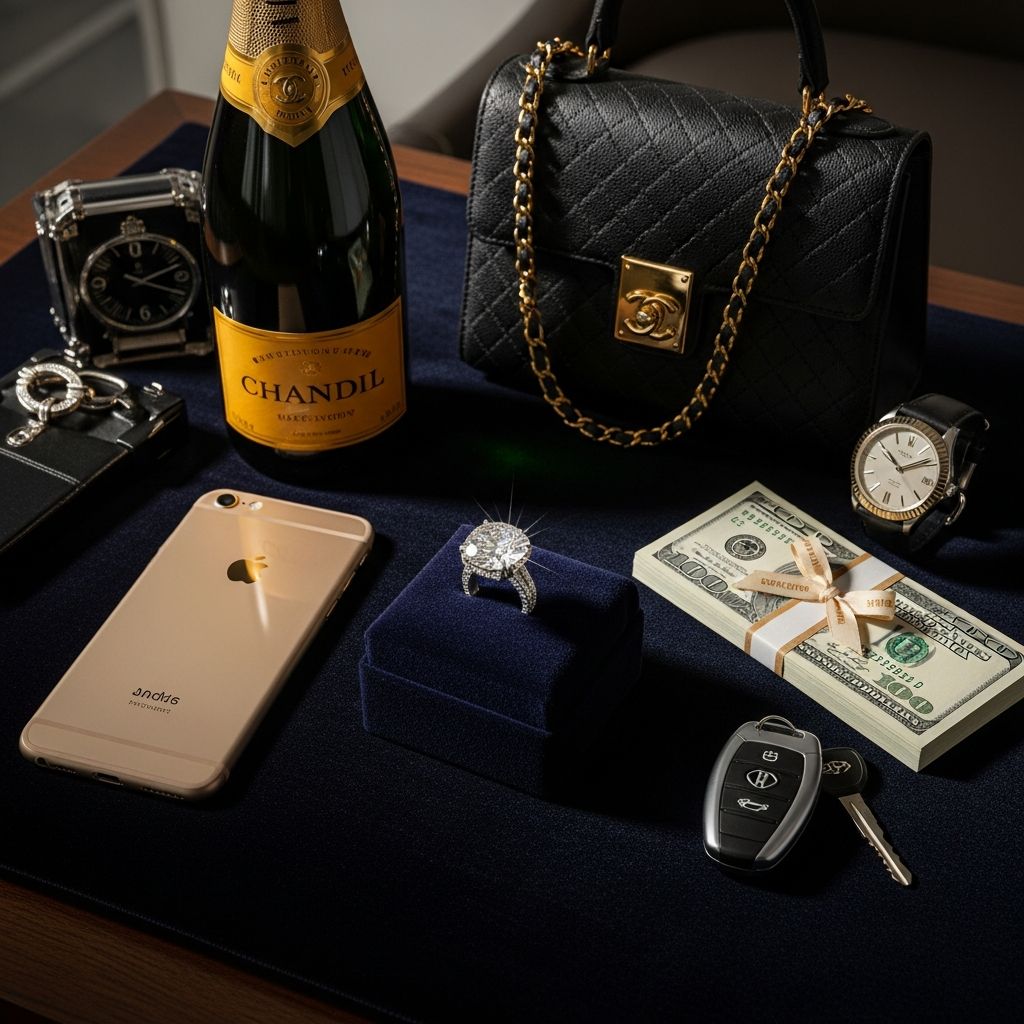
Conspicuous consumption is an economic concept describing the purchase of goods and services primarily to display wealth, social status, and economic power to others. Rather than buying items based on functional necessity, conspicuous consumers select products specifically because they are expensive, exclusive, or carry prestigious brand names. The term was coined by economist and sociologist Thorstein Veblen in 1899 when he published his seminal work, The Theory of the Leisure Class, which examined the relationship between purchasing luxury items, the appearance of wealth, and social stratification.
The key distinction in conspicuous consumption is intention. Simply purchasing an expensive item does not constitute conspicuous consumption; rather, it is the deliberate public display and acknowledgment of that purchase for the purpose of signaling wealth and prestige. A person who buys a luxury watch purely for telling time engages in ordinary consumption. However, someone who purchases an expensive designer watch and frequently mentions its cost or displays its prominent logo is practicing conspicuous consumption. The behavior is fundamentally about broadcasting purchasing power to achieve or maintain social standing within a community.
The Origins: Thorstein Veblen’s Theory
Thorstein Veblen revolutionized economic and sociological thinking with his analysis of consumer behavior among the wealthy elite. In The Theory of the Leisure Class, Veblen proposed that individuals in the upper socioeconomic classes purchase expensive, unnecessary goods to demonstrate their membership in what he called the “leisure class”—those with sufficient wealth to avoid productive labor and instead engage in conspicuous leisure and consumption.
Veblen’s central hypothesis suggested that people desire and acquire products costing far more than their practical value because these goods convey an impression of wealth and superiority. The ability to waste money on unnecessary luxuries becomes a form of social currency, establishing and reinforcing class hierarchies. Veblen argued that this conspicuous consumption begins with the wealthy, who engage in these practices to distinguish themselves from lower classes. Importantly, Veblen observed that patterns of conspicuous consumption don’t remain confined to the wealthy; they cascade downward through society as middle and working classes attempt to emulate the consumption patterns of those above them.
This observation remains remarkably relevant today. Veblen’s framework explains why aspirational consumers across income levels pursue luxury brands and status symbols—they seek to signal membership in a higher social class or to close the perceived gap between their current status and their desired position.
Key Characteristics of Conspicuous Consumption
Several defining features distinguish conspicuous consumption from ordinary purchasing decisions:
- Visibility: The purchase must be publicly visible or the purchaser must actively make it known. Items displayed prominently with recognizable logos serve this function well.
- Excessive Cost: The price substantially exceeds the functional value. The item could perform the same function at a fraction of the cost.
- Intent to Display: The primary motivation is drawing attention to the purchase rather than fulfilling a practical need.
- Status Signaling: The purchase communicates wealth, taste, exclusivity, or membership in a desirable social group.
- Brand Prominence: Many conspicuous purchases feature prominently displayed designer logos, making the brand immediately recognizable to others.
Veblen Goods: The Economics of Luxury
A particularly interesting phenomenon related to conspicuous consumption involves Veblen goods—luxury products that demonstrate an unusual economic characteristic: demand increases as price increases. This defies standard economic theory, where higher prices typically reduce demand. However, with Veblen goods, the elevated price itself becomes the primary appeal because it signals exclusivity and wealth.
Veblen described the price difference between an economical version of an item and a luxury version as “waste”—yet this waste becomes the point. Consumers purchasing Veblen goods may actively avoid discounted versions because lower prices would diminish the status signal. A luxury handbag marked down 50% in a clearance sale loses much of its conspicuous consumption value. The high price tag is essential to the product’s social function.
Common examples of Veblen goods include:
- Designer handbags and accessories with visible logos
- Luxury automobiles and sports cars
- High-end watches and jewelry
- Exclusive real estate and vacation properties
- Premium luxury wines and champagnes
- Designer clothing and fashion accessories
- Exclusive club memberships and elite experiences
Real-World Examples of Conspicuous Consumption
Conspicuous consumption manifests in numerous ways across modern society. Understanding practical examples illuminates how this economic behavior operates in daily life.
Fashion and Designer Goods
One of the most visible arenas for conspicuous consumption is high fashion. A consumer purchasing a designer shirt with a prominently displayed brand logo exemplifies this behavior. The shirt may function identically to a non-branded alternative costing one-tenth the price, yet the designer version serves primarily to communicate the wearer’s ability to afford luxury. The visible logo transforms the garment into a status symbol.
Luxury Automobiles
Purchasing a luxury sports car when a standard vehicle would serve the same transportation function represents conspicuous consumption. The luxury car’s elevated cost, distinctive design, and prestige badges signal wealth and success. Many luxury car owners actively maintain visibility of their vehicles through parking choices and driving in public spaces where others can observe the purchase.
Luxury Watches
Spending thousands of dollars on a luxury watch instead of a functional timepiece illustrates conspicuous consumption perfectly. A person wearing a high-end watch frequently mentions its brand and cost, makes sure the prominent logo is visible, and discusses its exclusivity—all behaviors consistent with conspicuous consumption rather than simple timekeeping.
Extravagant Vacations
Booking expensive luxury vacations at exclusive resorts and prominently discussing these experiences on social media represents modern conspicuous consumption. The vacation itself is celebrated and displayed, with details about cost and exclusivity shared widely. The consumption becomes more about broadcasting the experience than enjoying it.
Public Displays of Wealth
Conspicuous consumption also manifests in everyday social interactions. Speaking loudly in restaurants about expensive purchases, leisurely discussing the cost of luxury items, or frequently mentioning prestigious brands and exclusive experiences all constitute behaviors driven by conspicuous consumption motivations.
Economic and Social Effects
Conspicuous consumption generates significant ripple effects throughout economies and societies. These effects operate on multiple levels:
Positive Economic Impacts
Conspicuous consumption can stimulate economic growth by increasing demand for luxury goods and services. The luxury industry generates substantial employment, tax revenue, and economic activity. High-end fashion, automotive, jewelry, and hospitality sectors all benefit from conspicuous consumption patterns. This spending supports craftspeople, designers, retailers, and service providers who depend on the luxury market.
Consumer Behavior and Advertising
Conspicuous consumption drives enormous advertising and marketing expenditures. Luxury brands invest heavily in building brand prestige and visibility because consumers are willing to pay premiums for status-signaling products. Advertising increasingly emphasizes status, exclusivity, and social positioning rather than functional benefits. This has transformed consumer culture significantly across decades.
Negative Social Effects
Conspicuous consumption contributes to several problematic social dynamics. Economic inequality becomes more visible and pronounced as status symbols highlight wealth gaps. The practice creates competitive pressures within social groups, driving spending that exceeds practical needs or financial prudence. Particularly concerning, lower-income individuals often attempt to participate in conspicuous consumption patterns by borrowing money to purchase status symbols they cannot otherwise afford.
Credit and Debt Cycles
Research indicates that conspicuous consumption increases borrowing frequency, particularly among lower-income populations. People take out loans specifically to finance luxury purchases and status signals. Access to credit enables conspicuous consumption at all income levels, creating cycles where poor families borrow to signal status, worsening economic inequality. This phenomenon has intensified with the expansion of consumer credit and digital banking.
Conspicuous Consumption Across Socioeconomic Classes
While Veblen initially focused on wealthy elites, modern conspicuous consumption pervades all socioeconomic levels. Middle-class and working-class consumers engage in conspicuous consumption using available resources, purchasing what they can afford within their price ranges. This creates a cascade effect where consumption patterns originate with the wealthy and gradually diffuse downward through society.
In emerging economies particularly, conspicuous consumption serves powerful social functions. Individuals rising from poverty often engage in visible luxury consumption to signal their economic ascent and new social status. This behavior is especially pronounced in societies with high income inequality and significant class mobility.
Modern Extensions: Beyond Material Goods
Contemporary conspicuous consumption extends beyond traditional luxury purchases to encompass experiences, cultural engagement, and even charitable giving. Posting vacation photographs on social media, publicly discussing premium memberships, or highlighting cultural events attended all represent modern forms of conspicuous consumption. The public display component has become central as social media enables unprecedented visibility of consumption choices.
Conspicuous Compassion
An intriguing variant called conspicuous compassion describes publicly donating large sums to charitable causes primarily to enhance social prestige. While charitable giving benefits recipients, conspicuous compassion prioritizes public recognition of the donation. This practice dates back centuries; the New Testament story of the widow’s mite critiques wealthy people who donate ostentatiously while praising those who give modestly and privately.
Frequently Asked Questions
What is the difference between conspicuous consumption and regular consumption?
Regular consumption involves purchasing goods based on functional necessity and personal preference. Conspicuous consumption specifically involves purchasing goods to publicly display wealth and social status, with the primary motivation being external perception rather than internal utility. The visibility and intentional display of the purchase distinguish conspicuous consumption.
Who coined the term conspicuous consumption?
Economist and sociologist Thorstein Veblen coined the term in 1899 in his book The Theory of the Leisure Class. Veblen developed the concept to explain wealth-signaling behavior among the upper classes and how this behavior influenced broader social hierarchies and consumption patterns.
What are Veblen goods and how do they differ from normal goods?
Veblen goods are luxury products where demand increases as price increases, defying normal economic principles. With normal goods, higher prices reduce demand. With Veblen goods, the high price itself becomes the primary appeal because it signals exclusivity and wealth. Consumers may avoid discounted Veblen goods because lower prices diminish their status-signaling function.
Can middle-income and low-income people engage in conspicuous consumption?
Yes. While Veblen initially described the behavior among wealthy elites, people of all socioeconomic levels engage in conspicuous consumption using available resources. Middle-class and working-class individuals purchase luxury items within their means to signal status. This often involves borrowing, which can create problematic debt cycles.
How does conspicuous consumption affect the economy?
Conspicuous consumption drives economic growth by increasing demand for luxury goods and services, supporting employment in premium sectors. However, it also increases consumer borrowing, worsens economic inequality, and can encourage unsustainable spending patterns. The economic effects are mixed, with benefits for luxury industries offset by social costs of increased inequality and debt.
Is conspicuous consumption always negative?
Not necessarily. While conspicuous consumption can contribute to inequality and unsustainable debt, it also drives innovation in luxury sectors and provides employment. The behavior reflects fundamental human desires for status and recognition. The concern centers more on societal-level effects, such as increased inequality and problematic borrowing patterns, rather than individual purchasing decisions.
References
- Conspicuous Consumption — Study.com. 2024. https://study.com/academy/lesson/conspicuous-consumption-definition-examples.html
- The Theory of the Leisure Class — Thorstein Veblen. 1899. Original theoretical work establishing the foundational framework for understanding conspicuous consumption in economic and sociological contexts.
- Conspicuous Consumption: Economic Behavior and Social Status — EBSCO Research Starters. 2024. https://www.ebsco.com/research-starters/political-science/conspicuous-consumption
- Conspicuous Consumption in Emerging Economies — World Bank Economic Review. 2023. Analysis of consumption patterns and status signaling in developing markets with emerging middle classes.
Similar Articles








Read full bio of medha deb