Conspicuous Consumption: Definition, Economics & Examples
Understanding how wealth display shapes consumer behavior and social status through luxury purchases.

What Is Conspicuous Consumption?
Conspicuous consumption is an economic and sociological concept that describes the purchasing of goods primarily to display wealth and social status to others, rather than for their functional necessity. The term refers to the intentional and visible acquisition of luxury items and high-quality goods that exceed what is practically required, with the explicit purpose of showcasing one’s economic power and social position. This behavior is particularly prominent in capitalist societies where class divisions are clearly defined and wealth disparities are visible across different demographic groups.
The key distinction of conspicuous consumption lies not merely in the act of buying expensive items, but in the deliberate and noticeable manner in which these purchases are made and displayed. A person might purchase a luxury watch that functions identically to an affordable alternative, but the true conspicuous consumption occurs when the individual actively reveals the watch’s cost and brand name to others. This public display of discretionary income serves as a social signal, communicating to peers and society at large that the buyer possesses sufficient wealth to make such unnecessary expenditures.
Unlike typical consumption, which aims to satisfy basic needs or personal preferences, conspicuous consumption is fundamentally driven by the desire for recognition and the establishment of social hierarchy. Individuals engaged in this behavior prioritize how their purchases are perceived by others over the intrinsic value or utility of the goods themselves. This psychological and economic phenomenon has become increasingly prevalent in modern consumer societies, where material possessions often serve as visible markers of success and social standing.
The History and Origins of Conspicuous Consumption
The term “conspicuous consumption” was coined by economist and sociologist Thorstein Veblen in 1899 in his seminal work The Theory of the Leisure Class. Veblen developed this concept to explain the spending patterns of the wealthy elite during the Victorian era, particularly their acquisition of goods that served no practical purpose beyond demonstrating their accumulated wealth and social superiority. In his groundbreaking analysis, Veblen argued that the upper classes deliberately purchased extravagant and visibly unnecessary items to differentiate themselves from lower socioeconomic classes and to reinforce their position within the social hierarchy.
Veblen’s theory proposed that conspicuous consumption serves as a mechanism for status competition within the leisure class—those individuals wealthy enough to engage in nonproductive activities and spending. According to his hypothesis, people desire and purchase products that cost significantly more than their functional worth because these goods provide the owner with an impression of wealth and power. The ability to display wealth through unnecessary spending became, in Veblen’s analysis, the very foundation upon which social classes were built and maintained.
The historical context of Veblen’s work was crucial to understanding his theory. The late 19th century witnessed unprecedented wealth accumulation among industrialists and business magnates, who sought visible ways to distinguish themselves from the emerging middle class. Veblen observed that this display of wealth through consumption was not merely about personal satisfaction but was fundamentally a competitive social practice aimed at establishing and maintaining status hierarchies.
Key Characteristics of Conspicuous Consumption
Several defining characteristics distinguish conspicuous consumption from ordinary purchasing behavior:
Public Display and Visibility: The consumption must be noticeable and observable by others. Items purchased for conspicuous consumption often feature visible logos, distinctive designs, or unmistakable branding that signals their luxury status and price point. A designer handbag with prominent logos visible to observers exemplifies this characteristic.
Price Premium Without Functional Justification: Conspicuous consumption involves paying substantially more for goods than necessary to achieve their fundamental purpose. A person might spend thousands on a luxury watch that keeps time no better than an affordable alternative, or purchase a designer shirt that provides no superior functionality compared to a basic garment.
Intent to Signal Wealth: The primary motivation behind conspicuous consumption is communicating economic power to others. Individuals practicing this behavior are often eager to make known the price and brand of their expensive possessions. They may openly discuss vacation expenditures, proudly display luxury brand names, or engage in conversations specifically designed to highlight their purchasing power.
Social Status Motivation: The underlying driver is the desire to achieve or maintain a particular social status or class position. Rather than purchasing based on personal preference or need, conspicuous consumers select products specifically because they project an image of wealth and success to their social peer group.
Veblen Goods and Demand Paradox
Central to the theory of conspicuous consumption is the concept of “Veblen goods,” a special category of luxury items with unique economic characteristics. Veblen goods are products for which demand increases as prices rise, a phenomenon that contradicts conventional economic theory. Typically, when a good’s price increases, demand decreases—a relationship known as the law of demand. However, Veblen goods operate according to a different principle.
In the case of Veblen goods, consumers may deliberately purchase items because they are expensive, viewing the elevated price as evidence of exclusivity, quality, and status. A luxury brand may raise its prices specifically to enhance its prestige value and attract conspicuous consumers who associate higher cost with greater desirability. This counterintuitive demand relationship reveals that for certain goods, the price itself becomes a primary component of the product’s appeal.
Common examples of Veblen goods include:
Designer Fashion and Accessories: Luxury handbags, shoes, and apparel from prestigious brands often command premium prices that bear little relation to their material or manufacturing costs. The brand name and exclusivity drive demand.
Luxury Vehicles: High-end sports cars and luxury automobiles function mechanically similar to vehicles costing a fraction of the price, yet their elevated cost enhances their appeal to status-conscious consumers.
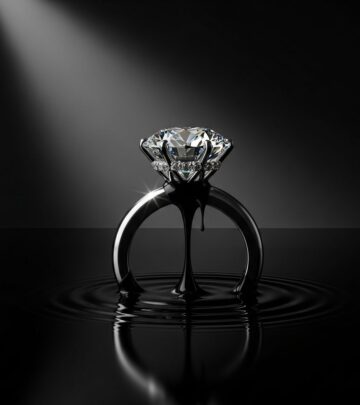
Fine Jewelry and Diamonds: Precious gemstones and jewelry serve as quintessential status symbols, with their prices reflecting rarity, brand prestige, and the wearer’s ability to afford such luxuries.
Exclusive Experiences: Luxury vacations, fine dining at Michelin-starred restaurants, and exclusive club memberships represent services purchased primarily for their status-signaling capacity.
Psychological Drivers Behind Conspicuous Consumption
Multiple psychological and social factors motivate individuals to engage in conspicuous consumption. Understanding these drivers provides insight into why this behavior persists across different cultures and economic systems.
Social Recognition and Peer Comparison: According to Veblen’s original theory, people consume conspicuously primarily to gain recognition from their peers and to achieve a higher social status within their community. This behavior reflects an innate human desire to be acknowledged and respected by others, with material possessions serving as tangible evidence of achievement and worth.
Insecurity and Self-Image Protection: An alternative psychological explanation suggests that conspicuous consumption stems from personal insecurity. Individuals may use luxury goods to mask their shortcomings and hide perceived deficiencies, believing that expensive possessions will enhance their public image and compensate for internal doubts about their social position.
Cultural and Collectivist Values: In collectivist cultures that emphasize external values and public perception, conspicuous consumption becomes particularly prevalent. In such societies, purchase decisions are largely influenced by how acquisitions will be perceived by others rather than by personal satisfaction or need. The primary driver becomes “recognition by others” rather than individual utility.
Advertising and Brand Association: Modern advertising plays a substantial role in promoting conspicuous consumption. When companies market products as luxury brands associated with exclusivity and prestige, consumers internalize the message that owning these products will elevate their status and self-image. The link between brand consumption and positive self-perception becomes reinforced through repeated marketing exposure.
Economic Impact and Social Consequences
Conspicuous consumption exerts profound effects on economic systems and social structures. These impacts extend beyond individual purchasing decisions to shape broader economic patterns and social inequalities.
Effects on Consumer Behavior and Demand: Conspicuous consumption patterns influence how wealth in one class trickles down to influence purchasing behaviors in lower income groups. Observing the spending habits of the wealthy, individuals in middle and lower-income brackets often attempt to emulate these patterns through their own purchases, even when their financial resources are substantially more limited. This creates cascading consumption patterns throughout society.
Credit and Borrowing Trends: The pursuit of status through consumption often leads individuals to borrow money beyond their means. Lower-income individuals may take out loans specifically to purchase luxury goods that will signal status, creating a problematic cycle where debt is accumulated to maintain the appearance of wealth.
Economic Inequality Amplification: Access to credit worsens economic inequality in the context of conspicuous consumption. When poor people borrow money to signal status through consumption, they enter a vicious cycle of debt accumulation while the wealthy can purchase luxury goods using actual disposable income. This structural disadvantage perpetuates and widens wealth gaps across society.
Effects on Advertising and Marketing: Conspicuous consumption dramatically influences how companies advertise and market products. Luxury brands have developed entire marketing strategies around the status-signaling aspects of their goods, emphasizing exclusivity, prestige, and the social benefits of ownership rather than functional superiority.
Modern Examples of Conspicuous Consumption
Contemporary society offers numerous examples of conspicuous consumption across various product categories and lifestyle domains:
Fashion and Accessories: Designer handbags, luxury watches, and high-end clothing with visible branding exemplify modern conspicuous consumption. Individuals prominently display logos and price points to communicate their purchasing power to observers.
Automotive Industry: Luxury vehicles from brands like Ferrari, Lamborghini, and Rolls-Royce serve primarily as status symbols. These automobiles often perform no better than significantly less expensive alternatives, yet their elevated prices reflect their value as wealth displays.
Technology and Electronics: Premium smartphones, computers, and accessories from exclusive brands represent modern conspicuous consumption, particularly when individuals actively highlight the cost and exclusivity of their devices.
Real Estate: Luxury homes, vacation properties, and penthouses serve as significant conspicuous consumption items, with their elevated prices largely reflecting location prestige and status appeal rather than superior functionality.
Experiential Consumption: Luxury vacations, exclusive resort memberships, fine dining experiences, and high-cost entertainment represent modern forms of conspicuous consumption through service acquisition rather than product ownership.
Beyond Material Goods: Modern Perspectives
Contemporary manifestations of conspicuous consumption extend beyond traditional material possessions. Modern conspicuous consumption increasingly includes:
Cultural Capital Display: Attending exclusive cultural events, maintaining memberships to prestigious institutions, and participating in high-status leisure activities serve as modern forms of conspicuous consumption that signal refined taste and cultural sophistication.
Philanthropic Display: Conspicuous consumption has evolved to encompass charitable giving and philanthropic activities, where individuals publicly donate substantial sums to gain recognition and enhance their social reputation.
Experience and Lifestyle Signaling: Social media has created new avenues for conspicuous consumption, where individuals publicly display luxury experiences, travels, and lifestyle choices to broadcast their status to broader audiences.
Frequently Asked Questions
Q: Is conspicuous consumption limited to wealthy individuals?
A: No. While conspicuous consumption originated among the wealthy, people of any socioeconomic status can participate in this behavior. Lower-income individuals often attempt to emulate the consumption patterns of wealthier classes, sometimes by borrowing money to purchase status symbols.
Q: What is the difference between conspicuous consumption and ordinary luxury purchases?
A: The key distinction is intent and display. Simply purchasing an expensive item does not constitute conspicuous consumption. Rather, the “showing off” of the item—making its cost and brand known to others—is what makes it conspicuous consumption. A person buying a luxury watch purely for their own enjoyment would not be engaging in conspicuous consumption, but one who frequently mentions the watch’s cost to others would be.
Q: How has social media influenced conspicuous consumption?
A: Social media has dramatically amplified conspicuous consumption by providing platforms where individuals can publicly display their purchases, experiences, and lifestyle choices to large audiences. The ability to receive likes, comments, and recognition for luxury displays has intensified status-driven consumption behaviors.
Q: Are Veblen goods available only in luxury markets?
A: While Veblen goods are most common in luxury markets, the principle of increased demand with higher prices can apply to various product categories. Any good where price is associated with exclusivity, quality perception, or status can exhibit Veblen good characteristics.
Q: What are the long-term societal effects of widespread conspicuous consumption?
A: Widespread conspicuous consumption can exacerbate income inequality, encourage unsustainable debt accumulation among lower-income populations, drive excessive advertising and marketing focused on status rather than functionality, and contribute to environmental concerns through overconsumption of unnecessary goods.
Conclusion
Conspicuous consumption remains a powerful force in modern economic and social systems. Originating from Thorstein Veblen’s 19th-century observations of the wealthy elite, this concept has evolved to encompass consumption patterns across all socioeconomic levels and extends beyond material goods into experiences and cultural capital. Understanding conspicuous consumption is essential for comprehending consumer behavior, economic inequality, and the role of status symbols in contemporary society. As social media continues to evolve and provide new platforms for displaying wealth and status, the manifestations and impacts of conspicuous consumption will likely continue to transform, shaping economic systems and social hierarchies in increasingly complex ways.
References
- Conspicuous Consumption: Definition, Types & Examples — Study.com. 2024. https://study.com/academy/lesson/conspicuous-consumption-definition-examples.html
- Conspicuous Consumption — Wikipedia. 2025. https://en.wikipedia.org/wiki/Conspicuous_consumption
- Conspicuous Consumption — EBSCO Research Starters. 2024. https://www.ebsco.com/research-starters/political-science/conspicuous-consumption
- Conspicuous Consumption: Definition, Reason, Influence — Corporate Finance Institute. 2024. https://corporatefinanceinstitute.com/resources/economics/conspicuous-consumption/
Similar Articles








Read full bio of Sneha Tete