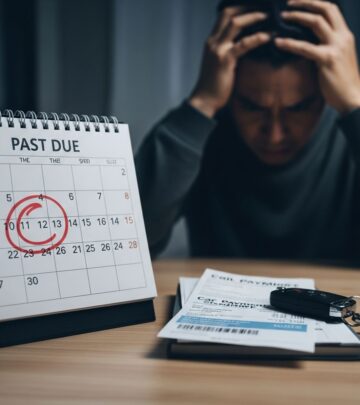
Consequences of Missing Insurance Premiums
Discover the severe financial, legal, and personal risks of not paying your insurance premiums on time and how to avoid them.

Insurance premiums are the lifeblood of your policy, ensuring continuous protection against life’s uncertainties. Failing to pay them on time triggers a cascade of negative outcomes, from immediate loss of coverage to long-term financial repercussions. This comprehensive guide examines the risks across major insurance types, drawing on industry practices and regulatory standards to help you navigate these pitfalls.
Understanding Premium Payments and Grace Periods
Premiums must be paid by their due date to maintain active coverage. Most insurers provide a grace period, typically 10 to 30 days, during which you can catch up without immediate cancellation. This buffer acknowledges occasional oversights but isn’t indefinite. For instance, auto insurance grace periods vary by state, often ranging from 10 to 20 days.
During this window, coverage generally remains intact, but risks emerge if claims are filed near the end. Health insurance under Marketplace plans offers 1-3 months depending on subsidies: non-subsidized plans terminate after one month, while subsidized ones allow three but retroactively end coverage earlier if unpaid.
- Reminder notices arrive shortly after due dates, often with minor late fees.
- Ignoring them escalates to cancellation notices.
- Payment within grace restores coverage, sometimes requiring full catch-up plus future premiums.
Immediate Risks: Loss of Coverage and Exposure
The most direct consequence is a policy lapse, leaving you uninsured. Without protection, any incident—car crash, home damage, medical emergency—falls entirely on your wallet. For home or renters insurance, a single missed payment means no coverage for storms, theft, or liability claims.
| Insurance Type | Typical Grace Period | Risk During Lapse |
|---|---|---|
| Auto | 10-20 days | Accidents, tickets, license suspension |
| Health (Marketplace) | 1-3 months | Full medical bills, no subsidies |
| Home/Renters | 30 days | Property damage, liability costs |
| Life | 30 days | Policy termination, loss of benefits |
In California, driving uninsured suspends vehicle registration and may revoke your driver’s license, plus fines. Lenders for insured homes or cars might force-place costly policies, adding premiums to your loan balance and risking foreclosure if unpaid.
Financial Fallout: Credit Damage and Collections
Unpaid balances often go to collections after grace periods expire. This delinquency appears on your credit report for seven years, slashing your score—especially damaging since insurers check credit for rates. A low score hikes not just insurance but loans, rentals, and utilities.
Collections agencies pursue aggressively, compounding stress with daily contacts. Even paid collections linger, though some models ignore them post-resolution.
Long-Term Impacts: Higher Costs and High-Risk Status
A lapse brands you high-risk, leading to premium surges or non-renewal. New insurers verify lapses via databases, demanding annual upfront payments or denying coverage despite clean claims histories.
Consistent coverage keeps rates low; even brief gaps inflate future quotes significantly. Life insurance lapses mean reapplying, often at higher rates due to age or health changes.
Type-Specific Consequences
Auto Insurance Pitfalls
States mandate minimum coverage; lapses violate laws, triggering fines, SR-22 requirements, or impoundment. Insurers may cancel mid-term, forcing expensive replacements.
Health Insurance Challenges
Post-grace termination bars reenrollment until open periods or qualifying events, leaving you liable for all care. Subsidized plans retro-bill after three months, voiding aid for unpaid periods.
Home and Renters Insurance Dangers
No coverage exposes you to repair costs, theft losses, or lawsuits from injuries on your property—all out-of-pocket.
Life Insurance Lapses
After 30 days, policies enter lapsed status; reinstatement windows close, requiring new applications without prior benefits like cash value.
Steps to Recover and Reinstate Coverage
Act swiftly upon missing a payment:
- Contact your insurer immediately to discuss options.
- Pay arrears plus any fees during grace.
- Expect requirements like full remaining premium or proof of payment methods.
- Shop alternatives if non-renewed, disclosing lapses honestly.
Some offer automatic reinstatement, but repeated issues lead to permanent drops.
Prevention Strategies for Reliable Coverage
Avoid crises with proactive habits:
- Autopay setup: Links bank accounts or cards for seamless deductions.
- Calendar alerts: Track due dates amid busy schedules.
- Budget integration: Treat premiums as fixed essentials like rent.
- Multiple methods: Use apps, online portals, or agents for flexibility.
- Policy reviews: Annually adjust for discounts or changes.
Building payment history bolsters your insurance score, distinct from credit but payment-influenced.
Frequently Asked Questions (FAQs)
What is the standard grace period for insurance premiums?
Typically 10-30 days, varying by policy type, insurer, and state.
Does a lapsed policy affect my credit score?
Yes, unpaid balances sent to collections report for seven years, lowering scores.
Can I reinstate a canceled policy?
Often yes, by paying back premiums and fees, but repeated lapses may bar it.
Are there legal penalties for driving uninsured?
Yes, including fines, license suspension, and registration holds in most states.
How does missing health premiums impact subsidies?
Subsidized plans allow three months grace but terminate retroactively, forfeiting aid.
Key Takeaways for Policyholders
Prioritizing premiums safeguards against uninsured losses, credit harm, and escalating costs. Even one lapse reshapes your financial landscape for years. Stay vigilant, leverage grace periods wisely, and integrate payments into your routine for peace of mind.
References
- The Consequences of Not Paying Your Premium — OKC Insurance Brokers. 2023. https://okcinsurancebrokers.com/the-consequences-of-not-paying-your-premium/
- What Happens if I Don’t Pay My Insurance Premium? — Experian. 2024-03-15. https://www.experian.com/blogs/ask-experian/what-happens-if-you-dont-pay-insurance-premium/
- Consequences of Late Insurance Payments — DF Murphy. 2023-08-10. https://www.dfmurphy.com/blog/consequences-of-late-insurance-payments/
- What Happens If You Don’t Pay Your Insurance Premium — InsuraMatch. 2024. https://www.insuramatch.com/blog/what-happens-if-you-don%E2%80%99t-pay-your-insurance-premium
- What happens if I don’t make my premium payment by the end of the grace period? — HealthInsurance.org. 2024-01-20. https://www.healthinsurance.org/faqs/what-happens-if-i-dont-make-my-premium-payment-by-the-end-of-the-grace-period/
Similar Articles








Read full bio of Sneha Tete