Consequences of Defaulting on Auto Loans
Explore the severe financial fallout from missing car payments, from credit ruin to repossession and beyond.
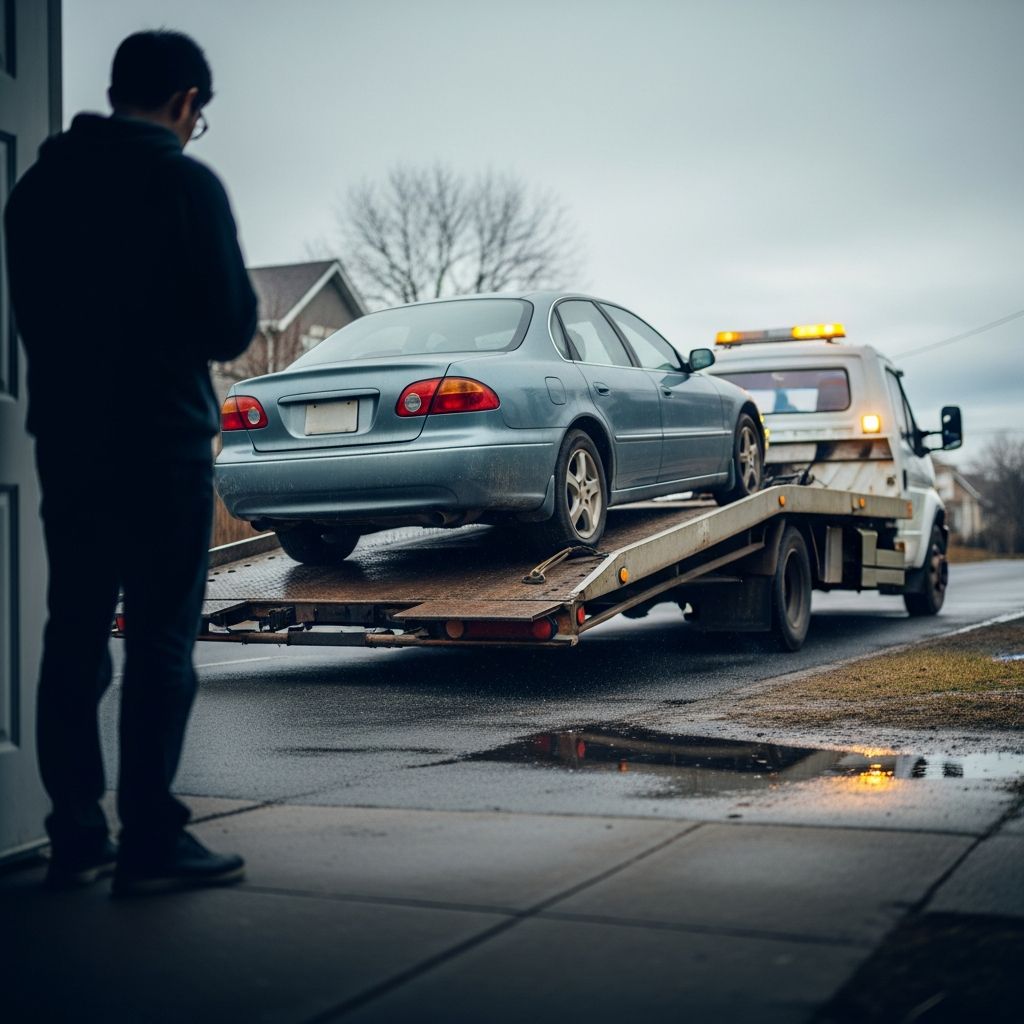
Defaulting on an auto loan occurs when borrowers fail to meet payment obligations, leading to a series of escalating financial penalties that can disrupt life for years. This secured debt, backed by the vehicle itself, carries unique risks compared to unsecured loans, as lenders hold the right to reclaim the collateral swiftly.
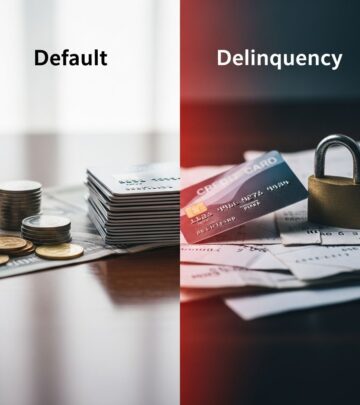
Defining Delinquency and Default in Auto Financing
Delinquency begins the moment a payment is missed past its due date, though many lenders provide a brief grace period of 10 to 15 days before penalties apply. Default typically follows after 30 to 90 days of non-payment, depending on the loan agreement and lender policies. Some contracts allow repossession after just one missed payment, but most wait until 60 to 90 days delinquent.
This progression is not uniform; state regulations influence timelines and notices required before action. For instance, certain states mandate prior warnings, while others permit immediate recovery efforts. Understanding your contract’s specific terms is crucial, as they dictate the exact trigger points for escalation.
Initial Penalties: Fees and Credit Reporting
The first wave of consequences involves direct financial hits. Late fees, often 3% to 5% of the missed amount or flat charges of $25 to $50, accumulate rapidly with each subsequent miss. A standard $300 monthly payment could balloon by over $100 in fees within months.
After 30 days, lenders report delinquencies to major credit bureaus—Experian, TransUnion, and Equifax—embedding negative entries on your credit file. Payment history, weighting 35% of FICO scores, suffers most from these marks, causing immediate score drops that hinder future borrowing.
| Timeframe | Typical Action | Impact |
|---|---|---|
| 0-15 days late | Grace period | No fees or reports |
| 16-30 days | Late fees assessed | Added costs, no credit report yet |
| 30+ days | Reported to bureaus | Credit score decline begins |
| 60-90 days | Default status | Repossession risk heightens |
Repossession: Losing Your Vehicle
As collateral, the car becomes the lender’s primary recourse in default. Repossession agents may seize it without prior court order in many cases, especially if no state notice is required. Post-seizure, the vehicle is auctioned, with proceeds applied to the outstanding balance.
If auction proceeds fall short—common due to depreciated values—a deficiency balance remains, holding you liable for the gap plus repossession and storage fees. State laws vary: some prohibit deficiency pursuits on auto loans, while others enforce collection aggressively.
- Repossession marks credit reports for seven years, amplifying damage beyond simple lates.
- Reinstatement options exist in some states, allowing payoff of arrears to retrieve the car pre-auction.
- Auctions often yield 20-40% less than retail, widening deficiencies.
Collections, Lawsuits, and Wage Garnishment
Persistent non-payment post-repossession shifts the debt to collections. Internal teams or third-party agencies pursue recovery via persistent contact—calls, letters, emails. Unresolved balances may lead to lawsuits, resulting in judgments for the full amount plus legal costs.
Court wins enable wage garnishment (up to 25% of disposable income in many states) or property liens, complicating financial stability. Collections entries linger seven years on reports, compounding score harm.
Long-Term Credit and Financial Repercussions
Auto delinquencies have surged, from 1.34% in Q2 2021 to 2.32% in Q2 2025, per Experian data, with rates hitting 15-year highs amid high payments. Late payments and repossessions scar reports for seven years from the first miss, elevating borrowing costs and denial risks.
FICO impacts are profound: a single 30-day late can drop scores 60-110 points; 90-day delinquencies or repossessions subtract 100+ more. Recovery demands consistent on-time payments elsewhere, but elevated rates persist 2-3 years post-event.
Preventive Measures and Negotiation Tactics
Proactive outreach to lenders yields options like payment deferrals, extensions, or modifications, especially pre-60 days delinquent. Hardship programs may lower rates temporarily or extend terms.
- Contact early: Document discussions; many forgive one-off misses.
- Refinance: Secure better rates if credit holds.
- Loan modification: Reduces monthly burdens via principal adjustments.
- Voluntary surrender: Negotiates better auction terms, potentially waiving some fees.
State-Specific Variations and Legal Protections
Regulations differ widely. For example:
| State Example | Key Rule |
|---|---|
| California | Requires 4-day notice pre-repossession |
| Texas | No notice needed; quick seizures allowed |
| Florida | Bans deficiencies on certain loans |
Consult state attorney general sites or consumer protection agencies for local statutes.
Rebuilding After Default
Post-event, secured cards and credit-builder loans aid recovery. Budgeting tools ensure affordability; aim for payments under 10-15% of income. Dispute inaccuracies on reports via bureaus.
Time heals: scores rebound 100+ points in 1-2 years with perfect history. Avoid new debt until stabilized.
Frequently Asked Questions
Can I get my repossessed car back?
Yes, via reinstatement in permissive states by paying arrears, fees, and repossession costs before sale.
How long does default stay on my credit?
Seven years from first delinquency date for lates, collections, and repossessions.
What if I can’t pay the deficiency balance?
Expect collections, potential lawsuit, garnishment; negotiate settlements for 40-60% payoffs.
Does selling the car privately help?
Voluntary surrender often secures higher sale prices, reducing or eliminating deficiencies.
Are there government programs for auto defaults?
Limited; check HUD counseling or nonprofit credit services for guidance.
References
- What Happens If You Default on Your Auto Loan? — PA Auto Credit. 2023. https://paautocredit.com/what-happens-if-you-default-on-your-auto-loan
- What Happens If I Default on My Car Loan? — NerdWallet. 2024-09-26. https://www.nerdwallet.com/auto-loans/learn/default-car-loan
- What Are the Effects of an Auto Loan Default? — Upsolve. 2024. https://upsolve.org/learn/auto-loan-default/
- How Bad Is It to Default on a Car Loan? — Experian. 2025. https://www.experian.com/blogs/ask-experian/how-bad-is-it-to-default-on-a-car-loan/
- Auto Loan Delinquency: What Is It & Consequences — Chase Bank. 2024. https://www.chase.com/personal/auto/education/financing/auto-loan-delinquency-what-is-it-and-how-it-impacts-you
- Auto Loan Delinquencies Hit 15-Year High — Bankrate. 2024. https://www.bankrate.com/loans/auto-loan-delinquencies-hit-15-year-high/
- Rising Auto Loan Delinquencies and High Monthly Payments — Federal Reserve. 2024-09-26. https://www.federalreserve.gov/econres/notes/feds-notes/rising-auto-loan-delinquencies-and-high-monthly-payments-20240926.html
Similar Articles








Read full bio of medha deb