Consequences of Missing Personal Loan Payments
Discover the severe financial fallout from defaulting on personal loans and learn proactive strategies to safeguard your credit and future borrowing power.
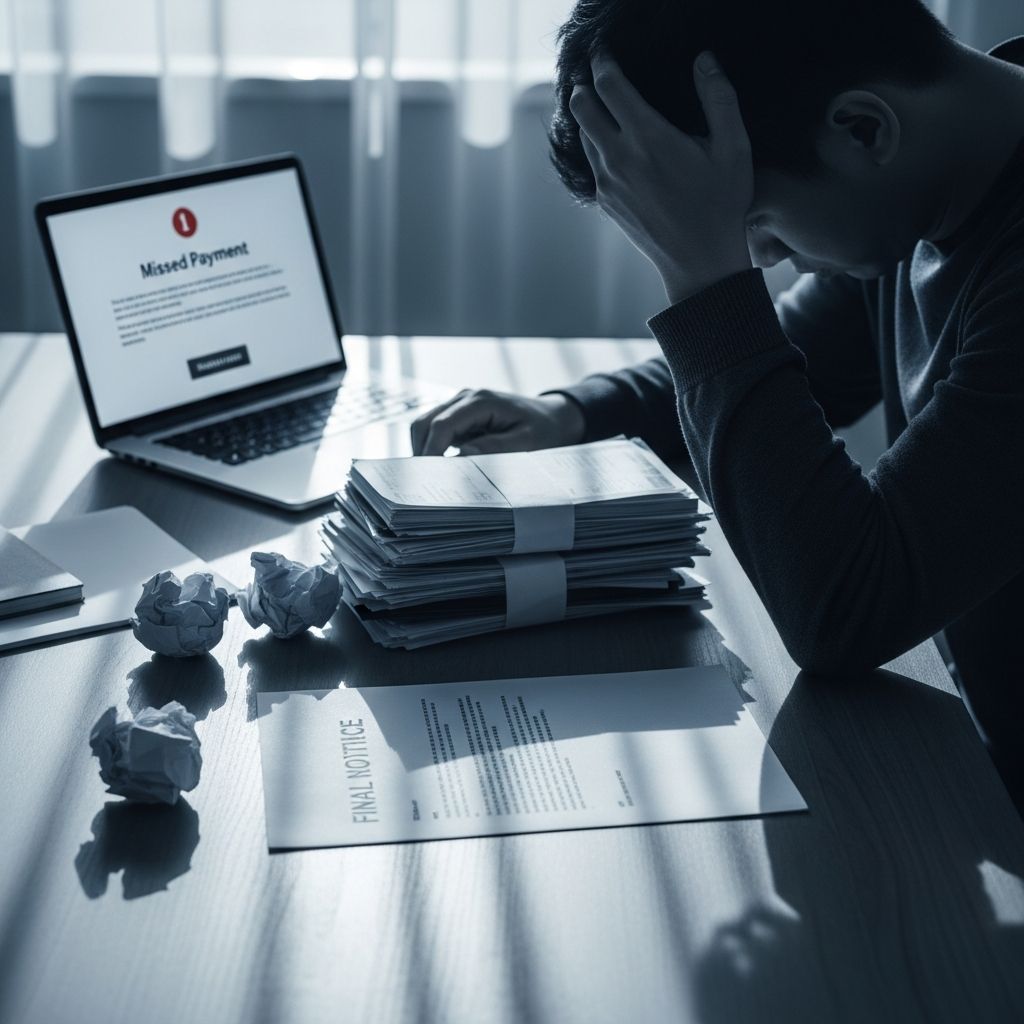
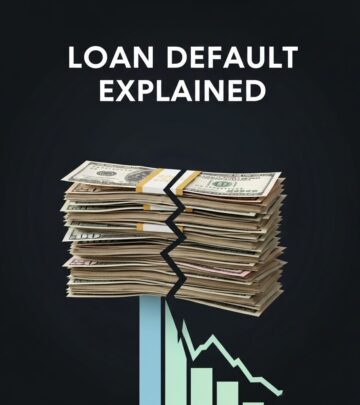
Defaulting on a personal loan can unleash a cascade of financial troubles, starting with late fees and escalating to damaged credit scores, relentless collection efforts, and even court-ordered remedies. Personal loans, typically unsecured, lack collateral like a home or car, so lenders rely on your promise to repay, making non-payment particularly risky for borrowers.
Understanding Loan Delinquency and Default Timelines
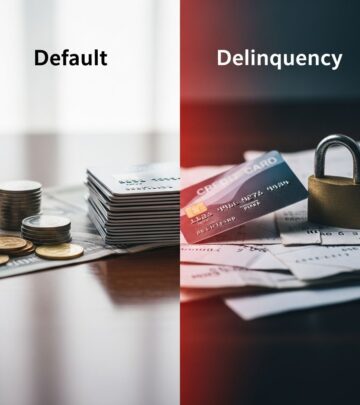
Loan delinquency begins the moment you miss a scheduled payment, but formal default usually occurs after 90 days of non-payment, though terms vary by lender—some define it as early as 30 days. Here’s a breakdown of what unfolds over time:
| Time After Missed Payment | Typical Events |
|---|---|
| 0-30 days | Account marked delinquent; late fees (often $25-$50 or 3-5% of payment) apply. No credit report impact yet. |
| 30-90 days | Lender reports to credit bureaus; score drops significantly. Penalty APR may activate. |
| 90+ days | Official default status; account sent to collections or charged off after 120-180 days. |
This progression underscores the urgency: early intervention prevents the worst outcomes.
Immediate Financial Penalties and Charges
Right after missing a payment, expect late fees to pile up quickly. These can range from flat amounts to percentages of the due payment, compounding your debt swiftly. Many agreements also trigger penalty interest rates, far higher than your original APR, increasing the total owed.
- Fee accumulation: Repeated misses lead to ongoing charges, turning a manageable loan into a ballooning obligation.
- Penalty rates: Could jump your interest from 10% to 25% or more, per loan terms.
- Account restrictions: Lenders may freeze additional draws on lines of credit tied to the loan.
These costs alone can strain budgets further, pushing borrowers deeper into hardship.
Devastating Impact on Your Credit Profile
Payment history drives 35% of your FICO score, so delinquencies reported after 30 days cause sharp declines—often 100+ points. Defaults and charge-offs linger for seven years, haunting future applications.
A damaged score means:
- Rejections for new credit cards, mortgages, or auto loans.
- Higher rates on approved credit—potentially adding thousands in extra costs over a loan’s life.
- Broader effects: harder to rent apartments, secure utilities, or even land certain jobs requiring credit checks.
Collections accounts from sold debts amplify the harm, appearing as separate negative marks.
The Collections Process: Harassment and Escalation
Once in default (typically 90 days), lenders shift the debt to internal collections or third-party agencies. Expect persistent contact via calls, letters, emails, and texts demanding repayment.
Collectors must follow the Fair Debt Collection Practices Act, prohibiting harassment, but aggressive tactics are common. If ignored, they may:
- Purchase the debt outright, owning it indefinitely.
- Negotiate settlements for less than owed, though this still dings credit.
- Escalate to lawsuits if the amount justifies legal costs.
For unsecured personal loans, no assets are seized immediately, but pressure builds relentlessly.
Legal Ramifications and Court Actions
Lenders or collectors can sue for unpaid balances, especially on larger loans. A judgment against you enables:
- Wage garnishment: Up to 25% of disposable income in many states, per federal limits.
- Bank levies: Freezing and seizing account funds.
- Property liens: Clouds title on homes or vehicles, complicating sales.
Failing to respond to a lawsuit results in default judgment, worsening outcomes. State laws vary—some cap garnishments or require notices.
Effects on Cosigners and Joint Borrowers
If your loan has a cosigner, they share full liability. Defaults harm their credit equally, triggering collection calls and potential legal pursuit. Family members who cosigned to help qualification face the fallout, straining relationships and their finances.
Long-Term Financial and Life Disruptions
Beyond credit, defaults create ripple effects:
- Higher borrowing costs: Subprime rates persist for years.
- Limited opportunities: Employers, landlords, and insurers check credit, leading to denials.
- Tax implications: Forgiven debt via settlement counts as taxable income.
Recovery demands discipline, but scars fade slowly—negative items lose influence after two years, vanishing at seven.
Proactive Strategies to Avoid Default
Don’t wait for delinquency. Act early:
- Contact your lender: Request hardship forbearance, lower payments, or term extensions.
- Refinance or consolidate: Secure a new loan at better rates to pay off the old one, if credit allows.
- Budget overhaul: Cut expenses, prioritize essentials, and allocate surplus to debt.
Credit counseling from nonprofits like NFCC provides free plans without harming scores.
Recovery Roadmap After Default
If default occurs, focus on stabilization:
- Negotiate settlements: Offer lump sums for partial forgiveness; get agreements in writing.
- Dispute inaccuracies: Review reports via AnnualCreditReport.com; correct errors.
- Rebuild credit: Use secured cards, pay bills on time, keep utilization low.
- Seek professional help: Accredited counselors or debt management programs.
Bankruptcy is a last resort—Chapter 7 discharges unsecured loans but tanks scores further for 10 years.
Comparing Secured vs. Unsecured Loan Defaults
| Aspect | Unsecured Personal Loan | Secured Loan (e.g., Auto) |
|---|---|---|
| Risk to Assets | Legal action only after suit | Repossession of collateral |
| Timeline to Action | 90+ days to collections | 60 days to repossession |
| Credit Impact | Same severe drop | Plus deficiency balance pursuit |
Unsecured loans like personal ones avoid immediate asset loss but lead to similar credit ruin.
Frequently Asked Questions
How long does a personal loan default stay on my credit report?
Up to seven years from the first delinquency date.
Can I go to jail for not paying a personal loan?
No, consumer debt isn’t criminal; only civil remedies apply.
Does defaulting affect my taxes?
Yes, forgiven amounts over $600 are reported as income.
What’s the quickest way to recover from default?
Pay on time for new accounts, negotiate the default, and reduce debt utilization.
Should I ignore collection calls?
No—verify the debt, negotiate, and know your rights under FDCPA.
Key Lessons for Borrowers
Personal loans offer flexibility but demand commitment. Monitor payments closely, build emergency funds covering 3-6 months, and borrow only what you can repay. Awareness of default stages empowers informed decisions, preserving financial health amid challenges.
References
- What Happens If You Default On A Personal Loan? — Bankrate. 2023-10-15. https://www.bankrate.com/loans/personal-loans/what-is-a-personal-loan-default/
- What Happens If You Default on a Personal Loan? — SoFi. 2024-02-20. https://www.sofi.com/learn/content/what-happens-when-dont-pay-personal-loan/
- What Happens If I Default on a Personal Loan? — NerdWallet. 2024-01-10. https://www.nerdwallet.com/personal-loans/learn/default-personal-loan
- What Happens if I Default On a Loan? — Upstart Learn. 2023-11-05. https://www.upstart.com/learn/loan-default/
- What Happens if I Default on a Loan? — Experian. 2024-03-12. https://www.experian.com/blogs/ask-experian/what-does-it-mean-to-default-on-a-loan/
- What Is Personal Loan Default? — Citi. 2023-09-28. https://www.citi.com/personal-loans/learning-center/basics/default-on-a-personal-loan
- What are the risks of defaulting on your debt? — CBS News. 2024-05-18. https://www.cbsnews.com/news/what-are-the-risks-of-defaulting-on-your-debt/
Similar Articles








Read full bio of medha deb