Consequences of Missing Payday Loan Payments
Discover the severe financial fallout from defaulting on payday loans, from mounting fees to legal battles and credit ruin.

Payday loans promise quick cash but carry steep risks if payments are missed. Defaulting often spirals into mounting costs, harassment from collectors, damaged credit profiles, and even court-ordered asset seizures. This article examines these outcomes in detail, drawing from financial experts and regulatory insights to equip borrowers with vital knowledge.
Immediate Financial Penalties After a Missed Payment
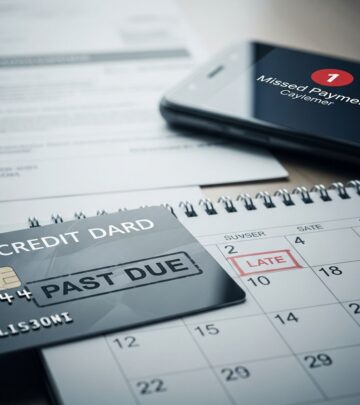
When a payday loan payment fails, lenders activate penalty mechanisms swiftly. Late fees typically range from $10 to $30 per missed installment, while interest continues accruing at rates often exceeding 300% APR. Banks may add nonsufficient funds (NSF) charges of $25 to $35 for each failed withdrawal attempt.
Lenders frequently attempt multiple debits on due dates, each triggering new fees. A modest $300 loan can swell to $500+ within weeks due to these accumulations. State regulations cap some charges, but variations exist— for instance, certain areas limit rollovers to curb endless fee cycles.
- Late fees: Flat charges applied post-deadline.
- NSF fees: Bank-imposed for bounced payments.
- Extended interest: Daily compounding on unpaid balances.
These penalties create a debt trap, where borrowers owe more than initially borrowed, complicating repayment.
Aggressive Collection Practices Begin
Post-default, original lenders or third-party agencies launch persistent recovery efforts. Expect daily calls, texts, and letters demanding immediate payment. Federal rules under the Fair Debt Collection Practices Act (FDCPA) restrict tactics—no threats of arrest, no contact before 8 a.m. or after 9 p.m., and no family disclosures beyond location inquiries.
Violations occur, prompting complaints to the Consumer Financial Protection Bureau (CFPB). Collectors may propose settlements at 50% of balances, but accepting often restarts the credit reporting clock. Ignoring demands escalates pressure, sometimes involving workplace contacts (limited by law).
| Collection Tactic | Legal Limits | Common Violations |
|---|---|---|
| Phone calls | ≤7/day per debt | Harassment or lies about amounts |
| Letters | No deception | False lawsuit threats |
| Third-party contact | Location only | Debt details shared |
Prolonged non-response leads to debt sales to agencies specializing in high-risk accounts, perpetuating the cycle.
Credit Report Damage and Lasting Effects
Many payday lenders skip initial credit checks and positive reporting, but defaults change this. Unpaid debts forwarded to collections appear on Equifax, Experian, and TransUnion reports, slashing scores by 100+ points. These notations linger seven years, signaling risk to future lenders.
Even non-reported loans harm indirectly via bank fees or linked accounts. Rebuilding demands consistent on-time payments elsewhere, dispute of inaccuracies, and secured credit use. Default marks correlate with 2-3x higher denial rates for mortgages or auto loans.
- Score drop: Immediate 80-150 point hit.
- Duration: Up to 7 years on reports.
- Recovery time: 12-24 months with disciplined habits.
Legal Ramifications and Court Actions
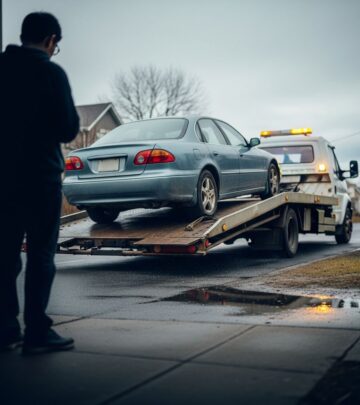
Lenders sue over sums as low as $100, varying by jurisdiction. Summons arrival mandates response—ignoring yields default judgments favoring plaintiffs. Courts may authorize wage garnishment (up to 25% disposable income federally), bank levies, or property liens.
State laws differ: some cap garnishments or ban payday lending outright. Defendants should demand loan contracts in court; absent proof, cases dismiss. Post-judgment, payment plans or appeals offer relief, but non-compliance risks asset seizures. Bankruptcy Chapter 7 discharges many such debts, though it tanks scores further short-term.
No arrest for mere default—only criminal if fraud proven, like bad checks with intent. CFPB clarifies: debt nonpayment is civil, not criminal.
State-Specific Rules Shaping Outcomes
Payday regulations fragment across U.S. states. California mandates 36% APR caps post-2024 reforms; Texas permits 660% effective rates. About 18 states ban high-cost loans entirely.
| State Group | Key Rules | Default Protections |
|---|---|---|
| Banned (e.g., NY, GA) | No licensed lenders | Limited legal recourse |
| Capped APR (e.g., CO, IL) | ≤36% | Extended plans required |
| Unrestricted (e.g., MO, NV) | No limits | High garnishment risk |
Borrowers must verify local statutes via state banking departments to anticipate exposures.
Strategic Responses to Avoid or Escape Default
Proactive steps mitigate damage. Request lender extensions—many states require plans upon ask. Negotiate lump-sum settlements pre-collections. Side hustles, family aid, or selling assets bridge gaps.
Credit counseling via nonprofits like NFCC provides budgeting, debt management plans consolidating payments at lower rates. Avoid new payday loans; opt for credit union PALs or employer advances. Long-term, build emergency funds covering 3-6 months expenses.
- Contact lender day one of trouble.
- Document all interactions.
- Seek free counseling immediately.
- Explore alternatives like SALDO apps.
Rebuilding Finances Post-Default
Recovery starts with halting new debt. Secure cards (e.g., deposit-backed) rebuild scores via 35% utilization. Pay utilities/bills on time for positive tradelines. Monitor reports weekly via AnnualCreditReport.com.
Financial literacy apps track spending; high-yield savings counter future needs. Bankruptcy, if debts exceed 50% income, resets via discharge but flags profiles 10 years.
FAQs
Can I go to jail for not paying a payday loan?
No, default is civil. Arrest requires proven fraud.
How long does a payday default stay on my credit?
Up to 7 years from first delinquency.
Should I roll over my loan?
Avoid; it multiplies fees without principal reduction.
What if collectors harass me?
Send cease letters; report FDCPA breaches to CFPB.
Is bankruptcy viable for payday debt?
Yes, often discharges; consult attorneys first.
References
- Could I be arrested if I don’t pay back my payday loan? — Consumer Financial Protection Bureau. 2023-01-01. https://www.consumerfinance.gov/ask-cfpb/could-i-be-arrested-if-i-dont-pay-back-my-payday-loan-en-1631/
- What Happens if You Can’t Pay Back a Payday Loan? — Experian. 2024-05-15. https://www.experian.com/blogs/ask-experian/what-if-i-cant-pay-back-a-payday-loan/
- What Happens If You Default On A Payday Loan? — Debt.org. 2024-08-20. https://www.debt.org/credit/payday-lenders/what-happens-if-you-default/
- Can’t Repay a Payday Loan? Here’s What to Do — NerdWallet. 2024-11-10. https://www.nerdwallet.com/personal-loans/learn/payday-loan-default
- What Happens When You Can’t Pay Back A Payday Loan? — Bankrate. 2025-02-28. https://www.bankrate.com/loans/personal-loans/what-happens-when-you-cant-repay-a-payday-loan/
Similar Articles








Read full bio of Sneha Tete