Connect Phone to Smart TV: Complete 4-Step Guide
Learn how to connect your phone to a smart TV wirelessly or via cable in just 4 simple steps.
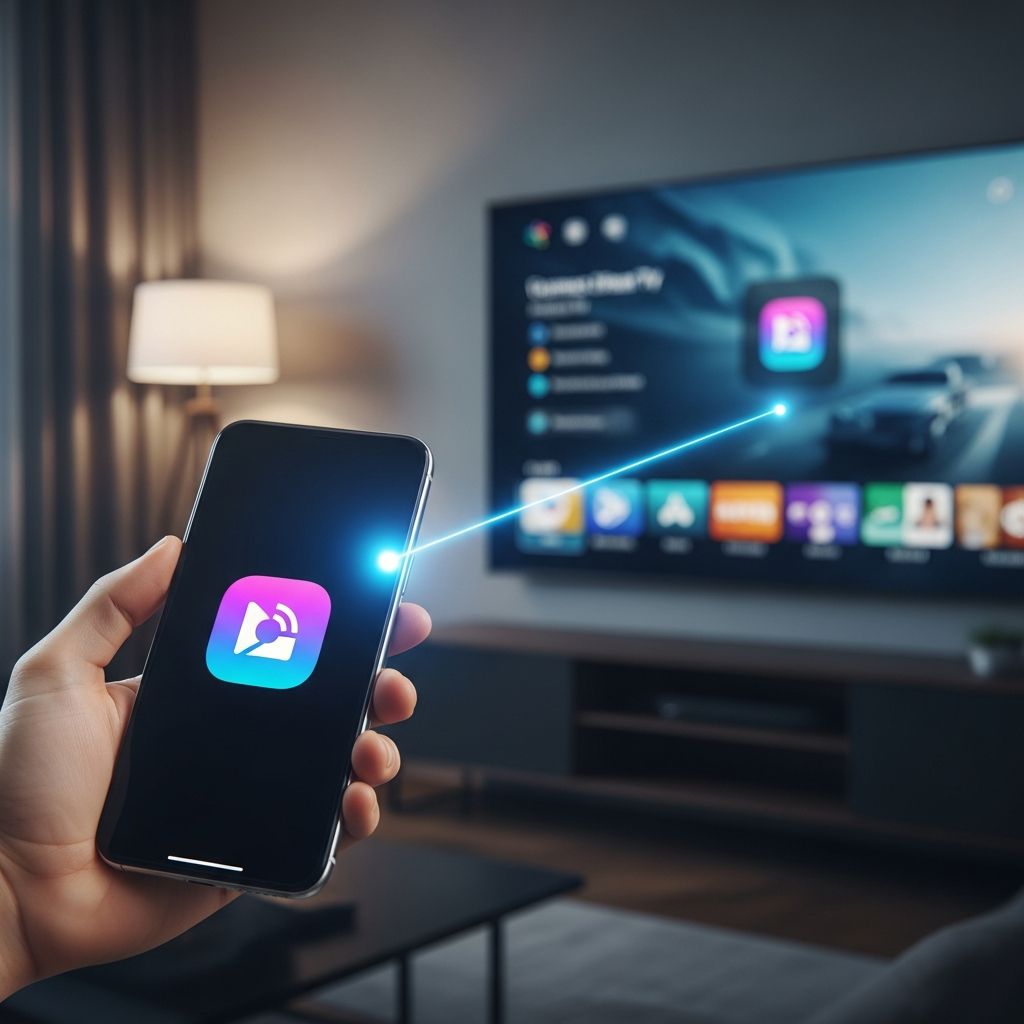
In today’s digital age, the ability to stream content from your smartphone to a larger display has become increasingly important. Whether you want to watch your favorite shows on the big screen, share vacation photos with family, or give a presentation, connecting your phone to a smart TV offers a convenient solution. Thanks to modern technology, this process has become simpler than ever before. This comprehensive guide will walk you through everything you need to know about connecting your phone to a smart TV, from the necessary equipment to step-by-step instructions that work across different devices and platforms.
Overview of What’s Needed
Before you begin the connection process, it’s essential to gather the right equipment and understand your device compatibility. Successfully connecting your phone to a smart TV requires a few key components that will make the entire process seamless and hassle-free.
Essential Equipment and Compatibility
First and foremost, you’ll need a compatible smart TV with casting capabilities built-in. Most modern televisions released in recent years come equipped with this feature, but it’s worth verifying your TV model’s specifications before proceeding. Secondly, ensure that your smartphone is compatible with your TV. Most Android phones and iPhones work with the majority of smart TVs, though some specific features may vary depending on the brand and model.
Depending on your preferred connection method, you may also need cables and adapters. For wireless connections, you won’t require any physical cables, as the connection happens over your home Wi-Fi network. However, if you prefer a wired connection for enhanced stability and video quality, you’ll want to have either an HDMI cable or a USB cable readily available. Some phones may require adapters to connect properly to these cables, so check your device’s specifications to ensure you have the correct connectors.
Step 1: Enable Screen Mirroring
The first critical step in connecting your phone to your smart TV is enabling screen mirroring on both devices. This feature allows your phone’s display to be duplicated on your television screen. The process varies depending on whether you’re using an Android device or an iOS device, so follow the instructions specific to your phone’s operating system.
Enabling Screen Mirroring on Android Devices
For Android users, enabling screen mirroring is straightforward. Navigate to your phone’s Settings menu, then locate the Display option. Within Display settings, you’ll find a Cast menu. Tap on this option to enable screen mirroring on your Android device. Once activated, your phone will begin searching for available screens to cast to, including your smart TV.
Enabling Screen Mirroring on iOS Devices
iPhone and iPad users will find screen mirroring in a slightly different location. Access your Control Center by swiping down from the top-right corner of your screen (or up from the bottom, depending on your device model). Look for the Screen Mirroring or AirPlay option, then tap on it to enable this feature on your iOS device. Your iPhone or iPad will then search for compatible Apple TV devices or AirPlay-capable smart TVs.
Enabling Screen Mirroring on Your Smart TV
With your phone’s screen mirroring now enabled, it’s time to activate the feature on your smart TV. The exact location of this setting varies depending on your TV’s manufacturer and model. Generally, you can find this option by accessing your TV’s Settings menu or checking the Video Options section. Look for terms like “Screen Mirroring,” “Cast,” “Miracast,” or “AirPlay,” depending on your TV brand. Once you find and enable this feature, your television will be ready to receive content from your phone.
Step 2: Connect Devices
Once screen mirroring is enabled on both your phone and smart TV, the next step is establishing a connection between the two devices. You have two primary options: wireless connection or cable connection. Each method has its advantages, and your choice depends on your specific needs and available equipment.
Wireless Connection Method
The wireless method is the most convenient and popular way to connect your phone to a smart TV. To establish a wireless connection, ensure that both your phone and smart TV are connected to the same Wi-Fi network. This is crucial—if the devices aren’t on the same network, they won’t be able to communicate with each other. Check your phone’s Wi-Fi settings and confirm that it’s connected to your home router, then verify that your TV is also connected to the same network.
Once both devices are on the same Wi-Fi network, they should automatically recognize each other. This wireless connection method offers excellent flexibility, allowing you to move around your living room without being tethered to cables. The connection is typically stable and provides good video and audio quality for most streaming purposes.
Cable Connection Method
For those seeking superior streaming quality and a more stable connection, a wired cable approach is an excellent alternative. HDMI cables are the preferred choice for most users, as they support high-definition streaming and are widely compatible with modern smart TVs. If your TV doesn’t have available HDMI ports or you prefer USB connectivity, USB cables can also be used, though they may require an adapter depending on your phone model.
To establish a cable connection, plug one end of your HDMI or USB cable into the appropriate port on your smart TV and the other end into your phone. Note that some phones may require a specific adapter to accept USB or HDMI connections, particularly older models or those with proprietary connectors. If you’re unsure whether your phone supports direct cable connections, consult your device’s manual or manufacturer specifications before purchasing cables.
Step 3: Select TV from the Device
After establishing either a wireless or wired connection, the next step is to select your TV from your phone’s list of available screens. This action initiates the actual pairing and connection between the two devices.
Locating Your TV on Your Phone
On your phone, open the screen mirroring or casting menu (the same place where you enabled the feature). Your smart TV should now appear as an available device in the list. It will typically be displayed with an icon representing your television or with the TV’s model name. Once you locate your TV in this list, tap on it to begin the connection process.
Completing the Pairing Process
You may need to initiate pairing on your TV before your phone can fully connect to it. This typically involves confirming the connection request on your TV’s screen. Your television might display a prompt asking you to authorize the connection from your phone. Accept this prompt using your TV remote, and the devices will complete their pairing. This security measure ensures that only authorized devices can connect to your smart TV.
Once pairing is complete and the connection is established, you should see a confirmation message on both your phone and TV, and your phone’s screen should begin appearing on your television display.
Step 4: Enjoy Your Content
Congratulations! Your phone is now successfully connected to your smart TV. Everything displayed on your phone’s screen will now be mirrored on your television, allowing you to enjoy your favorite content on a much larger display.
What You Can Stream and Display
With your phone connected to your smart TV, you can now display virtually any content from your device on the big screen. This includes:
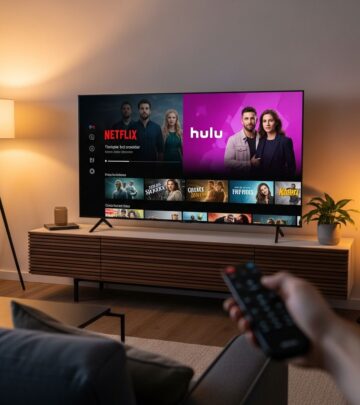
- Streaming services like Netflix, Hulu, Disney+, and YouTube
- Personal photos and videos from your phone’s gallery
- Web browsing through your phone’s browser
- Social media applications and content
- Mobile games and interactive applications
- Presentations and work-related documents
- Music and podcasts with visual interfaces
The possibilities are virtually limitless, as any app or content that appears on your phone can be displayed on your TV screen.
Optimizing Your Viewing Experience
To enhance your viewing experience, consider adjusting your TV’s display settings for optimal picture quality. You might want to adjust brightness, contrast, and color settings to suit your preferences. Additionally, ensure that your room lighting is appropriate for comfortable viewing, and position your seating at a comfortable distance from the television.
Why Connect Your Phone to Your TV?
Understanding the benefits of connecting your phone to your smart TV can help you make the most of this technology. There are numerous practical and entertainment-related reasons to establish this connection.
The primary advantage is the enhanced audio and visual experience. Your TV’s larger screen and superior speakers provide a much more immersive viewing experience compared to your phone’s smaller display. Streaming content like movies and TV shows on a big screen with better sound quality transforms how you enjoy entertainment. Additionally, sharing photos and videos from your phone with family and friends becomes more enjoyable when everyone can view them on a larger display together.
Beyond entertainment, phone-to-TV connections serve practical purposes such as giving presentations at home, displaying important information during meetings, or using your TV as an extended workspace when working from home. The flexibility and convenience of this wireless technology make it an invaluable feature in modern homes.
Wireless Methods to Connect Your Phone to Your TV
There are several wireless technologies available for connecting your phone to your smart TV, each with its own advantages and compatibility requirements.
Chromecast
Chromecast is Google’s popular casting technology that works with most Android devices and many iOS devices. To use Chromecast, you need either a TV with built-in Chromecast capability or a separate Chromecast device plugged into your TV’s HDMI port. Chromecast offers reliable wireless streaming and supports most major streaming applications.
Screen Mirroring
Screen mirroring is a built-in feature on most Android devices that allows you to display your phone’s entire screen on your TV. This technology is often based on Miracast standards and is particularly useful when you want full control over what appears on your TV screen.
Smart TV Apps
Many smart TV manufacturers provide dedicated apps that facilitate easier connections. For example, the Google Home app allows seamless connectivity between Android devices and Google TV or Android TV systems, making the connection process even more straightforward.
Alternative Ways to Connect Your Phone to Your TV
If wireless methods don’t work for your setup, several wired alternatives are available.
HDMI Cable with USB-C/USB Micro Adapter
This traditional method requires connecting a USB-C or micro-USB adapter to your phone, then plugging an HDMI cable into the adapter. Once connected, switch your TV’s input source to the corresponding HDMI port, and your phone’s display will appear on your television. This method provides direct, high-quality video transmission.
USB Connection
Some phones and TVs support direct USB connection for screen sharing and media file transfers. While this method may not support full-screen mirroring on all TV models, it’s worth checking your specific device compatibility, as it can be useful for transferring photos, videos, and music to your TV.
Troubleshooting Tips and Best Practices
To ensure a smooth connection experience, follow these important recommendations:
- Use official cables and adapters: Always use high-quality, certified equipment for HDMI and USB connections to ensure reliable performance and avoid compatibility issues.
- Check for interference: When using wireless methods, minimize interference from other devices. Keep microwaves, cordless phones, and other wireless devices away from your TV and router, as they can disrupt the connection.
- Ensure proper Wi-Fi signal strength: For wireless connections, verify that your phone has a strong Wi-Fi signal from your router. A weak signal can result in buffering or disconnection.
- Keep devices updated: Ensure both your phone and TV have the latest software updates installed, as these updates often include improvements to connection stability and compatibility.
- Verify network compatibility: Confirm that both devices are on the same Wi-Fi network and that your router supports the necessary protocols for wireless casting.
Frequently Asked Questions
Q: Do I need a smart TV to connect my phone?
A: While a smart TV with built-in casting makes the process easier, you can also use older TV models with a Chromecast device, Miracast dongle, or via HDMI/USB cable connections.
Q: Can I connect both Android and iOS devices to the same TV?
A: Yes, most modern smart TVs support both Android devices (via Chromecast or Miracast) and iOS devices (via AirPlay). However, you may need different connection methods for each platform.
Q: What should I do if my phone doesn’t appear on my TV’s device list?
A: First, ensure both devices are on the same Wi-Fi network. Restart both your phone and TV, and verify that screen mirroring is enabled on both devices. Check for any software updates that might be needed.
Q: Is the connection secure when casting content?
A: Wireless casting over your home Wi-Fi network is generally secure, especially if your network is password-protected. However, avoid casting sensitive information over public Wi-Fi networks.
Q: Can I use my phone while content is being cast to my TV?
A: Yes, you can typically use your phone for other tasks while content is casting. However, some applications may pause or disconnect if you lock your phone or switch to other apps, depending on the content and streaming service.
Q: What is the difference between screen mirroring and screen casting?
A: Screen mirroring duplicates your entire phone display on your TV, while screen casting sends specific content to your TV while allowing you to do other things on your phone simultaneously.
Conclusion
Connecting your phone to a smart TV is a straightforward process that significantly enhances your entertainment and productivity experience. By following these four simple steps—enabling screen mirroring, connecting devices, selecting your TV, and enjoying your content—you can quickly establish a connection and begin streaming your favorite shows, sharing photos, or giving presentations on the big screen.
Whether you choose a wireless connection for maximum convenience or a wired connection for superior quality and stability, the technology is designed to be user-friendly and accessible to everyone. With the right equipment and knowledge, you’ll be enjoying your favorite content on your smart TV in no time. Remember to ensure device compatibility, maintain a strong Wi-Fi connection for wireless methods, and use quality cables and adapters for wired connections. So grab your phone and TV remote today, and start exploring the endless possibilities of screen sharing technology!
References
- How To Connect a Phone to a Smart TV in 4 Steps — Money Magazine. Accessed 2025. https://money.com/connect-phone-to-smart-tv/
- How to Connect Your Phone Wirelessly to Your TV — Android Official. Accessed 2025. https://www.android.com/intl/en_uk/articles/connect-phone-to-tv/
- How to Connect Your Android Device to a TV Wirelessly — BenQ. Accessed 2025. https://www.benq.com/en-us/business/resource/trends/connect-android-phone-tv.html
- Connecting Your Phone to Your TV | Best Buy Tech Tips — Best Buy. Accessed 2025. https://www.youtube.com/watch?v=iUAnQ2Tcu4k
Similar Articles








Read full bio of Sneha Tete