Condo Vs Townhouse: Key Differences And Which Is Right For You
Discover the essential distinctions between condos and townhouses to make an informed home-buying decision tailored to your lifestyle.
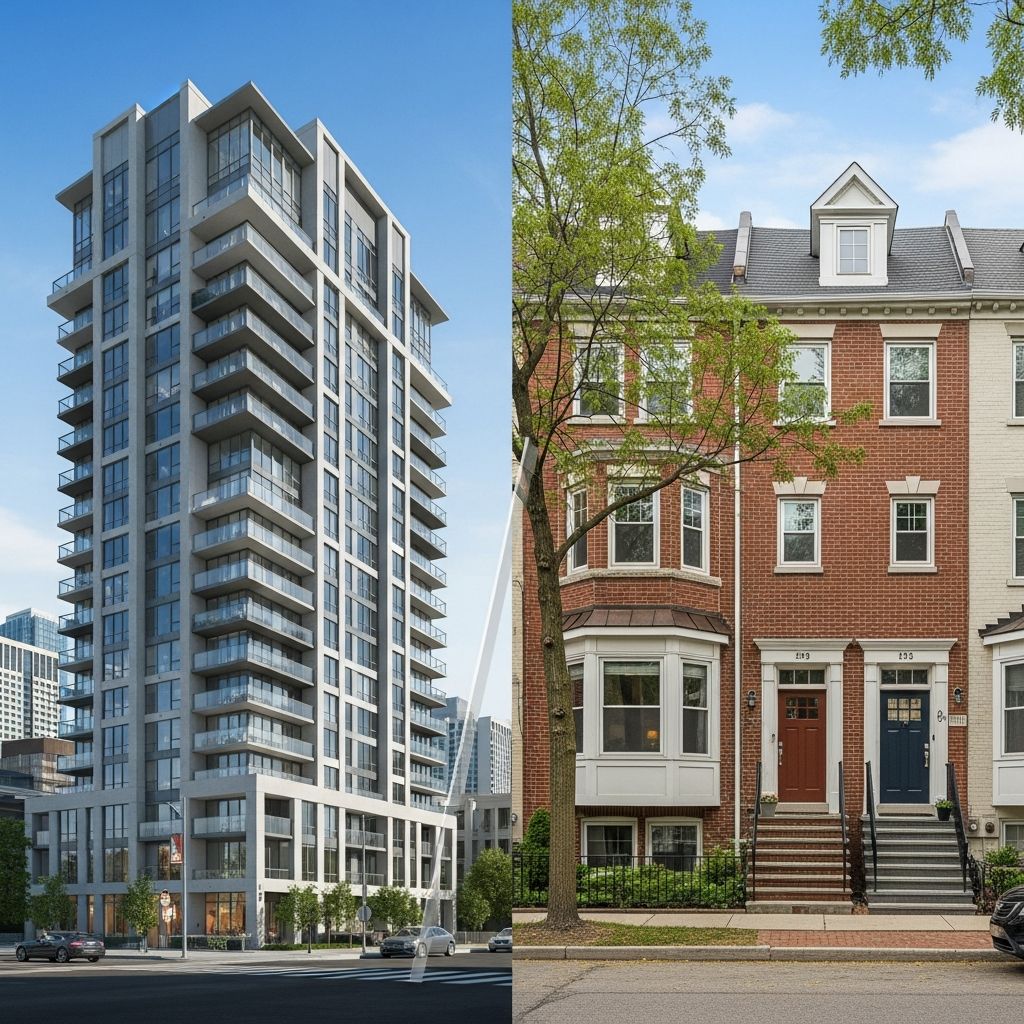
Choosing between a condo and a townhouse involves understanding their unique ownership models, living experiences, and financial implications. Condos offer shared amenities and low maintenance in multi-unit buildings, while townhouses provide multi-level homes with more personal space and exterior responsibilities.
Defining Condos and Townhouses
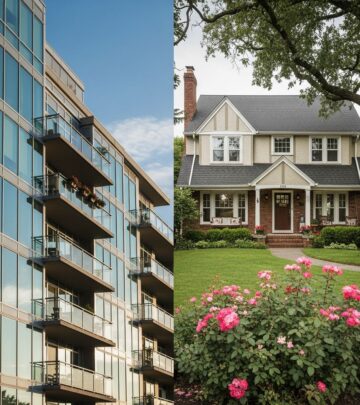
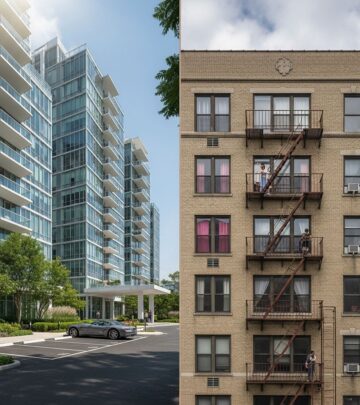
Condos represent individual units within a larger complex where owners hold title to their interior space only. The surrounding structure, land, and common areas belong to a homeowners association (HOA), which manages upkeep through collective fees. These properties often appear in high-rise urban towers or low-rise clusters, emphasizing communal living.
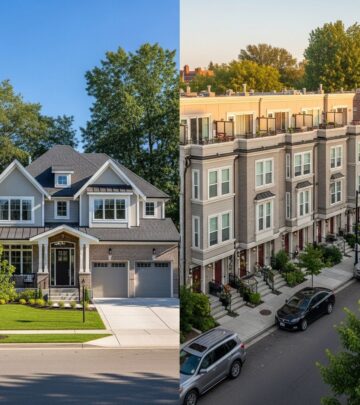
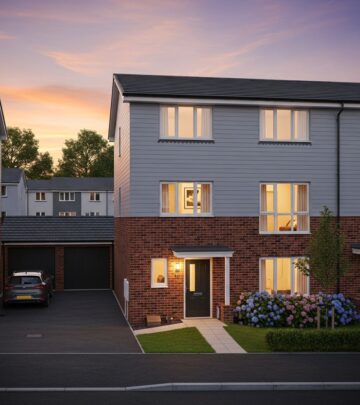
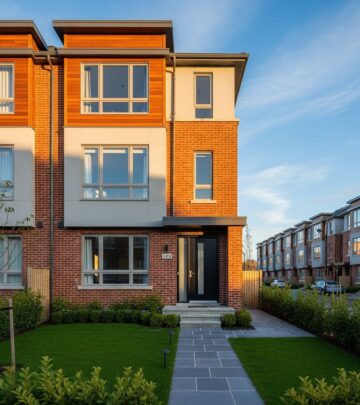
Townhouses, conversely, are standalone multi-story residences attached to neighbors by one or two shared walls. Buyers typically own both the interior and exterior of their unit, including any attached yard or garage, resembling a single-family home but with reduced lot size. This setup appeals to those seeking house-like qualities without full detached ownership.
Ownership Structures Compared
The core divergence lies in what you actually own. In a condo, your deed covers walls inward, leaving the HOA responsible for roofs, exteriors, and grounds. This limits personal control but ensures professional maintenance.
Townhouse ownership extends to the building’s shell—roof, siding, and foundation—plus any private land. Shared elements like driveways or community pools fall under lighter HOA oversight. This grants greater customization freedom but demands vigilance on structural care.
| Aspect | Condo | Townhouse |
|---|---|---|
| Owned Elements | Interior only | Interior + exterior + land |
| Shared Responsibility | HOA owns building/grounds | Individual + minimal HOA |
| Customization | Restricted by rules | More flexible |
Financial Considerations
Upfront costs for condos average around 1,200 square feet, often lower than townhouses at 1,300-1,500 square feet, making them accessible for urban buyers. However, monthly HOA fees run higher—covering insurance, repairs, and luxuries like pools—potentially $300-$600 or more.
Townhouses carry higher purchase prices due to size and land inclusion but feature lower HOA dues, sometimes under $200, as owners handle personal exteriors. Property taxes reflect unit value plus land for townhouses, versus building share for condos.
- Insurance: Condo policies (HO-6) protect interiors; townhouse policies (HO-3) cover full structure, raising premiums.
- Taxes: Condos tax unit value alone; townhouses include land, increasing bills slightly.
- Resale: Townhouses often appreciate faster, attracting families; condos suit investors but face oversupply risks.
Maintenance and Upkeep Responsibilities
Condo living minimizes chores: HOAs manage landscaping, snow removal, and building repairs, freeing owners for interior tweaks only. This suits busy professionals or retirees valuing convenience.
Townhouse owners tackle yard work, exterior painting, and roof checks alongside interiors. While more hands-on, it avoids special HOA assessments that can spike condo fees unexpectedly.
Size, Layout, and Privacy Factors
Condos vary widely but trend smaller with shared floors/ceilings, reducing privacy via noise transmission. High-rises offer stunning views but elevator reliance.
Townhouses span 2-3 levels, providing dedicated bedrooms upstairs and living areas down, with no overhead neighbors. Shared walls exist, yet private entrances and yards enhance seclusion.
For families, townhouse stairs pose challenges for toddlers or elderly; condos provide single-level options in garden styles.
Amenities and Community Life
Condos shine with resort-style perks: gyms, pools, doormen, and clubhouses fostering social bonds. Urban locales boost walkability to shops and transit.
Townhouse communities offer subtler amenities like playgrounds or tot lots, prioritizing individual patios over grand facilities. Suburban placements mean more driving but quieter environs.
Pros and Cons Breakdown
Condo Advantages
- Affordable entry to homeownership
- Minimal maintenance burden
- Abundant on-site amenities
- Prime city locations
Condo Disadvantages
- Steep HOA fees and rules
- Less privacy and space
- Potential special assessments
- Stricter resale regulations
Townhouse Advantages
- Generous square footage
- Private outdoor areas
- Lower ongoing fees
- House-like feel
Townhouse Disadvantages
- Exterior maintenance duties
- Stair-heavy designs
- Higher insurance/taxes
- Noise from adjacent units
Location and Lifestyle Matches
Condos cluster in bustling downtowns or resort suburbs, ideal for singles craving vibrancy without yard duties. Townhouses populate dense urban rows or family-oriented developments, balancing space and community.
First-time buyers lean condo for lower barriers; growing households favor townhouses for expandability. Pet owners assess HOA pet policies—condos vary widely.
Financing and Buying Tips
Both qualify for conventional mortgages, but condos undergo stricter HOA reviews for loan approval. Fannie Mae/Freddie Mac set condo project guidelines, potentially barring high-fee complexes.
Budget 2-3% of purchase price annually for reserves. Review HOA financials, bylaws, and minutes pre-offer to spot red flags like pending lawsuits or reserve shortfalls.
Which is Right for You?
Opt for a condo if prioritizing ease, amenities, and urban access. Select a townhouse for space, autonomy, and long-term value. Test neighborhoods, calculate total ownership costs, and align with life stage.
Frequently Asked Questions
Are HOA fees higher in condos or townhouses?
Condos generally have higher fees due to extensive shared services; townhouse fees are lower with individual responsibilities.
Do townhouses have yards?
Many include small front/back yards or patios, unlike most condos.
Is insurance more expensive for townhouses?
Yes, as it covers exterior structures not insured by HOAs.
Can you renovate a condo freely?
No, HOA approvals are required for changes affecting shared elements.
Which appreciates more in value?
Townhouses often see stronger growth due to land ownership and broader appeal.
References
- Condo Vs. Townhouse: Which Is Best For You? — Bankrate. 2023-10-15. https://www.bankrate.com/real-estate/condo-vs-townhouse/
- Condo Vs. Townhouse: How Are They Different? — Quicken Loans. 2024-02-20. https://www.quickenloans.com/learn/condo-vs-townhouse
- Condo vs. Townhouse: What’s the Difference? — Nationwide Blog. 2023-11-10. https://blog.nationwide.com/home/home-buying-selling/condo-vs-townhouse/
- Townhouse vs. Condo: What’s the Difference? — NewHomeSource. 2024-01-05. https://www.newhomesource.com/learn/difference-between-condo-townhome/
- Condo vs. Apartment vs. Townhouse: The Differences Explained — Realtor.com. 2023-12-18. https://www.realtor.com/advice/buy/what-is-a-condo/
- Condo Vs. Townhouse | Which Is Better? Pros & Cons — YouTube (Rocket Mortgage). 2022-08-12. https://www.youtube.com/watch?v=5UETO0UY2LQ
Similar Articles








Read full bio of medha deb