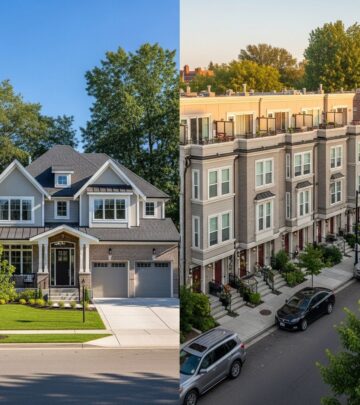
Condo vs Townhouse: Key Differences
Discover the essential distinctions between condos and townhouses to make an informed home buying decision tailored to your lifestyle.
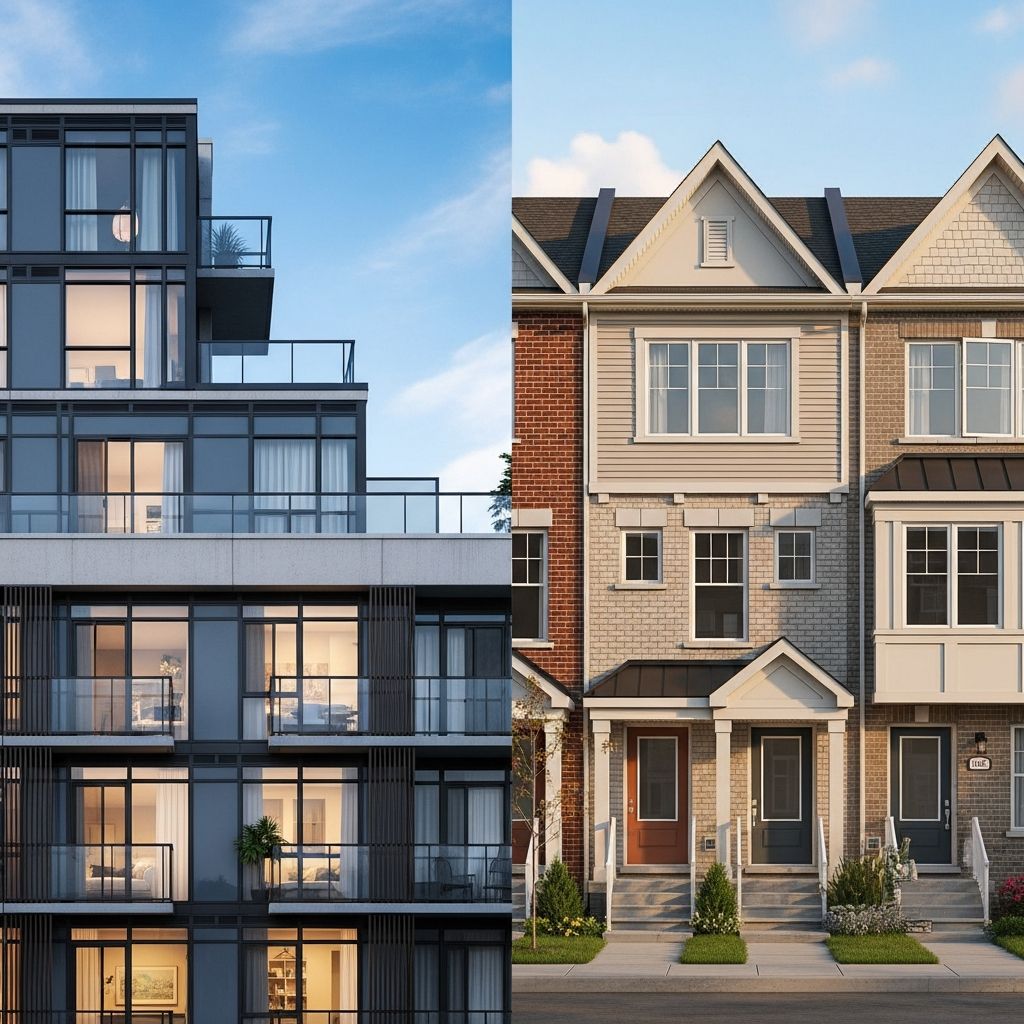
Choosing between a condo and a townhouse involves weighing factors like ownership structure, daily maintenance, financial obligations, and lifestyle fit. Both provide alternatives to traditional single-family homes, offering affordability and community living, but they diverge significantly in design, responsibilities, and long-term costs.
Defining Condos and Townhouses
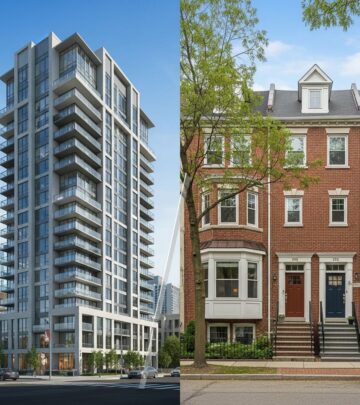
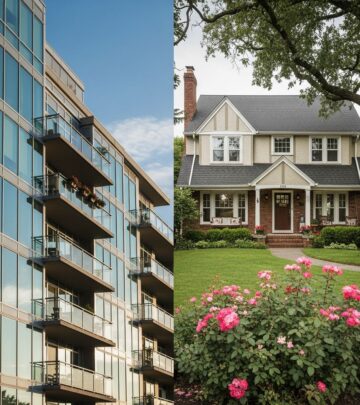
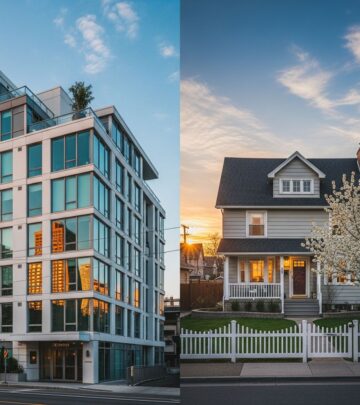
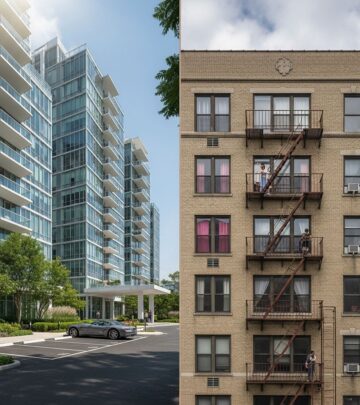
A condominium, or condo, refers to an individually owned unit within a larger multi-story building or complex. Owners hold title to their specific space—from interior walls inward—while sharing ownership of common areas like hallways, elevators, and grounds through a homeowners association (HOA). This setup promotes shared upkeep but limits personal control over exteriors.
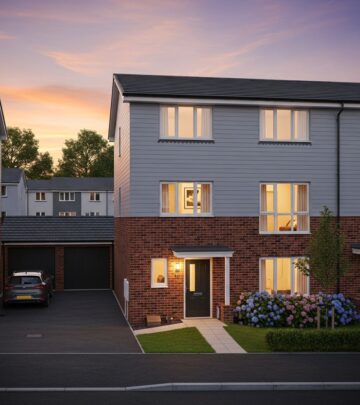
In contrast, a townhouse (or townhome) is a multi-level attached home, typically arranged in rows, where buyers own both the structure and the underlying land, including exterior walls, roof, and often a small yard or patio. Townhouses mimic single-family homes more closely, providing greater autonomy but requiring more hands-on management.
Ownership Rights: What Do You Truly Own?
The core distinction lies in property rights. Condo buyers acquire airspace within their unit and a proportional share of communal spaces, meaning the HOA governs exteriors and shared facilities. This fractional ownership simplifies legalities but ties personal finances to the community’s health, as lenders scrutinize HOA reserves during mortgage approval.
Townhouse owners gain full title to their dwelling, land parcel, and exterior features. This includes responsibility for siding, roofing, and landscaping, fostering customization like painting or fencing. However, HOAs still exist for shared roads or amenities, though with lighter oversight.
| Aspect | Condo | Townhouse |
|---|---|---|
| Owned Elements | Interior + shared common areas | Structure, land, exterior |
| Land Ownership | No (leased via HOA) | Yes |
| Customization Freedom | Limited (HOA rules) | Higher (personal exterior) |
Architectural Designs and Living Spaces
Condos often stack vertically in high-rise or mid-rise buildings, sharing floors, ceilings, and multiple walls. Average sizes hover around 1,200 square feet, suiting singles or couples with efficient layouts. Noise transmission can occur through shared surfaces, though modern builds incorporate soundproofing.
Townhouses emphasize horizontal attachment, sharing only one or two side walls while spanning two or three stories. They average 1,300–1,500 square feet, frequently including garages, patios, or yards for added utility. This design enhances privacy and resembles standalone homes, appealing to families.
- Condo perks: Vertical space utilization in urban settings; elevators for accessibility.
- Townhouse advantages: Ground-level access; separated living zones (e.g., bedrooms upstairs).
Maintenance Responsibilities and HOA Dynamics
Condo living minimizes owner chores, as HOAs handle exteriors, landscaping, snow removal, and structural repairs via monthly fees—often $300–$600. Owners manage only interiors, like appliances or flooring, trading autonomy for convenience.
Townhouse maintenance falls more on individuals: mowing lawns, painting exteriors, or roof repairs. HOA fees are lower ($100–$300), covering communal areas only, which reduces costs but demands time or hiring services.
Condo rules tend to be stricter, regulating pets, renovations, and aesthetics to preserve uniformity. Townhouse HOAs focus on exteriors and curb appeal, allowing more interior flexibility.
Financial Breakdown: Costs and Affordability
Condos typically cost less upfront—median prices 20–30% below townhouses—due to smaller sizes and shared land. Property taxes reflect unit value alone, often lower. However, HOA fees and special assessments (e.g., for roof replacements) add ongoing expenses. Insurance covers interiors only; building policies are HOA-funded.
Townhouses command higher purchase prices from land inclusion and space, with elevated taxes on full property value. Insurance encompasses structure and liability, costing more ($1,200–$2,000/year vs. condos’ $800–$1,500). Lower HOAs offset some burdens.
| Cost Factor | Condo Average | Townhouse Average |
|---|---|---|
| Purchase Price | $250,000–$400,000 | $350,000–$550,000 |
| Monthly HOA | $400 | $200 |
| Property Taxes | Lower (unit-based) | Higher (land included) |
| Insurance | HOA + interior | Full structure |
Amenities, Community, and Lifestyle Fit
Condos shine with resort-style perks: pools, gyms, clubhouses, and security—funded by fees. Dense setups foster neighborly bonds via events, ideal for social urbanites or empty-nesters seeking low-effort luxury.
Townhouses prioritize personal space over communal facilities, often featuring private garages or decks. Communities feel less intensive, suiting privacy-seekers, pet owners, or growing families who value yards without full suburban commitments.
- Singles/young professionals: Condos for amenities and location.
- Families: Townhouses for space and play areas.
- Investors: Condos for rental appeal; townhouses for appreciation potential.
Financing Hurdles and Resale Potential
Condo mortgages face scrutiny: lenders review HOA financials, owner-occupancy ratios (often 50%+), and litigation history, potentially requiring larger down payments (10–25%). Townhouses qualify like single-family homes, easing approval.
Appreciation varies: condos lag due to oversupply risks; townhouses track single-family trends, bolstered by land value. Resale speed depends on markets—condos suit quick flips in hot cities.
Pros and Cons at a Glance
| Pros | Cons | |
|---|---|---|
| Condo | Affordable entry; amenities; minimal upkeep | High fees; rules; less privacy |
| Townhouse | More space; ownership freedom; lower fees | Maintenance load; higher costs; noise from sides |
Market Trends in 2026
Urban demand drives condo growth in cities like New York and San Francisco, while suburban shifts boost townhouses post-pandemic. Hybrid remote workers favor townhouses for home offices and yards. Expect rising HOA fees amid inflation, per recent housing reports.
Frequently Asked Questions
Are townhouses more private than condos?
Yes, townhouses offer greater privacy with private entrances, yards, and fewer shared surfaces compared to condos’ stacked layouts.
Which has higher ongoing costs?
Condos often total higher monthly outlays from elevated HOA fees, despite lower purchase prices.
Can I rent out a condo or townhouse?
Both allow rentals, but condos impose stricter HOA limits on tenant ratios and durations.
Do townhouses appreciate faster?
Generally yes, due to land ownership, mirroring single-family home trends over condos.
What’s the difference from apartments?
Apartments are rentals; condos/townhouses are owner-occupied with HOA governance.
References
- Condo Vs. Townhouse: How Are They Different? — Quicken Loans. 2023-05-15. https://www.quickenloans.com/learn/condo-vs-townhouse
- Condo vs Townhouse: Understanding the Key Differences — Springs Homes. 2024-02-10. https://springshomes.com/condos-vs-townhouses-whats-the-difference/
- Condo vs. Apartment vs. Townhouse: The Differences Explained — Realtor.com. 2025-01-20. https://www.realtor.com/advice/buy/what-is-a-condo/
- What is the Difference Between a Condo and a Townhouse? — New American Funding. 2024-08-05. https://www.newamericanfunding.com/learning-center/homebuyers/what-is-the-difference-between-a-condo-and-a-townhouse/
- Townhouse vs. Condo: What’s the Difference? — New Home Source. 2025-03-12. https://www.newhomesource.com/learn/difference-between-condo-townhome/
Similar Articles








Read full bio of medha deb