Condo Vs. House: Essential Guide To Choosing The Right Home
Compare condos and houses to find the right property for your lifestyle and budget.

Deciding between purchasing a condo or a single-family house is one of the most significant financial decisions you’ll make. Both options offer distinct advantages and disadvantages, and the right choice depends on your lifestyle, financial situation, and long-term goals. Understanding the key differences between these two types of properties will help you make an informed decision that aligns with your needs and circumstances.
Understanding the Basics: Condo vs. House
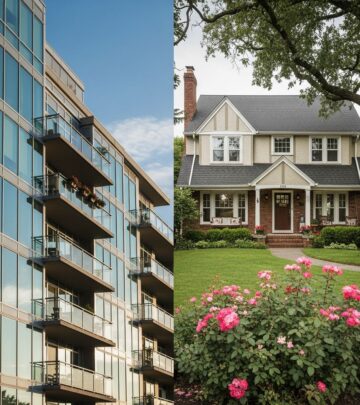
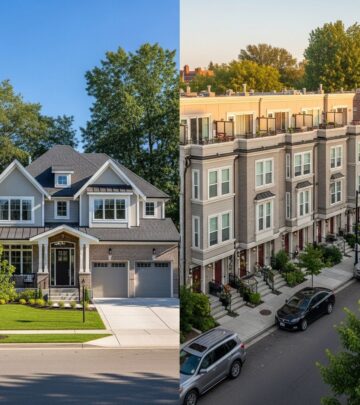
A condo, short for condominium, is a privately owned residential unit within a larger building or complex. When you purchase a condo, you own the interior space of your unit and possibly a parking space, while common areas and outdoor spaces are owned collectively with other unit owners. In contrast, a single-family house represents full ownership of both the structure and the land it sits on, giving you complete control over your property and the freedom to make modifications as you see fit.
The primary distinction between these two property types lies in ownership and responsibilities. With a condo, you share ownership of common areas and typically pay a homeowners association (HOA) fee, commonly referred to as a maintenance or condo fee. With a house, you are solely responsible for all maintenance and repairs, though some houses may be part of planned communities that also have HOA fees and associated obligations.
Financial Considerations
Purchase Price and Affordability
One of the most compelling reasons people choose condos is affordability. Condos tend to be significantly less expensive than single-family houses in the same area, making them an attractive option for first-time homebuyers and those looking to enter the real estate market with a smaller down payment. Newer condos or those with fewer amenities typically have lower maintenance fees, which can further enhance their financial appeal.
Houses generally command higher purchase prices due to the increased square footage, land ownership, and greater control over the property. However, the higher initial investment may be justified if you’re seeking more space, privacy, and long-term appreciation potential.
Ongoing Costs
While condos may have a lower purchase price, it’s crucial to account for monthly HOA fees when budgeting. These fees cover common area maintenance, building insurance, landscaping, pest control, and sometimes utilities like heat and water. Additionally, a portion of the HOA fee goes into a reserve fund for major repairs and upgrades, such as roof replacements or elevator maintenance. In most cases, residents may also face one-time special assessments for emergency repairs not covered by regular fees.
House ownership involves direct responsibility for all maintenance and repair costs, including plumbing, carpentry, electrical work, gardening, lawn mowing, and snow removal. While you won’t pay HOA fees unless your house is part of a planned community, these individual expenses can accumulate significantly over time and may be unpredictable.
Mortgage Rates and Lending
An important financial factor to consider is that condo loans often come with slightly higher interest rates than house loans. Lenders view condo purchases as carrying elevated risk due to potential issues stemming from other owners in the building and the shared financial responsibility of the complex. When evaluating a condo loan, lenders must assess not only the borrower’s finances but also the overall financial health of the condo association, adding an extra layer of scrutiny to the lending process.
Ownership and Maintenance Responsibilities
What You Own
When you purchase a condo, you own your interior unit but share ownership of common areas such as hallways, lobbies, landscaped grounds, and recreational facilities. This shared ownership model means you have limited control over these spaces and must abide by community rules and guidelines established by the HOA.
House ownership grants you full control over your property, both the structure and the surrounding land. You can renovate, expand, or modify your home without seeking permission from an HOA, provided you comply with local building codes and zoning regulations.
Maintenance and Repair Responsibilities
One of the key advantages of condo living is reduced maintenance responsibility. The HOA typically handles maintenance of common areas, roofs, exterior walls, and shared systems. Your responsibility is limited to maintaining your individual unit’s interior.
House owners bear the full burden of maintenance and repairs. This includes not only interior upkeep but also exterior work like roof repairs, painting, landscaping, and snow removal. For those who don’t have the interest, time, or ability to manage these responsibilities, a condo may be the more practical choice.
Lifestyle and Community Factors
Space and Privacy
Single-family houses typically offer more space and greater privacy compared to condos. Houses usually feature dedicated outdoor areas like yards, patios, or decks, providing room for gardening, outdoor recreation, and entertaining. You’re also less likely to experience noise from neighbors sharing walls or ceilings.
Condos generally provide less square footage and outdoor space. Neighbors are often in close proximity, which can result in shared walls and potential noise considerations. However, this proximity also creates a stronger sense of community and can be appealing to those who enjoy social interaction within their residential complex.
Security and Amenities
Condos typically offer better security compared to single-family houses. Many condo buildings feature security systems, controlled access points, surveillance cameras, and sometimes on-site security personnel. Additionally, condo complexes often provide amenities such as fitness centers, swimming pools, communal gardens, and social spaces that would be expensive or impractical for individual homeowners to maintain.
Freedom and Control
House ownership provides greater freedom and control over your property. You can make renovations, paint your exterior, plant or remove trees, and customize your home according to your preferences without seeking approval from an HOA. This autonomy appeals to those who value independence and long-term personalization.
Condo owners must adhere to HOA rules and regulations, which may restrict exterior modifications, pet ownership, rental policies, and other aspects of property use. Some associations impose restrictive rental policies that limit your ability to rent out your unit or list it on short-term vacation platforms, which is an important consideration if you’re buying as an investment property.
Property Appreciation and Investment Potential
Both condos and houses can appreciate in value over time, but the rates and factors influencing appreciation differ. Condos can appreciate, though their appreciation rates may be different from single-family homes. Location, market conditions, and the overall condition of the building significantly influence condo appreciation. Additionally, the HOA’s financial health, reserve fund status, and planned improvements can impact property values.
Houses typically have stronger appreciation potential, particularly if located in desirable neighborhoods with good schools and amenities. Land ownership is a key factor, as the land itself tends to appreciate over time. Houses also offer greater flexibility for value-added improvements, as owners can renovate and expand without HOA approval.
Key Considerations Before Purchasing
For Condo Buyers
If you’re considering a condo purchase, conduct thorough due diligence on the HOA. Ensure the homeowners association is well-run by reviewing their bylaws, rules, and regulations. Ask about any major improvements planned for the building and how they will be funded. Request financial statements to assess the association’s fiscal health and reserve fund status. A poorly managed HOA can lead to unexpected special assessments or inadequate maintenance of common areas, negatively impacting your property value and quality of life.
Always have the property thoroughly inspected as a contingency of purchase. This inspection should include evaluation of the building’s structural integrity, roof condition, plumbing and electrical systems, and any signs of water damage or pest problems.
For House Buyers
House buyers should carefully consider their capacity and willingness to manage ongoing maintenance and repairs. Calculate potential maintenance costs and factor them into your budget. If the idea of managing multiple repair responsibilities seems overwhelming, a condo might be a better fit for your lifestyle.
Also determine whether the house is part of a planned community with HOA fees, as this affects your ongoing costs. Like condo purchases, have the property professionally inspected to identify any immediate or potential issues.
Who Should Buy a Condo?
Condos are ideal for first-time homebuyers looking to build equity while maintaining lower costs and minimal maintenance responsibilities. They’re also suitable for downsizers who want to reduce property upkeep, professionals with busy schedules who lack time for extensive maintenance, and those who value community amenities and security. Condos appeal to people who prioritize convenience and freedom from property management responsibilities over maximum space and complete autonomy.
Who Should Buy a House?
Single-family houses are best suited for larger households needing more space, families who plan to stay in one location long-term, and those who value privacy and the freedom to customize their property. Houses are ideal for people with the time, interest, and ability to manage maintenance, those seeking stronger appreciation potential through renovation and improvement, and anyone who desires complete control over their property without community restrictions.
Comparing Costs at a Glance
| Factor | Condo | House |
|---|---|---|
| Purchase Price | Generally lower | Generally higher |
| Down Payment | Potentially smaller | Varies by property |
| Monthly Costs | Mortgage + HOA fees | Mortgage + maintenance |
| Maintenance Responsibility | Minimal (HOA handles common areas) | Comprehensive (owner responsible) |
| Mortgage Rates | Typically higher | Typically lower |
| Appreciation Potential | Moderate | Generally stronger |
| Space | Limited | More abundant |
| Privacy | Shared walls/proximity | Greater privacy |
Frequently Asked Questions
Q: What is the main difference between a condo and a house?
A: The main difference lies in ownership and responsibilities. With a condo, you own your unit and share ownership of common areas while paying HOA fees for their upkeep. With a house, you own the entire structure and land and are solely responsible for all maintenance. Some houses may also be part of communities with HOA fees.
Q: Which is cheaper, a condo or a house?
A: Generally, condos are more affordable to purchase than houses. However, it’s essential to factor in HOA fees when budgeting for a condo. Additionally, some houses may have HOA fees if they’re part of planned communities, so compare total costs when making your decision.
Q: Do condos appreciate in value?
A: Yes, condos can appreciate in value, but their appreciation rates may differ from houses. Location, market conditions, and the overall condition of the building influence condo appreciation.
Q: What are HOA fees typically used for?
A: HOA fees cover maintenance of common areas, building insurance, landscaping, pest control, and sometimes utilities. A portion goes into a reserve fund for major repairs like roof or elevator replacements.
Q: Can I rent out my condo?
A: This depends on the condo’s HOA rules. Some associations have restrictive rental policies that limit your ability to rent out your unit or list it on short-term platforms like Airbnb. Review these policies carefully before purchasing if you plan to use the property as an investment.
Q: Why are condo mortgage rates higher than house rates?
A: Lenders view condo purchases as carrying elevated risk due to potential issues from other owners and shared financial responsibility. Lenders must assess both the borrower’s finances and the condo association’s financial health, adding extra scrutiny that results in higher rates.
Q: How long should I plan to live in the property before buying?
A: If you plan to move within five years, renting might be a better financial option than buying, as transaction costs and potential appreciation may not justify the investment during such a short timeframe.
References
- Condo vs. House — RBC Royal Bank. 2024. https://www.rbcroyalbank.com/mortgages/condo-vs-house.html
- Apartment vs. Condo vs. Townhouse vs. House — Bankrate. 2024. https://www.bankrate.com/real-estate/buy-house-condo-townhouse-apartment/
- Buying a Condo vs. a House — DSLD Mortgage. 2024. https://www.dsldmortgage.com/blog/buying-condo-vs-house/
- Buying a Condo vs. a House: Things to Consider — Chase. 2024. https://www.chase.com/personal/mortgage/education/buying-a-home/condo-vs-house
- What Is A Condo? Pros And Cons For Homebuyers — Bankrate. 2024. https://www.bankrate.com/real-estate/what-is-a-condo/
Similar Articles








Read full bio of medha deb