How Condo Mortgages Work: Guide to Financing
Master condo financing: Learn requirements, rates, and strategies for securing the right mortgage.
Understanding Condo Mortgages: A Complete Financing Guide
Purchasing a condominium represents a significant financial decision, and understanding the mortgage process is essential for making an informed investment. While financing a condo shares similarities with purchasing a single-family home, the process involves distinct considerations and requirements that borrowers must navigate successfully. This comprehensive guide explores how condo mortgages work, what lenders evaluate, and the strategies that can help you secure favorable financing terms for your condo purchase.
What Is a Condo and Why Finance One?
A condominium is a type of residential property located within a community of other units, where individual units are privately owned while owners collectively maintain shared common areas. Owners typically pay monthly or annual association dues to support maintenance of community amenities, landscaping, security systems, and other shared facilities. The community is usually managed by a homeowners association (HOA) or board and a professional property management company that oversees operations and enforces community rules.
Condos offer several advantages that make them attractive to homebuyers. They are often more affordable than single-family homes, making homeownership accessible to a broader range of buyers. Many condo communities feature desirable amenities including on-site security, fitness centers, co-working spaces, and social gathering areas that enhance residents’ quality of life. The reduced maintenance responsibilities compared to single-family homes appeal to busy professionals, retirees, and those seeking a lower-maintenance lifestyle.
However, prospective condo buyers should also consider potential drawbacks. Association dues represent an ongoing financial obligation beyond the mortgage payment. Condo communities typically impose restrictions on interior renovations and exterior modifications, limiting customization options. Additionally, residents may experience less privacy than single-family home owners, and their property values can be influenced by the overall health of the condo community.
Can You Finance a Condo?
Yes, provided you meet eligibility requirements, you can finance a condo purchase through a condo mortgage. Lenders offer the same fundamental mortgage types available to single-family home purchasers, including conventional loans, FHA loans, VA loans, and USDA loans. Each loan type carries specific eligibility criteria and terms designed to serve different borrower profiles and financial situations.
Condo Mortgage Requirements by Loan Type
Conventional Condo Loans
Conventional loans represent the most common mortgage option for condo purchases. These loans typically require a minimum 3% or 5% down payment depending on loan structure, though borrowers can put down more if desired. Conventional condo mortgages require a minimum credit score of 620 and a debt-to-income (DTI) ratio no exceeding 43% to 45%. These loans are offered by banks, credit unions, and mortgage companies and are not insured by government agencies.
FHA Condo Loans
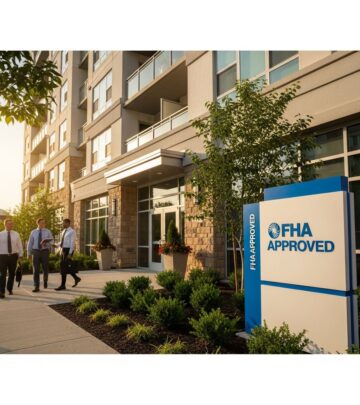
Federal Housing Administration (FHA) loans make condo financing accessible to borrowers with lower credit scores and smaller down payments. FHA condo loans require only 3.5% down with a minimum credit score of 580, or 10% down for borrowers with credit scores between 500-579. The maximum DTI ratio for FHA loans is 43%, though some exceptions allow up to 50% in certain circumstances. Importantly, the condo community must be FHA-approved for the loan to qualify.
VA Condo Loans
Veterans Affairs loans offer benefits exclusively to eligible active-duty service members, veterans, and surviving spouses. VA condo loans typically require no down payment and no minimum credit score requirement, though lenders may impose their own standards. The maximum DTI ratio for VA loans is 41%. The condo must be VA-approved, and applicants must obtain a Certificate of Eligibility from the VA.
USDA Condo Loans
United States Department of Agriculture loans serve borrowers purchasing in eligible rural or suburban areas. USDA condo loans require no down payment and no minimum credit score, making them accessible to many borrowers with limited savings. The maximum DTI ratio is 41%, and the property must be located in an eligible USDA-approved area.
What to Expect When Getting a Condo Mortgage
Enhanced Underwriting Scrutiny
The most significant difference between condo mortgages and single-family home mortgages is the additional layers of scrutiny applied during underwriting. Lenders evaluate not only your personal financial situation but also the finances and overall health of the condo community itself. This comprehensive assessment includes reviewing whether the community is currently engaged in litigation, experiencing financial difficulties, or facing structural or governance issues that could affect property values.
Lenders examine specific community metrics to assess risk. For example, conventional condo loan guidelines dictate that no more than 15% of unit owners can be 60 days or more behind on their association dues. Lenders also verify that the condo association maintains an adequate budget reserve to cover unexpected repairs and emergencies. They assess the percentage of owner-occupied versus tenant-occupied units, the number of units in the community, insurance coverage adequacy, and the management company’s reputation and experience.
This expanded evaluation process reflects lenders’ recognition that condo financing involves additional risk factors beyond the individual borrower’s creditworthiness. Community problems can negatively impact individual unit values and affect a borrower’s ability to sell or refinance later.
Potential for Higher Interest Rates
When comparing condo mortgage offers, you may notice that interest rates are slightly higher than rates for comparable single-family home mortgages. Industry professionals report that condo mortgage rates typically run 0.125% to 0.25% higher than single-family home rates for the same credit profile and loan structure. This premium reflects the additional risk lenders perceive in condo financing. Restrictions and assessments imposed by condo associations are outside the borrower’s control, creating a layer of risk that lenders compensate for through marginally higher rates.
Additional Documentation and Closing Costs
Condo mortgage applications require additional documentation beyond typical single-family home purchases. Lenders request comprehensive information about the condo community, including financial statements, reserve studies, budgets, governing documents, and insurance policies. Obtaining and reviewing these documents extends the loan approval timeline and can increase closing costs. Borrowers should budget additional time for underwriting and be prepared for potentially higher closing expenses compared to single-family home purchases.
Expert Tips for Successfully Obtaining Condo Financing
Research Condo Properties Carefully
Before committing to a condo purchase, thoroughly investigate both the specific unit and the overall community. Review the condo association’s financial health, including reserve fund adequacy, budget history, and any pending special assessments. Examine what restrictions apply to interior renovations and exterior modifications, as these limitations significantly affect your ability to customize your space. If you’re considering a unit that needs updates, confirm which renovations are permitted under community rules before making an offer. Understanding these constraints prevents costly surprises after purchase.
Explore Different Financing Options
Your intended use of the condo determines which financing options are available. Primary residences qualify for conventional, FHA, VA, and USDA loans, offering maximum flexibility in loan selection. Investment properties and vacation homes are typically limited to conventional financing, which involves higher down payment requirements and interest rates. Understanding which loan types apply to your situation ensures you pursue the most advantageous financing path available to you.
Work with Experienced Mortgage Professionals
Partnering with mortgage professionals who have specific condo lending experience proves invaluable. These specialists understand the nuances of community evaluation, can identify potential red flags, and know which condo communities lenders view favorably. They maintain relationships with lenders experienced in condo financing and can navigate the more complex approval process efficiently.
Condo Mortgage Options for Investment Properties
Purchasing a vacation or investment property as a second residence involves different financing parameters than primary residence purchases. Investors can use conventional condo mortgages but typically face higher down payment requirements, ranging from 10% to 25% depending on lender guidelines and loan structure. Interest rates on investment property condo mortgages are generally higher than rates for owner-occupied condos, reflecting the increased risk lenders associate with non-owner-occupied properties. Investment property buyers should expect more stringent qualification requirements and longer underwriting timelines.
Refinancing Your Condo Mortgage
Condo owners can refinance their mortgages in much the same way as single-family home owners. Refinancing allows borrowers to lower their interest rate, change their loan term, or access equity through a cash-out refinance. However, refinancing remains subject to the same enhanced condo underwriting standards and documentation requirements. Borrowers should review current market conditions and their personal financial situation to determine whether refinancing makes financial sense, considering that lenders will again evaluate the condo community’s financial health.
Getting Preapproved for Your Condo Mortgage
The mortgage preapproval process for condos begins with reviewing your credit report and score, as credit rating serves as the primary driver of mortgage rates. If your credit needs improvement, address it before applying. Simultaneously, save as much as possible for your down payment; while 20% down isn’t necessary, larger down payments increase your negotiating flexibility and can qualify you for better rates.
Next, compare mortgage lenders and offers to identify the most competitive terms. Request rate quotes from multiple lenders to ensure you’re getting the best deal. Once you identify your preferred lender, submit a preapproval application. Preapproval demonstrates to sellers that you’re a serious buyer with financing capacity, allowing you to make an immediate offer when you find the right property.
Steps to Secure Condo Financing
Follow these essential steps to streamline your condo mortgage process:
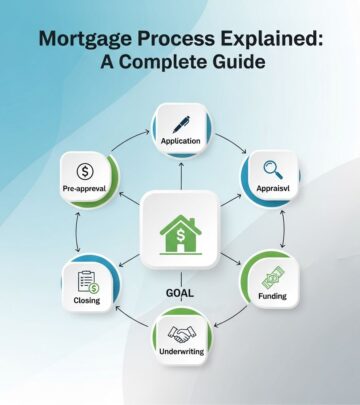
– Assess your financial readiness, including credit score, debt obligations, savings, and ability to afford association dues alongside your mortgage payment- Determine which loan types suit your situation based on your borrower profile and intended use of the property- Research lenders specializing in condo financing and compare their rates and terms- Gather documentation needed for application, including tax returns, employment verification, bank statements, and identification- Submit your preapproval application and receive conditional approval- Begin your condo search with confidence and market knowledge- Make an offer on your chosen property- Allow lenders to conduct full community evaluation alongside standard home appraisal- Work with your lender throughout the underwriting process to satisfy all conditions- Close on your condo purchase and receive your keys
Frequently Asked Questions About Condo Mortgages
Q: Why do condo mortgages have higher interest rates than single-family home mortgages?
A: Condo mortgages typically carry interest rates 0.125% to 0.25% higher than single-family home rates because lenders view condo financing as riskier. Community associations impose restrictions and special assessments outside the borrower’s control, creating additional risk factors that lenders compensate for through higher rates.
Q: What financial documents should I expect lenders to request from the condo community?
A: Lenders typically request the condo association’s financial statements, reserve studies, annual budgets, meeting minutes, insurance policies, and governing documents. These materials help lenders assess the community’s financial health and identify potential issues affecting property values.
Q: Can I get FHA financing for any condo?
A: No. The condo community must be FHA-approved for you to use an FHA loan for your purchase. You can verify whether specific properties appear on the FHA’s approved condo list through the Federal Housing Administration’s online database.
Q: How long does a condo mortgage approval typically take?
A: Condo mortgages generally take longer to approve than single-family home mortgages due to the additional documentation and community evaluation required. Expect the process to take 30-45 days or longer depending on the complexity of the community and lender responsiveness.
Q: Can I refinance my condo mortgage?
A: Yes. You can refinance your condo mortgage to lower your interest rate, change your loan term, or access equity through a cash-out refinance. However, refinancing requires the same enhanced underwriting and community evaluation as your original purchase mortgage.
Q: What is the minimum down payment required for a condo mortgage?
A: Down payment requirements vary by loan type. Conventional loans require 3-5% down, FHA loans require 3.5-10% down, while VA and USDA loans typically require no down payment. However, putting down more than the minimum can improve your loan terms and reduce monthly payments.
Q: What is the maximum debt-to-income ratio for condo mortgages?
A: Maximum DTI ratios vary by loan type. Conventional loans typically allow up to 43-45% DTI, FHA loans up to 43-50% DTI, VA loans up to 41% DTI, and USDA loans up to 41% DTI. Your specific maximum depends on your credit profile, down payment, and lender guidelines.
Conclusion
Understanding how condo mortgages work empowers you to navigate the financing process confidently and secure favorable terms for your purchase. While condo mortgages involve additional complexity compared to single-family home financing, they remain accessible through conventional, FHA, VA, and USDA loan options. By researching communities thoroughly, working with experienced mortgage professionals, and preparing comprehensive documentation, you can overcome the enhanced underwriting requirements and achieve your homeownership goals. Whether you’re a first-time buyer seeking affordability or an experienced investor diversifying your real estate portfolio, condo financing offers viable pathways to property ownership when approached strategically and informed by knowledge of the process.
References
- How Does A Condo Mortgage Work? — Bankrate. 2025. https://www.bankrate.com/mortgages/condo-financing/
- Compare Current Condo Mortgage Rates — Bankrate. 2025. https://www.bankrate.com/mortgages/condo-mortgage-rates/
- Buying A Condo Offers Homeownership For Less — Bankrate. 2025. https://www.bankrate.com/real-estate/buying-a-condo/
- Guide To Fannie Mae’s HomeReady Mortgage Program — Bankrate. 2025. https://www.bankrate.com/mortgages/homeready/
- Post-Surfside Condo Mortgage Rules Now Permanent — Bankrate. 2025. https://www.bankrate.com/mortgages/post-surfside-condo-mortgage-rules-now-permanent/
Similar Articles








Read full bio of medha deb