Compulsive vs Impulsive Spending: Key Money Differences
Learn the real difference between compulsive and impulsive spending so you can recognize your patterns and start building better money habits.

Compulsive vs Impulsive Spending: What’s the Difference?
Compulsive and impulsive spending both involve feeling like you are not fully in control of your money decisions, but they are not the same thing. Understanding the difference can help you target the right habits, get appropriate support, and finally move toward your financial goals.
In simple terms:
- Impulsive spending is usually spur-of-the-moment, driven by the desire for immediate pleasure or reward, with little thought about consequences.
- Compulsive spending is usually repetitive and ritual-like, driven by a strong urge to reduce anxiety or distress rather than to gain pleasure.
Because money is tied to emotions, stress, and identity, both patterns can quietly derail your budget, savings, and long-term wealth.
What Is Impulsive Spending?
Impulsive spending happens when you buy something quickly without planning and without fully considering the long-term impact. It is closely linked to the brain’s reward system and the pull of instant gratification.
Common features of impulsive spending include:
- Purchases are spontaneous and unplanned.
- The main goal is to feel pleasure, excitement, or relief right now.
- You often realize the drawbacks only after you spend, which can lead to guilt or regret.
- It may be more likely when emotions are high (stress, excitement, anger) or when your self-control is depleted.
Research in psychology and neuroscience links impulsive decisions to:
- Choosing immediate rewards over larger future rewards, known as poor delayed gratification.
- Changes in brain areas that support executive control, including the prefrontal cortex.
Everyday examples of impulsive spending
- Grabbing extra items at the checkout that were not on your list.
- Buying clothes because they are on sale, even though you do not really need them.
- Clicking “buy now” after seeing an ad on social media.
- Ordering takeout after a stressful day instead of cooking the groceries you already have.
These actions may feel small, but repeated often enough, they can seriously limit your ability to build an emergency fund, pay off debt, or invest.
What Is Compulsive Spending?
Compulsive spending involves repeated, hard-to-resist buying behaviors that you use to manage distressing feelings, like anxiety, tension, or low mood.
Key features of compulsive behavior in general include:
- Feeling an inner pressure or urge to act in a certain way.
- Using the behavior to reduce discomfort or prevent a feared outcome rather than to seek pleasure.
- Performing similar actions over and over, often in a ritual-like pattern.
- Recognizing that the behavior may not make sense, yet feeling unable to stop.
Compulsive buying (sometimes called compulsive buying-shopping disorder in the clinical literature) often follows this pattern:
- Intense emotional discomfort or stress builds up.
- Shopping or buying temporarily reduces anxiety or negative feelings.
- Relief is short-lived, and distress returns, along with financial and emotional consequences.
- The person shops again to feel better, reinforcing the cycle.
Everyday examples of compulsive spending
- Shopping online late at night whenever you feel anxious or lonely, even if you do not want the items.
- Buying multiple backups of the same product because something feels “not right” without them.
- Routinely visiting stores or shopping apps at the same time every day to calm yourself.
- Continuing to buy despite serious financial consequences, such as maxed-out credit cards or unpaid bills.
Compulsive spending can be associated with other mental health conditions, including mood and anxiety disorders, and may benefit from professional evaluation and support.
Impulsive vs Compulsive: A Side-by-Side Comparison
Although impulsive and compulsive spending can overlap, the motivations and patterns are different. Understanding these distinctions can help you choose the most effective strategies to regain control.
| Aspect | Impulsive Spending | Compulsive Spending |
|---|---|---|
| Primary motivation | Seek immediate pleasure, reward, or excitement. | Reduce anxiety, tension, or distress; prevent a feared outcome. |
| Timing and pattern | Spontaneous, often one-off or irregular. | Repetitive, ritual-like, may follow specific routines. |
| Awareness during behavior | Little forethought; consequences considered later. | Person often knows spending is irrational but feels driven to do it anyway. |
| Emotional state before spending | Often high arousal (excitement, anger, stress) or temptation. | Significant anxiety, dread, or a sense of “incompleteness”. |
| Emotional state after spending | Short-term pleasure, followed by possible guilt or regret. | Short-term relief from anxiety, followed by shame, distress, or renewed urges. |
| Control and flexibility | Difficulty pausing in the moment, but behavior is usually not tied to strict rules. | Strong sense of “have to”; behavior feels necessary and rigid. |
Do You Struggle with Impulsive or Compulsive Spending?
You might recognize yourself in one pattern more than the other, or notice that you switch between them depending on what is happening in your life. Reflecting honestly on your behavior is the first step to change.
Signs you may be an impulsive spender
- You often buy things you had no intention of purchasing before seeing them.
- Sales, discounts, and limited-time offers quickly sway your decisions.
- You frequently tell yourself, “I deserve this” after a tough day.
- You later feel surprised or embarrassed when you review your bank or credit card statements.
- You struggle to stick to a written budget, even when you want to.
Signs you may be a compulsive spender
- You feel anxious, restless, or upset until you buy something.
- Shopping has become a go-to way to cope with stress, sadness, or conflict.
- You shop or browse even when you do not need anything and are not looking for pleasure.
- You hide purchases, receipts, or credit card statements from loved ones.
- You have tried to stop buying repeatedly but feel unable to do so, despite serious financial consequences.
How Compulsive and Impulsive Spending Impact Your Finances
Both patterns can seriously affect your financial health and long-term opportunities.
- Debt accumulation: Repeated overspending can lead to high-interest credit card balances, personal loans, or buy-now-pay-later obligations that are difficult to escape.
- Limited savings: Money that could build an emergency fund, retirement account, or other savings is instead diverted to nonessential spending.
- Financial stress: Constant worry about bills, debt, and future expenses can increase overall stress and may worsen emotional triggers for more spending.
- Strained relationships: Money secrets, broken agreements, and debt can create conflict with partners or family members.
- Delayed goals: Home ownership, education, business projects, and travel may be postponed indefinitely because of chronic overspending.
From a behavioral health perspective, both impulsivity and compulsivity involve difficulty with delaying gratification and regulating emotions, which can undermine consistent, goal-directed financial behavior.
Strategies to Reduce Impulsive Spending
Because impulsive spending is tied to quick, emotional decisions, the most effective strategies create speed bumps between the urge and the action.
1. Use pause rules
- Adopt a 24-hour rule (or longer) for non-essential purchases over a set amount.
- Remove saved payment methods from shopping apps so buying takes more effort.
- Keep a running “want list” and revisit it weekly instead of buying immediately.
2. Set clear spending limits and categories
- Create a realistic monthly budget that includes a fun or personal spending category, so you do not feel deprived.
- Use separate digital wallets or accounts for discretionary spending.
- Track your purchases weekly to increase awareness and accountability.
3. Change your environment
- Unsubscribe from marketing emails and limit social media accounts that trigger “haul” or shopping content.
- Avoid browsing apps or stores when you are tired, hungry, or stressed.
- Plan shopping trips with a list and a firm spending cap.
Strategies to Reduce Compulsive Spending
Compulsive spending is more closely tied to underlying distress and may require deeper emotional and behavioral work.
1. Identify emotional triggers
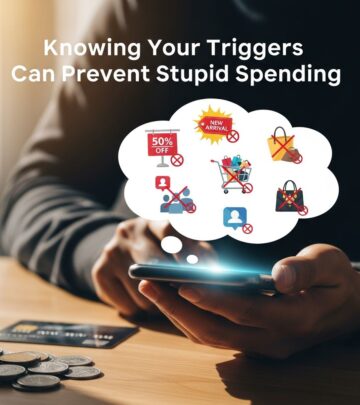
- Notice what you usually feel right before you start shopping (anxiety, loneliness, boredom, anger).
- Keep a brief journal of mood, time, and situation whenever you feel the urge to buy.
- Look for patterns: particular times of day, certain relationships, or recurring thoughts.
2. Build alternative coping tools
- Experiment with non-spending activities that reduce distress, such as walking, journaling, creative hobbies, or talking to a supportive friend.
- Practice relaxation skills (deep breathing, mindfulness exercises) during urges instead of shopping.
- Create a “coping menu” of quick, no-cost actions you can choose before opening a shopping app.
3. Consider professional support
- If your spending feels out of control, or you suspect an underlying mental health condition, consider talking to a licensed therapist experienced in anxiety, obsessive-compulsive spectrum, or behavioral addictions.
- Evidence-based approaches, such as cognitive behavioral therapy (CBT), can help address the thought patterns and emotional responses driving compulsive behaviors.
- In some cases, a combination of therapy and medical evaluation may be appropriate.
How to Build Healthier Money Habits Going Forward
Whether your main challenge is impulsive or compulsive spending, small, consistent actions can move you toward greater financial stability and peace of mind.
- Clarify your “why”: Get specific about the life you want your money to support (security, freedom, family, flexibility). Use this vision as a filter for spending decisions.
- Automate good choices: Set up automatic transfers to savings or debt payments so less money is available for unplanned spending.
- Review regularly: Schedule a weekly or biweekly money check-in to review transactions, adjust your budget, and notice progress.
- Build support: Share your goals with a trusted friend, partner, or community, and consider using accountability check-ins.
- Practice self-compassion: Change takes time. Slips are information, not failure; use them to refine your strategies.
Frequently Asked Questions (FAQs)
Q: Can someone be both an impulsive and a compulsive spender?
A: Yes. Many people show features of both. For example, you might impulsively buy small items when you are bored, but also shop compulsively to cope with anxiety or low mood. What matters most is recognizing your patterns and addressing the emotions, habits, and environments that drive them.
Q: Is compulsive spending considered a mental health disorder?
A: Compulsive buying has been discussed in psychiatric research as a potential behavioral addiction or obsessive-compulsive–related condition, although classification can vary. If spending is causing significant distress or impairment in your life, it is important to seek professional assessment and support from a qualified clinician.
Q: Why do I feel good when I shop, then regret it later?
A: Shopping can temporarily activate the brain’s reward pathways and reduce uncomfortable emotions, leading to a brief sense of relief or pleasure. Once the emotional high fades and the financial consequences become clear, you may feel guilt, shame, or regret.
Q: How do I know if I need professional help for my spending?
A: Consider seeking help if you frequently spend more than you can afford, use shopping as a main way to cope with distress, hide purchases from others, cannot cut back despite serious consequences, or feel out of control around money. A mental health professional can help you explore underlying causes and create a tailored plan for change.
Q: Can budgeting alone fix compulsive or impulsive spending?
A: A budget is a useful tool, but on its own it usually is not enough if your spending is driven strongly by emotions or ingrained habits. Combining practical tools (budgeting, automation, spending limits) with emotional and behavioral strategies (therapy, coping skills, environmental changes) is often more effective for long-term change.
References
- Compulsive vs. Impulsive Behavior: Understanding the Differences and Supporting Clients in Therapy — Blueprint. 2023-05-10. https://www.blueprint.ai/blog/compulsive-vs-impulsive-behavior-understanding-the-differences-and-supporting-clients-in-therapy
- Compulsive vs Impulsive Behavior: Key Differences — Mental Health Center of San Diego. 2023-03-08. https://mhcsandiego.com/blog/compulsive-vs-impulsive/
- Compulsive vs Impulsive: Differences in Behavior Explained — CA Mental Health. 2023-09-01. https://camentalhealth.com/blog/compulsive-vs-impulsive-a-deep-dive-into-behavioral-patterns/
- Overlapping Spectrum of Impulsivity and Compulsivity Across Psychiatric Disorders — Fineberg NA et al., Psychiatry and Clinical Neurosciences. 2014-08-01. https://pmc.ncbi.nlm.nih.gov/articles/PMC12208925/
- Understanding the Differences Between Impulsivity and Compulsivity — Grant JE, Psychiatric Times. 2014-05-01. https://www.psychiatrictimes.com/view/understanding-the-differences-between-impulsivity-and-compulsivity
- Compulsive vs Impulsive Behaviors and Teen Mental Health — Clearfork Academy. 2022-11-15. https://clearforkacademy.com/blog/compulsive-vs-impulsive-behaviors-and-teen-mental-health/
Similar Articles








Read full bio of medha deb