Comps: Understanding Comparable Property Analysis
Master the art of comparable property analysis for accurate real estate valuations and investments.
What Are Comps in Real Estate?
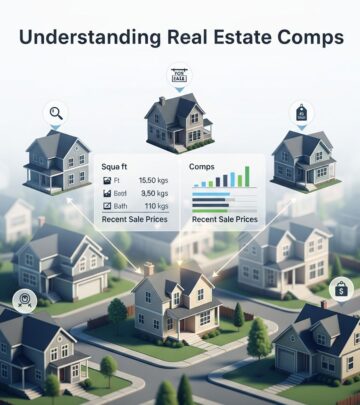
Comps, short for “comparables,” represent a fundamental concept in real estate valuation and investment analysis. Comps are properties that are similar to a subject property being evaluated, used to determine the fair market value of that property. Real estate professionals, appraisers, investors, and lenders rely heavily on comparable property analysis to establish accurate valuations that reflect current market conditions. The comparable sales approach, also known as the market approach, is one of the three primary methods used in real estate appraisal alongside the cost approach and income capitalization approach.
Understanding comps is essential for anyone involved in real estate transactions, whether you’re buying, selling, refinancing, or investing. By analyzing properties that have recently sold in the same geographic area with similar characteristics, you can establish a reasonable price range for the subject property. This methodology ensures that property valuations remain grounded in actual market data rather than speculation or outdated assessments.
How Comps Work in Real Estate Valuation
The comparable property analysis process involves several critical steps that ensure accuracy and relevance. When identifying comps, professionals must select properties that closely mirror the subject property in key characteristics. The process begins with gathering data about recently sold properties in the target market area, then filtering these sales to identify the most relevant comparables.
Key Steps in Comparable Property Analysis:
- Geographic Proximity: Properties should be located in the same neighborhood or district to ensure market similarity and account for location-based value differences
- Recent Sales Data: Most appraisers prefer sales that occurred within the last 3-6 months to reflect current market conditions accurately
- Property Characteristics Matching: Comparable properties should have similar square footage, number of bedrooms and bathrooms, lot size, age, and condition
- Adjustment Analysis: Once comparables are selected, adjusters must account for differences between the subject property and each comparable through systematic adjustments
- Price Per Square Foot Calculation: This metric helps normalize prices across properties of different sizes and is crucial for comparison accuracy
Essential Characteristics for Property Comparables
Selecting appropriate comparable properties requires understanding which characteristics most significantly influence property value. Different property types and markets may emphasize different factors, but certain universal characteristics remain critical across all real estate markets.
Primary Comparable Characteristics:
- Location and Neighborhood: This remains the most critical factor, with location typically accounting for 60-80% of property value variations in many markets
- Size and Square Footage: Total livable square footage directly correlates with property value and must be carefully compared
- Bedrooms and Bathrooms: The number of bedrooms and bathrooms significantly impacts property desirability and market value
- Age and Condition: Newer properties or recently renovated homes often command premium prices compared to older, less-maintained properties
- Lot Size and Land Area: The amount of land accompanying the property affects its value, particularly in residential and commercial contexts
- Special Features: Pool, garage, basement, outdoor amenities, and upgraded systems can substantially increase comparable property values
- Property Type: Comparable properties should be of the same type (single-family, condo, multi-unit, commercial) to ensure valid comparisons
Adjustments in Comparable Property Analysis
Raw comparable sales data rarely provides direct value indicators without adjustments. Real estate professionals use systematic adjustment methodologies to account for differences between the subject property and each comparable. Adjustments can be quantitative or qualitative and must be applied logically and consistently.
When the subject property has a feature that comparables lack, or vice versa, adjustments increase or decrease the comparable’s price accordingly. For example, if a comparable property sold for $400,000 but lacks an upgraded kitchen worth $15,000, that comparable’s adjusted value would increase to $415,000 for comparison purposes. Similarly, if a comparable has a feature the subject property lacks, its value is decreased by that feature’s estimated worth.
Common Adjustment Categories:
- Physical features and condition differences
- Financing terms and conditions of sale
- Market conditions and timing adjustments
- Location and neighborhood factors
- Days on market and sale circumstances
Data Sources for Comparable Properties
Accurate comparable property analysis depends on accessing reliable, comprehensive data about recent property sales. Multiple data sources provide this information, each with different strengths and limitations.
Primary Data Sources for Comps:
- Multiple Listing Service (MLS): The most comprehensive source for residential property sales data, providing detailed information about listed and sold properties
- Public Records: County assessor offices and deed recording systems provide publicly available property transaction data
- Real Estate Appraisal Databases: Professional appraisers access specialized databases like CoreLogic, Black Knight, and Zillow’s API for comprehensive sales information
- Tax Assessment Records: Property tax assessments often include valuation data and property characteristics
- County Recorder’s Office: Official records of property sales and transfers provide authoritative transaction data
- Real Estate Websites: Platforms like Zillow, Redfin, and Trulia offer sales data and property information to consumers and professionals
Comparable Properties in Different Market Scenarios
The approach to finding and analyzing comps varies significantly depending on market conditions and property characteristics. In hot markets with numerous recent sales, locating highly comparable properties becomes easier. Conversely, slow markets or unique properties require more creative comparable selection and greater adjustment analysis.
Urban properties benefit from abundant comparable data due to higher transaction volumes and standardized building types. Rural properties, unique estates, or specialized commercial properties present greater challenges in finding truly comparable sales. In these scenarios, analysts may expand geographic parameters or relax certain characteristic requirements while implementing more significant adjustments.
The Importance of Comps in Different Real Estate Contexts
For Home Buyers and Sellers: Comps help homeowners establish realistic listing prices and enable buyers to assess whether asking prices align with market values. This analysis empowers individuals to negotiate effectively and avoid overpaying for properties.
For Lenders and Appraisers: Lenders require appraisals based on comparable property analysis before approving mortgages. Appraisers use comps to ensure property values support loan amounts, protecting lender interests and ensuring responsible lending practices.
For Investment Decision-Making: Real estate investors analyze comps to identify undervalued properties, assess rental income potential, and project investment returns. Comparing property values in neighborhoods helps investors identify growth opportunities and evaluate portfolio risk.
Challenges and Limitations of Comparable Analysis
While comparable property analysis remains the gold standard for real estate valuation, it has inherent limitations and challenges. Properties are unique assets, making perfect comparables impossible to find. Subjective adjustment decisions can introduce bias or inconsistency into valuations. Market conditions can shift rapidly, rendering recent sales data less relevant in volatile markets.
Properties with unique characteristics, extensive renovations, or special uses present particular challenges for comparable analysis. Historical properties, properties with unique architectural features, or specialized commercial properties may lack sufficient comparable sales for reliable analysis. Additionally, in rapidly appreciating or depreciating markets, even recent sales may not accurately reflect current values.
Best Practices for Comparable Property Analysis
Selecting Optimal Comparables:
- Choose properties sold within the last 3-6 months for maximum relevance
- Prioritize properties within a quarter-mile radius for residential properties
- Ensure comparables are arm’s-length transactions (not family sales or distressed circumstances)
- Select at least 3-5 comparable properties for reliable analysis
- Verify all data for accuracy before making adjustments
Applying Adjustments Correctly:
- Document the basis for each adjustment with supporting market data
- Apply adjustments consistently across all comparables
- Limit cumulative adjustments to prevent excessive deviation from market reality
- Prioritize quality adjustments (fewer significant adjustments) over numerous minor adjustments
Frequently Asked Questions About Comps
Q: How many comparable properties should I use for valuation?
A: Generally, using three to five comparable properties provides reliable valuation data. While more comparables can increase confidence, quality matters more than quantity. Ensure all comparables closely match the subject property’s key characteristics.
Q: What time frame is best for comparable sales data?
A: Most appraisers prefer sales occurring within the last 3-6 months for residential properties. In stable markets, slightly older data may be acceptable, while rapidly changing markets may require more recent information to reflect current conditions accurately.
Q: Can I use expired listings or failed sales as comparables?
A: No, failed listings and expired properties should not serve as comparables because they did not close at market prices. These transactions don’t reflect actual market activity and would skew valuation analysis.
Q: How do I account for seasonal market variations in comps?
A: Apply seasonal adjustments based on historical market data showing how property values typically shift during different seasons. Spring market sales may command premiums over winter sales, requiring downward adjustments for seasonal timing differences.
Q: What adjustments should I avoid when analyzing comps?
A: Avoid speculative adjustments without market support, excessive cumulative adjustments exceeding 10-15% of property value, and adjustments based on non-market factors. Stick to adjustments supported by actual market data and comparable sales evidence.
Q: How do new construction properties affect comparable analysis?
A: New construction properties can serve as comparables but require careful consideration. New homes often command premiums, and builder incentives may obscure true market values. Compare sales prices to list prices and account for builder concessions in analysis.
References
- Appraisal Standards Board – The Appraisal of Real Property — The Appraisal Foundation. 2024. https://www.appraisalfoundation.org/
- National Association of REALTORS – Real Estate Terms and Definitions — National Association of REALTORS. 2024. https://www.nar.realtor/
- Residential Appraisal Standards and Guidelines — U.S. Department of Housing and Urban Development (HUD). 2024. https://www.hud.gov/
- Real Estate Market Analysis and Comparable Sales — CoreLogic Research. 2024. https://www.corelogic.com/
- Fair Lending Guidance for Mortgage Appraisals — Federal Reserve Board. 2024. https://www.federalreserve.gov/
Similar Articles








Read full bio of medha deb