Comprehensive Personal Liability Insurance Explained
Protect your finances with comprehensive personal liability coverage for unexpected accidents and damages.
Understanding Comprehensive Personal Liability Insurance
Comprehensive personal liability insurance is a critical component of financial protection that shields you from the potentially devastating costs associated with accidents, injuries, and property damage for which you may be held legally responsible. Whether someone is injured on your property or you accidentally damage someone else’s belongings, personal liability coverage steps in to pay medical bills, legal fees, and compensation costs. This type of insurance acts as a financial safety net, ensuring that a single incident doesn’t jeopardize your personal assets and future earnings.
For homeowners, renters, and property owners, having adequate personal liability coverage is essential in today’s litigious society. Without it, you could face significant out-of-pocket expenses for medical treatment, legal representation, and court-awarded damages. Understanding what this coverage includes, how it works, and its limitations empowers you to make informed decisions about your insurance needs.
What Is Comprehensive Personal Liability Coverage?
Comprehensive personal liability coverage is an insurance provision designed to protect you against claims arising from accidents that occur on your property or as a result of your actions. This coverage applies to situations where you, a family member, or even your pet is found legally responsible for bodily injury or property damage to another person.
The key distinguishing feature of comprehensive personal liability is its broad scope. Unlike basic liability coverage, comprehensive coverage often includes additional protections and higher limits. Some insurance policies may not automatically include personal liability coverage, particularly if you don’t own a home or vehicle. In such cases, comprehensive personal liability can be purchased as a standalone policy, added as an endorsement to your existing coverage, or included as part of a bundled insurance package.
Comprehensive personal liability serves as a cushion and safety net that prevents your personal finances from suffering due to an accident for which you are found responsible. The coverage typically includes protection for incidents both on and off your property, making it valuable for homeowners, renters, and active individuals.
What Does Comprehensive Personal Liability Coverage Include?
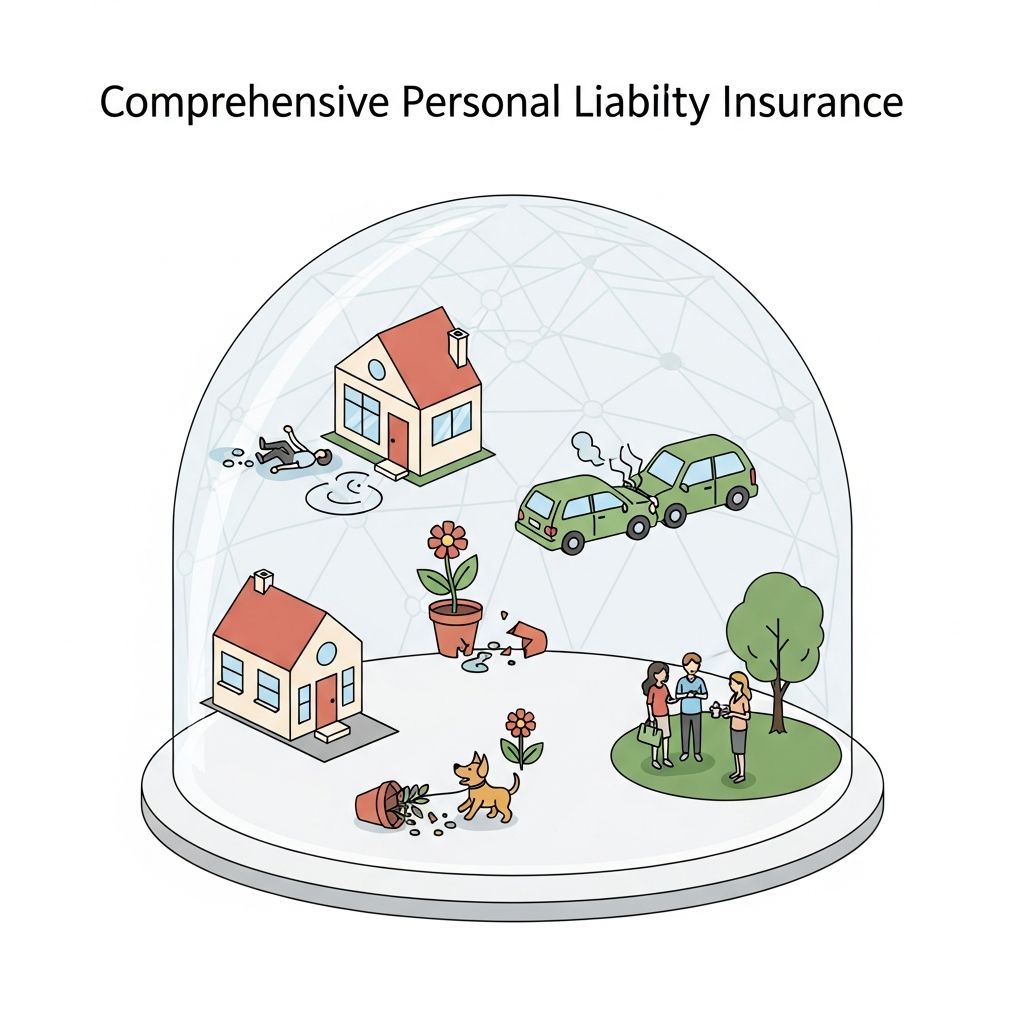
Comprehensive personal liability insurance encompasses several key areas of protection, each designed to address different aspects of potential liability claims:
Bodily Injury Coverage
This component covers medical expenses and related costs if someone is injured on your property or as a result of your actions. Bodily injury coverage includes hospital bills, emergency room visits, surgical procedures, rehabilitation costs, and ongoing medical treatment. For example, if a visitor slips and falls in your home and requires hospitalization, personal liability insurance would cover their medical expenses. Additionally, this coverage may include compensation for pain and suffering, lost wages while the injured party recovers, and in severe cases, death benefits for the injured person’s family.
Property Damage Coverage
Property damage coverage provides compensation when you accidentally damage someone else’s belongings or real property. If your child breaks a neighbor’s window while playing baseball, or a tree from your yard falls and destroys your neighbor’s fence, this coverage helps pay for repairs or replacement. Property damage liability typically covers the cost of repairing or replacing the damaged property up to the policy’s limit.
Legal Defense and Court Costs
One of the most valuable components of comprehensive personal liability insurance is its inclusion of legal defense costs. If you are sued for negligence, the insurance company typically covers attorney fees, court costs, and other legal expenses associated with your defense. This protection is particularly valuable because legal expenses can quickly accumulate, often reaching thousands of dollars in a single lawsuit. Having the insurance company handle these costs prevents you from depleting your savings to pay for representation.
Medical Payments Coverage
Many homeowners and renters policies include medical payments coverage, which differs from standard liability coverage. Medical payments coverage is a no-fault provision, meaning it covers necessary medical expenses for persons accidentally injured on your property, regardless of whether you are legally responsible. This coverage typically starts at $1,000 per person, with higher amounts available depending on your policy. This provision can help resolve minor injuries quickly without requiring a lawsuit.
Common Examples of Comprehensive Personal Liability Claims
Understanding real-world scenarios helps illustrate when comprehensive personal liability coverage becomes invaluable:
Home-Related Incidents
A guest trips over loose carpet in your home and suffers a severe injury requiring hospitalization. Your neighbor slips and falls on the icy walkway outside your home, breaks their leg, and is unable to work during recovery. This situation could result in a lawsuit seeking payment for medical bills, lost wages, and pain and suffering. Your child’s friend breaks their arm while jumping on your trampoline at a backyard party, leading to extensive medical treatment and rehabilitation costs.
Pet-Related Incidents
Your family dog bites a guest or passerby, causing significant injuries requiring medical attention and potentially resulting in a lawsuit. These incidents can be particularly problematic because many states hold pet owners strictly liable for injuries caused by their animals, regardless of whether the animal previously displayed aggressive behavior.
Property Damage Incidents
You accidentally cause damage to a neighbor’s fence while landscaping your yard. A tree in your front yard falls and smashes your neighbor’s fence or damages their roof during a storm. You accidentally hit someone with a golf ball on the golf course, causing injury requiring medical treatment. A golf ball or other projectile from your property damages a neighbor’s car or home.
Multi-Vehicle Accidents
You accidentally crash into someone in a car accident, damaging their vehicle and breaking their arm. Personal liability in your auto insurance helps cover damage to their car, lost wages, and medical bills. Additionally, if during the accident you drove into the fence of a nearby home, personal liability coverage would also pay to repair that fence.
Coverage Limits and How They Work
Personal liability insurance policies typically include specific monetary limits on coverage. Many homeowners insurance policies provide a minimum of $100,000 in personal liability coverage, meaning the insurance company can pay up to that amount in total to injured persons per occurrence. If you feel you need more protection, higher limits are usually available at reasonable cost increases.
It’s important to understand that these policies have limits, though they are usually high enough to cover all but the very most expensive claims. Once the policy limit is reached, you become personally responsible for any additional damages. This is why many insurance professionals recommend evaluating your coverage limits based on your assets, income, and risk profile.
What Comprehensive Personal Liability Does Not Cover
Understanding the exclusions and limitations of personal liability coverage is equally important as knowing what is covered. Several important situations fall outside the scope of comprehensive personal liability protection:
Intentional Harm and Illegal Activities
Neither personal liability nor personal injury coverage typically covers intentional harm or illegal activities. If you deliberately injure someone or damage their property, your insurance will not protect you. The principle behind this exclusion is that insurance should not reward or protect negligent or criminal behavior.
Auto Insurance Claims
Liability resulting from automobile accidents is typically covered by your auto insurance policy, not your homeowners or renters insurance. This separation ensures that appropriate coverage applies to motor vehicle incidents. However, if your auto accident damages other property (like a fence), your auto insurance should cover that damage.
Intentional Damage by You or Family Members
Bodily injury or property damage caused intentionally by you or a family member in your home is not covered. This exclusion prevents policyholders from using insurance to protect themselves against deliberate harmful acts.
Business Activities
Claims arising from business-related activities are typically not covered under personal liability policies. If you operate a business from your home or engage in professional activities, you need a separate business liability insurance policy. This exclusion protects the insurance company from covering commercial risks that should be addressed through commercial coverage.
Injuries to Residents
Injuries or damages sustained by you or other covered residents in your home are generally not covered. Personal liability is designed to protect against claims from third parties, not household members.
Who Should Obtain Comprehensive Personal Liability Coverage?
Certain groups of people particularly benefit from comprehensive personal liability insurance:
Homeowners and Property Owners
Homeowners and renters benefit from personal liability coverage to protect against negligent acts that do not stem from a car accident, such as accidents on their property. Property owners have increased exposure to liability claims simply by virtue of inviting guests onto their premises.
Active Individuals
People who frequently entertain guests, participate in recreational activities, or maintain pools and trampolines face higher liability risk. These individuals should ensure adequate personal liability coverage limits.
Pet Owners
Dog owners and other pet owners need robust personal liability coverage given the strict liability laws in many jurisdictions for pet-related injuries. A single dog bite incident can result in substantial medical bills and legal fees.
Landlords and Property Managers
Landlords may need personal injury coverage for claims like wrongful eviction or other landlord-specific issues. Additionally, if you manage rental properties with tenants, you should purchase separate insurance with defined landlord liability coverage to protect against injuries and damages on your properties.
Supplementing Your Personal Liability Coverage
If you feel your personal liability coverage limits are insufficient, several options exist to enhance your protection:
Umbrella Insurance
Umbrella insurance, also known as excess liability coverage, provides additional protection beyond the limits of your primary liability policies. An umbrella policy can extend your liability coverage up to $10 million on your property insurance policy and can be purchased in million-dollar increments, offering coverage at nearly every protection level. Umbrella insurance includes situations not originally included in personal liability coverage and also provides protection for libel and slander lawsuits against you.
Increased Policy Limits
Many insurance companies offer higher liability limits at reasonable rates. If you have significant assets to protect, increasing your standard policy limits may be more cost-effective than purchasing umbrella coverage alone.
How Comprehensive Personal Liability Protects Your Finances
Without comprehensive personal liability coverage, you run the risk of being financially responsible for medical bills or damages should incidents escalate to litigation and you’re found liable. Depending on the circumstances, a single lawsuit could threaten your net worth and future earnings. Most employer-sponsored retirement accounts are protected from lawsuits, but potentially vulnerable assets can include savings account balances, money market accounts, bonds, and other investments.
By transferring the financial risk to an insurance company, you preserve your personal wealth and ensure that unexpected accidents don’t derail your financial future. The relatively modest cost of personal liability coverage provides exceptional value in protecting your most important asset—your financial security.
Reviewing Your Personal Liability Coverage
Personal liability is usually included in homeowners, rental, and dwelling insurance policies, but it is important to check the specifics of your policy. Review your current insurance documents to confirm your coverage levels and understand exactly what is included and excluded. Additionally, payouts max out at certain amounts, so your coverage may only include monetary damages up to a certain point. Knowing the limits of your coverage before an accident happens is essential for proper financial planning.
It’s recommended that you discuss the specifics of your personal liability coverage with your insurance agent to ensure adequate protection for your situation. Your individual policy may vary, and a professional can help you identify any coverage gaps and recommend appropriate enhancements.
Frequently Asked Questions
Q: Is personal liability coverage included in all homeowners insurance policies?
A: Personal liability coverage is typically included in standard homeowners insurance policies, but it’s important to verify your specific policy. If you don’t own a home, you may need to purchase standalone comprehensive personal liability coverage.
Q: What is the typical limit for personal liability coverage?
A: Many homeowners insurance policies provide a minimum of $100,000 in personal liability coverage. However, higher limits are available, and insurance professionals often recommend coverage limits that match or exceed your total assets.
Q: Does personal liability coverage apply to incidents outside my home?
A: Yes, personal liability coverage can cover incidents that occur outside your home or property, provided you are found legally responsible. For example, if you injure someone at a neighbor’s property or public location, coverage may apply depending on your policy terms.
Q: Will my auto insurance cover liability from a car accident?
A: Yes, auto insurance policies include liability coverage for accidents involving your vehicle. Homeowners and renters personal liability coverage does not apply to auto-related incidents.
Q: What is the difference between personal liability and medical payments coverage?
A: Medical payments coverage (also called medical payments to others) is a no-fault provision that covers necessary medical expenses for persons injured on your property, regardless of liability. Personal liability coverage only applies when you are found legally responsible for an injury or damage.
Q: Can I get personal liability coverage as a standalone policy?
A: Yes, comprehensive personal liability can be purchased as a standalone policy, added to your current insurance, or included with bundled coverage, particularly if you don’t own a home or vehicle.
Q: Does personal liability coverage protect against business-related claims?
A: No, personal liability coverage does not cover business activities or professional-related claims. If you operate a business, you need a separate business liability insurance policy.
References
- Personal Injury and Personal Liability in Insurance — Chandler Conway. 2025. https://chandlerconway.com/personal-injury-and-personal-liability-in-insurance/
- Protect Yourself With Comprehensive Personal Liability — AAA Northeast Magazine. 2025. https://magazine.northeast.aaa.com/daily/insurance/homeowners-insurance/comprehensive-personal-liability/
- Homeowners Personal Liability Insurance — Travelers Insurance. 2025. https://www.travelers.com/home-insurance/coverage/personal-liability
- What Is Comprehensive Personal Liability Coverage? — Texas Farm Bureau Insurance. 2025. https://blog.txfb-ins.com/insurance-and-finance/comprehensive-personal-liability/
- What is Personal Liability Insurance? — Nationwide Insurance. 2025. https://www.nationwide.com/lc/resources/home/articles/what-is-personal-liability-insurance
Similar Articles








Read full bio of Sneha Tete