Seasonal Sales 2025: Expert Guide To Shop Smart Year-Round
Master seasonal shopping patterns and maximize savings year-round with our complete guide.
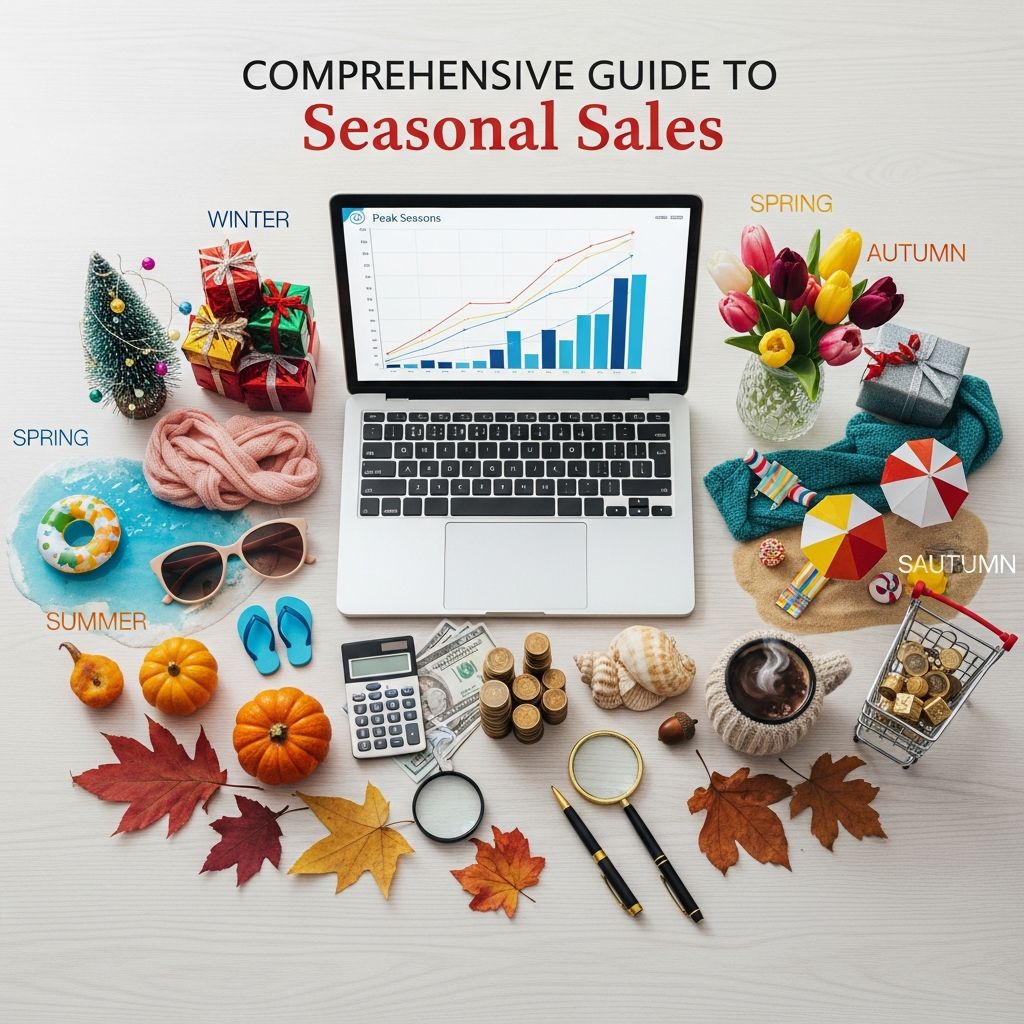
Seasonal sales represent one of the most effective ways for consumers to stretch their budgets and make strategic purchasing decisions throughout the year. By understanding when retailers offer the best deals and what products are typically discounted during specific periods, you can significantly reduce your overall spending while still getting the items you need. This comprehensive guide explores the seasonal retail cycle, major shopping events, and proven strategies to help you become a savvy shopper who maximizes savings at every opportunity.
Understanding the Seasonal Retail Cycle
The retail calendar follows predictable patterns based on consumer behavior, holidays, inventory cycles, and seasonal trends. Understanding these patterns is essential for anyone looking to make informed purchasing decisions. Retailers plan their inventory, marketing campaigns, and promotions months in advance to align with anticipated consumer spending patterns. By learning these cycles, you gain a significant advantage in planning your purchases strategically.
The retail year can be divided into several distinct seasons, each with its own characteristics, shopping opportunities, and best purchases. Recognition of these cycles allows you to anticipate when prices will drop on specific product categories and when you should accelerate or delay your purchases to achieve maximum savings.
Holiday Season: The Biggest Shopping Period
October through December represents the most critical retail period, accounting for up to 30-40% of annual revenue for many consumer brands. This season encompasses several major shopping events that collectively create unprecedented discounts and promotional opportunities.
Black Friday and Cyber Monday
Black Friday, occurring the day after Thanksgiving, and Cyber Monday, happening three days later, have become synonymous with massive discounts. During these events, retailers offer steep markdowns on electronics, home goods, fashion, and virtually every product category. These sales often feature time-sensitive promotions and flash deals that require quick action to capitalize on savings.
Smart shoppers should plan ahead for these events by creating lists of desired items and researching historical prices. Many retailers maintain price records that help consumers identify whether current discounts represent genuine savings or inflated original prices.
Holiday Gift Shopping and Gift Cards
The holiday season sees an explosion in gift-giving behavior. Beyond traditional retail sales, discount gift card platforms offer 1% to 20% savings on purchases from popular retailers. These discounted cards provide an excellent way to stretch holiday budgets while maintaining purchasing flexibility.
Visa gift cards present another option, allowing flexibility across any retailer and enabling shoppers to take advantage of store-specific promotions without committing funds to individual retailers.
Post-Holiday and New Year Period: January Through March
After the holiday spending frenzy, the post-holiday period from January through March brings clearance sales and inventory liquidation. Retailers must clear merchandise to make room for new spring inventory, resulting in significant markdowns.
Clearance Sales and Inventory Markdowns
Clearance sales during this period often feature reductions of 50% or more on leftover holiday decorations, wrapping paper, ornaments, and seasonal items. Strategic timing matters significantly—retailers who mark down items earlier while sales remain relatively strong can entice additional purchases and reduce leftover inventory without sacrificing profitability.
This period offers exceptional opportunities for purchasing holiday items for next year at fraction of the original cost. Smart shoppers build wish lists during the holiday season and purchase these items during post-holiday clearance events.
New Year Resolutions and Wellness Sales
The “new year, new me” mindset drives consumer spending in wellness, fitness, and productivity categories. Retailers offer significant discounts on gym memberships, exercise equipment, and fitness-related products in January, supporting consumers pursuing resolutions.
Additionally, the traditional “white sale” on linens, towels, and home goods occurs during winter months, providing excellent opportunities to refresh home décor affordably.
Gift Card Utilization
The post-holiday period sees a surge in gift card usage as recipients spend the cards received during holidays. This creates a unique shopping dynamic where retailers balance inventory management with accommodating increased customer traffic driven by gift card redemptions.
Spring Season: April Through May
Spring represents a season of optimism and refreshment, inviting consumers to embrace lighter, brighter product stories. This seasonal shift opens specific shopping opportunities aligned with spring-related events.
Easter and Spring Collections
Easter shopping drives sales across clothing, accessories, candy, and decorative items. Many retailers introduce new spring collections and seasonal drops during this period, making it an ideal time to refresh wardrobes with lighter apparel suitable for warming weather.
Mother’s Day and Graduation
May brings two significant gift-giving occasions: Mother’s Day and graduation season. These events drive sales in jewelry, beauty products, luxury goods, and experiential gifts. Retailers develop specialized marketing campaigns around these occasions, often featuring tiered discounts and gift bundles.
Planning Mother’s Day gifts around spring sales can yield significant savings while allowing personalized gift selection from robust spring collections.
Summer Season: June Through September
Summer presents a unique retail dynamic as consumer spending shifts toward experiences, travel, and leisure activities. While overall retail sales may appear slower, strategic opportunities exist for value-conscious shoppers.
Father’s Day and Summer Events
Father’s Day in June and Independence Day in July drive gift-giving and celebration-related spending. These occasions create promotional windows for electronics, outdoor gear, grilling equipment, and luxury items typically gifted to men.
Back-to-School Sales: July Through September
Back-to-school sales rival holiday sales in volume and promotional intensity. This period typically spans late July through September, offering significant discounts on apparel, footwear, school supplies, and technology devices. Students and parents benefit from retailers competing aggressively for back-to-school budgets.
The back-to-school season presents excellent opportunities for purchasing clothing that will see extended use throughout the academic year, making timing particularly strategic.
Fall Season and Secondary Shopping Moments
Beyond the primary retail seasons, several secondary moments drive consumer spending throughout the year and create additional shopping opportunities.
Halloween and Seasonal Transitions
Halloween has evolved into a growing retail opportunity extending beyond costumes to beauty products, food and beverages, and themed merchandise. This period offers promotional windows for seasonal décor and entertaining supplies.
Regional and Cultural Considerations
Regional nuances significantly impact seasonal sales timing. Climate differences affect demand for seasonal products—winter coats, for example, sell later in southern regions compared to northern areas. Cultural events and regional holidays further shape local demand patterns and create area-specific promotional opportunities.
Strategic Shopping Strategies for Maximum Savings
Understanding seasonal patterns is just the first step. Implementing specific strategies amplifies the savings potential of seasonal sales.
Create a Strategic Shopping List
Developing a comprehensive shopping list of items needed throughout the year provides focus and prevents impulse purchases that undermine budget goals. This approach ensures that seasonal discounts directly benefit your bottom line rather than encouraging frivolous spending.
Organization matters significantly—categorize items by seasonal relevance and note target purchase dates based on historical discount patterns.
Utilize Digital Tools and Monitoring
Email newsletters, social media, and retail apps provide alerts for time-sensitive promotions and flash sales. Staying informed through multiple channels ensures you capture limited-time offers before inventory depletes or sales end.
Additionally, analyzing historical sales data helps forecast which product categories perform best during specific times, such as electronics during Black Friday or personalized gifts for Mother’s Day.
Leverage Discount Gift Cards and Flexible Payment Options
Discount gift card platforms like Gift Card Granny offer savings from 1% to 20% on purchases, effectively creating additional discounts layered on top of seasonal sales. Visa gift cards provide maximum flexibility when specific store discounts aren’t available.
Monitor Clearance and Markdown Cycles
Retailers follow predictable markdown cycles as seasons change and new inventory arrives. Understanding that smaller, earlier markdowns can yield better profitability for retailers than deep end-of-season discounts allows you to time purchases strategically.
Product-Specific Seasonal Buying Guide
Different product categories peak during specific seasons, creating targeted opportunities for value-focused consumers:
| Product Category | Best Shopping Season | Typical Savings Range |
|---|---|---|
| Electronics and TVs | Black Friday, Cyber Monday, January-February | 20-50% |
| Winter Apparel and Gear | January-February Clearance | 30-70% |
| Home Goods and Linens | January White Sale, Post-Holiday | 25-60% |
| Spring and Summer Clothing | April-May, Start of Season | 20-40% |
| Holiday Decorations | January-February, September-October | 50-75% |
| Back-to-School Items | Late July-September | 20-50% |
| Gift Items and Accessories | Day after holiday, Holiday season | 30-60% |
Planning Year-Round for Seasonal Success
Effective seasonal shopping requires year-round planning rather than reactive purchasing. Maintaining detailed records of historical sales patterns, noting which items were discounted during previous seasons, and tracking pricing trends creates a personalized reference guide for future purchasing decisions.
Building this historical data helps identify patterns specific to your preferred retailers and product preferences, enabling increasingly accurate forecasting and strategic timing of purchases.
Managing Inventory and Storage Considerations
While seasonal sales offer tremendous savings, practical storage limitations require realistic assessment. Purchasing heavily discounted holiday items for next year only makes financial sense if adequate storage space exists. Similarly, buying large quantities of seasonal clothing requires ensuring you have space to properly store items until the relevant season arrives.
Balance the temptation of exceptional deals against practical limitations to maximize actual value gained from seasonal purchases.
Digital Transformation of Seasonal Shopping
Digital sales and e-commerce platforms have fundamentally transformed seasonal shopping dynamics. Online-only deals, digital gift cards, and mobile apps provide additional avenues for savings not available through traditional brick-and-mortar retail. The rise of Cyber Monday specifically reflects how digital shopping has created new promotional windows separate from physical store sales.
Omnichannel retail strategies mean that many retailers offer coordinated promotions across physical stores and online platforms, sometimes with exclusive online deals providing additional incentives to shop digitally.
Frequently Asked Questions About Seasonal Sales
Q: When is the absolute best time to shop for discounts?
A: The holiday season (October-December) offers the most aggressive discounts across all product categories. However, specific optimal times depend on what you’re buying—post-holiday clearance for decorations, January for fitness equipment, and late summer for back-to-school items.
Q: Can I actually save 50% or more during seasonal sales?
A: Yes, particularly during post-holiday clearance events and end-of-season markdowns. Holiday decorations, seasonal apparel, and leftover inventory can see reductions of 50-75%. However, percentage savings vary by product category and retailer.
Q: How can I make sure I’m getting a real discount and not an inflated original price?
A: Research historical pricing using price tracking websites, check competitor pricing, and maintain records of past prices for items you frequently purchase. This background information helps identify genuine discounts versus marketing tactics.
Q: Should I buy seasonal items during their season or wait for post-season clearance?
A: For items you’ll use during an upcoming season, waiting for post-season clearance after that season ends typically yields deeper discounts. However, for popular items with limited inventory, purchasing during the season might be necessary to ensure availability.
Q: How do discount gift cards work and are they legitimate?
A: Discount gift card platforms buy discounted gift cards from consumers or retailers and resell them. These are legitimate and typically offer 1-20% savings. The cards retain full face value at the retailer, so you receive genuine discounts.
Q: Can I combine seasonal sales with other discounts like coupons?
A: Many retailers allow coupon stacking during seasonal sales, though policies vary. Check individual retailer policies, as some restrict combining discounts while others encourage stacking for maximum customer savings.
References
- Seasonal Sales: What to Expect Throughout the Year for Smart Shopping Decisions — Gift Card Granny. 2024. https://www.giftcardgranny.com/blog/seasonal-sales-year-round-guide/
- Guide to Seasonal Retail Cycles – Target Accelerators — Target Accelerators. 2024. https://accelerators.target.com/learning-center/the-seasonal-retail-cycle-from-holiday-to-back-to-school-heres-what-every-founder-should-know/
- 3 Questions to Find the Balance of a Seasonal Product Cycle — Cria Advisors. 2024. https://www.criadv.com/insight/easing-the-seasonal-product-cycle/
- Seasonal Sales Guide: Best Times to Save Big on Purchases — Citibank Shopping Guide. 2024. https://www.citi.com/shop/online-shopping-guide/seasonal/seasonal-sales-guide
- Best Things to Buy Every Month — NerdWallet. 2024. https://www.nerdwallet.com/finance/learn/what-to-buy-every-month
Similar Articles








Read full bio of Sneha Tete