Understanding Comprehensive Auto Insurance Coverage
Complete guide to non-collision vehicle protection and coverage options
When it comes to protecting your vehicle, understanding the different types of insurance coverage available is essential. One of the most important optional coverages that drivers can add to their auto insurance policies is comprehensive coverage. This form of protection addresses a significant gap in basic liability insurance by covering damages that result from events outside your control. Unlike collision coverage, which specifically handles accidents involving other vehicles or objects you strike, comprehensive coverage focuses on protecting your vehicle from a wide range of other perils that could damage or destroy it.
Defining Comprehensive Coverage in the Context of Modern Driving
Comprehensive auto insurance is best understood as an optional protection layer that covers your vehicle when damage occurs from sources other than traffic accidents. This type of coverage is often referred to as “other than collision” insurance because it specifically excludes accident-related damage from its scope. The fundamental purpose of comprehensive coverage is to provide financial protection against unpredictable events that could otherwise leave you with significant out-of-pocket expenses for vehicle repairs or replacement.
Insurance companies and industry experts classify comprehensive coverage as an optional addition to your policy, though certain circumstances may make it mandatory. For instance, if you are financing or leasing your vehicle, your lender or leasing company will typically require you to maintain comprehensive coverage as a condition of the loan or lease agreement. This requirement protects the lender’s financial interest in the vehicle.
Events and Incidents Covered by Comprehensive Insurance
Comprehensive coverage applies to a surprisingly broad range of situations that can damage or disable your vehicle. Understanding these covered incidents helps you appreciate why this insurance option is valuable for many drivers.
Theft and Criminal Damage
One of the primary scenarios covered by comprehensive insurance is vehicle theft. If someone steals your car, comprehensive coverage will help pay to replace it, up to your policy’s coverage limit. Additionally, if criminals vandalize your vehicle—whether by scratching the paint, breaking windows, or causing other intentional damage—this coverage applies. The protection extends to various forms of malicious damage that have nothing to do with traffic accidents.
Natural Disasters and Weather Events
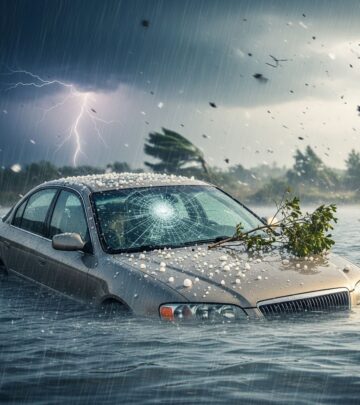
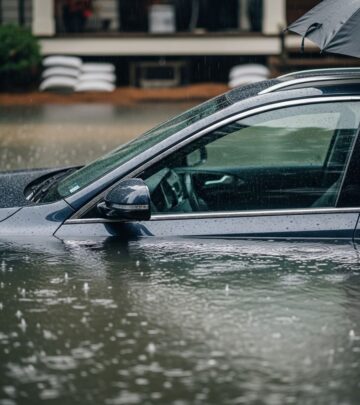
Nature poses numerous threats to vehicles that drivers cannot control. Comprehensive insurance protects against damage from severe weather including hailstorms, tornadoes, hurricanes, floods, lightning strikes, and earthquakes. If a tornado damages your vehicle or flooding submerges it, comprehensive coverage helps cover the repair or replacement costs. These weather-related incidents can cause thousands of dollars in damage, making this aspect of comprehensive coverage particularly valuable for drivers in regions prone to severe weather.
Falling Objects and Debris
Falling tree limbs, branches, or other objects can strike and damage your vehicle without warning. If a tree branch falls on your car during a storm, or if debris from another vehicle flies onto your windshield, comprehensive coverage applies. This also includes damage from rocks kicked up from other vehicles or falling off trucks ahead of you on the highway. Such incidents might seem minor but can result in substantial repair bills, particularly if structural damage occurs.
Animal-Related Incidents
Collisions with wildlife are specifically covered by comprehensive insurance. If you hit a deer, moose, or other animal while driving, the resulting vehicle damage is covered under this policy. Many drivers are surprised to learn that hitting an animal is not classified as a collision for insurance purposes; it falls under comprehensive coverage instead. This distinction is important for understanding your coverage and managing your claims.
Fire and Explosions
Damage to your vehicle caused by fire or explosions, whether accidental or otherwise, is covered by comprehensive insurance. This protection applies even if the fire originates from your vehicle’s mechanical systems or from external sources.
Glass and Windshield Damage
Comprehensive coverage includes protection for glass damage to your vehicle, including windshield cracks and chips caused by debris, weather, or other non-collision events. Some policies offer special glass coverage with lower or zero deductibles, recognizing how common windshield damage can be.
What Comprehensive Coverage Does Not Cover
It is equally important to understand what comprehensive insurance explicitly does not cover. Many drivers mistakenly believe that comprehensive coverage provides complete protection, but it has significant limitations.
Comprehensive insurance does not cover medical expenses for you or your passengers resulting from an accident. It also does not cover legal fees, lost wages due to an accident, or property that was stolen from inside your vehicle. If someone breaks into your car and steals your stereo, laptop, or other personal belongings, comprehensive coverage will not reimburse you for those items. Additionally, comprehensive coverage does not protect you against personal liability for injuries you cause to others or property damage you inflict on someone else’s vehicle.
Comprehensive Coverage Versus Collision Coverage: Key Differences
Understanding the distinction between comprehensive and collision coverage is crucial for selecting appropriate protection for your vehicle. While these coverages often work together, they address different types of damage.
| Coverage Aspect | Comprehensive Insurance | Collision Insurance |
|---|---|---|
| Types of Damage Covered | Non-collision damage including theft, weather, falling objects, vandalism, and animal collisions | Damage from accidents involving other vehicles or objects your vehicle strikes |
| Cause of Damage | External, uncontrollable factors | Driver-related accidents and collisions |
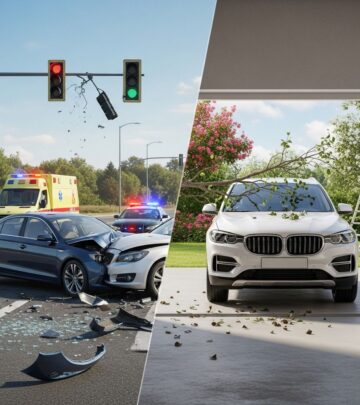
| Typical Scenarios | Tree branch falls on car, vehicle is stolen, hail damage, hitting a deer | Car hits another vehicle, rollover accident, striking a fence or utility pole |
| Required or Optional | Optional if vehicle is paid in full; required if financed or leased | Optional if vehicle is paid in full; required if financed or leased |
| Deductible | Yes | Yes |
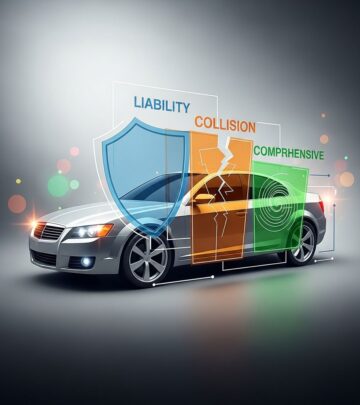
Collision coverage pays for damage when you collide with another vehicle or strike an object while driving, regardless of who is at fault. If you hit a guardrail, another car, or any object while driving, collision coverage applies. In contrast, comprehensive coverage does not apply to these accident scenarios; it only covers non-collision events. Many insurers sell these coverages together as a package often called “full coverage,” which combines comprehensive, collision, and liability protection.
Customizing Comprehensive Coverage to Your Needs
When adding comprehensive coverage to your auto insurance policy, you have several options to customize the protection based on your specific situation and budget.
Selecting Your Deductible
Your comprehensive deductible is the amount you must pay out-of-pocket before your insurance company pays for a claim. You typically have flexibility in choosing this amount. A higher deductible, such as $1,000, will lower your monthly premium because the insurance company’s exposure is reduced. However, this means you’ll pay more when you file a claim. Conversely, a lower deductible, such as $250, means you’ll pay less when making a claim but your premiums will be higher. The best choice depends on your financial situation and how much risk you’re willing to assume.
Valuation Method: Replacement Value versus Actual Cash Value
When choosing comprehensive coverage, you can typically select how your vehicle will be valued if it’s damaged beyond repair. Replacement value coverage pays what it would cost to replace your vehicle with a new one of the same make and model. This option is more expensive but reduces your financial impact if your car is totaled. Drivers with newer vehicles often choose this option.
Actual cash value coverage pays your vehicle’s current market value, accounting for depreciation based on age and condition. This option costs less but means you’ll receive less money if your vehicle is totaled. Most drivers with older vehicles choose this more economical option.
Policy Limits and Coverage Maximums
Your comprehensive policy includes limits that represent the maximum amount your insurance company will pay on a claim. The per-occurrence limit is the maximum for a single incident, while the aggregate limit is the most your insurer will pay during the entire policy period, typically one year. Understanding these limits helps you know exactly what your policy will cover in different scenarios.
Is Comprehensive Insurance Right for You?
Deciding whether to add comprehensive coverage depends on several factors. If you lease or finance your vehicle, the decision is made for you—your lender will require it. If your vehicle is paid in full, you have discretion.
Consider comprehensive coverage if you have a newer vehicle with significant financial value, live in an area prone to severe weather, park on the street in an area with high theft rates, or drive frequently in rural areas where animal collisions are common. Conversely, if you drive an older vehicle worth very little, have secure parking, and live in a stable weather region, comprehensive coverage might be less necessary from a purely financial perspective.
Frequently Asked Questions About Comprehensive Coverage
Does comprehensive insurance cover medical bills?
No. Comprehensive coverage specifically excludes medical expenses. You would need medical payments coverage or personal injury protection (PIP) for that protection.
Can I add comprehensive coverage anytime?
Yes, you can typically add comprehensive coverage to your policy at any time, even if you didn’t initially include it. Contact your insurance provider to discuss adding it to your existing policy.
Is comprehensive the same as “full coverage”?
No. “Full coverage” typically refers to a combination of liability, collision, and comprehensive coverage together, not comprehensive coverage alone. Each component provides different protection.
What is the typical cost of comprehensive coverage?
Comprehensive insurance premiums vary widely based on your vehicle’s value, deductible amount, location, driving history, and insurance company. Generally, comprehensive coverage costs less than collision coverage for the same vehicle.
Does comprehensive cover damage from an accident I cause?
No. If you cause an accident by hitting another vehicle or object, that damage is covered by collision insurance, not comprehensive. Comprehensive only covers non-collision damage.
Making an Informed Decision
Comprehensive auto insurance serves an important role in a well-rounded insurance strategy by protecting your vehicle from a broad range of unpredictable events. By understanding what it covers, how it differs from other coverages, and how to customize it for your needs, you can make informed decisions about your auto insurance protection. Whether comprehensive coverage is right for you depends on your vehicle’s value, your financial situation, and the risks you face in your area. Taking time to evaluate these factors and discuss options with your insurance provider ensures you have the protection you need without paying for unnecessary coverage.
References
- What is Comprehensive Auto Insurance Coverage? — Insureon. Accessed 2026. https://www.insureon.com/small-business-insurance/commercial-auto/comprehensive-auto
- What Is Comprehensive Insurance? — Allstate. Accessed 2026. https://www.allstate.com/resources/car-insurance/what-is-comprehensive-auto-insurance
- What Is Comprehensive Insurance? — Progressive. Accessed 2026. https://www.progressive.com/answers/comprehensive-insurance/
- What Is Comprehensive Car Insurance Coverage? — AAA. Accessed 2026. https://www.acg.aaa.com/connect/blogs/4c/insurance/what-is-comprehensive-car-insurance-coverage
- The Difference Between Comprehensive and Collision Insurance — Wawanesa. Accessed 2026. https://www.wawanesa.com/us/blog/the-difference-between-comprehensive-and-collision-insurance
Similar Articles








Read full bio of Sneha Tete