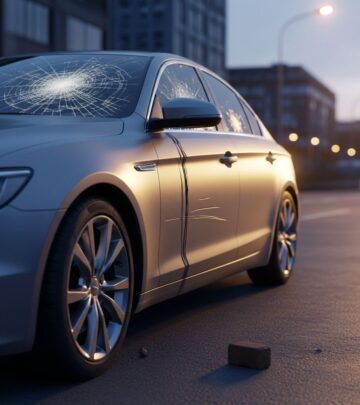
Comprehensive Auto Insurance: 7 Key Scenarios Covered
Discover how comprehensive auto insurance safeguards your vehicle from theft, weather disasters, vandalism, and more beyond collision incidents.

Comprehensive auto insurance provides essential protection for your vehicle against a wide array of risks that fall outside typical collisions. This coverage addresses damages from theft, severe weather, vandalism, and other unforeseen events, offering financial relief when accidents beyond driver control occur.
Understanding the Fundamentals of Comprehensive Coverage
At its core, comprehensive insurance safeguards your car from non-collision incidents. Unlike policies focused on crashes between vehicles, this type steps in for damages caused by external factors such as hailstorms battering the roof or a tree limb crashing down during a storm. It is classified as optional in most states, meaning drivers aren’t legally mandated to carry it unless financing or leasing a vehicle, where lenders often require it to protect their investment.
This coverage typically pays for repairs or replacement up to the vehicle’s actual cash value after depreciation, minus your deductible. For newer cars, some policies offer replacement cost options for full value without deductions, though this increases premiums.
Key Scenarios Covered Under Comprehensive Policies
Comprehensive insurance activates in diverse situations where your vehicle suffers damage unrelated to driving into another object or car. Common examples include:
- Theft: If your car is stolen, the policy covers its value or replacement, including any damage upon recovery.
- Vandalism and Riot Damage: Keyed doors, smashed windows, or harm from civil unrest fall under this umbrella.
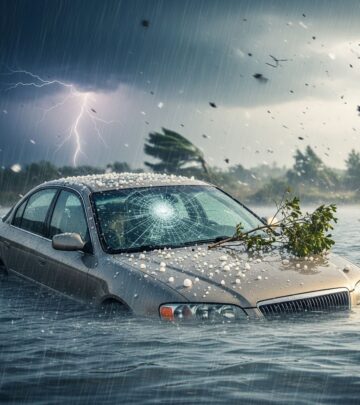
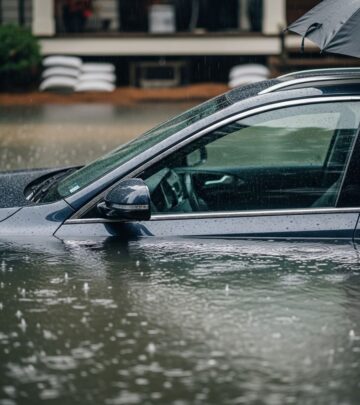
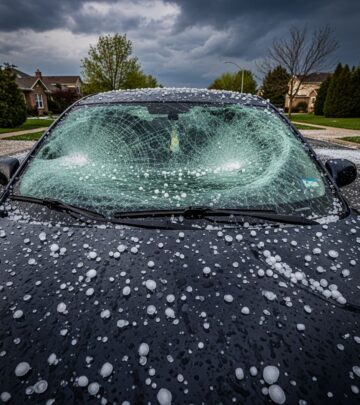
- Natural Disasters: Floods, hurricanes, earthquakes, lightning strikes, wildfires, and hail are protected events.
- Falling Objects: Tree branches, rocks from roads, or debris from construction sites qualify for claims.
- Animal Collisions: Striking wildlife like deer causes covered repairs, distinct from standard crashes.
- Fire and Explosions: Arson, electrical faults, or accidental blazes are compensable.
- Glass Breakage: Cracked windshields from road hazards or weather often receive coverage, sometimes with zero-deductible options.
These protections ensure you’re not left bearing full repair costs for events beyond your influence, providing peace of mind in unpredictable circumstances.
What Comprehensive Insurance Does Not Include
While broad, comprehensive coverage has clear boundaries. It excludes mechanical breakdowns, routine wear like tire tread erosion or wiper degradation, and any collision damages involving another vehicle or stationary object (except animals). Liability for injuries or third-party property damage remains uncovered, necessitating separate policies. Custom modifications or high-value aftermarket parts may require endorsements for full protection.
Comprehensive vs. Collision: A Clear Comparison
Drivers often confuse comprehensive and collision coverages, but they target distinct risks. Use this table to differentiate:
| Aspect | Comprehensive Coverage | Collision Coverage |
|---|---|---|
| Covered Events | Theft, vandalism, weather, animals, falling objects | Crashes with vehicles, objects, rollovers |
| Examples | Hail damage, stolen car, deer strike | Rear-end collision, hitting a pole |
| Deductible | Yes, often $100-$1,000 | Yes, typically higher than comprehensive |
| Required? | Optional unless financed | Optional unless financed |
| Payout Basis | Actual cash value or replacement | Actual cash value |
Collision handles at-fault or impact-related wrecks, while comprehensive manages ‘acts of God’ and human mischief.
Customization Options to Tailor Your Policy
Insurers allow adjustments to fit your needs and budget. Key customizations include:
- Deductible Levels: Higher amounts ($500+) lower premiums but raise out-of-pocket costs at claim time. Lower ones ($100) do the opposite.
- Valuation Methods: Actual cash value accounts for depreciation; replacement cost ignores it for newer vehicles.
- Policy Limits: Per-occurrence caps maximum payouts per event; aggregate limits apply yearly.
- Glass Coverage: Waive deductibles for windshield repairs in many states.
- Rental Reimbursement: Add-on for temporary transport during repairs.
Selecting the right mix balances affordability with adequate safeguards.
Factors Affecting Comprehensive Insurance Costs
Premiums vary based on vehicle value, location (high-theft or storm-prone areas cost more), driver history, and coverage selections. A $500 deductible on a mid-range sedan might run $100-300 annually, cheaper than collision due to lower claim frequency. Discounts apply for multi-policy bundling, anti-theft devices, or safe parking garages. Shopping quotes from multiple providers reveals savings opportunities.
Is Comprehensive Worth the Investment?
For owners of financed, leased, or high-value cars, comprehensive is indispensable, often lender-mandated. Even for paid-off vehicles in safe areas, it proves valuable against rising repair costs—modern windshields alone exceed $1,000. Skip it only if your car’s low value doesn’t justify premiums and you self-insure minor risks.
Full Coverage: Beyond Just Comprehensive
‘Full coverage’ isn’t a standalone policy but shorthand for liability (mandatory in most states) plus comprehensive and collision, sometimes with extras like uninsured motorist protection. This package offers holistic defense but doesn’t cover every scenario, such as personal items inside the car or intentional damage by the owner.
Navigating Claims: Steps and Tips
Filing a comprehensive claim involves notifying your insurer promptly, documenting damage with photos, and obtaining repair estimates. Meet your deductible, then receive payout for approved costs. Timely action prevents denials; understand exclusions to avoid surprises. Comprehensive claims rarely raise rates like collision ones, preserving your record.
Common Misconceptions Debunked
Myths persist: Comprehensive doesn’t cover ‘everything’—no medical bills or liability. It’s not just for luxuries; everyday drivers benefit from animal or weather protection. Nor is it identical to full coverage, which demands additional components.
Frequently Asked Questions (FAQs)
Do I need comprehensive insurance if my car is paid off?
No state requires it for owned vehicles, but it’s wise for theft or disaster protection in risky areas.
Does comprehensive cover animal hits?
Yes, collisions with deer or other wildlife qualify as non-collision events.
How much is a typical comprehensive deductible?
Ranges from $100 to $1,000; $500 is common for balancing costs.
Can I drop comprehensive after paying off my loan?
Yes, but evaluate risks like local crime or weather patterns first.
Is glass damage always covered?
Often with full glass coverage, deductibles may be waived for repairs.
Strategies for Maximizing Value
Bundle with home insurance for discounts. Install GPS trackers or alarms for premium reductions. Review annually as vehicle value drops, potentially lowering needs. Consult agents for state-specific rules, ensuring compliance and optimization.
References
- Comprehensive insurance coverage — Wex Definitions Team, Cornell Law School. 2021-06. https://www.law.cornell.edu/wex/comprehensive_insurance_coverage
- What is Comprehensive Auto Insurance Coverage? — Insureon. Accessed 2026. https://www.insureon.com/small-business-insurance/commercial-auto/comprehensive-auto
- Comprehensive Car Insurance: What Is It? — Liberty Mutual. Accessed 2026. https://www.libertymutual.com/vehicle/auto-insurance/coverage/comprehensive-insurance
- What Is Comprehensive Insurance? — Allstate. Accessed 2026. https://www.allstate.com/resources/car-insurance/what-is-comprehensive-auto-insurance
- What Is Comprehensive Car Insurance Coverage? — AAA. Accessed 2026. https://www.acg.aaa.com/connect/blogs/4c/insurance/what-is-comprehensive-car-insurance-coverage
- What Is Comprehensive Insurance? — Progressive. Accessed 2026. https://www.progressive.com/answers/comprehensive-insurance/
Similar Articles








Read full bio of Sneha Tete