Home Buying Process: 5 Phases To Help You Close In 2025
Master the essential phases of purchasing your first home with confidence.

Purchasing a home represents one of the most significant financial decisions most people make in their lifetime. The journey from dreaming of homeownership to holding the keys to your new property involves multiple interconnected phases, each with its own requirements, timelines, and critical decisions. Understanding these phases transforms what might seem like an overwhelming process into a manageable series of logical steps. This comprehensive guide walks you through the essential phases of home buying, equipping you with the knowledge to navigate each stage confidently and make informed decisions that align with your financial situation and life goals.
Phase One: Establishing Your Financial Foundation
Before you begin searching for properties or speaking with lenders, you must assess your current financial position and determine your readiness for homeownership. This foundational phase sets the stage for everything that follows and directly influences the homes you can afford and the loan terms available to you.
Begin by evaluating your credit health. Your credit score significantly impacts mortgage interest rates and loan approval chances. Most lenders prefer borrowers with credit scores of 620 or higher, though scores above 740 typically qualify for the most competitive rates. Review your credit report for errors and address any outstanding issues. If your score needs improvement, dedicate several months to paying down existing debts and making all payments on time.
Next, analyze your debt-to-income ratio, which compares your monthly debt obligations to your gross monthly income. Lenders typically want this ratio below 43%, meaning your total monthly debts should not exceed 43% of your income. Calculate your current obligations—car loans, credit card payments, student loans—and determine how much additional debt a mortgage payment would represent.
Save aggressively for your down payment and closing costs. While conventional wisdom suggests 20% down, many first-time homebuyers put down less, though this typically requires private mortgage insurance (PMI). Determine a realistic down payment range based on your timeline and savings capacity. Additionally, budget for closing costs, which typically range from 2% to 5% of the purchase price and include appraisal fees, title insurance, attorney fees, and other expenses.
Create a comprehensive budget that accounts for housing costs plus property taxes, homeowners insurance, HOA fees if applicable, maintenance reserves, and utilities. This realistic picture ensures you can comfortably afford homeownership beyond just the mortgage payment.
Phase Two: Getting Mortgage-Ready
Once your finances are in order, you’ll enter the mortgage preparation phase, which involves selecting a lender and obtaining mortgage preapproval. This phase typically takes two to four weeks and provides crucial clarity about your borrowing capacity.
Shop around with multiple lenders to compare rates, terms, and customer service. Many borrowers work with banks, credit unions, mortgage brokers, and online lenders. Each offers different advantages—credit unions may provide member benefits, while online lenders often feature streamlined processes. Obtain loan estimates from at least three lenders to compare annual percentage rates, closing costs, and loan terms.
Apply for mortgage preapproval, a process where lenders review your finances and determine how much they’re willing to lend you. During preapproval, lenders examine your credit history, income verification through recent pay stubs and tax returns, asset statements, and employment history. This process differs from pre-qualification, which is a rough estimate and not based on verified information.
A preapproval letter serves multiple purposes: it clarifies your budget, demonstrates to sellers that you’re a serious and qualified buyer, and strengthens your negotiating position if multiple offers compete for the same property. The preapproval is typically valid for 60 to 90 days, giving you a concrete timeframe for your home search.
Phase Three: The Property Search and Offer Process
With financing clarified, you move into the active search phase. This is where your real estate agent becomes invaluable, helping you identify properties matching your criteria and navigating the competitive offer process.
Begin by defining your needs versus wants. Needs include non-negotiables like location near your workplace or family, number of bedrooms required for your household, or proximity to good schools. Wants might include a gourmet kitchen, a pool, or architectural style preferences. This distinction prevents scope creep and keeps your search focused.
Your real estate agent provides several advantages during the search phase. They have access to comprehensive listing databases, understand local market conditions, can identify properties before they’re widely marketed, and offer insights into neighborhood characteristics and property values. A knowledgeable agent also handles comparative market analysis, helping you understand fair pricing for properties in your area.
Once you identify a property you want to purchase, your agent helps you craft a competitive offer. The offer letter includes your proposed price, down payment amount, proposed closing date, and any contingencies. Contingencies are conditions that must be met for the sale to proceed—typically including satisfactory inspection results and appraisal at or above the offer price. Many offers also include earnest money, a deposit showing good faith commitment, typically 1% to 3% of the purchase price.
Prepare for negotiation. If your offer isn’t accepted immediately, you may engage in back-and-forth discussions with the seller regarding price, closing timeline, or which party covers specific costs. Your agent advocates on your behalf throughout this process.
Phase Four: Due Diligence and Property Evaluation
After your offer is accepted and the sale becomes “under contract,” you enter the critical due diligence phase. This period, typically 7 to 14 days after offer acceptance, involves thorough property evaluation to ensure you’re making a sound investment.
Schedule a professional home inspection within the contingency period. The inspector examines structural components, roofing, foundation, electrical systems, plumbing, HVAC systems, and identifies safety concerns or needed repairs. Plan to attend the inspection if possible, as the inspector can explain findings and answer questions. Review the inspection report carefully and use it as a basis for negotiating repairs or credits with the seller if significant issues emerge.
Simultaneously, your lender orders a home appraisal to ensure the property value supports your loan amount[10]. The appraisal protects the lender from lending more than the home is worth. If the appraisal comes in below your offer price, you’ll need to renegotiate with the seller, increase your down payment, or withdraw from the purchase if your contingencies allow.
Conduct a title search to confirm the seller owns the property and there are no liens, judgments, or other claims against it that would transfer to you upon purchase. Title insurance protects you against future claims related to title defects. Most lenders require title insurance as a condition of the mortgage loan.
During this phase, begin shopping for homeowners insurance. Your lender will require proof of coverage before closing. Obtain quotes from multiple insurers, compare coverage options, and select a policy that protects your investment.
Phase Five: Closing and Taking Ownership
The final phase culminates in closing, where legal ownership transfers to you. Closing typically occurs 30 to 45 days after your offer is accepted, though timelines vary based on the loan type and specific circumstances.
Before the closing meeting, review your Closing Disclosure document, which outlines all final loan terms, monthly payments, and closing costs. Compare it carefully with your original Loan Estimate to ensure all terms match expectations and no unexpected fees have appeared.
At closing, you’ll meet with the seller, a title company representative or attorney, and potentially your real estate agent. Bring required documentation including your government-issued photo ID, proof of homeowners insurance, cashier’s check or bank transfer for your down payment and closing costs, and any other documents the lender requested.
During the closing meeting, you’ll sign multiple documents:
- The Closing Disclosure confirming all loan details
- The promissory note confirming your commitment to repay the loan
- The mortgage or deed of trust securing the lender’s interest
- The deed transferring ownership from the seller to you
- Various title and recording documents
After signing and funds are transferred, you’ll receive the keys and officially own your new home. The title company records the deed with the local government, completing the legal transfer of ownership.
Timeline and Preparation Considerations
The entire home-buying process typically requires 30 to 45 days from offer acceptance to closing, though purchase to closing can span longer if you include the property search phase. Start to finish, from initial financial preparation through final closing, often takes three to six months.
Begin preparing immediately by gathering financial documents your lender will need: two years of tax returns, recent pay stubs, bank statements, proof of employment, and documentation of any significant assets. Having these organized expedites the mortgage application process.
Avoid making major financial changes during the homebuying process. Don’t apply for new credit, make large purchases financed with debt, change jobs if possible, or make large deposits without explaining their source to your lender. These changes can affect your creditworthiness and loan approval.
Common Questions About the Home-Buying Process
- How long does the home-buying process typically take?
- From initial financial preparation through closing generally requires three to six months, though this varies based on market conditions, financing complexity, and individual circumstances.
- What’s the difference between prequalification and preapproval?
- Prequalification is a preliminary estimate based on information you provide and doesn’t verify your finances. Preapproval involves documented verification of your creditworthiness, income, assets, and debts, making it a stronger indicator of borrowing capacity.
- Why do I need an appraisal if I’m getting a home inspection?
- These serve different purposes. An inspection evaluates the property’s condition and identifies necessary repairs. An appraisal determines market value, protecting the lender and ensuring the property value supports your loan amount.
- What happens if my appraisal comes in lower than my offer price?
- You must renegotiate with the seller to lower the price, increase your down payment to make up the difference, or withdraw from the purchase if your appraisal contingency allows.
- Can I back out of a home purchase after making an offer?
- Yes, if you have contingencies in your contract. Contingencies typically include satisfactory inspection and appraisal results. Without contingencies, backing out may result in losing your earnest money deposit.
Key Takeaways for Successful Home Buying
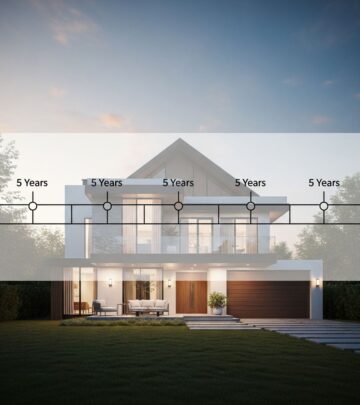
Understanding the five phases of home buying—financial preparation, mortgage readiness, property search and offers, due diligence, and closing—provides a structured framework for one of life’s largest decisions. Start each phase by understanding its purpose and requirements, giving yourself adequate time to complete due diligence without rushing critical decisions.
Work with qualified professionals: a knowledgeable real estate agent who understands your local market, a reputable lender offering competitive rates, and a title company or attorney ensuring proper legal transfer. These professionals guide you through complexities and protect your interests throughout the process.
Stay organized throughout the process. Maintain clear records of all documents, communications, and agreements. Ask questions about anything unclear—there are no stupid questions in a transaction of this magnitude. Your agents and lenders expect and welcome inquiries ensuring you understand the terms you’re committing to.
Finally, remember that homeownership is a marathon, not a sprint. While the active buying phase spans several months, you’ll benefit from your careful preparation and diligent decision-making for decades to come. Taking time to understand each phase and making deliberate choices throughout the process positions you for long-term satisfaction with your home investment.
References
- How to Buy a House: 15 Steps in the Homebuying Process — NerdWallet. 2025. https://www.nerdwallet.com/mortgages/learn/home-buying-checklist-steps-to-buying-house
- How to buy a house: Your step-by-step guide to buying in 2025 — Rocket Mortgage. 2025. https://www.rocketmortgage.com/learn/how-to-buy-a-house
- The Homebuying Process for First-Time Homebuyers — Achieve Financial Credit Union. 2025. https://www.achievefinancialcu.com/Services/Financial-Education-Center/Financial-Articles/The-Homebuying-Process-for-First-Time-Homebuyers
- Things to Consider When Buying a Home: A Step-by-Step Guide — Travelers. 2025. https://www.travelers.com/resources/home/buying-selling/how-to-buy-a-home
- How to Buy a House in 2025: A 12-Step Guide to Homebuying — Homes.com. 2025. https://www.homes.com/learn/how-to-buy-a-house/
- Buying A House In 2025: A Step-By-Step Guide — Bankrate. 2025. https://www.bankrate.com/real-estate/how-to-buy-a-house/
Similar Articles








Read full bio of medha deb