Complete Insurance Guide: Coverage Types and Best Practices
Navigate insurance options: Auto, life, home, and business coverage explained.

Understanding Insurance: A Comprehensive Guide to Protecting Your Assets
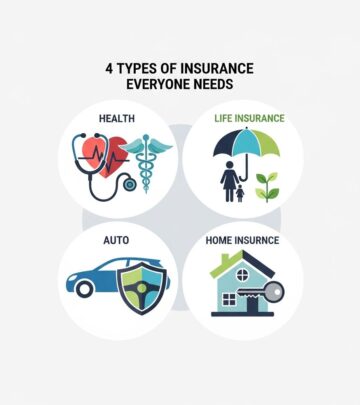
Insurance is a critical component of financial planning that provides protection against unexpected losses and liabilities. Whether you’re protecting your vehicle, your life, your home, or your business, having the right insurance coverage ensures peace of mind and financial security. This comprehensive guide covers the main types of insurance available and helps you understand what each type covers and why it matters.
Auto Insurance: Protecting Your Vehicle and Finances
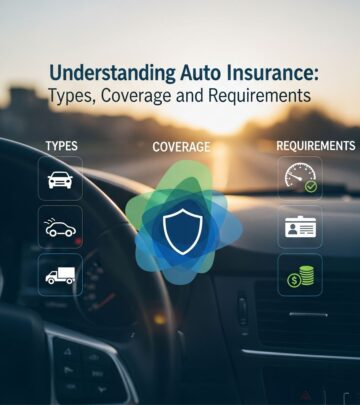
Auto insurance is a legal requirement in virtually every state, with the exception of New Hampshire and Virginia. When you obtain a car loan or lease a vehicle, your lender will require you to maintain comprehensive and collision coverage in addition to the mandatory liability insurance. Shopping around for auto insurance rates regularly can result in significant savings—drivers who switched providers saved over $460 per year on average, according to Consumer Reports.
Types of Auto Insurance Coverage
Auto insurance policies typically include several types of coverage designed to protect you, your passengers, and your vehicle:
Liability Coverage
Liability insurance covers damages and injuries you cause to other people or their property. This is the minimum required coverage in most states and is essential for protecting your assets from lawsuits.
Comprehensive and Collision Coverage
These coverages protect your vehicle from various types of damage. Comprehensive coverage handles non-collision damage such as theft, weather, and vandalism, while collision coverage pays for damage from accidents with other vehicles or objects.
Medical Payments and Personal Injury Protection
Medical payments coverage pays for medical expenses if you or your passengers are injured in an accident. Personal injury protection (PIP), also known as no-fault insurance, covers medical bills, loss of wages, and funeral costs for you or your passengers if you’re in an accident, regardless of who is at fault.
Uninsured/Underinsured Motorist Coverage
This coverage protects you if you’re hit by a driver who lacks adequate insurance or has no insurance at all.
Additional Coverage Options
Guaranteed asset protection (GAP) pays the difference between how much you owe on your vehicle and how much your insurance will pay out if your vehicle is totaled or stolen. Additional riders such as roadside assistance, travel expense coverage, ridesharing coverage, pet injury coverage, and classic car coverage are also available from many insurers.
Usage-Based Insurance and Telematics
Usage-based insurance programs use telematics technology to monitor your driving habits and potentially offer discounts for safe driving. However, these programs can also result in premium increases if risky driving habits are identified. It’s important to carefully read the fine print of these programs before enrolling to understand how your driving data will be used.
Life Insurance: Securing Your Family’s Financial Future
Life insurance provides financial protection for your loved ones in the event of your death. There are two primary types of life insurance: term life and permanent life insurance, each serving different needs and circumstances.
Term Life Insurance
Term life insurance provides coverage for a set number of years, ranging anywhere from 10 to 40 years, and does not include a cash value component. This type of insurance is typically more affordable than permanent coverage and is ideal for those seeking protection during their working years. Final expense insurance falls within this category.
Permanent Life Insurance
Permanent life insurance policies last your entire life and may include a cash value component that can be accessed for various purposes. This category includes whole life insurance, universal life insurance, variable life insurance, and joint life insurance options.
Whole Life Insurance
Whole life insurance is the most expensive type of permanent coverage, as it guarantees your beneficiaries a death benefit for the entirety of your life and offers cash value accumulation. One of the main benefits of having a cash value component is that you can borrow against your whole life insurance policy. Some companies pay out dividends on whole life policies that can cover premium payments or purchase additional coverage.
Factors Affecting Life Insurance Premiums
Several factors significantly impact the cost of your life insurance coverage:
Health and Lifestyle
Cigarette use directly affects premiums, as smokers are more likely to develop significant health issues and will always pay higher rates than non-smokers. Health concerns, including pre-existing conditions such as cancer, diabetes, or heart disease, can make it more difficult to get life insurance at an affordable rate—or at all. Weight and BMI are also considered, with higher BMIs potentially resulting in increased premiums. Frequently engaging in hazardous activities such as skydiving or rock climbing may increase the cost of your premiums.
Policy Exclusions and Limitations
It’s crucial to understand what your life insurance policy does not cover. Policies only stay active as long as you make your premium payments on time. Insurers can cancel your policy while you’re alive or deny or reduce the benefit after your death if they discover you lied on your application. If you die while committing a crime, or if your beneficiary committed a crime to access your insurance money, your insurer won’t pay out. Additionally, insurers typically exclude high-risk sports and hobbies from coverage, so if you died while skydiving, for example, your insurer might not pay out.
Growing Trend Among Young Adults
More young adults are recognizing the importance of life insurance early. Fifty percent of millennials and 36% of Gen Z participants reported having life insurance, up from 46% and 34%, respectively, since just 2022.[10] This trend reflects increasing awareness of the need for financial protection at younger ages.
Long-Term Care Insurance: Planning for Future Care Needs
Long-term care insurance helps protect your assets from the significant costs associated with extended care services. Most people will require custodial care for activities like assistance with daily living, making this type of coverage increasingly important.
Types of Long-Term Care Coverage
LTC policies may cover specialized services beyond basic custodial care, including hospice care, respite care, Alzheimer’s and dementia care, and family member training along with medical equipment and home modifications. Keep in mind that your policy may include restrictions on how long you can be covered for these specialized services or set limits on how much of your benefit can go toward them. However, some insurers may allow exceptions in extraordinary circumstances such as a global pandemic.
Hybrid and Linked-Benefit Policies
Some insurers offer hybrid (also called linked-benefit) policies that cater to the needs of both individuals and couples. These policies are tied to a fixed-premium universal life insurance plan that will pay out a guaranteed minimum death benefit—even if you receive long-term care. These flexible options provide both death benefit protection and long-term care coverage in a single policy.
Business Insurance: Protecting Your Enterprise
Business insurance protects companies from business risks such as liability lawsuits, property damage, and other losses. Whether your business faces risks from fire and floods that can devastate your property or potential liability lawsuits if someone gets hurt or their property is damaged because of your business operations, insurance can help cover these costs.
Main Types of Business Insurance
Business insurance companies offer a wide range of products, which can be broadly divided into two categories: property insurance and casualty insurance. Some of these products are available as standalone policies, while others can be added to existing policies as riders or add-ons.
General Liability Insurance
General liability insurance covers claims and lawsuits against a business arising from bodily injury, property damage, medical expenses, death, slander, or libel. This coverage provides liability protection for legal fees, settlements, and judgments in eligible claims.
Workers’ Compensation Insurance
Workers’ compensation insurance covers medical care, lost wages, and disability benefits for employees who are injured at work. This coverage is required in every state (except Texas) for businesses that employ more than a certain number of workers, with the minimum number of workers required varying from state to state.
Cyber Liability Insurance
Cyber liability insurance covers expenses related to data breaches, cyberattacks, and other cyber events, including direct financial losses, customer loss, and legal costs. This coverage is essential for businesses that are vulnerable to cyberattacks, such as online retailers, online services, fintech companies, and insurance companies.
Business Insurance Riders and Add-Ons
Common riders for business insurance include commercial property floaters that cover movable property such as equipment and inventory whether on or off the premises, personal property riders that increase property coverage for highly valuable items beyond standard policy limits, business interruption insurance that provides financial protection during unexpected disruptions to normal operations, and key person coverage that shields the business from the financial impact of losing a key employee or owner due to death or disability.
Information Needed for Business Insurance
When applying for business insurance, you’ll typically need to provide contact information for yourself and the company, health and safety policy documents, professional certificates if applicable, an estimate of your business’s revenue for the upcoming year, a description of business operations and occupational hazards such as handling hazardous chemicals or performing on-site installations for clients, information about company vehicles and driver details for commercial auto insurance, and your insurance history including existing policies and prior claims.
Available Insurance Types at Money
Money offers comprehensive information and guidance on a wide range of insurance types to help you make informed decisions about your coverage needs. Available insurance includes car insurance, health insurance, homeowners insurance, life insurance, long-term care insurance, pet insurance, property insurance, renters insurance, and travel insurance.
Key Considerations When Choosing Insurance
When evaluating insurance options, consider the cost of premiums, the coverage options available, discount opportunities, and the specific riders or add-ons that meet your unique needs. Shopping around regularly ensures you’re getting the best rates available, and bundling multiple policies often results in significant discounts. Additionally, review your coverage annually as your circumstances change to ensure you maintain adequate protection.
Frequently Asked Questions About Insurance
Q: Why is auto insurance required by law?
A: Auto insurance is required to ensure that drivers can cover damages and injuries they cause to others. This protects both the other party and yourself from financial devastation resulting from accidents.
Q: What is the difference between term and permanent life insurance?
A: Term life insurance provides coverage for a specific period (10-40 years) and is more affordable but doesn’t build cash value. Permanent life insurance lasts your entire life, is more expensive, but includes a cash value component that can be borrowed against.
Q: Is workers’ compensation insurance mandatory?
A: Workers’ compensation is required in every state except Texas for businesses that employ more than a certain threshold of workers. The specific requirements vary by state.
Q: How much can I save by switching auto insurance providers?
A: According to Consumer Reports, drivers who switched auto insurance providers saved over $460 per year on average, making regular policy shopping a worthwhile financial strategy.
Q: What does cyber liability insurance cover?
A: Cyber liability insurance covers expenses related to data breaches, cyberattacks, and other cyber events, including direct financial losses, customer loss, and associated legal costs.
Q: Can I borrow money against my life insurance policy?
A: Yes, if you have a permanent life insurance policy with a cash value component, such as whole life insurance, you can borrow against the accumulated cash value.
References
- 6 Best Car Insurance Companies of 2025 — Money. 2025. https://money.com/best-auto-insurance/
- Insurance Policy Types — Money. 2025. https://money.com/insurance-policy/
- 8 Best Life Insurance Companies of November 2025 — Money. 2025. https://money.com/best-life-insurance/
- What Is Business Insurance? — Money. 2025. https://money.com/what-is-business-insurance/
- What Is Life Insurance and How Does It Work? — Money. 2025. https://money.com/life-insurance-beginners/
- Best Long-Term Care Insurance Companies of November 2025 — Money. 2025. https://money.com/best-long-term-care-insurance/
- More Young Adults Are Buying Life Insurance. Here’s Why — Money. 2025. https://money.com/why-more-young-adults-are-buying-life-insurance/
Similar Articles








Read full bio of medha deb