Complete Guide to Writing a Professional Resume
Master resume writing with expert tips, formats, and examples for career success.
A well-crafted resume is one of the most critical tools in your job search arsenal. It serves as your professional introduction to potential employers and often determines whether you get an interview or your application gets overlooked. Understanding how to write an effective resume that highlights your strengths, experience, and qualifications is essential in today’s competitive job market. This comprehensive guide will walk you through every step of the resume writing process, providing you with the knowledge and strategies needed to create a compelling document that captures the attention of hiring managers.
Understanding Resume Basics
Before diving into the specifics of resume writing, it’s important to understand what a resume actually is and what it should accomplish. A resume is a concise, strategic document that summarizes your professional background, education, skills, and accomplishments. Unlike a cover letter, which tells your story, a resume lists your qualifications in an organized, easy-to-scan format. The primary goal of a resume is to convince an employer that you’re worth interviewing by quickly demonstrating your relevance to the position and your potential value to their organization.
A successful resume serves multiple purposes: it passes through applicant tracking systems (ATS), catches the eye of hiring managers in a stack of applications, and provides talking points for your interview. Most hiring managers spend just six seconds reviewing each resume, which means your document needs to be strategically organized and immediately highlight your most relevant qualifications.
Creating Your Resume Outline and Format
Getting started is often the hardest part of resume writing, but creating an outline will give you a solid foundation to build upon. Begin by choosing a clean, professional format that’s easy to read and well-organized. You have several options: you can start with a blank document and create your own structure, or you can use a professionally designed resume template that guides you through the process. Templates are particularly helpful for first-time resume writers, as they ensure you don’t miss any important sections.
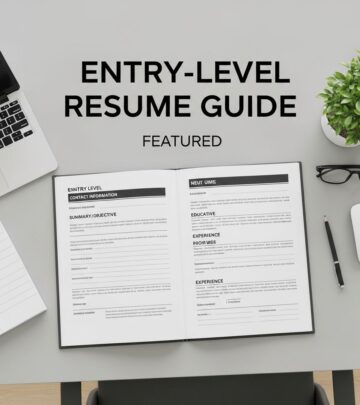
The basic structure of a resume, working from top to bottom, typically follows this organization:
- Contact Information: Your name, phone number, email address, city/state, and LinkedIn profile URL
- Objective Statement or Professional Summary: A brief overview of your career goals and key qualifications
- Education: Your degrees, institutions, graduation dates, and relevant coursework
- Professional Experience: Your work history, including job titles, employers, dates, and accomplishments
- Skills: Both technical and soft skills relevant to your target position
- Additional Sections: Certifications, awards, volunteer work, and other relevant information
Crafting Your Objective Statement
Underneath your contact information, include an objective statement that captures the essence of what you bring to an employer. This section should be brief—just one to two sentences—and clearly articulate your core offering. Ask yourself: if an employer only read this one section of my resume, what would I want them to know about me? Your objective statement should demonstrate your understanding of the role and explain why you’re an excellent fit for the position. This section helps differentiate you from other candidates and immediately communicates your professional focus.
Highlighting Your Education
Your education section is crucial, especially if you’re early in your career or a recent graduate. Include the names of colleges, universities, or other educational institutions you attended, the dates you attended, important coursework, degrees earned, and your GPA if it’s 3.5 or higher. You can also enhance this section by listing relevant coursework, major projects, scholarships, academic honors, or specialized training programs you completed. If you’re still pursuing a degree, clearly indicate your expected graduation date. For those with advanced degrees or extensive education, prioritize the most recent and relevant qualifications.
Detailing Your Professional Experience
Your professional experience section will likely be the longest part of your resume, especially as you gain more work history. This section should include all previous jobs, the names of companies where you worked, the cities where they’re located, the positions you held, the years of employment, and a detailed bulleted list of your responsibilities and projects. When listing your experience, start with the most recent position and work backward in reverse chronological order.
For each position, begin with your job title and the company name, followed by dates of employment in month and year format. For example: “Marketing Manager, ABC Corporation, January 2020 to Present.” Below each position, include three to five bullet points that describe your key accomplishments and responsibilities. Use strong action verbs such as “managed,” “developed,” “implemented,” “coordinated,” “analyzed,” or “created” to start each bullet point. Whenever possible, include numbers and quantifiable results to demonstrate your impact. Instead of writing “Responsible for employee management,” write “Managed a team of eight employees, including scheduling, performance reviews, and conflict resolution, resulting in a 15% increase in team productivity.”
Beyond Traditional Work Experience
If you’re early in your career or have limited paid work experience, don’t worry. Your resume can include more than just traditional employment. Consider including internships, part-time jobs, summer positions, volunteer work, and unpaid professional experience. These experiences demonstrate that you’ve been actively building your skills and professional network, even if you haven’t held full-time positions. When listing these experiences, treat them with the same professionalism as paid positions, using the same formatting and structure. This shows employers that you take all professional opportunities seriously, regardless of compensation.
Showcasing Your Skills and Competencies
After your experience section, include a skills section that highlights both your hard skills and soft skills. Hard skills are technical abilities specific to your industry or job function, such as proficiency in software programs, programming languages, or industry-specific tools. Soft skills include communication, leadership, problem-solving, teamwork, and other interpersonal abilities that apply across industries. List your skills in a format that’s easy to scan, and prioritize the skills that are most relevant to the positions you’re applying for. To identify the most important skills to include, carefully review the job descriptions for positions you’re interested in and match keywords from those descriptions to your own skill set.
Tailoring Your Resume for Specific Positions
One of the most effective strategies for resume writing is customizing your resume for each position you apply for. While you should maintain a comprehensive “master resume” that includes all your experience and accomplishments, you should create tailored versions for specific job applications. Review the job description carefully and identify the keywords, phrases, and qualifications that are emphasized. Then, adjust your resume to highlight the experiences, skills, and accomplishments that are most directly relevant to that particular position. Remove or minimize information that’s less relevant, and emphasize the sections that align with what the employer is seeking. This targeted approach significantly increases your chances of passing through applicant tracking systems and capturing the attention of hiring managers.
Tips for Writing a Standout Resume
To ensure your resume makes a strong impression, follow these professional best practices:
- Brainstorm and gather information: Before writing, compile all your professional history, jobs held, and experiences gained. Write descriptive summaries of your duties and accomplishments at each position.
- Use strong action verbs: Begin bullet points with dynamic verbs that convey accomplishment and responsibility. Vary your verb choices throughout the document.
- Include quantifiable results: Use numbers, percentages, and metrics to demonstrate your impact. Employers are more impressed by “increased sales by 25%” than by “improved sales.”
- Focus on accomplishments: Rather than simply listing duties, emphasize what you achieved in each role and how you contributed to your organization’s success.
- Use a readable format: Choose a standard font in a readable size (10-12 points), use adequate white space, and employ bullet points for easy scanning. Avoid excessive formatting or colors that might not display correctly in ATS systems.
- Proofread thoroughly: Check your resume multiple times for spelling, grammatical errors, and inconsistencies. Typos and errors can immediately disqualify you from consideration.
- Match job description keywords: Identify and incorporate relevant keywords from the job posting into your resume to improve your chances of being selected by automated screening systems.
Additional Resume Sections to Consider
Depending on your background and the positions you’re applying for, you may want to include additional sections on your resume beyond the standard format. Consider adding sections for:
- Certifications and Licenses: Professional certifications, industry licenses, or specialized training that demonstrates your expertise
- Awards and Recognition: Professional awards, employee of the month honors, or other formal recognition of your achievements
- Publications and Projects: Articles written, research conducted, or significant projects completed, particularly relevant for academic or professional fields
- Languages: Languages you speak fluently, which can be a valuable asset in many industries
- Volunteer Work: Community service and volunteer positions that demonstrate your commitment and skills outside the workplace
- Professional Development: Workshops, seminars, courses, or training programs you’ve completed to enhance your skills
Formatting and Design Considerations
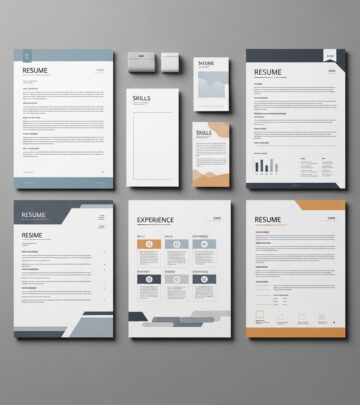
The visual presentation of your resume is just as important as the content. Use a clean, professional design that prioritizes readability. Stick with standard fonts like Arial, Calibri, or Times New Roman in 10 to 12-point size. Use bold and italics sparingly to emphasize important information such as job titles and company names. Organize your content with clear section headings and adequate white space between sections. This makes your resume easier to scan and helps hiring managers quickly find the information they’re looking for. Avoid using graphics, images, or creative designs that might not display correctly when your resume is scanned by ATS software or printed out.
Creating a Master Resume and Tailored Versions
The most efficient approach to resume writing is creating a comprehensive master resume that contains all your experience, education, skills, and accomplishments. This master document serves as your complete professional record and can be quite lengthy—often four or more pages. From this master resume, you can then create tailored one-page or two-page versions for specific job applications. Simply review each job posting, identify the most relevant qualifications and experiences, and delete or minimize sections that aren’t as relevant to that particular position. Update your master resume at least once a year to keep it current with your latest experiences, accomplishments, and skills. This system saves time and ensures consistency across all your application materials.
Common Resume Mistakes to Avoid
When writing your resume, be mindful of common pitfalls that can undermine your application. Avoid using personal pronouns like “I” and “me,” keeping your language professional and objective. Don’t include irrelevant information such as your high school graduation date, personal hobbies, or references on the resume itself. Ensure all dates, job titles, and company names are accurate and consistent. Avoid using unprofessional email addresses or outdated contact information. Don’t oversell or misrepresent your experience—stick to what you can honestly claim and substantiate. Finally, don’t ignore the job description; instead, use it as a guide to tailor your resume to what the employer is specifically looking for.
Frequently Asked Questions About Resume Writing
Q: How long should my resume be?
A: Most resumes should be one to two pages in length. Early-career professionals and recent graduates typically use one page, while those with extensive experience may use two pages. Avoid exceeding two pages unless you have significant industry-specific accomplishments or academic credentials.
Q: Should I include references on my resume?
A: No, you should not include references on your resume itself. Instead, prepare a separate references sheet that you can provide when requested by an employer. This saves valuable resume space for more important information.
Q: What if I don’t have much work experience?
A: Focus on your education, relevant coursework, internships, volunteer work, and transferable skills. Emphasize your academic achievements, leadership roles in clubs or organizations, and any projects you’ve completed that demonstrate your capabilities.
Q: How often should I update my resume?
A: Update your master resume at least once a year or whenever you gain new significant experience, education, certifications, or skills. This ensures you always have current information ready when a job opportunity arises.
Q: Should I use the same resume for every job application?
A: No, you should tailor your resume for each position. Use the job description to identify key qualifications and adjust your resume to highlight the experiences and skills most relevant to that specific role.
Q: What action verbs should I use in my resume?
A: Use strong, dynamic action verbs such as: managed, developed, implemented, created, coordinated, analyzed, designed, improved, increased, established, led, organized, resolved, and executed. Vary your verb choices throughout the document to maintain reader interest.
References
- Resume Writing 101: Tips for Creating a Resume — Indeed Career Advice. 2024. https://www.indeed.com/career-advice/resumes-cover-letters/resume-writing-101
- How to Write a Resume — Life Work Balance. 2024. https://www.youtube.com/watch?v=FxeXIt1BpZo
- Resume Writing Guide — Wayne State University Library, VAC Program. 2024. https://guides.lib.wayne.edu/vac/resume
- The Balance: Career Development Resources — The Balance. 2024. https://www.thebalancemoney.com
Similar Articles








Read full bio of Sneha Tete