How To Write A Check: 6-Step Guide For Secure Payments
Master the fundamentals of check writing with our comprehensive step-by-step instructions.
In an increasingly digital world, paper checks remain a fundamental banking tool for many individuals and businesses. Whether you’re paying bills, compensating service providers, or transferring funds to family members, understanding how to properly complete a check is an essential financial skill. A check serves as an official document that instructs your financial institution to transfer funds from your account to a designated recipient. Completing this document correctly prevents processing delays, protects against fraud, and ensures your payment reaches its intended destination without complications.
Understanding Check Anatomy: Identifying Key Components
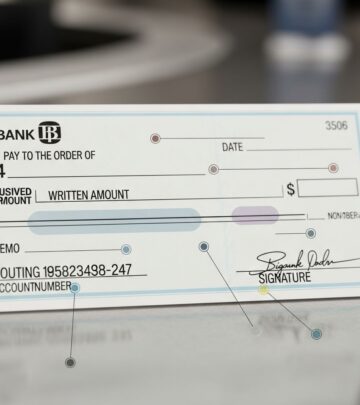
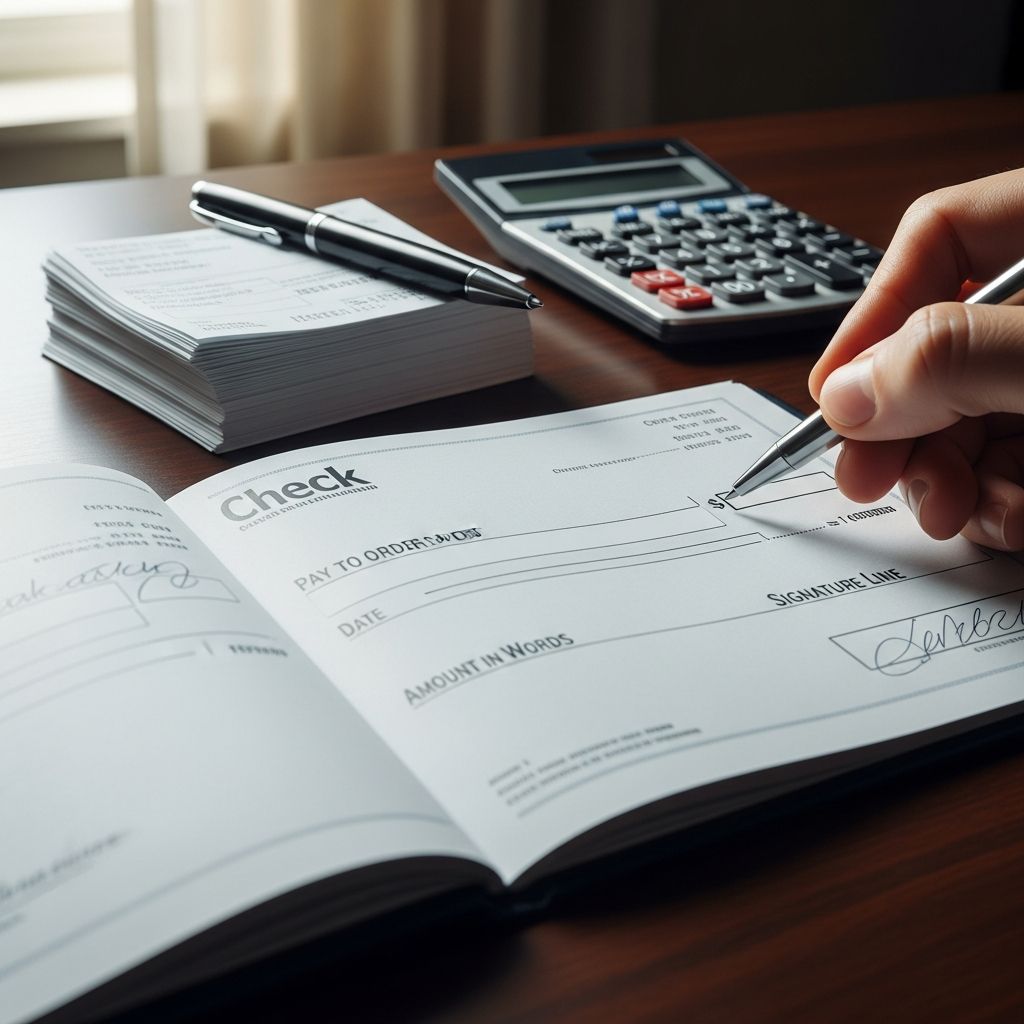
Before learning to fill out a check, familiarize yourself with its physical layout and the purpose of each section. Every check contains specific areas designated for critical information that enables proper processing and verification.
Pre-Printed Information on Your Check
Your personal checks arrive with several pieces of information already printed by your bank. The upper left corner displays your name and mailing address, providing identification as the account holder issuing the payment. The upper right corner contains your unique check number, which helps you track individual transactions and identify specific payments in your account records. At the bottom of the check, running left to right, you’ll find two sets of numbers: your bank’s routing number on the left and your account number in the center. These numerical codes enable electronic processing of your check and ensure funds are deducted from the correct account.
Fields You Must Complete
The check contains several blank spaces where you must provide information before presenting it to a recipient or depositing institution. These fields work together to communicate the payment details clearly and prevent misunderstandings or fraud. Understanding each field’s purpose helps you complete the check accurately and efficiently.
The Six-Step Process for Writing a Check
Completing a check requires systematic attention to detail. Following a consistent sequence helps ensure you don’t accidentally skip critical information. Start with a completely blank check with no marks, smudges, or stray writing that might cause processing issues.
Step One: Establish the Transaction Date
Begin by writing the date in the small box located in the upper right corner of the check. You have flexibility in how you format this information—you may use numerical format such as “02/06/2026” or spelled-out format such as “February 6, 2026.” Both formats are equally acceptable to financial institutions. The date serves an important function: it tells the recipient and your bank when you authorized the payment.
You may write the current date if you want the check to clear immediately, or you may postdate the check by writing a future date. Postdating limits when the recipient can deposit or cash the check, though some banks may not accept postdated checks for deposit until the specified date arrives. This practice is less common in modern banking but remains available for situations where you want to time the payment strategically.
Step Two: Identify the Payment Recipient
On the line marked “Pay to the order of,” write the complete name of the individual or organization receiving the payment. This field is critical for payment accuracy and security. Write the payee’s name clearly and legibly—if you have difficulty with penmanship, printing in block letters ensures your writing remains readable. Never use abbreviations or nicknames; spell out the complete name as the recipient will recognize it. Verify correct spelling before finalizing the check, as misspelled names may delay processing or cause payment complications.
Step Three: Enter the Numerical Payment Amount
In the small box to the right of the payee line, write the payment amount using numbers only. Do not include a dollar sign in this field. Always include exactly two decimal places, even for round dollar amounts. For example, write “50.00” rather than “50” to prevent fraudsters from altering the amount. This standardized format helps banks process checks quickly and accurately. Double-check this amount before moving to the next field, as numerical errors frequently cause payment problems.
Step Four: Write the Amount in Word Form
Below the payee name, you’ll find a longer line where you must write out the payment amount using words rather than numerals. This field serves as a verification mechanism. If the numbers in the amount box are unclear or have been tampered with, the bank will reference this written amount to determine the correct payment total.
Write the amount starting at the far left side of the line. For a check amount of $150.50, you would write “One hundred fifty and 50/100.” For a check amount of $50.00, write either “Fifty dollars and 00/100” or simply “Fifty dollars.” The cents portion should appear as a fraction with 100 as the denominator, which represents the fraction of a dollar. After writing the amount, draw a horizontal line from the end of your words to the edge of the line. This line filling prevents fraudsters from adding additional words or numbers to increase the check amount.
Step Five: Complete the Authorization Signature
The signature line appears in the bottom right corner of the check. This is where you sign your name using the same signature that appears on your bank account paperwork. Your signature is a critical security feature—it authorizes the payment and indicates your approval for the specified amount to be transferred from your account. The check cannot be processed without a valid signature, so this step is absolutely essential. Never sign a check before completing all other fields, as doing so creates a security vulnerability. A pre-signed blank check can be filled out by anyone and cashed without your knowledge or consent.
Step Six: Include a Memo for Payment Tracking (Optional)
In the bottom left corner, you’ll find a line labeled “Memo.” While this step is optional, completing it provides valuable benefits. The memo field helps you remember the check’s purpose and provides a reference point when reconciling your account against bank statements. For example, if paying a utility bill, you might write “June Electric Bill” or include an account number that the recipient requires. Some businesses specifically request that payers include their account number or invoice reference in the memo section to facilitate proper routing of the payment to the correct department or account.
Critical Security Considerations and Best Practices
Writing checks safely requires attention to security details that protect your account from fraud and unauthorized use.
Writing Instrument Selection
Always complete checks using blue or black pen—never use pencil or erasable ink. Pencil marks can be easily removed and altered, making your check vulnerable to fraudulent modification. Once a check is completed in permanent ink, alterations become visibly apparent, serving as a deterrent to would-be fraudsters. The permanence of ballpoint pen creates a permanent record that protects your financial security.
Handwriting Legibility
Banks frequently reject checks with illegible writing because they cannot verify the payment information with certainty. If your natural handwriting is difficult to read, print in capital letters to ensure clarity. This investment in legibility prevents processing delays and ensures your payment reaches the intended destination promptly. Unclear writing ranks among the primary reasons financial institutions return checks to senders.
Amount Verification
The numerical amount and written amount must match exactly. If these amounts differ, banks typically honor the written amount, which may not reflect your actual intent. Before signing, verify that both representations of the payment amount are identical and correct. This double-check protects against both honest mistakes and intentional fraud.
Never Pre-Sign Blank Checks
Signing a check before completing payee and amount information creates a serious security risk. Anyone with access to the signed blank check could complete it fraudulently and cash it without your authorization or knowledge. Always fill in all payment details before applying your signature.
Record-Keeping and Account Management
Writing checks represents only the first part of the financial responsibility. Proper documentation and tracking ensure you maintain accurate records of all payments and can identify errors or unauthorized transactions.
Check Register Documentation
Your checkbook includes a register—a table for recording details about every check you write. For each check, record the check number, date, payee name, and amount paid. Many people also maintain digital records through budgeting applications or spreadsheets. Taking a photograph or photocopy of each check before sending it provides additional documentation of the transaction. These records become invaluable when reconciling your account and verifying that payments were processed correctly.
Monthly Statement Reconciliation
When your bank statement arrives—either in paper form or accessible through online banking—compare it carefully against your check register. Mark off each transaction that appears on both your register and the official statement. This reconciliation process helps identify processing errors, unauthorized transactions, or checks that haven’t yet cleared. Discrepancies should be investigated promptly and reported to your bank if unauthorized activity is suspected.
Common Mistakes to Avoid
| Mistake | Consequence | Prevention Strategy |
|---|---|---|
| Mismatched amounts (numbers vs. words) | Bank honors written amount; may not reflect your intent | Verify both amounts match before signing |
| Illegible handwriting | Check rejection and processing delays | Print clearly in block letters if needed |
| Missing or incorrect payee name | Payment cannot reach intended recipient | Spell complete name correctly; verify before signing |
| Signing without completing details | Check can be fraudulently filled out by others | Always complete all fields before signing |
| Using pencil or erasable ink | Check vulnerable to fraud and alteration | Always use blue or black ballpoint pen |
| Forgetting to record check in register | Account balance tracking becomes inaccurate | Document immediately after writing check |
Frequently Asked Questions About Check Writing
Can I write a check to myself?
Yes, you can write a check payable to yourself. This might occur when you need to transfer funds between accounts or withdraw cash. Complete the payee line with your full name, then sign and deposit or cash the check at your financial institution.
What if I make a mistake while writing a check?
If you make an error, do not attempt to correct it by crossing out or erasing. Instead, write “VOID” across the face of the check and file it safely. Begin again with a fresh check from your checkbook.
Can I postdate a check indefinitely?
While you can postdate a check, most banks will not honor a check if the date is more than six months in the past. Check with your specific financial institution regarding their policies on older checks.
Should I be concerned about security with paper checks?
While paper checks remain generally secure when completed properly, they are slower than electronic payments and involve physical handling. For large amounts or time-sensitive payments, electronic transfers may offer better security and faster processing.
What constitutes proper check storage?
Store unused checks in a secure location protected from unauthorized access, similar to how you’d protect other financial documents. Keep your checkbook separate from identification documents that criminals could use to impersonate you.
Modern Context: Checks in Today’s Financial Landscape
Although digital payment methods have become increasingly prevalent, paper checks remain relevant in specific situations. Many landlords, contractors, and service providers still accept or prefer payment by check. Certain business transactions, legal settlements, and government payments continue to rely on check payments. Understanding check writing ensures you can complete financial transactions confidently regardless of the payment method required.
The fundamental process of writing checks has remained largely unchanged for decades, reflecting the effectiveness of this payment method. By mastering the proper techniques outlined in this guide, you ensure your checks process smoothly, protect your account security, and maintain clear financial records for future reference.
References
- How To Write A Check: A Step-By-Step Guide — Bankrate. 2024. https://www.bankrate.com/banking/checking/how-to-write-a-check/
- How To Write a Check in 6 Simple Steps — PNC Insights. 2024. https://www.pnc.com/insights/personal-finance/spend/how-to-write-a-check-in-6-simple-steps.html
- How to Write a Check: A Guide — Chase Bank. 2024. https://www.chase.com/personal/banking/education/basics/how-to-write-a-check
- How to write a check: A step-by-step guide — Citizens Bank. 2024. https://www.citizensbank.com/learning/how-to-write-check.aspx
- How to Write a Check: Fill Out A Check — Huntington Bank. 2024. https://www.huntington.com/learn/checking-basics/how-to-write-a-check
Similar Articles








Read full bio of medha deb