How To Cash A Check: Complete Step-By-Step Guide
Learn multiple methods to cash checks securely and efficiently
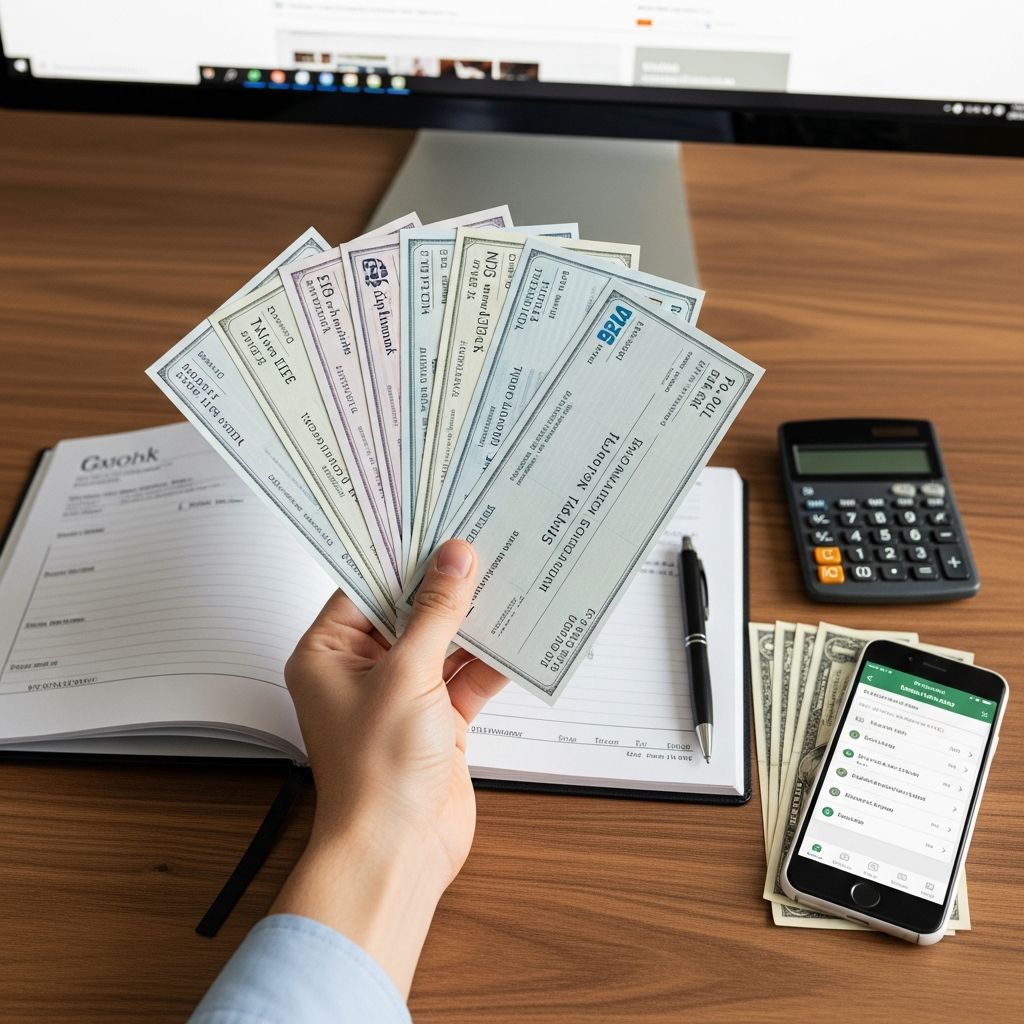
Cashing a check remains one of the most common financial transactions people perform, yet many individuals are uncertain about the best approach or available options. Whether you receive a check from an employer, customer, or friend, understanding how to properly cash it can save you time, money, and potential frustration. This comprehensive guide explores multiple methods for cashing checks, provides step-by-step instructions for each approach, and offers practical advice for selecting the most appropriate option for your circumstances.
Understanding Check Basics Before You Cash
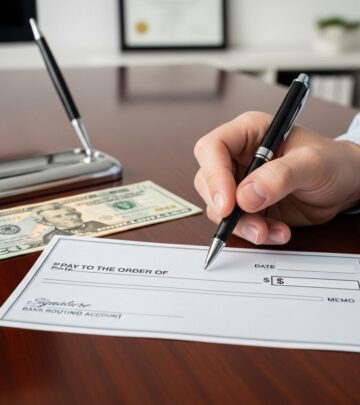
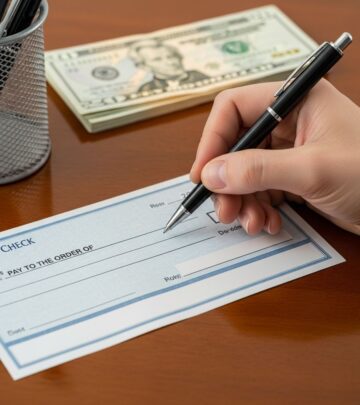
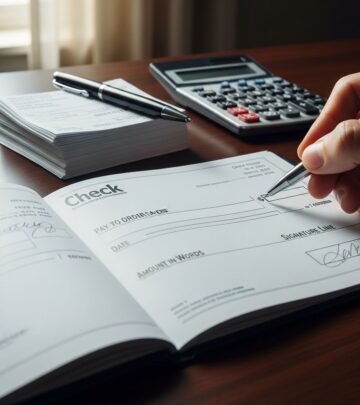
Before attempting to cash any check, it is essential to verify that the check itself is legitimate and properly completed. Take a moment to examine the document carefully to ensure all required information is present and accurate. The check should display the current date or a recent date, your name spelled correctly as the payee, a specific dollar amount written in both numeric and word form, and the signature of the person or organization issuing the check.
The numeric amount and written amount should match exactly, as banks will honor the amount written in words if a discrepancy exists. Additionally, verify that the check is not post-dated, which would mean it cannot be cashed until the specified future date. If you notice any alterations, corrections in pen, or unclear information, contact the check writer before attempting to deposit it, as banks may refuse to process suspicious-looking checks.
Traditional Bank Branch Deposits
Visiting your bank branch remains one of the most straightforward and secure methods for cashing a check. If you have an account at the issuing bank or maintain an account with your own financial institution, this option typically provides the fastest processing and lowest fees. To complete a branch deposit, follow this structured approach:
Step-by-Step Process at Your Bank
- Prepare Your Documentation: Gather your check and a valid form of identification such as a driver’s license, passport, or state-issued ID card. Many banks also require your debit card or account information.
- Endorse the Check: Turn the check over and locate the endorsement line on the back. Sign your name on this line using pen, never pencil. Some banks request additional security measures, such as writing “For deposit only” followed by your account number below your signature. Check your bank’s specific requirements before signing.
- Complete Any Required Forms: Depending on your bank’s procedures, you may need to fill out a deposit slip. This form typically requires your name, account number, the date, and the check amount. Verify all information for accuracy before submitting.
- Approach the Teller: Present your endorsed check, deposit slip if required, identification, and debit card to an available teller. Inform them whether you want the funds deposited to your account or if you prefer cash.
- Receive Confirmation: The teller will process your deposit and provide a receipt showing the deposit amount and account details. Review this receipt carefully before leaving to ensure accuracy, and retain it for your records.
Automated Teller Machine Deposits
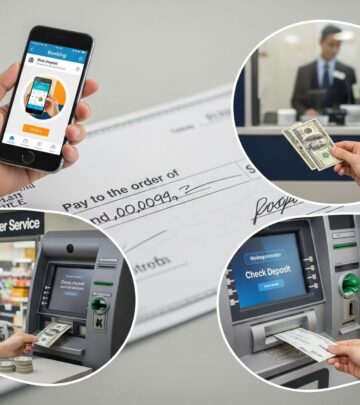
Modern ATMs offer convenient check deposit capabilities without requiring interaction with a bank teller. This method works well for individuals who prefer to deposit checks outside regular business hours or want to avoid waiting in line. Most ATMs connected to your bank support check deposits, and the process is relatively straightforward.
Using ATMs for Check Deposits
To deposit a check at an ATM, first locate an ATM machine that belongs to your bank and supports check deposits. Insert your debit card and enter your personal identification number. Select the deposit option from the main menu, then choose “check deposit” from the available options. The machine will display on-screen instructions guiding you through the remaining steps. When prompted, endorse your check on the back if you haven’t already done so. Insert the check into the designated slot, ensuring it is oriented correctly. The ATM will scan the check and display the amount detected. Verify that this amount matches the actual check value before confirming the transaction. The machine will provide a receipt with an image of your deposited check for your records. Processing times for ATM deposits may vary, so check your bank’s policy regarding fund availability.
Mobile Check Deposit Technology
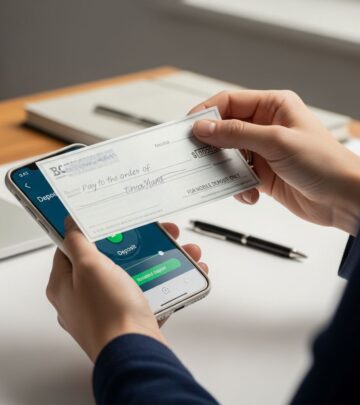
Smartphone technology has revolutionized check cashing by enabling remote deposits directly through your bank’s mobile application. This method offers exceptional convenience, allowing you to deposit checks from home, work, or virtually anywhere with internet connectivity. Nearly all major banks now offer mobile deposit capabilities as part of their digital banking services.
Mobile Deposit Process
- Examine your check carefully and endorse the back with your signature. Below your signature, write “For mobile deposit only” to enhance security and prevent unauthorized use of the check image.
- Open your bank’s mobile application on your smartphone or tablet.
- Navigate to the deposit feature, typically labeled as “Deposit a Check” or “Mobile Deposit.”
- Follow the application’s prompts to photograph both the front and back of the check using your device’s camera.
- Review the images to ensure they are clear and readable. The application will typically extract the check amount automatically.
- Confirm the deposit details and submit your deposit request.
- Retain the physical check until the deposit has posted to your account, typically within one to three business days.
Cashing Checks Without a Bank Account
Individuals without a traditional bank account have several viable options for converting checks into usable funds. These alternatives provide access to check cashing services, though they may involve higher fees compared to banking at an established institution.
Alternative Check Cashing Methods
| Method | Description | Typical Fees | Processing Time |
|---|---|---|---|
| Issuing Bank | Visit the bank that issued the check and cash it directly | Often free for non-customers | Immediate |
| Retail Check Cashing | Use services at major retailers like Walmart or grocery stores | 1-3% of check value | Immediate |
| Dedicated Check Cashing Stores | Specialized businesses focused on check cashing services | 2-5% of check value | Immediate |
| Prepaid Debit Cards | Load check funds onto a prepaid card via services like PayPal or Venmo | Variable by provider | 1-2 business days |
| Online Check Cashing | Digital platforms such as Ingo Money that process checks remotely | 1-2% plus potential flat fee | 1-2 business days |
Visiting the Issuing Bank
If you lack a personal bank account, consider visiting the financial institution that issued the check. Banks are often willing to cash checks drawn on their accounts for non-customers, though they may request identification. This approach typically involves minimal or no fees and provides immediate access to your funds. Simply present the endorsed check and a valid ID to a teller and request to cash the check. The teller will verify the check details and provide you with cash once the transaction is complete.
Retail Check Cashing Services
Major retailers including Walmart, grocery store chains, and discount retailers offer convenient check cashing services during their regular operating hours. These services provide immediate access to funds without requiring a bank account. Present your endorsed check and a government-issued ID to the customer service desk. The retailer will process the check and provide you with cash. Fees for this service typically range from one to three percent of the check value, so a one hundred dollar check might cost one to three dollars in fees. While more expensive than cashing at your own bank, retail options offer accessibility and speed that many people value.
Dedicated Check Cashing Facilities
Specialized check cashing stores operate in many communities and focus exclusively on converting checks to cash. These businesses can cash various types of checks, including personal checks, payroll checks, tax refunds, and government benefits checks. However, they typically charge higher fees than retail or bank options, often ranging from two to five percent of the check amount. If you have limited other options or need same-day cash from a check received late in the business day, these services can be valuable despite their higher costs.
Digital Payment Platforms
Modern payment applications such as PayPal, Venmo, and Cash App have introduced check cashing capabilities through their platforms. These services allow you to photograph a check using your smartphone and deposit it to your account with the application, which then deposits the funds into your linked bank account. Processing typically takes one to two business days. Fees vary by platform but are generally reasonable compared to traditional check cashing stores. This method combines convenience with relatively low costs and is increasingly popular among younger users and those already utilizing digital payment platforms for other financial transactions.
Specialized Online Check Cashing Services
Companies like Ingo Money specialize in processing checks submitted electronically. After creating an account and verifying your identity, you can photograph your check and submit it through the platform. The company deposits funds directly into your designated bank account, typically within one to two business days. Fees are usually modest, ranging from one to two percent of the check value, making this a cost-effective option for those without convenient access to traditional banking services.
Security Considerations When Cashing Checks
Protecting yourself and your financial information is paramount when cashing checks. Only sign the back of a check immediately before presenting it for deposit or cashing, never in advance. If a check is lost or stolen after you have signed it, the risk of unauthorized cashing increases substantially. When endorsing, use only a black or blue pen, as banks may reject endorsements made in pencil. Never write anything below the signature line on the endorsement area, as extraneous marks may render the check invalid or raise security concerns.
For mobile deposits, ensure that you photograph only the necessary portions of the check and delete these images after confirmation of deposit. If using a third-party service, verify that the company maintains strong security standards and protects your personal information appropriately. Be cautious about sharing check information with unfamiliar services and stick with established providers with proven track records.
Verifying Check Legitimacy
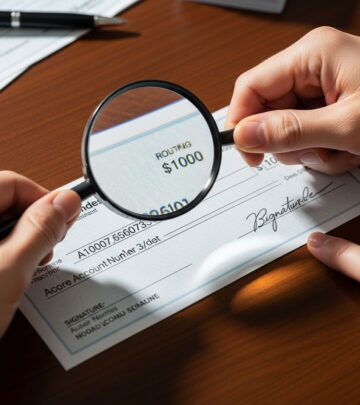
Before cashing any check, particularly those from unfamiliar sources, take steps to verify its authenticity. Contact the issuing bank using the phone number on the back of the check to confirm that funds are available on the associated account. Never use contact information provided by the check writer, as this could connect you to a fraudulent party. If you have significant concerns about a check’s legitimacy, visit the issuing bank in person and request verification from a bank officer. Legitimate checks have specific security features including watermarks, security threads, and color-shifting inks that are difficult to replicate.
Understanding Processing Times and Fund Availability
Funds from deposited checks are not always immediately available, even when you cash them in person. Banks typically place holds on check deposits, particularly for larger amounts or checks from unfamiliar institutions. The hold period may range from one to five business days, depending on your bank’s policies, the check amount, and whether the check is from another bank or from the same institution. Understand your bank’s specific hold policies before relying on deposited check funds. Some banks offer next-day or same-day availability for smaller check amounts or checks from established customers, but this varies significantly among institutions.
Comparing Fees Across Options
One of the most significant considerations when choosing how to cash a check is the associated cost. Banking at your own institution typically offers the lowest fees, often at no cost for checking account customers. The issuing bank may also cash checks for non-customers with minimal or no fees. Retail check cashing services and online platforms typically charge one to three percent of the check value. Dedicated check cashing stores charge the highest fees, often ranging from two to five percent. For a two hundred dollar check, the fee difference between cashing at your bank and at a check cashing store could be five to ten dollars. Over time and across multiple checks, these savings accumulate substantially, making bank deposits the most economical choice when possible.
Frequently Asked Questions About Check Cashing
Can I cash a check that is written to someone else?
Generally, you cannot cash a check made out to another person without their explicit permission and involvement. The person named on the check must endorse it, and you may also need to sign it. Some banks allow third-party check deposits, though this practice is declining due to fraud concerns. Check your bank’s specific policy.
What should I do if I lose a check?
Contact the check writer immediately and request a replacement. Most check writers can issue a new check or place a stop payment on the original to prevent unauthorized cashing. Keep documentation of your request for your records.
How long should I keep the physical check after depositing it?
Retain the physical check until the deposit has fully processed and posted to your account, typically one to three business days. Once confirmed, you may destroy the check or store it with financial records.
Are there limits on check deposit amounts?
Some banks and retail services impose limits on check amounts, particularly for first-time users or through mobile deposit. Large checks may require in-person verification. Contact your bank about any limits that may apply to your account.
Conclusion
Multiple viable methods now exist for cashing checks, providing flexibility to suit various situations and preferences. For most people with established banking relationships, depositing through a bank branch, ATM, or mobile app represents the optimal choice, offering low or no fees and reliable processing. Those without traditional bank accounts can access funds through retail services, online platforms, or dedicated check cashing providers, though these typically involve higher fees. By understanding the available options, comparing costs, and prioritizing security throughout the process, you can efficiently convert checks into usable funds while minimizing expenses and protecting yourself from fraud.
References
- How to Deposit a Check — Citi.com. 2026. https://www.citi.com/banking/personal-banking-guide/basic-finance/how-to-deposit-a-check
- How to Deposit or Cash a Check at the Bank — PSBT (Pinnacle State Bank & Trust). 2026. https://www.psbt.com/Learn/Resources/PSBT-Corner-News/how-to-deposit-or-cash-a-check-at-the-bank
- How to Cash a Check Without a Bank Account — PNC Insights. 2026. https://www.pnc.com/insights/personal-finance/spend/how-to-cash-check-without-bank-account.html
- How to Cash a Check (And Save on Fees) — NerdWallet. 2026. https://www.nerdwallet.com/banking/learn/cash-check-paying-high-fees
- How to Cash a Check in 4 Simple Steps — Wise. 2026. https://wise.com/us/blog/how-to-cash-a-check
- Complete Guide on How to Deposit and Cash a Check — WaFd Bank. 2026. https://www.wafdbank.com/articles/consumer-tips/how-to-deposit-and-cash-check
Similar Articles








Read full bio of Sneha Tete