Replacing A Flat Tire: 6 Safe, Step-By-Step Instructions
Master the essential skill of changing a flat tire safely and efficiently
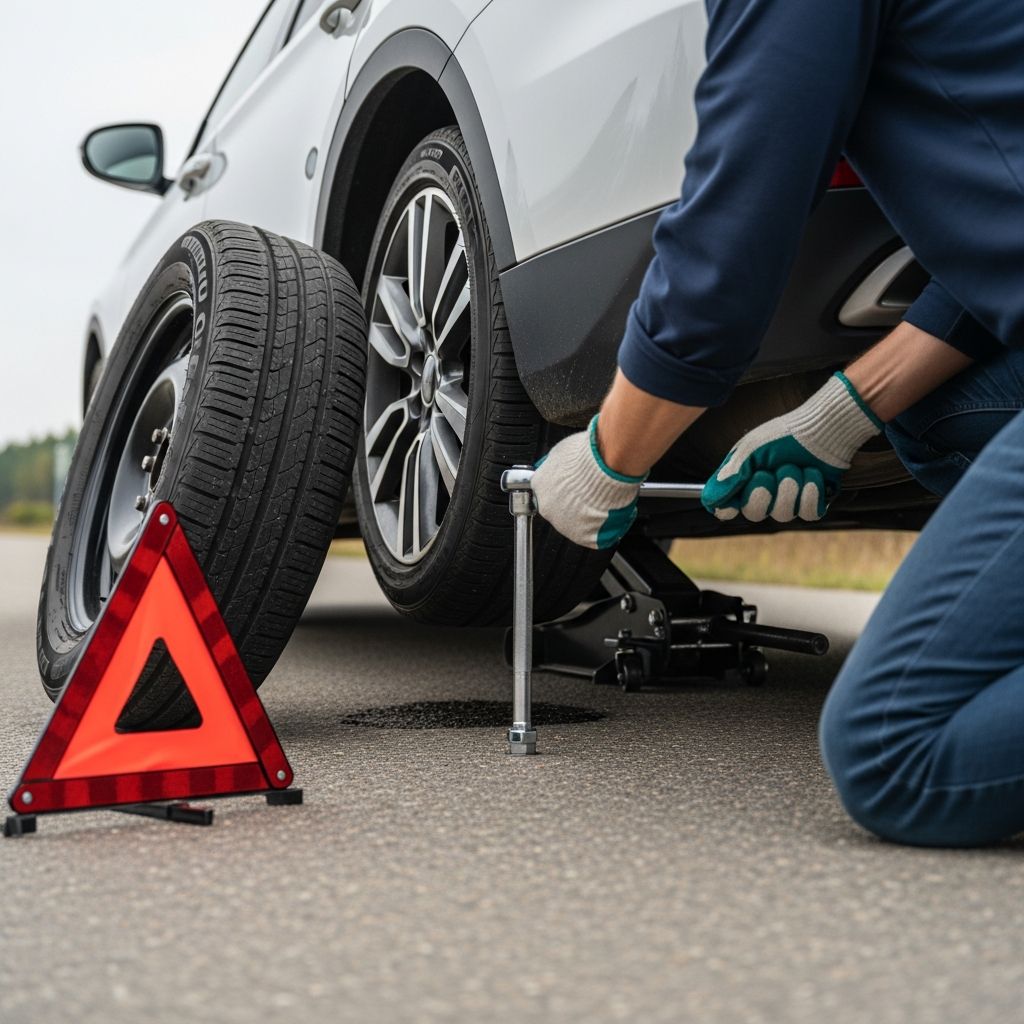
Understanding the Importance of Tire Maintenance Skills
A flat tire can occur unexpectedly, leaving drivers stranded on the roadside or in uncomfortable situations. Developing the ability to replace a tire independently provides a sense of self-reliance and can prevent extended wait times for roadside assistance. Whether you’re driving through remote areas or navigating busy urban streets, understanding the fundamentals of tire replacement represents a critical component of vehicle ownership and personal safety.
The process of changing a tire involves several interconnected steps that must be performed in a specific sequence. By following established procedures and maintaining focus on safety protocols, drivers of all skill levels can successfully complete this maintenance task. This comprehensive guide walks through each phase of the tire replacement process, from initial preparation through final verification.
Pre-Change Preparation and Safety Assessment
Identifying a Safe Location for Tire Work
When you notice a flat tire, your first priority should be locating an appropriate spot to perform the replacement. The ideal location possesses several key characteristics that reduce risk to you and other motorists. Look for a flat, stable surface such as a paved parking lot, wide shoulder, or service station. Avoid grassy areas, dirt patches, or soft ground where your jack might sink and compromise vehicle stability.
Distance from traffic proves equally important. If you’re on a highway, continue driving at a reduced speed to the next exit ramp or rest area rather than stopping immediately on the roadway. Never attempt tire replacement on hills, curves, or in locations where approaching vehicles cannot see you in advance. Position your vehicle as far from active traffic as possible to create a buffer zone between you and moving cars.
Activating Safety Features and Securing the Vehicle
Once you’ve stopped in a safe location, activate your vehicle’s hazard warning lights immediately. These flashing lights alert other drivers to your presence and the presence of a disabled vehicle. If your vehicle has an automatic transmission, shift into Park; manual transmission drivers should engage Reverse gear to provide additional resistance against accidental rolling.
Before raising the vehicle with a jack, engage your parking brake firmly. Some drivers also benefit from placing wheel wedges or chocks in front of and behind the tires that will remain in contact with the ground during the lifting process. These wedges create a mechanical barrier that prevents the vehicle from rolling unexpectedly.
Essential Tools and Materials Required
Before beginning any work on your tire, verify that you have all necessary equipment readily available. Most vehicles come equipped with a basic tool kit stored in the trunk or under a rear seat. Review your vehicle’s owner’s manual to identify the location of these items in your specific model.
The following items are essential for safe tire replacement:
- Lug wrench – A metal tool with a socket on one end used to loosen and tighten lug nuts
- Jack – A mechanical device that lifts your vehicle off the ground
- Spare tire – A replacement wheel and tire that will replace the damaged one
- Hubcap removal tool – If your vehicle has hubcaps that must be removed to access lug nuts
- Wheel wedges – Optional but recommended for preventing vehicle movement
- Work gloves – To protect your hands from dirt and sharp edges
- Flashlight – Useful if you must change a tire after dark
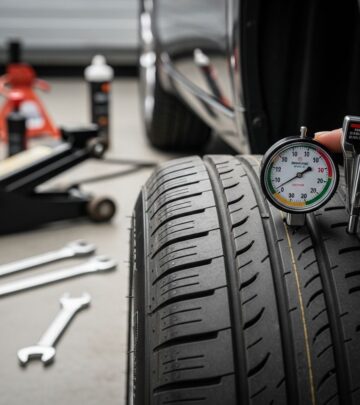
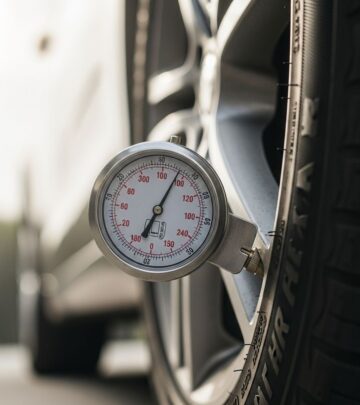
Before beginning work, inspect your spare tire to ensure it contains adequate air pressure. A flat or underinflated spare tire would create an additional problem rather than solving your immediate situation. If the spare appears low on air, you may need to visit a service station or call for professional assistance.
Sequential Steps for Tire Replacement
Step One: Initial Lug Nut Loosening
Begin by removing any hubcap covering the wheel, if your vehicle is equipped with one. Once the hub area is exposed, you can access the lug nuts that hold the wheel in place. This initial step should be completed while your vehicle remains firmly on the ground, as the weight of the car provides leverage that makes loosening tightly fastened nuts significantly easier.
Using your lug wrench, rotate counterclockwise on the first lug nut to break its seal and loosen it slightly. Don’t fully remove the nut at this stage – simply rotate it until it turns freely by hand. To efficiently loosen multiple nuts, follow a star or cross pattern: loosen the first nut, then move to the nut directly across from it, then to the next nut at an angle, and so forth. This alternating pattern helps maintain even pressure distribution.
If lug nuts resist your efforts, you may need to apply additional downward pressure using your body weight. Some drivers find it helpful to place one foot on the wrench arm while pulling upward with their hands. Take breaks if this requires significant effort, and avoid injuring yourself through overexertion.
Step Two: Positioning and Using the Jack
After loosening all lug nuts sufficiently that they can be removed by hand, you’re ready to raise the vehicle. Locate the jacking point – the reinforced area of your vehicle’s frame where the jack should be positioned. This location is typically indicated in your owner’s manual and is usually positioned directly beneath the vehicle near the flat tire.
Never place your jack against plastic trim, bumper components, or non-structural areas of your vehicle. The jack must contact the metal frame where it’s designed to handle the full weight of your car. Position the jack base firmly on level ground, then gradually raise the vehicle by turning the jack handle clockwise. Lift until the flat tire clears the ground by approximately six inches – sufficient height to remove the tire and install the spare, but not so high that the vehicle becomes unstable.
Step Three: Complete Lug Nut Removal and Wheel Detachment
Now that your vehicle is elevated, you can completely remove the loosened lug nuts. Turn each nut counterclockwise by hand until it separates from the lug bolt. Store all nuts in a specific location where they won’t roll away or get lost – losing even one nut could create a safety hazard when you reinstall the wheel. Some people place lug nuts in a small container or secure them in a pocket.
With all lug nuts removed, you can now detach the flat tire. Grasp the wheel firmly with both hands, positioning your grip on the tire tread rather than any exposed metal cords, which could cause injury. Pull the tire straight toward your body with steady pressure. The wheel should separate from the hub relatively easily once all fasteners are removed.
After removing the flat tire, some mechanics recommend placing it flat on the ground directly beneath the vehicle near the jack location. If the jack should fail or slip, the tire provides a safety barrier that prevents the vehicle from falling directly onto you. This seemingly small precaution has prevented serious injuries.
Step Four: Installing the Spare Tire
Pick up your spare tire and position it in front of the wheel well opening, aligning the center hole with the lug bolt studs protruding from the hub. Once aligned, push the tire inward onto the studs. The rim should slide onto the bolts relatively smoothly if properly aligned. You should see the lug bolt tips extending through the rim holes where the lug nuts will be reinstalled.
Begin installing the lug nuts by hand, threading them clockwise onto each bolt. Hand-tighten them firmly, but do not use the lug wrench at this stage. The goal is to ensure each nut is threaded correctly and holds the tire in place before the vehicle’s weight bears down. Properly threading all nuts by hand prevents cross-threading, which occurs when a nut is installed at an angle and becomes permanently damaged.
Step Five: Lowering the Vehicle and Final Tightening
Once all lug nuts are hand-tightened and the spare tire sits firmly against the hub, gradually lower your vehicle using the jack. Rotate the jack handle counterclockwise to slowly descend the vehicle until the tire makes full contact with the ground and the vehicle’s weight settles onto it. Lower the jack only enough to release pressure – you’ll complete final lowering after tightening the lug nuts with the wrench.
Using your lug wrench, tighten each nut in the same star or cross pattern used during loosening. This alternating sequence ensures even pressure distribution and helps prevent warping of the wheel and brake components. Tighten the nuts firmly but avoid excessive force, which could strip threads or cause the wheel to become stuck for future maintenance. Give each nut a quarter to half turn, then move to the next nut in the pattern, repeating until all nuts are snug.
Step Six: Final Vehicle Descent and Verification
Completely lower your vehicle to the ground and remove the jack, storing it securely in your trunk or storage area. With the full weight of the vehicle now bearing on the spare tire and all four wheels in contact with the ground, perform a final tightening pass on all lug nuts using your lug wrench. This ensures maximum security and compensates for any settling that occurred during the initial descent.
If your vehicle has hubcaps, reinstall them now by pressing them firmly onto the wheel until they seat properly. Gather all tools and the flat tire, storing them securely in your vehicle. The flat tire should be taken to a tire service center or repair shop to determine whether it can be repaired or requires replacement.
Important Considerations and Safety Guidelines
Speed and Driving Restrictions After Tire Replacement
Most spare tires, particularly temporary or compact spares, carry significant speed and distance limitations. Consult your vehicle’s documentation to identify these restrictions, typically 50 mph maximum speed and 70 miles maximum distance before requiring replacement with a standard tire. Exceeding these limitations risks tire failure and loss of vehicle control.
Plan to visit a tire service facility as soon as practically possible to have your original tire repaired or replaced. Many shops provide free air pressure checks and basic tire repairs, making professional service both convenient and economical.
Common Mistakes to Avoid
Several mistakes can compromise safety or create additional damage during tire replacement. Never completely remove lug nuts while the vehicle remains on the ground, as this removes the mechanical connection between wheel and vehicle. Always loosen them first while the car’s weight provides stability.
Avoid placing the jack against plastic trim, bumpers, or non-structural components. These areas cannot safely support your vehicle’s weight and may crack or separate. Consult your owner’s manual or look for indicators showing proper jack placement points.
Don’t over-tighten lug nuts with excessive force. This damages threads, makes future removal difficult, and potentially warps brake rotors and wheels. Hand-tighten initially, then use the wrench for firm final tightening without excessive leverage.
Frequently Asked Questions About Tire Replacement
How tight should lug nuts be?
Lug nuts should be tightened firmly enough to prevent the wheel from rotating or shifting, but not so tight that threads become stripped or the wheel becomes permanently stuck. A good reference point is when you can no longer turn the nut by hand and it requires the wrench to tighten further, but without applying extreme force or using your full body weight on the wrench arm.
Can I leave my vehicle unattended while changing a tire?
Avoid leaving your vehicle unattended during the tire replacement process, especially if you’re working in a high-traffic area. Your presence serves as an indicator that the vehicle is occupied and under maintenance. Additionally, you should monitor the situation to ensure safety and respond to any issues immediately.
What if I can’t loosen the lug nuts?
If lug nuts resist your loosening efforts despite applying reasonable pressure, consider waiting for professional assistance rather than risking injury through excessive force. Roadside assistance services have mechanical advantages and experience handling stuck fasteners safely.
Is it necessary to use a spare tire immediately?
Yes, if you’ve experienced a flat tire, you should use your spare to drive to a service facility for permanent repair or replacement. Continuing to drive on a flat tire damages the rim and sidewalls, creating a much more expensive repair situation.
When to Seek Professional Assistance
While most drivers can successfully change a tire, certain situations warrant professional help. If you lack confidence in performing the task, feel physically unable to handle the work safely, or lack necessary tools, calling roadside assistance represents a reasonable option. Additionally, if your vehicle has special locking lug nuts requiring specific tools, professional service may be necessary.
Weather conditions such as heavy rain, snow, or fog create hazardous working environments. Similarly, if your breakdown occurs in extremely high-traffic areas or dangerous locations, professional assistance provides safer resolution than attempting self-service repair.
References
- How to Change a Flat Tire — Florida Farm Bureau Insurance. 2023-12-01. https://floridafarmbureau.com/2023/12/how-to-change-a-flat-tire/
- How To Change a Tire: A Step-by-Step Guide From Your Ford Dealer — Ford Motor Company. 2024. https://www.i25ford.com/blogs/2735/how-to-change-a-tire-a-step-by-step-guide-from-your-ford-dealer/
- How To Change A Tire Step By Step — Discount Tire. 2024. https://www.discounttire.com/learn/change-a-tire
- How to Change a Tire | Change a flat car tire step by step — VideoAmigo. https://www.youtube.com/watch?v=joBmbh0AGSQ
Similar Articles








Read full bio of medha deb