Comparing Auto Loans: New Vs Used Car Loans, Key Differences
Understand the key differences in interest rates, loan terms, down payments, and more when financing new versus used car loans to make an informed decision.
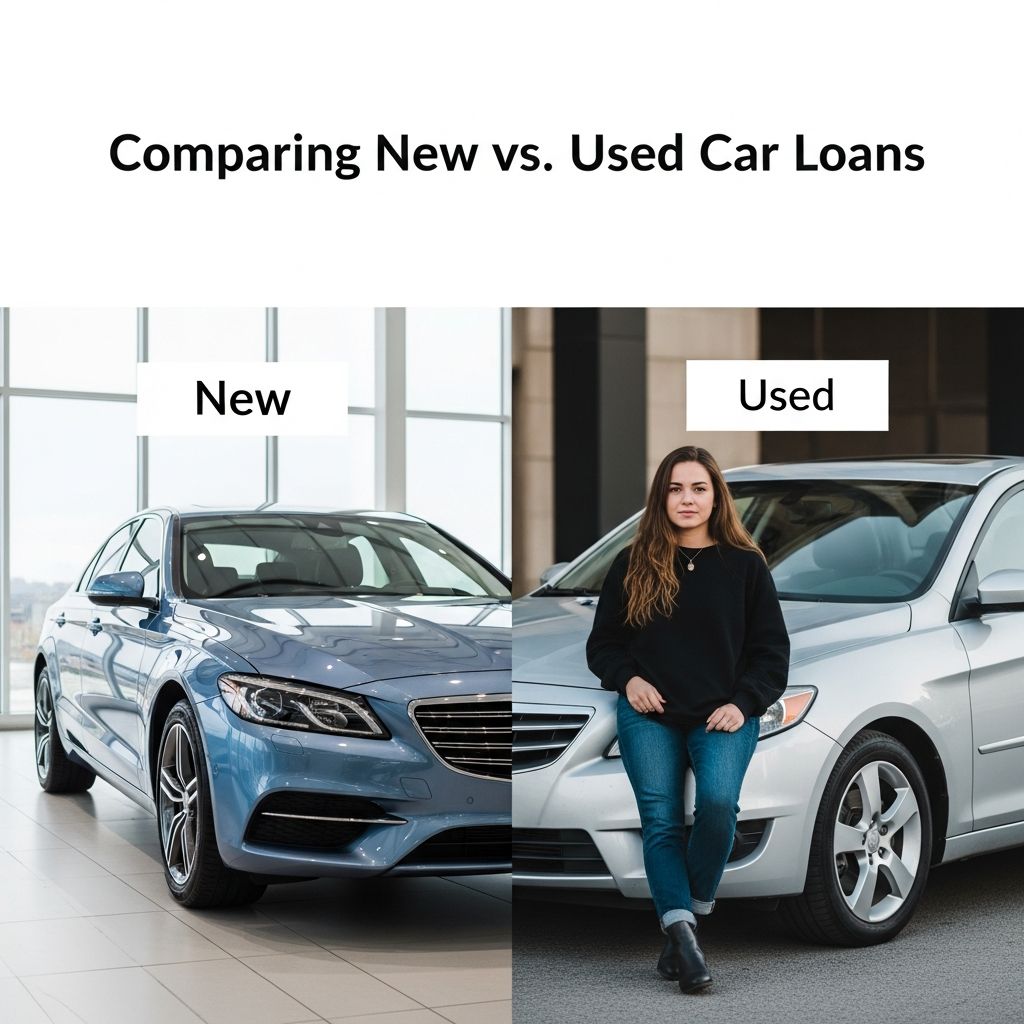
The biggest difference between
new car loans
andused car loans
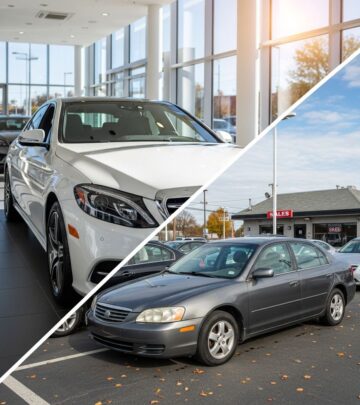
is price. New cars are almost always more expensive than used cars, leading to a larger loan principal—the amount borrowed before interest and fees. This often results in higher monthly payments over a longer period, though new car loans typically feature lower interest rates. Used cars, being cheaper, have smaller principals and shorter terms but higher rates due to valuation challenges for lenders.Highlights
- It may be easier to secure a loan for a
new car
than a used one, with new loans often offering lower interest rates. - **Used cars** suit tighter budgets, cost less to insure, but carry higher interest rates.
- Pre-qualification simplifies comparing loans and negotiating better rates.
New vs. Used Car Loans
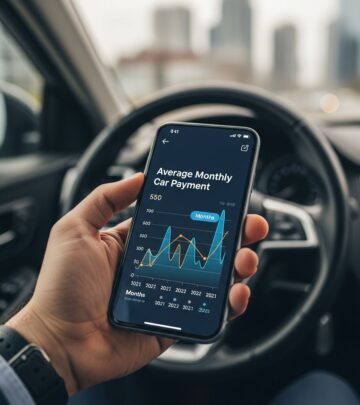
New vehicles command higher prices, directly impacting the loan amount. According to Experian data from late 2024, the average new car loan was $41,572 with monthly payments of $742, compared to $26,468 and $525 for used cars. Factors like trade-ins, down payments, loan duration, and credit scores influence these figures.
New car loans benefit from lower interest rates because lenders view them as lower risk—new cars hold resale value better and are less prone to early breakdowns. Promotional offers, like 0% APR from manufacturers such as Volkswagen, further sweeten the deal. In contrast, used car loans face higher rates (e.g., 9.33% vs. 6.88% for new in a sample comparison), as valuing pre-owned vehicles is trickier and they pose higher breakdown risks.
| Aspect | New Car Loans | Used Car Loans |
|---|---|---|
| Average Loan Amount (2024) | $41,572 | $26,468 |
| Average Monthly Payment | $742 | $525 |
| Typical Interest Rate | Lower (e.g., 6.88%) | Higher (e.g., 9.33%) |
| Loan Term | Up to 84 months | Up to 60 months |
Is it easier to finance a new car?
Yes, financing a
new car
is generally simpler. Lenders can precisely value new cars using standard pricing guides and assume they’re in excellent condition off the lot. Used cars require inspections, and their value is harder to pinpoint, increasing lender caution. Buyers of new cars often have stronger credit profiles, further easing approval.Depreciation and Down Payments
**Depreciation**—the value loss from normal use—is a critical factor. New cars drop about 20% in the first year, risking ‘negative equity’ where you owe more than the car’s worth, especially with minimal down payments. Lenders may demand 20% down on new cars to mitigate this.
Used cars have already absorbed most depreciation, depreciating slower thereafter. This reduces upside-down risk and often lowers down payment requirements, making them upfront budget-friendly.
Pros and Cons of New Car Loans
Pros:
- Lower interest rates due to reduced lender risk and better resale value.
- Manufacturer warranties ensure reliability, minimizing early repairs.
- Latest safety tech, fuel efficiency, and features for long-term savings.
- Promotional financing like 0% APR.
Cons:
- Higher purchase price leads to larger loans and payments.
- Rapid depreciation (20-30% first year).
- Higher insurance premiums.
Pros and Cons of Used Car Loans
Pros:
- Lower price means smaller loans, payments, and total interest.
- Slower depreciation avoids negative equity traps.
- Cheaper insurance.
Cons:
- Higher interest rates from perceived risk.
- Potential maintenance costs if not certified pre-owned.
- Shorter loan terms raise monthly payments.
Loan Terms and Monthly Payments
New car loans extend up to 84 months, lowering monthly payments but increasing total interest. Used loans cap at 60 months, hiking payments but cutting overall interest since principal is smaller. Example: A $40,000 new loan at 6.88% over 48 months accrues $5,869 interest; a $30,000 used at 9.33% accrues $6,060—but total cost may favor used due to lower principal.
Tips for Getting the Best Auto Loan
- Check your credit score: Higher scores unlock better rates for both.
- Get pre-qualified: Shop rates from banks, credit unions, dealers without impacting credit.
- Compare lenders: Use calculators from Navy Federal or Fifth Third to model scenarios.
- Put down 20%+: Reduces loan size and interest, combats depreciation.
- Consider certified pre-owned (CPO): Balances used affordability with warranties.
- Factor insurance/maintenance: Used often cheaper overall.
- Shorter terms if possible: Saves interest despite higher payments.
Frequently Asked Questions (FAQs)
Are interest rates lower for new or used car loans?
New car loans typically have lower rates due to lower risk, resale value, and buyer credit profiles.
Do used cars require larger down payments?
No, used cars often need smaller down payments since they’ve already depreciated.
Can I get 0% financing on a used car?
Rarely; 0% APR promotions are mostly for new cars from manufacturers.
Is negative equity more common with new cars?
Yes, due to rapid first-year depreciation.
Should I get pre-qualified before shopping?
Absolutely—it helps compare offers and negotiate without credit dings.
Final Thoughts
Choosing between new and used car loans depends on budget, risk tolerance, and needs. New offers lower rates and reliability; used provides affordability and stability. Use pre-qualification, compare rates, and crunch numbers with calculators for the best fit.
References
- New vs. Used Car Financing: Key Differences — Colonial Volkswagen. 2024. https://www.vwcolonial.com/new-vs-used-financing-blog.htm
- 4 Differences Between New and Used Car Financing — Santander Consumer USA. 2024. https://santanderconsumerusa.com/blog/new-vs-used-car-financing
- Comparing Auto Loans: New Car Loans vs Used Car Loans — Equifax. 2024. https://www.equifax.com/personal/education/personal-finance/articles/-/learn/comparing-new-vs-used-car-loans/
- Differences Between Financing a New vs. Used Car — Capital One. 2024. https://www.capitalone.com/cars/learn/managing-your-money-wisely/differences-between-financing-a-new-vs-used-car/3081
- Used vs New Car Loan APR Comparison — Hudson Pre-Owned. 2024. https://www.hudsonpreowned.com/used-vs-new-car-loans.aspx
- New vs. Used Cars: Which Auto Loan is Right for You? — People Driven Credit Union. 2024. https://www.peopledrivencu.org/vehicle/auto-loans/new-vs-used-cars-which-auto-loan-is-right-for-you/
Similar Articles








Read full bio of medha deb