Comparables in Real Estate and Business Valuation
Master comparable analysis: The essential method for valuing properties and businesses accurately.

Understanding Comparables: The Foundation of Property and Business Valuation
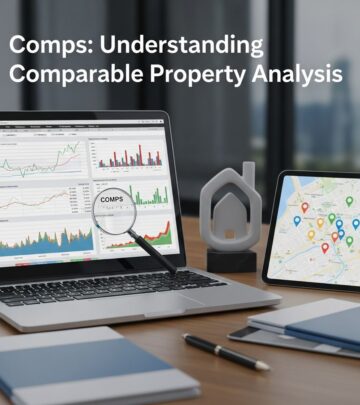
Comparables, commonly referred to as “comps,” represent one of the most fundamental concepts in real estate appraisal and business valuation. These are recent sales of similar properties or businesses that serve as benchmarks for determining the fair market value of a subject property or asset. The comparable sales approach is widely used by real estate professionals, appraisers, lenders, and investors to establish realistic price expectations and make informed investment decisions. Understanding how comparables work is essential for anyone involved in buying, selling, or investing in real estate or business assets.
The principle behind comparables is straightforward yet powerful: similar assets should sell for similar prices in the same market. By analyzing comparable sales, professionals can adjust for differences between the subject property and comparable properties to arrive at a reasonable valuation. This method relies on the principle of substitution, which states that a prudent buyer will not pay more for a property than the cost of acquiring an equally desirable substitute property.
What Are Comparables and Why They Matter
Comparables are properties or businesses that have recently been sold and share similar characteristics with the property or asset being valued. These similarities may include location, size, condition, age, amenities, and functionality. Real estate comparables are particularly important in residential, commercial, and industrial markets, while business comparables are used in corporate valuations, acquisitions, and merger analysis.
The importance of comparables cannot be overstated in the valuation process. They provide an objective, market-based approach to determining value rather than relying solely on subjective assessment or cost-based methods. Lenders typically require comparable sales analysis before approving mortgage loans, as it demonstrates that the property’s value supports the loan amount. Similarly, investors use comparables to identify undervalued properties or to validate their investment thesis before committing capital.
Key reasons comparables are essential:
- Provide market-based valuation support for appraisals and assessments
- Help lenders assess loan risk and determine loan amounts
- Enable investors to identify investment opportunities and market trends
- Offer objectivity and credibility in negotiations and disputes
- Support pricing decisions for sellers and purchase offers for buyers
- Serve as evidence in legal proceedings and tax assessments
Types of Comparables in Real Estate
Different types of comparables are used depending on the property type and valuation purpose. Understanding these distinctions is crucial for selecting the most relevant comps for your analysis.
Residential Comparables
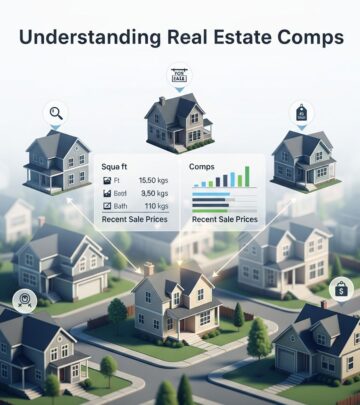
Residential comparables focus on single-family homes, condominiums, townhouses, and small multifamily properties. These comps emphasize features such as square footage, number of bedrooms and bathrooms, lot size, garage spaces, and condition. Residential comparables are most useful for homebuyers, sellers, and residential appraisers establishing home values within neighborhoods or communities.
Commercial Comparables
Commercial comparables involve office buildings, retail spaces, and mixed-use properties. These comps emphasize factors such as price per square foot, tenant quality, lease terms, occupancy rates, and cap rates. Commercial real estate professionals rely heavily on comparables to justify rent expectations and property values.
Industrial and Land Comparables
Industrial comparables address warehouse, manufacturing, and logistics facilities, while land comparables focus on vacant or developable land. These require specialized knowledge regarding zoning, development potential, accessibility, and market demand for specific uses.
Characteristics of Reliable Comparables
Not all recent sales qualify as reliable comparables. Effective comparables share several important characteristics with the subject property being valued:
- Proximity: Located in the same market area or neighborhood to reflect local market conditions accurately
- Recent Sales: Sold within the past three to six months, depending on market conditions, to ensure relevance and current market representation
- Similar Property Type: Same or very similar property classification and use category
- Similar Size: Comparable square footage, lot size, and physical dimensions
- Similar Condition: Comparable age, maintenance level, and physical condition
- Similar Features: Comparable amenities, finishes, and special features
- Arm’s Length Transactions: Sales between unrelated parties under normal market conditions, not distressed sales or special arrangements
How Comparables Are Used in Valuation
The comparable sales approach follows a systematic process to determine property value. First, analysts identify comparable properties that have recently sold. Next, they analyze and adjust the comparable sales prices based on differences between the comparables and the subject property. Finally, they reconcile the adjusted values to arrive at a final value estimate for the subject property.
Adjustment Process
Since no two properties are exactly alike, adjustments must be made to comparable sales prices to account for differences. Common adjustments include:
- Location Adjustments: Differences in neighborhood desirability, school districts, proximity to amenities, and market area
- Property Condition Adjustments: Differences in age, maintenance, and required repairs or upgrades
- Size Adjustments: Differences in square footage, lot size, and overall property dimensions
- Feature Adjustments: Presence or absence of specific amenities like swimming pools, garages, updated kitchens, or mechanical systems
- Time Adjustments: Market appreciation or depreciation between the comparable sale date and valuation date
- Financing Adjustments: Non-market financing terms or seller concessions in the comparable sale
The Role of Market Conditions in Comparables Analysis
Market conditions significantly influence the validity and application of comparables. In buyer’s markets with excess inventory, property values may decline, and older comparables may not accurately reflect current values. Conversely, in seller’s markets with strong demand, values may appreciate rapidly, making recent comps more valuable than older sales.
Appraisers and valuers must consider whether the market is appreciating, depreciating, or stable. Time adjustments account for these market trends, allowing older comparable sales to be adjusted to reflect current market conditions. Professional appraisers typically monitor market trends through multiple listing service (MLS) data, economic indicators, and industry reports to ensure their valuations remain accurate and defensible.
Challenges and Limitations of Using Comparables
While comparables are invaluable for valuation, several challenges and limitations can affect their reliability and application:
- Limited Available Data: Rural areas or unique property types may have few recent comparable sales, making analysis difficult
- Unique Property Characteristics: Unusual properties or those with special features may not have truly comparable sales
- Market Distortions: Distressed sales, foreclosures, or transactions involving related parties may not reflect true market value
- Rapidly Changing Markets: In highly volatile markets, older comparables may become outdated quickly
- Data Quality Issues: Incomplete or inaccurate listing information can compromise comparable analysis
- Subjective Adjustments: The adjustment process requires professional judgment, which can introduce bias or inconsistency
Comparables in Business Valuation
Comparables extend beyond real estate into business valuation, where they help determine enterprise value. Business comparables typically include companies in the same industry with similar size, profitability, and growth profiles. Analysts use metrics such as price-to-earnings (P/E) ratios, enterprise value-to-EBITDA multiples, and price-to-sales ratios to establish valuation benchmarks. Business comparables are essential in merger and acquisition analysis, investor relations, and financial planning.
Tools and Resources for Finding Comparables
Modern technology has made accessing comparable data more convenient than ever. Real estate professionals and investors use various tools and resources:
- Multiple Listing Services (MLS): Provide comprehensive local real estate transaction data
- Online Databases: Websites like Zillow, Redfin, and Realtor.com aggregate property sales data
- County Records: Public property records provide historical sales data and assessments
- Professional Appraisal Software: Specialized software assists in organizing and analyzing comparable data
- Real Estate Brokers: Experienced professionals can provide market expertise and insider knowledge of comparable sales
- Business Databases: Bloomberg, FactSet, and similar platforms provide business comparable data
Frequently Asked Questions (FAQs)
Q: How many comparables do I need for a reliable valuation?
A: Most professional appraisals use three to five comparable properties, though some markets or property types may require more. The goal is to have enough data points to establish a credible valuation range while ensuring all comparables are sufficiently similar to the subject property.
Q: How recent should comparable sales be?
A: Generally, comparables should be from sales within the past three to six months. In fast-moving markets, more recent sales are preferred. In slower markets, sales up to a year old may be acceptable if they are adjusted appropriately for market conditions.
Q: What if I can’t find sufficient comparable sales?
A: When comparables are limited, appraisers may use the cost approach or income approach as alternative valuation methods. They may also expand the search area or adjust selection criteria while documenting their methodology thoroughly.
Q: Can I use foreclosure sales as comparables?
A: Foreclosure sales can be used as comparables but typically require significant adjustments since they may not represent arm’s length transactions or market conditions. They should be used cautiously and clearly identified in the analysis.
Q: How do appraisers adjust for differences between properties?
A: Appraisers use comparative adjustment analysis, applying dollar or percentage adjustments to comparable sales prices based on differences in location, condition, size, features, and market conditions to estimate the subject property’s value.
Q: Are online property value estimates using comparables reliable?
A: Online estimates provide useful starting points but may lack the depth and accuracy of professional appraisals. They use automated comparable analysis but cannot account for unique property features or market nuances that professional appraisers consider.
References
- Uniform Standards of Professional Appraisal Practice (USPAP) — The Appraisal Foundation. Last Updated: 2023. https://www.appraisalfoundation.org/uspap/
- Real Estate Appraisal: From Value to Decision — American College of Real Estate Executives. 2024. https://www.acrec.org/
- Financial Accounting Standards Board (FASB) Topic 820: Fair Value Measurement — U.S. Securities and Exchange Commission. Last Updated: 2024. https://www.sec.gov/cgi-bin/browse-edgar
- Guide to Comparable Company Analysis — Corporate Finance Institute. 2023. https://corporatefinanceinstitute.com/
- National Association of Realtors (NAR) Real Estate Data — National Association of Realtors. Last Updated: 2025. https://www.nar.realtor/
Similar Articles








Read full bio of Sneha Tete