Commute Without DC Metro: $2 Via Rideshare And Smart Hacks
Discover affordable alternatives to DC Metro for commuters seeking reliable, budget-friendly rides in the nation's capital.
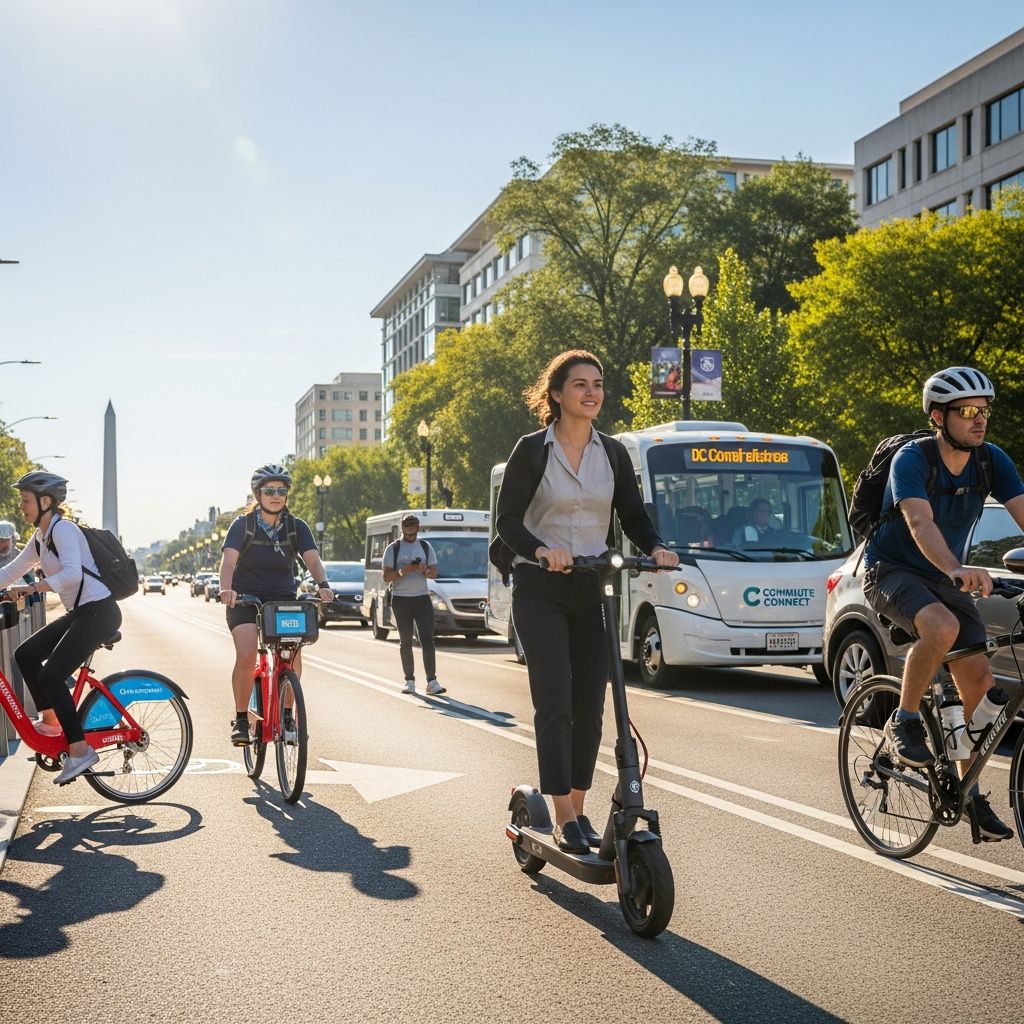
Hate the D.C. Metro? This New Commuting Option Costs $2
In the bustling heart of Washington, D.C., the Metro system has long been a staple for commuters navigating the city’s hectic streets. However, with frequent delays, rising fares, and limited late-night service, many residents and workers are searching for reliable alternatives. Enter Via, a rideshare company that launched in D.C. on Monday, expanding from New York City and Chicago. For just $2 per ride, Via offers a game-changing option for budget-conscious commuters looking to ditch the Metro without breaking the bank.
This article dives deep into why ditching the DC Metro makes sense, explores Via’s innovative model, and uncovers other practical strategies to commute smarter, cheaper, and safer. Whether you’re a night-shift worker, a daily commuter, or someone tired of platform waits, these tips can transform your routine and put money back in your pocket.
Why Ditch the DC Metro? The Real Costs and Challenges
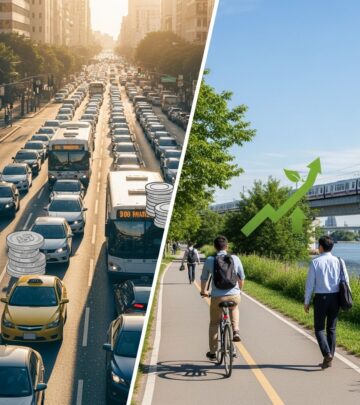
The Washington Metro is iconic, but it’s not without flaws. Average commute times for solo drivers in major U.S. metro areas like D.C. hover around 25.8 minutes, but Metro users often face longer delays due to signal problems, track work, and overcrowding. Late-night workers bear the brunt: shifts ending at 4 a.m. mean waiting until 5 a.m. for the first train, extending trips home to hours.
Consider Mr. Haden from Oxon Hill, who finishes work at 4 a.m. His journey involves waiting at Anacostia station until 6 or 7 a.m. for a bus to Southern Avenue, only to sometimes be left behind by drivers. This grueling commute cuts into family time—he reduced his day job hours because of unreliable arrivals—and drains finances, with ride-hailing apps costing $36 on weekends or $21 for shared rides.
Bartender Binh Ngo from Mount Rainier bikes 35-40 minutes home during the day but opts for taxis at night due to safety concerns in rough neighborhoods. Hotel manager Bennett notes employees sleeping in basements or McDonald’s until Metro opens, highlighting safety risks in bad weather and the impossibility of affording Ubers on minimum wage. These stories reveal a broader issue: Metro’s curtailed hours stifle D.C.’s vibrant nightlife economy and burden low-wage workers disproportionately.
- Key Metro Pain Points:
- Frequent delays and maintenance shutdowns.
- Limited service before 5 a.m. weekdays and later on weekends.
- High fares adding up to hundreds monthly.
- Safety concerns for late-night or solo travelers.
- Impact on work-life balance for shift workers.
Switching to alternatives isn’t just about convenience—it’s a financial strategy. Commuters spending big on transit can redirect savings to debt payoff, emergencies, or fun.
Via Rideshare: Your $2 Metro Alternative
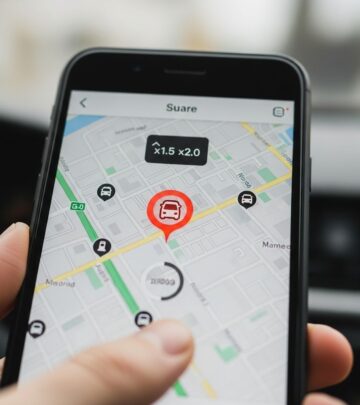
Via’s arrival in D.C. is timely. Unlike traditional rideshares matching you solo with a driver, Via pools passengers heading the same way, optimizing routes for efficiency. Riders request via app, get picked up within 10-15 minutes, and share with 1-4 others. The flat $2 fare per ride (or $4.50 for premium) beats Metro’s $2-6 per trip, especially for longer distances.
How it works:
- Download the Via app and set your pickup/drop-off.
- Wait for a shared van (max 10 minutes).
- Pay $2 and arrive faster than buses, cheaper than Uber.
Via partners with cities for transit integration, reducing congestion and emissions. In D.C., it covers key zones from downtown to suburbs, ideal for Metro gaps like late nights. Early users report 20-30% time savings over driving solo, with carpool-like social perks. For late-shifters like falafel shop worker Ghirardo, who once waited three hours or bought an electric scooter, Via eliminates the hassle.
| Option | Cost per Ride | Time (Avg. 8 miles) | Best For |
|---|---|---|---|
| DC Metro | $2-6 | 45-90 min (w/ waits) | Peak hours |
| Via Rideshare | $2 | 25-40 min | Late nights, suburbs |
| Uber/Lyft | $20-40 | 20-30 min | Solo, urgent |
| Biking | $0 | 35-50 min | Fit commuters |
Via isn’t perfect—shared rides mean detours—but at $2, it’s unbeatable for reliability.
Other Smart Commuting Hacks Beyond Via
Diversify your options for flexibility.
Biking and E-Scooters: Free and Fast
Ghirardo’s electric scooter cuts his 8-mile trip to 30 minutes versus three hours on Metro. Capital Bikeshare offers $2 unlocks, unlimited 45-minute rides for members ($20/month). Dockless e-scooters like Lime cost $1 + $0.30/minute. Safety tip: Use protected lanes and lights for night rides.
Carpooling and Ride-Sharing Apps
Carpoolers shave minutes off commutes. Apps like Waze Carpool or Bump match drivers with riders for gas money. Employers often subsidize via Commuter Benefits programs, pre-taxing transit costs.
Buses and Regional Options
WMATA buses run more frequently than rail late-night. ART (Arlington) and DASH (Alexandria) fill Metro gaps. Check Transit app for real-time updates.
Walking + Micro-Transit
For short legs, combine walks with free shuttles like DC Circulator ($1 rides).
How Employers and Cities Can Help
Bennett questions why businesses subsidize in a ‘cosmopolitan city,’ but many do: guaranteed rides for night staff or stipends. Cities push Via partnerships; advocate via council for extended Metro hours.
Real Stories: Commuters Who Made the Switch
Haden’s bus woes, Ngo’s night fears, Ghirardo’s scooter triumph illustrate the stakes. A heartwarming CNN tale shows Metro’s human side: boy Sam Mencimer bonded with bus driver Joy Kenley, now colleagues. These stories inspire resilience.
Frequently Asked Questions (FAQs)
Q: Is Via available 24/7 in DC?
A: Yes, unlike Metro, Via operates late nights and weekends, with pickups in 10-15 minutes.
Q: How much can I save monthly with Via?
A: Switching from Uber ($600/month) to Via ($120) saves $480 easily.
Q: Are bikes safe for night commutes?
A: Use lights, helmets, and apps like Strava for routes; avoid isolated areas.
Q: What’s the best carpool app for DC?
A: Waze Carpool or Quickcarpool for quick matches.
Q: Do employers offer commute benefits?
A: Many via IRS Section 132(f); check HR for pre-tax deductions.
Start Saving Today: Your Action Plan
1. Download Via and test a $2 ride.
2. Join Capital Bikeshare.
3. Track expenses to quantify savings.
4. Advocate for better transit.
Commuting without DC Metro empowers you—cheaper, faster, stress-free. Via’s $2 rides lead the way, but mix strategies for the win.
References
- Here’s how Washington late-night workers commute without Metro — Greater Greater Washington. 2023-10-01. https://ggwash.org/view/72347/heres-how-washington-late-night-workers-commute-without-metro
- As a child, he bonded with his bus driver over a love of public transit. Over a decade later, they’re colleagues at DC Metro — CNN. 2025-11-23. https://krdo.com/news/2025/11/23/as-a-child-he-bonded-with-his-bus-driver-over-a-love-of-public-transit-over-a-decade-later-theyre-colleagues-at-dc-metro/
- Study shows commute times in major US metro areas — CT Post. 2005-05-01. https://www.ctpost.com/news/article/Study-shows-commute-times-in-major-US-metro-areas-6379793.php
- Study shows commute times in major US metro areas — Houston Chronicle. 2005-05-01. https://www.chron.com/news/nation-world/article/Study-shows-commute-times-in-major-US-metro-areas-6371299.php
- Hate the D.C. Metro? This New Commuting Option Costs $2 — The Penny Hoarder. N/A. https://www.thepennyhoarder.com/save-money/commute-without-dc-metro/
Similar Articles








Read full bio of medha deb