Commute To Work And Save Money: Smart Strategies For 2025
Discover smart ways to slash commuting costs through biking, public transit, carpooling, and more while boosting your savings.
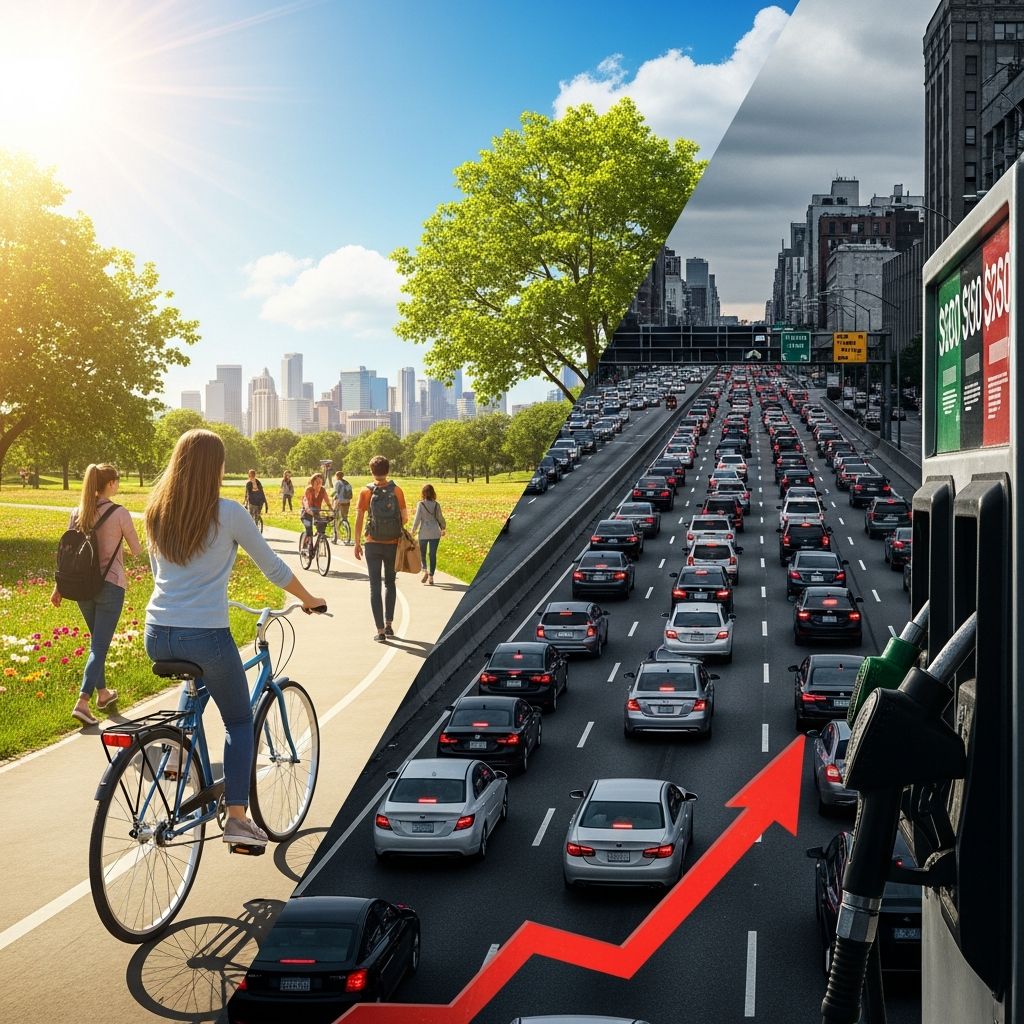
Your daily commute can be a major budget drain, but smart choices like biking, carpooling, or public transit can save you hundreds or even thousands annually. This guide covers proven strategies to minimize costs while maximizing efficiency and health benefits.
The Hidden Costs of Commuting
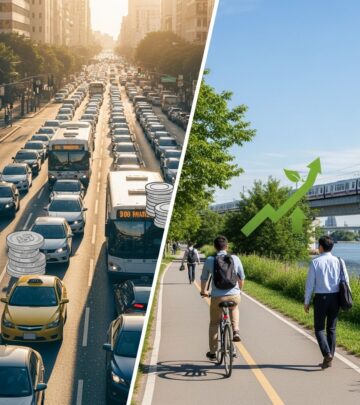
Commuting expenses add up quickly, often exceeding obvious costs like gas. According to U.S. Census data, the average American spends significant time and money traveling to work, with driving alone being the most common and costly method. Factors include fuel at approximately $0.15-$0.50 per mile (adjusted for inflation), maintenance, insurance, parking fees up to $75 monthly, and tolls.
Public transportation serves only 2.5% of commuters due to limited availability, yet monthly passes like Denver’s RTD at $200 can still undercut solo driving for longer distances. Time costs matter too: Calculate by multiplying your hourly wage by commute time to reveal the true ‘wage theft’ of inefficient travel.
| Commute Method | Avg. Monthly Cost (40 miles/day) | Pros | Cons |
|---|---|---|---|
| Driving Alone | $300-$500 | Fastest | High gas, wear-and-tear |
| Public Transit | $100-$200 | Low cost | Slower, less reliable |
| Carpooling | $150-$250 | Shared costs | Coordination needed |
| Biking | $7.50-$150 | Exercise, cheap | Weather-dependent |
| Walking | Nearly $0 | Free, healthy | Time-intensive |
I Save $75 a Month by Biking to Work. Here’s How I Got Started
One commuter’s parking costs doubled to $75 monthly, prompting a switch to biking. Despite a rocky start on a busy street without bike lanes, planning a safer route transformed the experience. Now, she commutes 2 miles daily, saving on parking, gas, and impulse buys while gaining exercise.
7 Tips for Anyone Who Wants to Start Biking to Work
- Do a Weekend Test Run: Map your route, check for bike lanes, and test in work clothes to gauge sweat and feasibility. Avoid rush-hour discoveries.
- Check Your Bike: Inflate tires, ensure brakes work, and service as needed. A simple pump from a coworker can make all the difference.
- Plan Your Outfit: Choose breathable fabrics like cotton or linen. Layer with bike shorts under skirts; keep a spare shirt for sweat or dirt.
- Have a Backup Plan: Know bus routes, parking options, or ride-share alternatives for bad weather. Lightning or storms demand alternatives.
- Choose the Right Gear: Invest in lights, helmet, lock, and panniers for safe, practical commuting.
- Build Stamina Gradually: Start with short rides to adapt physically.
- Track Savings: Monitor avoided costs to stay motivated.
Is Bike Commuting for You?
Biking suits flexible schedules, casual workplaces, bike-friendly areas without extreme weather, and those without child shuttling duties. Commit to 3-4 tries; initial hiccups fade, leaving enjoyable rides and $75+ monthly savings. If it stresses you, revert—savings aren’t worth frustration.
The Cost of Commuting: Driving vs. Alternatives
Solo driving tops costs at $0.50+ per mile including depreciation. Public transit varies ($100-$200/month) but trades time for savings. Carpooling (8% of commuters) halves gas/maintenance; apps like Waze Carpool simplify matching.
Biking costs $0.15/mile or less—$150/month for 40 miles/day, dropping to $7.50 for short 4-mile commutes. Walking eliminates nearly all costs, offering health perks without vehicle expenses.
Save Money, Time and Headaches With an Electric Bike
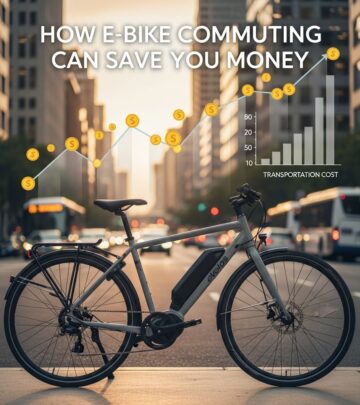
For longer distances, electric bikes (e-bikes) bridge gaps. One commuter saved $2,000 yearly by switching, covering more ground faster than pedaling alone while avoiding car expenses like gas and parking. E-bikes extend range to 20-40 miles comfortably, ideal for hilly or extended routes.
- Cost Breakdown: Initial purchase $500-$2,000, but pays off in 6-12 months vs. driving.
- Benefits: Reduced effort, traffic avoidance, exercise hybrid.
- Tips: Check local rebates; charge at work.
Carpooling and Public Transportation Breakdown
Carpooling cuts costs 50% on variable expenses. Public options like buses/trains cost less but require route alignment. Hybrid approaches—bike to transit—optimize both.
Walking to Work: The Ultimate Free Commute
For distances under 2 miles, walking trims costs to zero (minus time). It boosts fitness, reduces stress, and eliminates all vehicle-related fees. Pair with podcasts for enjoyment.
Frequently Asked Questions (FAQs)
Q: How much can I save biking to work?
A: Savings vary; one saved $75/month on parking, plus gas and impulse buys. Short commutes yield $50-$200 monthly.
Q: Is public transportation cheaper than driving?
A: Yes, often $100-$200/month vs. $300+ driving, but factor in time.
Q: What’s the best carpooling app?
A: Waze Carpool or local options; costs halve shared expenses.
Q: Are e-bikes worth it for commuting?
A: Yes, saving $2K/year for some, with speed and low operating costs.
Q: How do I calculate my commute’s true cost?
A: Hourly wage x commute time + direct costs (gas, passes).
Bonus Tips to Maximize Savings
- Combine methods: Bike to bus.
- Track with apps like Strava or Fuelly.
- Leverage employer perks: Transit subsidies.
- Remote work when possible.
Switching commutes demands adjustment but yields financial freedom, health gains, and less stress. Start small, test options, and watch savings grow.
References
- I Save $75 a Month by Biking to Work. Here’s How I Got Started — The Penny Hoarder. 2023. https://www.thepennyhoarder.com/save-money/biking-to-work/
- The Cost of Commuting: We Compare Driving, Public Transportation… — The Penny Hoarder. 2023. https://www.thepennyhoarder.com/save-money/cost-of-commuting/
- This Guy’s Commute to Work Will Help Him Save $2K This Year — The Penny Hoarder. 2023. https://www.thepennyhoarder.com/save-money/commute-to-work-save-money/
- American Community Survey Commuting Data — U.S. Census Bureau. 2023-01-01. https://www.census.gov/topics/employment/commuting.html
- Consumer Expenditure Survey: Transportation Costs — U.S. Bureau of Labor Statistics. 2025-09-10. https://www.bls.gov/cex/transportation.htm
- Your Car’s True Cost to Own — AAA. 2024-11-15. https://www.aaa.com/AAA/common/AAR/files/Fuel-Gauge-Report.pdf
Similar Articles








Read full bio of medha deb