Community Supported Agriculture: Save Money, Eat Fresh
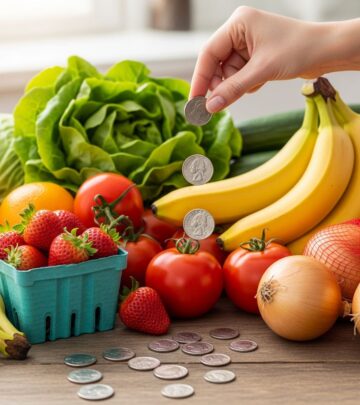
Save money on fresh, local produce by joining a CSA and supporting farmers directly with upfront shares for seasonal harvests.
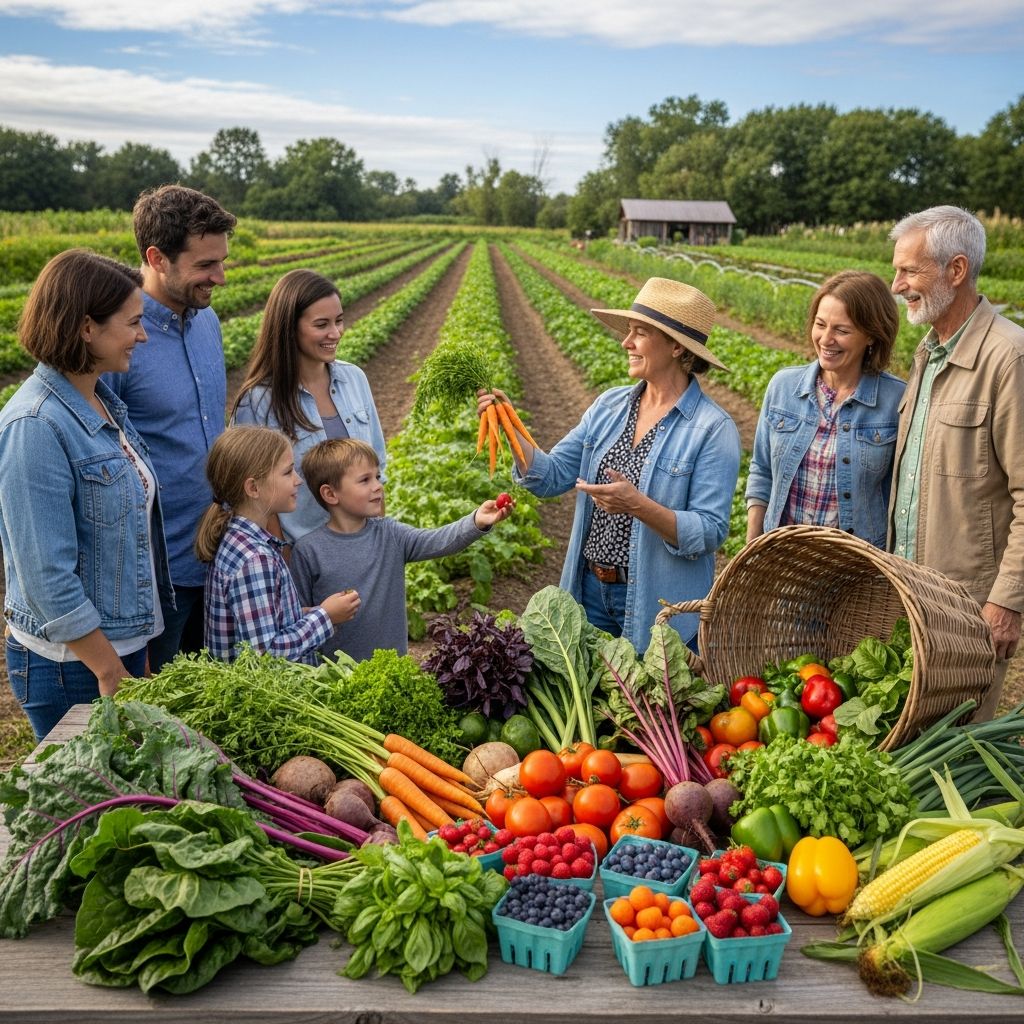
Community Supported Agriculture (CSA) programs offer a smart way to access high-quality, fresh produce while saving money and supporting local farmers. By purchasing a “share” upfront, members receive regular deliveries of seasonal fruits, vegetables, and sometimes other farm products directly from the farm.
What Is Community Supported Agriculture?
Community Supported Agriculture, often abbreviated as CSA, is a partnership between consumers and local farmers where members pledge financial support at the start of the growing season in exchange for a portion of the farm’s harvest throughout the season. This model originated in Japan in the 1960s as “teikei” (putting faces on your food) and spread to the U.S. in the 1980s, now involving thousands of farms nationwide.
In a typical CSA, members buy a share—often called a “farm share” or “harvest share”—which can be full (enough for a family of four) or half-size (for smaller households). Shares cost between $400 to $700 for a 20-week season, depending on location and contents, but provide far more value than equivalent grocery store purchases due to reduced shipping and middleman costs.
CSAs come in various forms: vegetable-only, mixed with fruits, eggs, dairy, meat, or flowers. Some offer add-ons like bread or cheese. Delivery options include farm pickup, drop-off points, or even home delivery in urban areas.
How Does a CSA Work?
The CSA model is straightforward and mutually beneficial:
- Upfront Payment: Members pay for their share at the season’s start, providing farmers with capital for seeds, tools, and labor without needing loans.
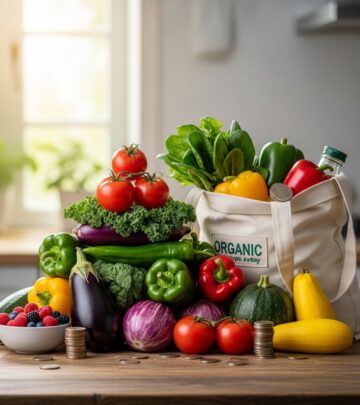
- Seasonal Harvests: In return, members receive weekly or bi-weekly boxes of whatever is ripe and abundant on the farm—think heirloom tomatoes, kale, carrots, berries, and more.
- Shared Risk: Members share the uncertainties of farming, like weather or pests. If yields are low, shares reflect that; bountiful years mean extras.
- Flexibility: Many CSAs offer payment plans, work-share options (trade labor for discounts), or sliding scales for low-income families.
This structure ensures farmers have steady income from day one, while eaters get the freshest possible food, often picked hours before distribution.
Benefits of Joining a CSA
CSAs deliver value beyond just produce. Here’s why they’re a penny-pincher’s dream:
Freshness and Nutrition
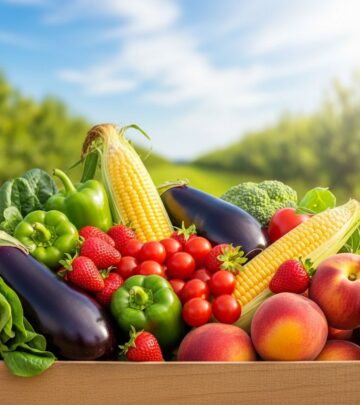
CSA produce is harvested at peak ripeness and delivered within hours or days, retaining maximum flavor and nutrients compared to supermarket items shipped cross-country. Studies show locally sourced veggies have higher vitamin content.
Cost Savings
While upfront costs seem high, CSAs often save 20-50% over organic grocery prices. No packaging, shipping, or markup means more bang for your buck. Subsidized CSAs for low-income households amplify savings.
| CSA Share (20 weeks) | Approx. Cost | Grocery Equivalent | Savings |
|---|---|---|---|
| Half Share (Veggies) | $300-$400 | $500-$600 | $100-$300 |
| Full Share | $500-$700 | $900-$1,200 | $300-$600 |
| Mixed (Veg + Fruit) | $600-$900 | $1,100-$1,500 | $400-$700 |
Note: Costs vary by region; table based on national averages.
Support Local Farmers
Your share funds small farms facing high costs and competition from industrial agriculture. It provides risk-free revenue, helping farms invest in sustainable practices without debt.
Variety and Discovery
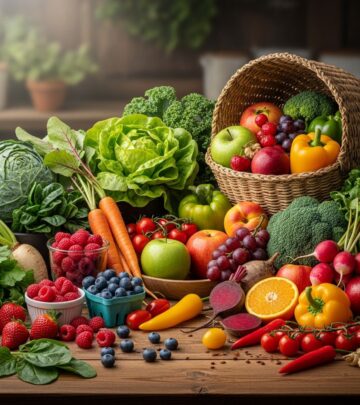
Try new varieties like purple carrots or Romanesco cauliflower—what’s in season and plentiful. Recipes often accompany boxes to inspire cooking.
Environmental Wins
CSAs shorten supply chains, cutting transport emissions. Many use regenerative farming that builds soil health and biodiversity.
Community Building
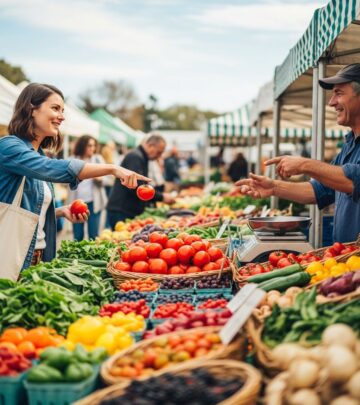
Connect with farmers and fellow members at farm events, workshops, or potlucks. It fosters food literacy and local pride.
Finding a CSA Near You
Locate CSAs via directories like LocalHarvest.org, state extension services, or farm markets. Search “CSA near [your city]” or check farmers’ markets for signs.
- Questions to Ask: Season length? Share sizes/prices? Drop-off locations? Add-ons? Organic certification? Trial boxes?
- Visit the Farm: Tour to see practices and meet the farmer.
- Start Small: Opt for half-shares or short seasons if new.
Urban dwellers: Look for city-based CSAs or rooftop farms. Some deliver via bike couriers.
Potential Drawbacks and Tips
CSAs aren’t perfect—heavy veggies some weeks or too much of one item. Tips:
- Preserve Excess: Freeze, can, or share.
- Work Shares: Volunteer for 10-20% off.
- Multi-Farm CSAs: Aggregate from several farms for variety.
- Veggie Fatigue: Donate extras or join swap groups.
Barriers like upfront costs are offset by subsidies in many programs.
CSAs for Every Budget and Diet
Low-Income Access: Programs like Double Up Food Bucks match SNAP benefits for CSAs.
Meat/Dairy CSAs: Omnivore shares include grass-fed beef, eggs, cheese.
Flower CSAs: Bouquets weekly for eco-friendly decor.
Plant-based? Veggie-focused shares abound.
Frequently Asked Questions (FAQs)
What if the harvest is poor?
Farmers communicate via newsletters; you share the risk, but most seasons yield plenty. No refunds typically, but credits sometimes offered.
Are CSAs organic?
Many are, but not all. Ask about practices—pesticide-free is common.
Can I skip weeks?
Some allow vacations with credits; others are full-season commitments.
Is it cheaper than the store?
Yes, especially organic—fresher too.
How do I store all this produce?
Pro tips: Root veggies in fridge crisper; greens in damp towels; herbs in water jars.
Success Stories: Real CSA Members Share
Meet Sarah from Michigan: “My $450 full share replaced $800 in groceries. Kale smoothies and farm visits hooked my kids on veggies!”
Urbanite Jamal in Colorado: “Multi-farm CSA delivers to my office. Saved $50/week and cut my carbon footprint.”
These stories highlight CSAs’ transformative power for budgets, health, and communities.
Joining a CSA isn’t just buying food—it’s investing in your health, local economy, and planet. With thousands of programs nationwide, fresh abundance awaits. Search today and harvest savings tomorrow!
References
- Principles and Benefits of Community Supported Agriculture — Michigan State University Extension. 2023-05-15. https://www.canr.msu.edu/news/principles_and_benefits_of_community_supported_agriculture
- 7 Reasons to Support CSA Farms — Norman’s Farm Market. 2024-02-10. https://normansfarmmarket.com/7-reasons-to-support-csa-farms/
- Community Supported Agriculture: Definition, Benefits, Barriers, and Resources — Utah State University Extension. 2023-08-22. https://extension.usu.edu/smallfarms/research/community-supported-agriculture-definition-benefits-barriers-resources
- CSAs: Fresh Food for Communities and the Environment — University of Colorado. 2022-04-06. https://www.colorado.edu/ecenter/2022/04/06/csas-fresh-food-communities-and-environment
- Community Supported Agriculture — University of Florida IFAS Extension. 2024-01-12. https://sfyl.ifas.ufl.edu/agriculture/community-supported-agriculture/
- Community Supported Agriculture (CSA) — County Health Rankings & Roadmaps. 2025-03-20. https://www.countyhealthrankings.org/strategies-and-solutions/what-works-for-health/strategies/community-supported-agriculture-csa
- Community Supported Agriculture: A Field Guide for Producers — National Agricultural Law Center. 2023-11-05. https://nationalaglawcenter.org/community-supported-agriculture-introduction/
Similar Articles








Read full bio of medha deb