Common Real Estate Contingencies And What They Mean
Understand real estate contingencies: protect your home purchase with essential contract clauses.
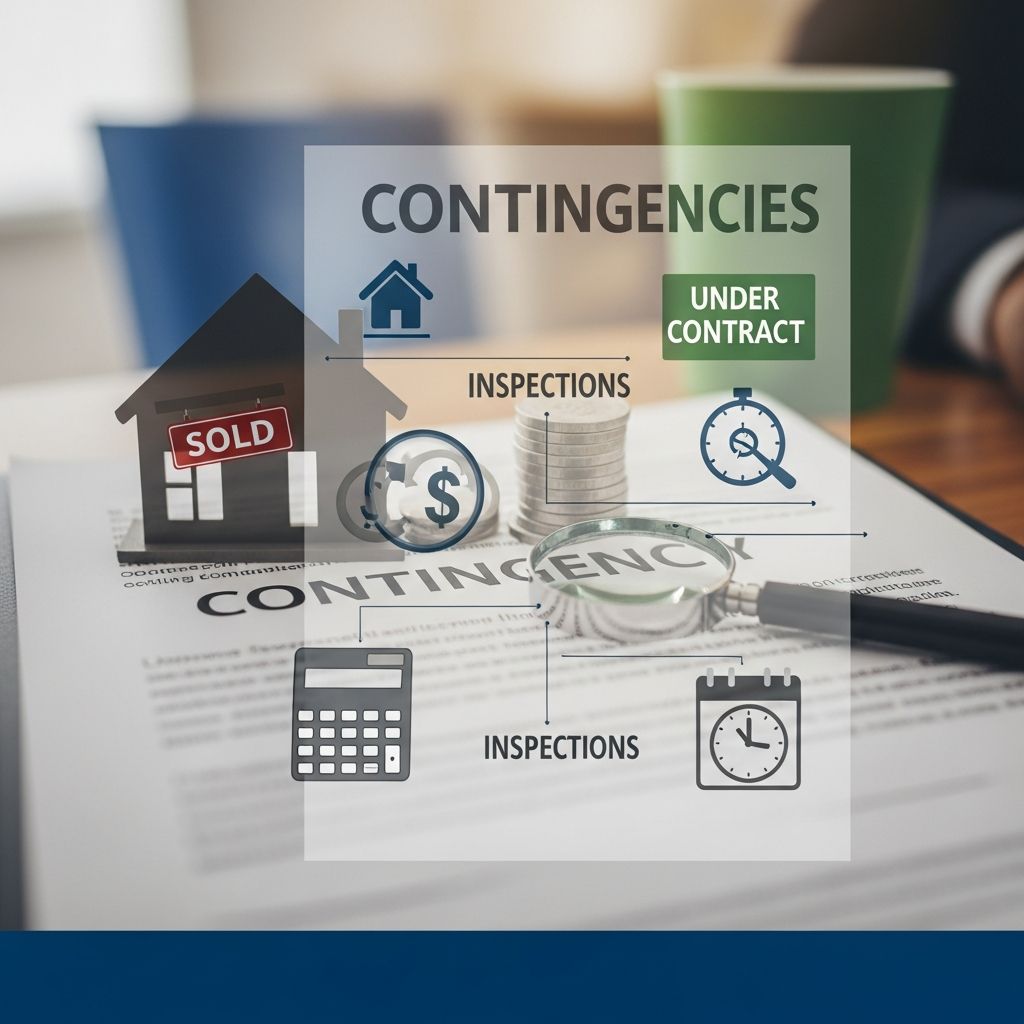
Real estate transactions are among the largest financial commitments most people make in their lifetime. To protect both buyers and sellers, purchase and sale agreements include contingency clauses—contractual provisions that allow either party to back out of a deal or renegotiate terms if certain conditions are not met. Understanding these contingencies is essential for anyone involved in buying or selling property, as they provide critical safeguards and help ensure that transactions proceed smoothly and fairly.
What Are Real Estate Contingencies?
A real estate contingency is a clause in a purchase agreement that gives buyers and sellers the right to cancel a contract if certain terms aren’t met. These contingencies are designed to protect both parties by outlining specific conditions that must be satisfied for the transaction to proceed to closing. Rather than committing unconditionally to a purchase, contingencies allow buyers to conduct due diligence, secure financing, and verify that the property meets their expectations.
Contingencies typically include specific deadlines by which conditions must be met and consequences if they are not satisfied. They function as a safety net, preventing buyers from becoming committed to purchasing a property with money they don’t have or that doesn’t meet their requirements. Without contingencies, homebuyers would face significant financial risk if they discovered problems with the property or failed to secure financing after making an offer.
The Most Common Types of Real Estate Contingencies
Mortgage Contingency
The mortgage contingency is perhaps the most important protection for homebuyers. This clause allows the buyer to cancel the transaction if they are unable to obtain final approval for their mortgage loan. Since most homebuyers rely on borrowed money to finance their purchases, this contingency serves as a critical safety net.
A typical mortgage contingency specifies both the loan amount the buyer must be approved to borrow and the date by which they must receive final approval. The contingency also requires that borrowers make reasonable efforts to secure financing—meaning buyers cannot intentionally get denied for a mortgage to escape the contract. Buyers typically have up to four weeks to secure loan approval before this contingency takes effect.
If a buyer’s mortgage loan is not approved and a mortgage contingency is in place, the buyer can typically recover their earnest money deposit and walk away from the deal without penalty. This protects buyers from losing their down payment due to circumstances beyond their control.
Home Inspection Contingency
A home inspection contingency allows buyers to have the property professionally inspected and to back out of the purchase or renegotiate terms if significant problems are discovered. During the inspection period, a qualified home inspector examines the property’s structure, systems, and components to identify any defects or issues.
This contingency is valuable because it gives buyers the opportunity to discover costly problems—such as a badly damaged roof, foundation cracks, faulty electrical wiring, or plumbing issues—before they’re contractually obligated to purchase the home. If major problems are found and the seller refuses to fix them or offer credits to offset repair costs, the buyer can walk away clean with their earnest money deposit intact.
Appraisal Contingency
An appraisal contingency protects buyers by ensuring the home is worth at least the purchase price. Lenders typically require a home appraisal before approving a loan to verify that the property adequately secures the mortgage they’re offering. If the home appraises for less than the purchase price, the lender may demand a higher down payment or refuse to make the loan.
With an appraisal contingency in place, buyers can back out of the purchase if the home appraises for less than expected. This prevents buyers from overpaying for a property or being forced to inject additional cash into a down payment because the lender won’t approve the loan at the original terms.
Title Contingency
A title contingency ensures that the property being sold has a clear title with no liens, claims, or ownership disputes against it. Before closing, the buyer’s lender and title company conduct a title search to verify ownership and identify any encumbrances. If title problems are discovered—such as unpaid property taxes, HOA liens, or disputed ownership claims—the seller must resolve these issues before closing.
This contingency protects buyers from purchasing property with clouded titles that could result in loss of ownership or legal complications down the road. A clear title is essential for obtaining financing and ensuring unencumbered ownership.
Homeowners Insurance Contingency
Lenders require that homes be properly insured before approving mortgage loans. A homeowners insurance contingency requires that the buyer must be able to obtain insurance for the property at reasonable rates. This is particularly important in areas prone to hurricanes, earthquakes, or other natural disasters where insurance may be difficult or expensive to obtain.
If the buyer cannot secure homeowners insurance due to the property’s condition or location, this contingency allows them to back out without penalty. This protects buyers from being unable to meet their lender’s insurance requirements.
Home Sale Contingency
A home sale contingency, also called a contingency on the sale of another property, protects buyers who need to sell their current home to fund their new purchase. This clause makes the purchase of the new home contingent upon the sale of the buyer’s existing property by a specified date.
If the buyer’s current home doesn’t sell within the agreed timeframe, the deal could fall through. While these contingencies are fairly common, they can be problematic in competitive markets: sellers may prefer offers from buyers without contingencies, as these offers represent less uncertainty and risk.
How Contingencies Work in Practice
The details of all contingencies are outlined in the purchase and sale agreement (PSA), which describes the property, purchase price, timeline, and all contingencies with specific deadlines. When a buyer makes an offer that includes contingencies, they’re essentially saying they’ll proceed with the purchase provided that certain conditions are met by agreed-upon dates.
If contingencies are satisfied by their deadlines, the transaction proceeds to closing. If contingencies are not met, the buyer typically has the right to renegotiate, request concessions from the seller, or back out of the deal entirely. In most cases, if a buyer withdraws due to an unsatisfied contingency, they can recover their earnest money deposit.
Contingencies require the parties to take specific actions. For example, a buyer must diligently pursue mortgage approval, schedule and complete the home inspection within the specified timeframe, and verify that title is clear. Sellers must cooperate by providing access for inspections and resolving any issues that arise during contingency periods.
Can You Waive Contingencies?
Buyers can waive any contingency in a real estate transaction, but doing so is generally not advisable. Waiving a contingency removes important protections and puts buyers at significant financial risk. For example, if a buyer waives a mortgage contingency and is subsequently denied for a loan despite making reasonable efforts to secure financing, they must either find alternative financing, pay cash for the home, or lose their earnest money deposit by backing out.
Buyers might consider waiving contingencies in competitive seller’s markets where multiple offers are competing for the same property. By offering fewer contingencies, a buyer’s offer becomes more attractive to sellers. However, this strategy should only be pursued if buyers are absolutely certain they can secure financing or if they’re paying cash.
Waiving contingencies is particularly risky in volatile real estate markets or when buying properties that may have undisclosed issues. The financial and legal consequences of backing out without valid contingencies can be substantial.
Understanding Contingent vs. Pending Listings
Real estate listings are classified as either contingent or pending to indicate their status. A contingent listing means the seller has accepted an offer on the home but the listing remains active while contingencies are being satisfied. The seller keeps the listing active to receive backup offers in case the current offer falls through due to unsatisfied contingencies.
A pending listing means that all contingencies have been satisfied and the transaction is moving toward closing. The home is no longer actively marketed, as the sale is expected to close barring unforeseen circumstances.
When Contingencies Fail to Be Met
If contingencies are not met by their deadlines, the consequences depend on the specific terms outlined in the purchase agreement. If a buyer’s mortgage contingency expires without loan approval, the buyer can typically invoke the contingency to back out and recover their earnest money. Similarly, if an inspection reveals unacceptable problems and the seller refuses to address them, an inspection contingency allows the buyer to withdraw.
However, if a buyer fails to meet their contingency requirements—such as not diligently pursuing mortgage approval or not completing the inspection within the specified timeframe—they may lose the right to invoke the contingency and could forfeit their earnest money deposit.
Sellers can also back out of contingent offers if contingencies aren’t satisfied. For instance, if a buyer’s home sale contingency deadline passes and their existing property hasn’t sold, the seller can typically terminate the contract and pursue other buyers.
Contingencies and Offer Competitiveness
In general, the fewer contingencies included in an offer, the more competitive that offer appears to sellers. Contingencies introduce uncertainty into transactions, as they provide ways for buyers to back out if conditions aren’t met. Sellers prefer offers with minimal contingencies because they represent a higher probability of closing.
However, this doesn’t mean buyers should eliminate all contingencies from their offers. For preapproved buyers, including a mortgage contingency typically won’t significantly weaken an offer, as it simply verifies that the buyer will follow through on securing financing they’re already approved for. The key is balancing buyer protection with offer competitiveness.
Frequently Asked Questions
What happens if contingencies aren’t met?
If contingencies aren’t met by their deadlines, the buyer typically has the right to renegotiate with the seller, request concessions, or back out of the deal. In most cases, backing out due to unmet contingencies allows the buyer to recover their earnest money deposit. However, specific outcomes depend on the language in the purchase agreement.
How long do contingencies last?
Contingency timeframes are negotiated between buyers and sellers and specified in the purchase agreement. Home inspections typically have 7-10 day periods, while mortgage contingencies often allow 30-45 days. Title contingencies usually last until a few days before closing. These timeframes vary based on local market conditions and specific transaction terms.
Can sellers back out if contingencies aren’t met?
Yes, sellers can back out of contingent offers if contingencies aren’t satisfied by their deadlines. For example, if a buyer’s mortgage contingency expires without loan approval, or if a home sale contingency deadline passes without the buyer’s current home selling, the seller can terminate the contract and market the property to other buyers.
Should I waive contingencies to make my offer more competitive?
Waiving contingencies can make offers more competitive, but it’s risky. Only consider waiving contingencies if you’re paying cash, are absolutely certain of your financing, or are in a situation where the benefit of a more competitive offer outweighs the potential financial risk. Most buyers should retain at least a mortgage and inspection contingency.
What’s the difference between contingent and pending?
A contingent listing means contingencies are still being satisfied and the seller may accept backup offers. A pending listing means contingencies have been met and the transaction is expected to close. Pending listings are closer to completion than contingent listings.
Why Contingencies Matter
Real estate contingencies are essential protections in home purchase transactions. They allow buyers to conduct proper due diligence, secure necessary financing, and verify that properties meet their needs and expectations. Without contingencies, homebuyers would face enormous financial risk and could be trapped in unfavorable purchases.
For sellers, contingencies provide transparency about buyer intentions and allow time to address issues that might otherwise derail transactions. While contingencies introduce some uncertainty into deals, they ultimately facilitate more successful transactions by ensuring that both parties can meet their obligations.
Whether you’re a first-time homebuyer or an experienced real estate investor, understanding contingencies is critical to protecting your interests and making informed decisions about your offers and agreements.
References
- How A Mortgage Contingency Works — Bankrate. Accessed November 2025. https://www.bankrate.com/real-estate/mortgage-contingency-how-it-works/
- What Does Contingent Mean In Real Estate? — Bankrate. Accessed November 2025. https://www.bankrate.com/real-estate/contingent-meaning/
- When Is It Too Late To Back Out Of Buying A House? — Bankrate. Accessed November 2025. https://www.bankrate.com/real-estate/back-out-of-accepted-offer/
- Pending vs. Contingent Listings In Real Estate — Bankrate. Accessed November 2025. https://www.bankrate.com/real-estate/contingent-vs-pending/
- How To Buy A New House Before Selling Yours — Bankrate. Accessed November 2025. https://www.bankrate.com/real-estate/buying-house-before-selling-house/
Similar Articles








Read full bio of Sneha Tete