Common Household Poisons and How to React
Protect your family from everyday dangers: Identify common household poisons and learn immediate response steps for safety.
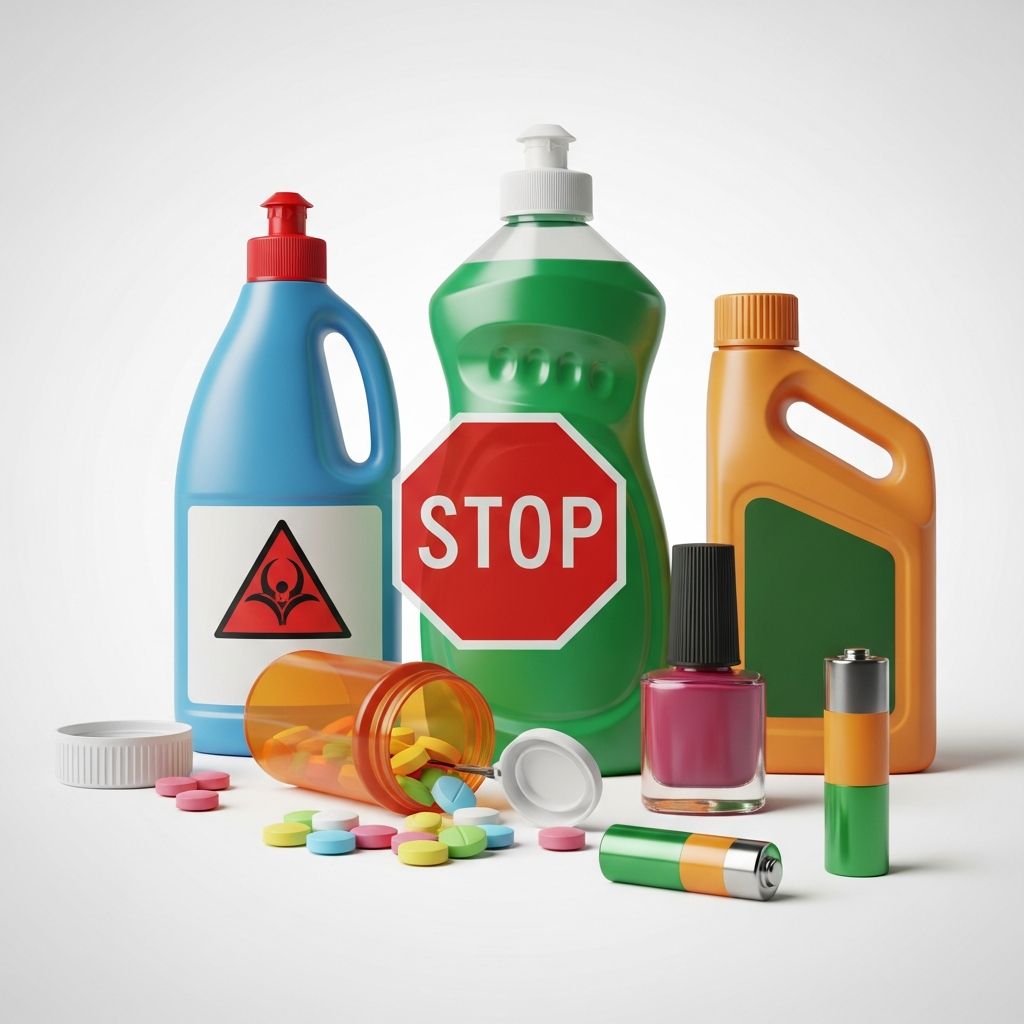
Household poisons are everyday items that can cause serious harm if ingested, inhaled, or touched, especially by young children under 5 and pets. Poisoning incidents are frequent, with nearly 40 Australian children hospitalized weekly due to such accidents, primarily affecting ages 1-3. This guide covers poisons by room, symptoms, prevention, and emergency responses to ensure family safety.
About Household Poisons and Poisoning
Household poisons encompass medicines, detergents, cleaning products, toiletries, garden chemicals, and other common items that become dangerous when mishandled. Children explore with hands and mouths, making poisoning common in homes. Adults face risks from pain medicines, sedatives, antidepressants, and cleaning substances. Pets are vulnerable to human foods like grapes, chocolate, and xylitol, plus rodenticides and antifreeze. Early recognition and action prevent severe outcomes like organ damage or death.
Bathroom Poisons
Bathrooms harbor many attractive yet toxic items due to their scents and colors. Common dangers include:
- Bathroom, shower, or tile cleaners that cause chemical burns.
- Deodorants, make-up, facial toners, and nail polish removers containing acetone or cyanide precursors.
- Medicines like pain relievers and topical anesthetics that can induce seizures or methemoglobinemia.
- Mouthwash, perfume, hand sanitiser, and aftershave with high alcohol content.
- Shampoos, conditioners, soaps, bodywashes—especially food-scented ones that tempt tasting.
- Toilet cleaners, both fluid and solid, which are highly caustic.
How to React: If ingestion occurs, do not induce vomiting, as it risks aspiration. Rinse mouth with water and call poison control immediately at 1-800-222-1222 (US) or local equivalent. For skin contact, flush with water for 15 minutes. Nail primers and removers can burn skin or cause cyanide poisoning.
Bedroom and Family Area Poisons
These spaces seem safe but hide risks in everyday items:
- Air fresheners and incense that release fumes.
- Alcohol beverages accessible to toddlers.
- Bubble-blowing solutions mimicking candy.
- CD/DVD cleaners and glues.
- Cigarette butts containing nicotine.
- Essential oils like eucalyptus, toxic in small amounts.
- Make-up, mothballs (naphthalene), paints, and potpourri.
Mothballs can cause hemolytic anemia, while essential oils lead to respiratory distress. Prevention: Store in high, locked cabinets. Dispose of old paints if lead-based, testing older homes. Reaction: Remove from exposure, monitor breathing, and seek medical help if symptoms like dizziness or vomiting appear.
Garage and Shed Poisons
These areas store the most hazardous chemicals:
- Acids like brick cleaners, cement, lime.
- Epoxies, resins, adhesives, varnishes.
- Fertilizers, herbicides, weed killers, pesticides, snail baits.
- Kerosene, petrol, engine oils, turpentine—hydrocarbons that cause lung damage if aspirated.
- Mag wheel cleaners, paint thinners.
- Antifreeze, deadly in small amounts causing kidney failure.
Lock sheds and use storage boxes inside. Test for lead paint in older structures. Pets face high risks from cocoa mulch and rodenticides. How to React: For hydrocarbons, avoid inducing vomit to prevent pneumonia. Call poison control; mop spills immediately. Windshield washer fluid risks blindness.
Kitchen and Laundry Poisons
Kitchens and laundries tempt with shiny pods and sprays:
- Alcohol, hand sanitisers.
- Ammonia, disinfectants, bleaches causing burns.
- Baby bottle cleaners, dishwashing/laundry detergents (pods are particularly dangerous, mimicking candy).
- Drain cleaners, oven cleaners, floor polishes—highly alkaline or acidic.
- Matches, rat/insect poisons, fly sprays.
- Stain removers, dyes, ironing aids.
Soap pods cause vomiting, respiratory issues; bleaches irritate. Safer alternatives: vinegar and bicarbonate of soda mixtures. Response: Dilute immediately with water or milk for caustics, but never for hydrocarbons. Call 1-800-222-1222.
Other Common Poisons
Beyond rooms, watch for:
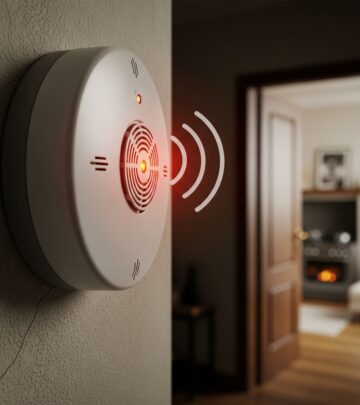
- Carbon monoxide: Invisible from faulty appliances; install alarms in sleeping areas.
- Button batteries: 20mm lithium cells burn esophagus in 2 hours; over 40 child deaths reported. Seek urgent endoscopy.
- Plants and foods: Toxic to pets—avocados, grapes, onions, xylitol.
- Pesticides: Absorbed via skin or inhalation, affecting nerves.
| Poisons by Group | Most Affected | Common Symptoms | Top Risks |
|---|---|---|---|
| Cleaning Substances | Children | Burns, vomiting | Drain cleaners, bleaches |
| Medicines | Adults/Children | Seizures, sedation | Pain meds, antihistamines |
| Hydrocarbons | Children/Pets | Lung inflammation | Kerosene, antifreeze |
| Personal Care | Children | Irritation, poisoning | Nail products, mouthwash |
Symptoms of Poisoning
Recognize signs quickly: nausea, vomiting, diarrhea, abdominal pain, drowsiness, seizures, difficulty breathing, burns, or unusual odors. For pets: lethargy, tremors, drooling. Severity varies; hydrocarbons cause choking pneumonia, caustics severe burns.
What to Do If Poisoning Occurs
- Stay calm; remove person/pet from exposure.
- Call poison control: 1-800-222-1222 (US), or local emergency. Provide age, weight, substance, amount, time ingested.
- Follow instructions—may include dilution, activated charcoal, or hospital visit.
- Do NOT induce vomiting unless directed, especially for corrosives or hydrocarbons.
- For eyes/skin: Flush 15-20 minutes.
- Monitor vitals; go to ER for severe symptoms.
Prevention Tips
- Store poisons in locked cabinets, out of sight/reach.
- Use childproof locks on garages/sheds.
- Buy only needed amounts; dispose properly.
- Label everything; avoid food-like packaging.
- Supervise children; educate on dangers.
- Install CO detectors, battery locks.
- Choose eco-friendly cleaners.
- For pets: Keep human foods, meds inaccessible.
Frequently Asked Questions (FAQs)
Q: What is the poison control number?
A: In the US, call 1-800-222-1222 for 24/7 expert advice.
Q: Should I make someone vomit after poison ingestion?
A: No, unless specifically told by poison control, as it can worsen damage like aspiration pneumonia.
Q: Are laundry pods safe around kids?
A: No, they look like candy and cause severe poisoning; store locked away.
Q: How dangerous is antifreeze?
A: Extremely; small amounts cause kidney failure in humans and pets. Clean spills immediately.
Q: What about button batteries?
A: Lethal if swallowed; seek emergency care within 2 hours to prevent burns.
Q: Can essential oils poison children?
A: Yes, eucalyptus oil and others cause respiratory issues; keep out of reach.
This comprehensive guide empowers you to safeguard your home. Vigilance prevents tragedies from these ubiquitous threats.
References
- Household poisons: keeping children safe — Raising Children Network. 2023. https://raisingchildren.net.au/babies/safety/poisons/household-poisons
- Common Household Poisons — Today’s Veterinary Nurse. 2019-02. https://todaysveterinarynurse.com/wp-content/uploads/sites/3/2019/02/TVN-2019_Common_Household_Poisons.pdf
- Household Poisons — Minnesota Regional Poison Center. 2024. https://mnpoison.org/prevention/common-poison-info/household-poisons/
Similar Articles








Read full bio of medha deb