Commercial Loan: Definition, Types, and How It Works
Comprehensive guide to commercial loans, their types, requirements, and key differences from residential loans.

What Is a Commercial Loan?
A commercial loan is a debt-based financing arrangement extended by lenders to businesses, corporations, or investors to purchase, upgrade, rehabilitate, or refinance commercial properties and business operations. Unlike personal loans, commercial loans are specifically designed to fund business activities and are typically secured by commercial real estate or business assets. These loans serve as a critical financing mechanism for businesses seeking capital to expand operations, acquire property, or manage cash flow needs.
Commercial loans differ fundamentally from consumer loans in their structure, requirements, and terms. They are generally larger in amount, have longer repayment periods, and involve more complex underwriting processes. Lenders evaluate commercial loans based on the income-generating potential of the property or business, the borrower’s creditworthiness, and market conditions. The proceeds from a commercial loan must be used for business purposes, making them distinct from personal loans used for individual consumption.
Types of Commercial Loans
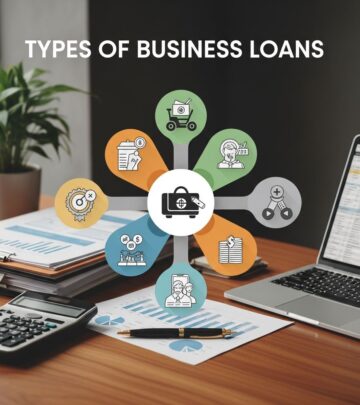
Several distinct types of commercial loans exist, each designed for specific business financing needs and scenarios. Understanding the differences between these loan types helps borrowers select the most appropriate financing option for their situation.
Permanent Loans
Permanent loans, also known as long-term loans, are designed to provide stable, extended financing for established commercial properties. These loans typically feature fixed interest rates and terms ranging from 10 to 30 years. Permanent loans are ideal for investors who own stabilized income-producing properties and seek predictable, long-term financing. The lender relies on the property’s cash flow to service the debt, making debt service coverage ratio a critical evaluation metric.
Bridge Loans
Bridge loans serve as short-term financing solutions designed to bridge the gap between the purchase of a new property and the sale of an existing one. These loans typically have terms of 6 months to 3 years and feature higher interest rates than permanent loans, reflecting their increased risk and shorter duration. Bridge loans offer flexibility and quick access to capital, making them popular among investors managing property transitions. They often require minimal documentation and come without prepayment penalties.
Commercial Construction Loans
Construction loans finance the development or renovation of commercial properties. These loans are typically short-term, with funds disbursed in phases as construction progresses. Interest rates on construction loans are usually higher than permanent loans due to the increased risk associated with development projects. Lenders require detailed construction plans, timelines, and budget estimates before approving construction financing.
Conduit Loans
Conduit loans are commercial mortgages that are pooled together and sold to investors as commercial mortgage-backed securities (CMBS). These loans offer standardized terms and are based on the property’s income-generating ability rather than the borrower’s personal creditworthiness. Conduit loans typically have terms of 5 to 10 years and may feature fixed or floating interest rates.
Key Components of Commercial Loan Structure
Commercial loans consist of several essential components that define the terms and obligations of both the lender and borrower.
Principal and Interest Rate
The principal is the amount of money borrowed, while the interest rate represents the cost of borrowing expressed as a percentage. Commercial loan interest rates typically range from 4% to 12%, depending on factors such as loan term, property type, borrower creditworthiness, and prevailing market conditions. Rates can be fixed, remaining constant throughout the loan term, or floating, adjusting periodically based on market indices.
Loan Term and Amortization Period
The loan term is the period during which the borrower will make payments and complete repayment obligations. The amortization period is the timeframe over which the loan is scheduled to be fully paid off through regular payments of principal and interest. A crucial feature of commercial loans is that the amortization period often exceeds the loan term. For example, a lender might structure a loan with a 7-year term but a 30-year amortization period. This means the borrower makes payments calculated as if the loan will be paid off over 30 years, but at the end of year 7, a balloon payment is due for the remaining balance.
Balloon Payments
Balloon payments are large lump-sum payments due at the end of the loan term, representing the outstanding principal balance not paid through regular monthly payments. For instance, an investor with a $1 million commercial loan at 7% interest might make monthly payments of $6,653.02 for seven years, with a final balloon payment of $918,127.64 due at maturity. Balloon payments require refinancing or the sale of the property unless the borrower has sufficient capital to pay the balance in full.
Commercial Loans vs. Residential Mortgage Loans
While both commercial and residential loans are secured debt instruments, they differ significantly in several key aspects:
| Feature | Commercial Loans | Residential Loans |
|---|---|---|
| Interest Rates | Higher, typically 4-12% | Lower, typically 2-7% |
| Down Payment | Larger, typically 20-40% | Smaller, often 3-20% |
| Credit Requirements | More stringent, typically 680+ | More flexible, can be lower |
| Documentation | Extensive, detailed business plans | Standard financial documents |
| Loan Term | Shorter, typically 5-15 years | Longer, typically 15-30 years |
| Purpose | Business and investment purposes | Personal home purchase |
Commercial loans typically require higher interest rates to compensate lenders for increased risk associated with business ventures. They also demand substantially larger down payments and more rigorous credit evaluations. The documentation requirements for commercial loans are considerably more extensive than residential mortgages, often including detailed business plans, financial projections, and property analysis.
Requirements for Obtaining a Commercial Loan
Lenders impose strict requirements to assess creditworthiness, repayment capacity, and risk before approving commercial loans. Borrowers must prepare comprehensive documentation to demonstrate their ability to service the debt and manage the property effectively.
Financial Documentation
Borrowers must provide 3 to 5 years of financial statements, including business and personal documents. This includes tax returns, balance sheets, income statements, and cash flow statements. Personal financial statements demonstrating net worth and liquid assets are also required. Lenders analyze these documents to determine the borrower’s historical financial performance and capacity to meet loan obligations.
Business and Property Plans
A detailed business plan is essential, outlining how the borrower intends to operate and manage the property or business. The plan should include market analysis, operational strategies, and projected financial performance. For construction projects, detailed architectural plans, construction schedules, and budget estimates are required. Property-specific documentation varies by use type.
Property-Specific Documentation
For apartment buildings or self-storage facilities, lenders require a rent roll showing current tenants, lease terms, and rental income. For retail or office space, a schedule of leases detailing tenant information and lease provisions is necessary. Lenders also evaluate local vacancy rates, tenant quality, lease duration, and any pre-signed leases. Environmental assessments and property appraisals are standard requirements.
Personal Information
Borrowers must provide comprehensive personal details including current and previous addresses, complete legal names, and any name changes. A professional resume may be required, particularly for startup ventures or when the borrower lacks property management experience. Personal credit history and scores are evaluated rigorously, as they indicate payment reliability and financial discipline.
Eligible Commercial Property Types
Commercial loans are available for a diverse range of property types that generate income and serve business purposes. Eligible properties include apartment buildings, office buildings, shopping malls, retail centers, industrial warehouses, and hospitality properties such as hotels and restaurants. Conduit loan programs generally favor retail assets with strong anchor tenants and properties managed by experienced, professional organizations.
Specialty properties such as golf courses, farms, and restaurants may require bank financing rather than institutional investors due to their unique characteristics and higher risk profiles. These specialty loans typically carry higher interest rates reflecting the increased risk and unique management requirements.
Advantages of Commercial Loans
Commercial loans offer numerous benefits for businesses and investors seeking property financing:
Flexible Underwriting Guidelines: While still rigorous, commercial loan underwriting can accommodate various borrower profiles and property types, allowing experienced investors to secure financing even with non-traditional circumstances.
Fixed-Rate Financing: Many commercial loans feature fixed interest rates, providing payment predictability and protection against rising interest rates over the loan term.
Fully Assumable Terms: Commercial loans may be assumable, allowing future buyers to take over the loan obligations, which can be an attractive selling feature for the property.
Higher Investment Yields: Lenders and bondholders can achieve higher returns on commercial loan investments compared to residential mortgages, reflecting the increased risk and complexity.
Investor Choice: In securitized commercial loans, investors can select specific tranches based on their risk tolerance and return expectations.
Bridge Loan Flexibility: Bridge loans offer rapid capital access, flexible terms without prepayment penalties, and minimal credit score requirements, making them ideal for time-sensitive acquisitions.
Key Financial Metrics in Commercial Lending
Lenders evaluate commercial loans using specific financial metrics to assess risk and repayment capacity.
Debt Service Coverage Ratio (DSCR)
The DSCR measures the property’s net operating income relative to the annual debt service (principal and interest payments). A DSCR of 1.0 means the property generates exactly enough income to cover debt payments. Lenders typically require a DSCR of at least 1.2 to 1.5, with institutional lenders such as life insurance companies preferring ratios of 1.5 or higher, reflecting conservative lending practices.
Loan-to-Value Ratio (LTV)
The LTV ratio compares the loan amount to the property’s market value, calculated as the outstanding loan balance divided by property value. A lower LTV indicates greater equity cushion and reduced lender risk. Commercial lenders typically prefer LTV ratios of 60% to 75%, meaning borrowers provide 25% to 40% equity down payment.
The Commercial Loan Process
Obtaining commercial financing involves several stages. Borrowers first select a lender and present their business plan and property opportunity. Pre-qualification establishes preliminary feasibility. The formal application stage requires comprehensive documentation submission. Underwriting involves detailed analysis of financials, property appraisal, and risk assessment. If approved, loan closing finalizes all documentation and funding occurs. The entire process typically requires 30 to 90 days depending on complexity.
Frequently Asked Questions
Q: What is the minimum credit score needed for a commercial loan?
A: Most lenders require a minimum credit score of 680 to 700, though some institutional lenders may require scores of 720 or higher. However, strong cash flow and substantial equity can sometimes compensate for lower credit scores.
Q: How long does it take to get a commercial loan approved?
A: Commercial loan approval typically takes 30 to 90 days, depending on the loan complexity, completeness of documentation, property type, and lender efficiency. Bridge loans can close more quickly, sometimes within 2 to 4 weeks.
Q: What is the difference between a commercial loan and a commercial mortgage?
A: A commercial mortgage specifically refers to a loan secured by real property, while a commercial loan is a broader term encompassing any business financing. Most commercial real estate loans are commercial mortgages secured by property as collateral.
Q: Can I prepay a commercial loan without penalty?
A: This depends on the specific loan terms. Permanent loans may have prepayment penalties, while bridge loans typically allow prepayment without penalties. Always review the note and mortgage documents for prepayment provisions.
Q: What happens if I default on a commercial loan?
A: Upon default, the lender can foreclose on the property and sell it to recover the outstanding loan balance. Depending on the loan structure, borrowers may have personal recourse liability for any deficiency.
Q: How much down payment do I need for a commercial loan?
A: Commercial loans typically require down payments of 20% to 40% of the property purchase price, significantly higher than residential mortgages. Exact requirements depend on property type, borrower qualifications, and market conditions.
References
- Commercial Mortgage Loans — Commercial Real Estate Loans. 2024. https://www.commercialrealestate.loans/commercial-real-estate-glossary/commercial-mortgage-real-estate-loan/
- Commercial Mortgage Loans – NAIC Capital Markets Primer — National Association of Insurance Commissioners (NAIC). 2024. https://content.naic.org/sites/default/files/capital-markets-primer-commercial-mortgage-loans.pdf
Similar Articles








Read full bio of medha deb